The Cosmic Pet Pet IQ Lab: Pomeranian vs. Standard Schnauzer
At The Cosmic Pet Pet IQ Lab, we dissect canine cognition across five key dimensions: problem-solving, training speed, social intelligence, instinctive drive, and memory. This allows for a granular comparison, moving beyond simple rankings to understand how each breed's mind operates.
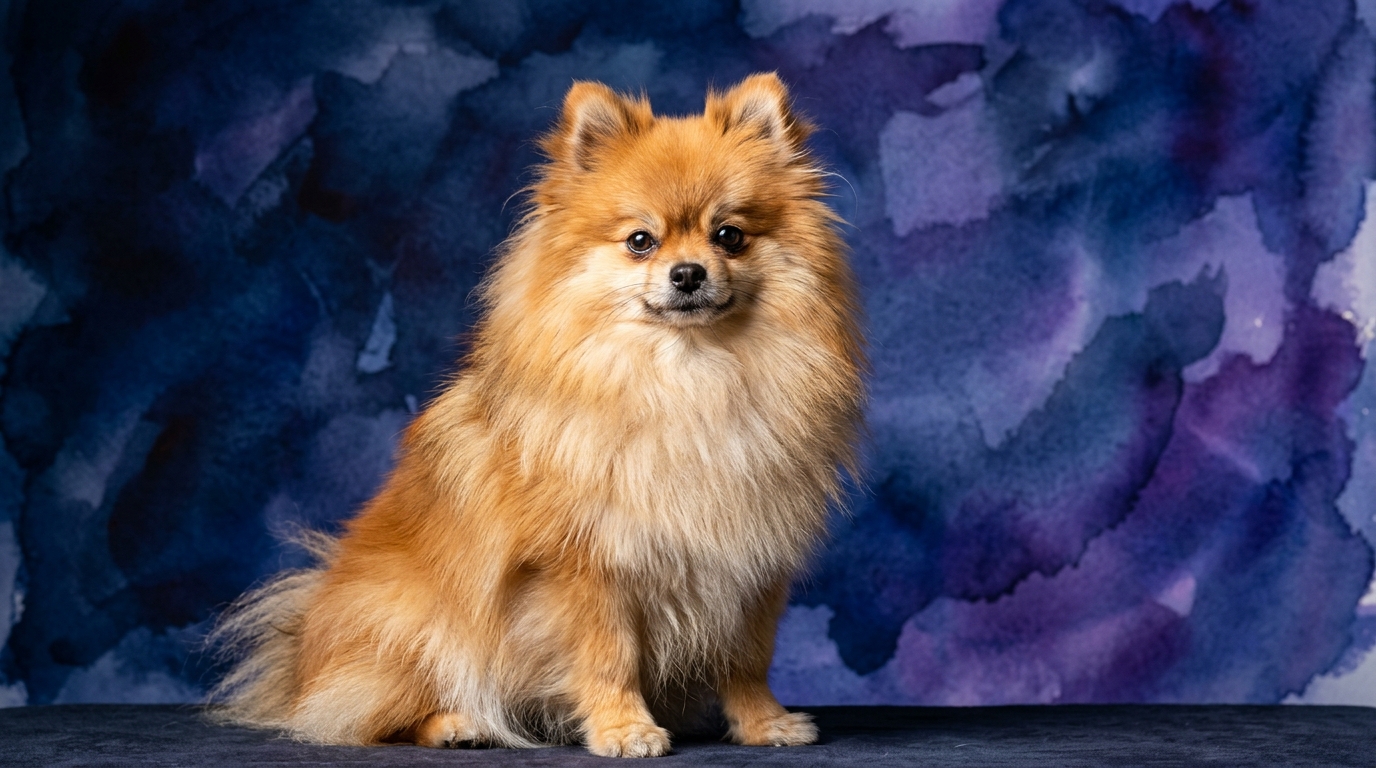
The Pomeranian, a spirited Toy breed ranking Coren #23, exhibits a cognitive profile well-suited for companionship and interactive learning. Its Problem Solving is rated 4/5, indicating a capacity for navigating various mental challenges. Training Speed stands at 4/5, suggesting a quick grasp of new commands, while Social Intelligence, at a robust 4/5, highlights its proficiency in understanding human cues and adapting to social dynamics. Its Instinctive Drive is 3/5, and Memory is an impressive 4/5, allowing for retention of learned behaviors and experiences.
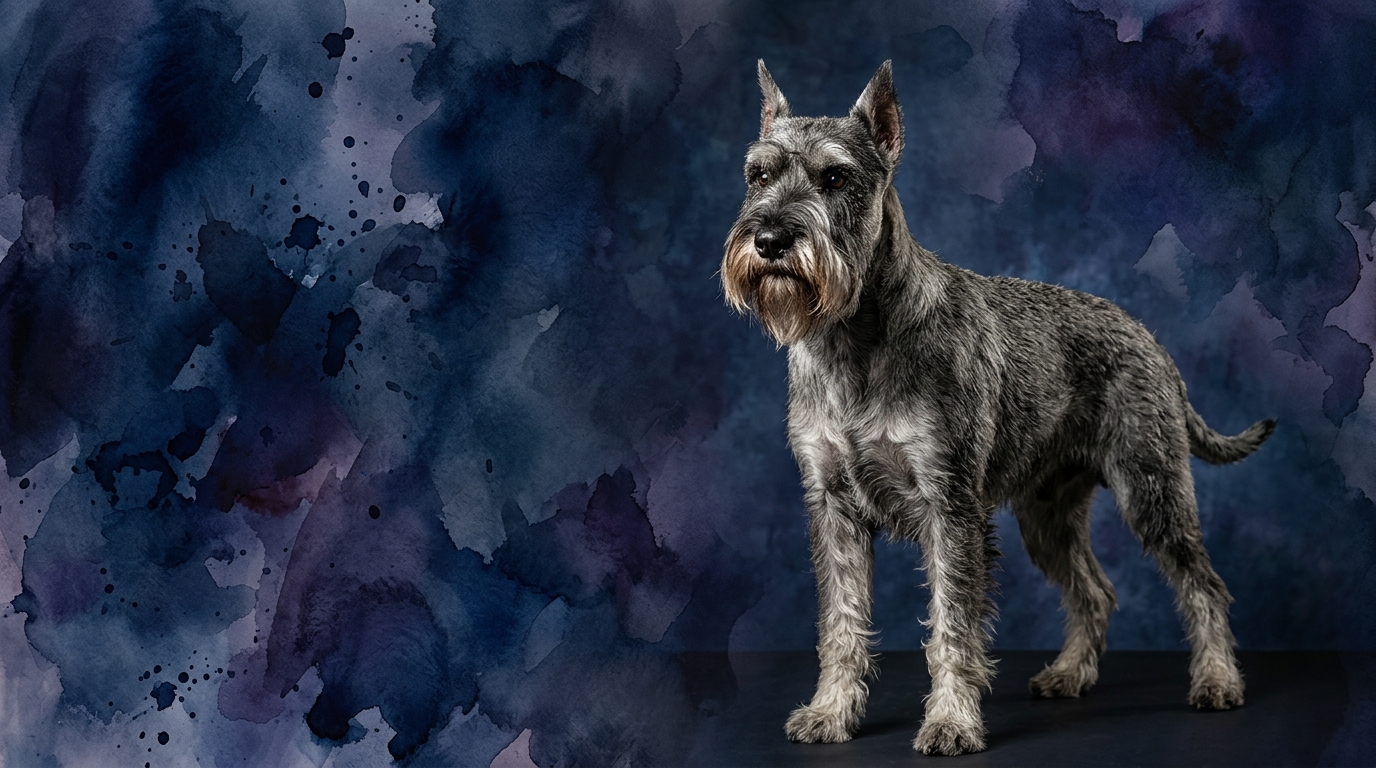
The Standard Schnauzer, a robust Working breed holding Coren #22, presents a cognitive makeup geared towards purpose and independent thought. Like the Pomeranian, its Problem Solving is 4/5, denoting a strong capacity for figuring things out. Training Speed also registers at 4/5, reflecting its aptitude for learning complex tasks. However, its Social Intelligence is 3/5, indicating a more independent streak compared to the Pomeranian. Instinctive Drive is 3/5, mirroring the Pomeranian, and Memory is also 4/5, supporting its ability to recall training and past solutions.
While their Coren ranks are nearly identical and several IQ dimensions show matching scores, a deeper look reveals subtle yet significant differences in how these breeds apply their cognitive strengths. It’s not just about the score, but the flavor of their intellect.
Pomeranian's Cognitive Edge: Social Acuity and Quick Learning
Where the Pomeranian truly shines cognitively is in its exceptional Social Intelligence, scoring a 4/5 compared to the Standard Schnauzer’s 3/5. This higher social acuity means Pomeranians are often more attuned to human emotions and intentions, making them remarkably responsive to their owners' moods and desires. They excel at reading subtle cues, which can translate into a deep, empathetic connection and a willingness to engage in interactive play and training sessions.
Their Training Speed, also at 4/5, synergizes beautifully with their social intelligence. Pomeranians typically learn new tricks and commands with enthusiasm, often driven by a desire to please and engage with their human companions. This quick uptake is not just about rote memorization but also about understanding the social context of the training, making them adept at performing complex routines for an audience.
The combination of their 4/5 Memory and 4/5 Problem Solving, framed within their high social intelligence, means Pomeranians can remember intricate sequences of behaviors and apply past solutions in new, socially interactive scenarios. They might quickly figure out how to 'ask' for a treat using a learned behavior or navigate a household obstacle course to reach their favorite person, demonstrating a blend of wit and charm.
Standard Schnauzer's Cognitive Strengths: Purposeful Problem Solving
The Standard Schnauzer's 4/5 Problem Solving capability often manifests differently than the Pomeranian's, rooted in its working heritage. Schnauzers tend to approach challenges with a more independent, goal-oriented mindset, often seeking to understand the 'why' behind a task. This can involve figuring out how to open a specific cabinet, bypass a barrier to reach a desired location, or methodically work through a complex puzzle toy, demonstrating persistence and ingenuity.
Though their Social Intelligence is a point lower at 3/5, their 4/5 Training Speed indicates a strong capacity for learning, particularly when tasks are presented with a clear purpose. Standard Schnauzers thrive on structured training that engages their intellect and gives them a job to do, whether it's advanced obedience, protection work, or dog sports. Their learning is often about mastering a skill for its own sake or to achieve a tangible outcome.
The Standard Schnauzer's 3/5 Instinctive Drive, combined with their robust problem-solving and 4/5 Memory, allows them to excel in activities that tap into their innate working tendencies. They can remember complex scent trails, master multi-step agility courses, or consistently perform protective duties. This blend of attributes supports a dog that is not just smart, but also resilient and capable of independent action to achieve a goal.
Training Trajectories: Pomeranian's Eagerness vs. Schnauzer's Purpose
Both breeds boast a 4/5 Training Speed, but the *nature* of their trainability diverges significantly. Pomeranians, with their high social intelligence, often approach training as a collaborative activity, eager to engage and respond to their handler's cues. They are typically highly motivated by positive reinforcement, praise, and the sheer joy of interaction, making them quick studies for obedience, tricks, and even competitive dog sports where handler focus is paramount.
Standard Schnauzers, while equally quick to learn, often require a more task-oriented approach to training. Their working dog mindset means they might need to understand the utility or purpose of a command to fully commit. They respond well to clear, consistent instruction and challenges that engage their problem-solving abilities. While they appreciate praise, the satisfaction of completing a job or mastering a skill can be a stronger motivator for them.
Behaviorally, a Pomeranian's desire for attention can make them very cooperative, but also potentially prone to distraction if not consistently engaged. Their tendency to be vocal might also need early, patient management. A Standard Schnauzer, with its more independent streak, might test boundaries if training isn't consistent or stimulating enough. They are less likely to be purely people-pleasers and more likely to question the relevance of a command if it doesn't align with their perceived purpose, requiring a firm yet fair hand.
Matching Lifestyles: Activity Levels and Cognitive Engagement
The Pomeranian, despite its small stature, is not a sedentary companion. Its 3/5 instinctive drive and 4/5 problem-solving mean it thrives on mental stimulation and moderate physical activity. While adaptable to apartment living, a Pomeranian will flourish with owners who provide consistent mental challenges through trick training, puzzle toys, and short, engaging walks. They can suit relaxed owners who enjoy interactive play and training sessions, ensuring their bright minds are regularly exercised rather than left bored.
The Standard Schnauzer's working heritage dictates a higher demand for consistent physical and mental engagement. Their robust problem-solving and instinctive drive benefit immensely from owners who can provide structured activities like agility, advanced obedience, or even scent work. They are better suited for active owners who appreciate a dog with a strong will and a need for purpose, making them excellent partners for outdoor adventures, long hikes, and consistent, challenging training routines.
The key distinction lies not just in physical energy expenditure, but in the *type* of mental stimulation each breed prefers. Pomeranians enjoy engaging *with* their owner in a highly social, interactive manner. Standard Schnauzers, conversely, often find satisfaction in engaging *with a task*, requiring a clear objective and the opportunity to use their independent problem-solving skills to achieve it.
The Verdict: When to Choose Each Intelligent Companion
Understanding these cognitive nuances is crucial for prospective owners seeking a compatible companion. Both breeds offer substantial mental engagement, but their approaches differ significantly.
The Pomeranian is an excellent choice for individuals or families seeking a highly interactive, socially perceptive companion who thrives on close engagement and quick learning. They are ideal for owners who enjoy teaching tricks, participating in engaging play, and appreciate a dog that is deeply attuned to their emotional state. Their adaptability makes them suitable for various living situations, provided their mental needs are met with consistent, stimulating interaction.
The Standard Schnauzer, on the other hand, is best suited for active, experienced owners who desire a purposeful and resilient partner. They excel with individuals or families who can provide consistent, structured training, engage them in challenging activities like dog sports or working tasks, and appreciate a dog that approaches life with independent thought and a strong will to achieve. They thrive in environments where their innate drive and problem-solving abilities are consistently channeled into productive endeavors.
The Verdict
Choose the Pomeranian if you seek a highly socially intelligent companion who thrives on close interaction, quick trick learning, and can adapt to varied home environments with consistent mental enrichment.
Opt for the Standard Schnauzer if you're an active owner looking for a purposeful partner, eager to tackle complex tasks, engage in structured training, and thrive on consistent mental and physical challenges.
🧠 Find Your Pet's IQ Score
Our Pet IQ Lab assessment covers 25+ tests across 5 cognitive dimensions — personalized to your breed.
Take the Full IQ Test →Frequently Asked Questions
Are Pomeranians good at learning tricks?
Yes, Pomeranians excel at learning tricks due to their high training speed and strong social intelligence. They often enjoy the interaction and mental stimulation involved, quickly grasping new commands and sequences.
Do Standard Schnauzers need a lot of mental stimulation?
Absolutely. Standard Schnauzers possess a strong problem-solving ability and instinctive drive, stemming from their working background. They thrive on consistent mental challenges like puzzle toys, advanced obedience, or dog sports to prevent boredom.
Which breed is better for first-time dog owners?
The Pomeranian might be slightly more adaptable for a first-time owner due to their high social intelligence and eagerness to please, provided their vocal tendencies are managed. Standard Schnauzers, while trainable, require a more consistent and experienced hand to channel their working drive effectively.