
Side-by-Side IQ Profile: Pomeranian vs. Sussex Spaniel
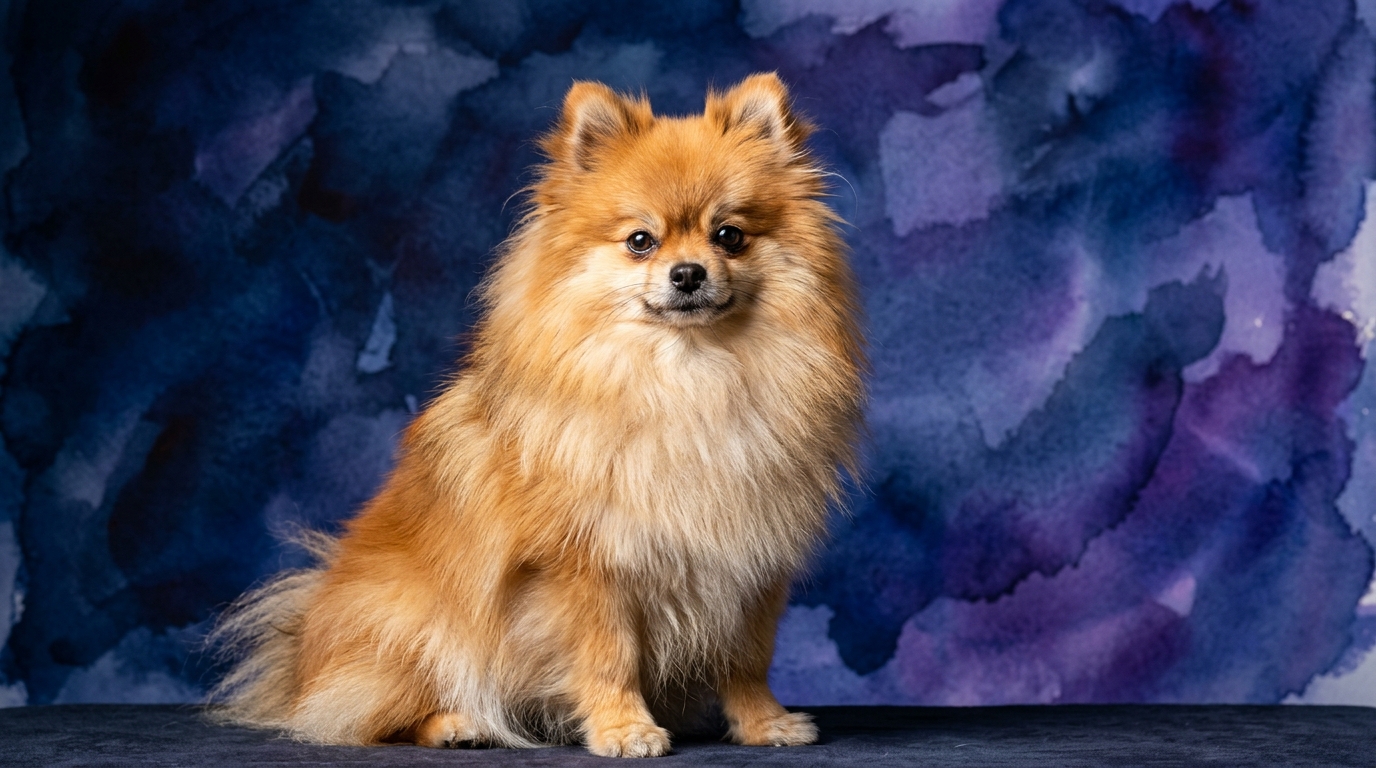
At The Cosmic Pet Pet IQ Lab, we assess canine cognition across five distinct dimensions, providing a comprehensive look at what makes each breed unique. The Pomeranian, a member of the Toy group with a Coren ranking of #23, generally exhibits a more agile and socially attuned intellect. Its Problem Solving is rated at 4/5, indicating a quick ability to figure out novel situations and puzzles, often with a clever, self-serving twist. Training Speed also stands at 4/5, suggesting they grasp new commands and routines with impressive rapidity. Social Intelligence is marked at 4/5, showcasing their keen observation of human behavior and their capacity to adapt their interactions accordingly. Their Instinctive Drive is 3/5, retaining some ancestral Spitz-like alertness but less focused on primal tasks. Finally, Memory scores 4/5, enabling them to recall learned information and past experiences effectively.
In contrast, the Sussex Spaniel, a Sporting group dog with a Coren ranking of #62, presents a more deliberate and instinct-driven cognitive profile. Its Problem Solving capability is rated 3/5, meaning they can tackle straightforward challenges but might require more repetition or guidance for complex tasks. Training Speed is 3/5, indicating a moderate learning pace that benefits from consistent and patient instruction. Social Intelligence is 3/5; while they form strong bonds and understand familiar people, they are less inclined to meticulously 'read' subtle human emotional shifts compared to more people-centric breeds. The Sussex Spaniel's Instinctive Drive is 3/5, rooted in their sporting heritage with a strong emphasis on scent work and field exploration. Memory for this breed is 3/5, reflecting a reliable but perhaps less spontaneous recall of learned behaviors and past events.
Where the Pomeranian Excels Cognitively
The Pomeranian consistently demonstrates superior cognitive agility in several key areas. Their 4/5 Problem Solving score shines in domestic environments, where they quickly learn to navigate household complexities, such as figuring out how to retrieve a hidden treat or even manipulating a latch. Their high Social Intelligence (4/5) allows them to keenly observe and interpret human cues, often leading to a charming form of 'social manipulation' to achieve their desires for attention or snacks. This breed's quick Training Speed (4/5) makes them adept at picking up new tricks and commands, often displaying an eagerness to perform for rewards. Furthermore, their cognitive flexibility means they often adjust to new routines, environments, and social situations more readily than many other breeds, thriving on consistent mental engagement and variety.
Where the Sussex Spaniel Shows Unique Strengths
While the Pomeranian excels in social and adaptive intelligence, the Sussex Spaniel's cognitive strengths are deeply rooted in its original purpose. Their 3/5 Instinctive Drive, combined with their robust sensory perception, gives them a clear advantage in tasks requiring olfactory intelligence and persistence. They exhibit superior capabilities in scent work and tracking, able to maintain focus on a trail with a determination that belies their moderate problem-solving score in other areas. This breed possesses an astute environmental awareness, particularly in outdoor settings, allowing them to navigate varied terrains and understand the nuances of potential game presence. When engaged in a task like flushing game, they demonstrate a remarkable endurance in task focus and a degree of independent working ability, often less reliant on constant human direction than many companion breeds, making calculated decisions based on their instincts and environmental observations.
Training Ease: Unpacking Behavioral Differences
When it comes to training, the cognitive profiles of these two breeds lead to distinct experiences. The Pomeranian, with its 4/5 Training Speed and 4/5 Problem Solving, generally presents an easier and faster learning curve for foundational obedience and trick training. They thrive on mental stimulation and are often eager to please, readily performing for rewards. However, their quick wit and high social intelligence mean they can also be adept at training their owners if boundaries aren't consistently maintained. Owners must be vigilant to ensure the Pomeranian isn't subtly manipulating situations to their advantage, leveraging their charm and intelligence to get their way. Their sharp memory (4/5) means both good and bad habits are quickly ingrained.
The Sussex Spaniel, on the other hand, with its 3/5 Training Speed and 3/5 Problem Solving, requires a more patient and consistent approach. Their instinctive drive (3/5) for scent work can sometimes pull their focus away from obedience commands, especially in stimulating outdoor environments. They respond best to positive reinforcement, clear, repetitive instructions, and a trainer who understands their independent streak. While they are willing to learn, their motivation might be more task-oriented than people-pleasing, meaning they may not always see the immediate 'point' of a command if it doesn't align with their current interest or instinct. Consistency is paramount to ensure their 3/5 memory reliably solidifies learned behaviors, preventing them from 'forgetting' commands when distractions are present.
Matching Breeds to Lifestyles: Active vs. Relaxed Owners
Choosing between a Pomeranian and a Sussex Spaniel also involves aligning their cognitive and physical needs with an owner's lifestyle. The Pomeranian is well-suited for owners who enjoy consistent mental engagement, trick training, and regular, moderate exercise. They thrive on being involved in daily family activities and appreciate owners who can provide consistent interaction and intellectual stimulation without requiring strenuous physical exertion. A relaxed owner who can offer daily short walks, plenty of interactive play, and mental puzzles will find the Pomeranian a delightful and adaptable companion. Their social intelligence means they genuinely enjoy being at the center of attention and participating in family life, making them excellent companions for those who spend a lot of time at home.
Conversely, the Sussex Spaniel is a better match for active owners, particularly those interested in channeling their dog's sporting heritage into activities like scent work, field trials, or long hikes. Their robust build and ingrained sporting instincts mean they require significant physical exercise and mental engagement related to their breed purpose to be truly content. A relaxed owner who cannot provide these outlets might find a Sussex Spaniel becoming restless or exhibiting undesirable behaviors due to unfulfilled energy and instincts. They are not content to be solely couch potatoes; their 3/5 instinctive drive demands opportunities to explore and work, making them ideal for individuals or families who embrace an active, outdoor-oriented lifestyle and can provide structured activities that fulfill their natural predispositions.
The Verdict
Opt for a Pomeranian if you seek a quick-witted companion eager for mental games and adaptable to varying home environments, thriving on social interaction and consistent, engaging training. They suit owners who appreciate a clever, charming dog capable of learning numerous tricks and participating in family life with enthusiasm.
Select a Sussex Spaniel if your lifestyle embraces outdoor activities, and you appreciate a steadfast companion with a strong working drive, requiring consistent exercise and patient, reward-based training. They are ideal for individuals or families who can channel their natural sporting instincts into productive and enjoyable pursuits.
🧠 Find Your Pet's IQ Score
Our Pet IQ Lab assessment covers 25+ tests across 5 cognitive dimensions — personalized to your breed.
Take the Full IQ Test →Frequently Asked Questions
Are Pomeranians better at understanding human emotions?
Pomeranians, with a social intelligence of 4/5, often display a keen ability to observe and respond to human cues, allowing them to adapt their behavior to seek attention or comfort. This makes them appear more attuned to emotional shifts in their human companions, often leveraging this understanding for their own benefit.
Do Sussex Spaniels have a good memory for training?
Sussex Spaniels possess a functional memory (3/5) for learned behaviors, but consistent reinforcement is key to solidifying commands and routines. Their memory is reliable for tasks they've repeatedly practiced, particularly those related to their innate working drives, though they may require more repetition than some breeds.
Which breed is more likely to outsmart its owner?
The Pomeranian, with its 4/5 problem-solving and social intelligence, might more frequently find creative ways to get what it wants, subtly manipulating situations or owners for treats or attention. Their quick wit and ability to 'read' human behavior can sometimes lead to them training their humans rather than the other way around.