Side-by-Side IQ Profiles: Pomeranian vs. West Highland White Terrier
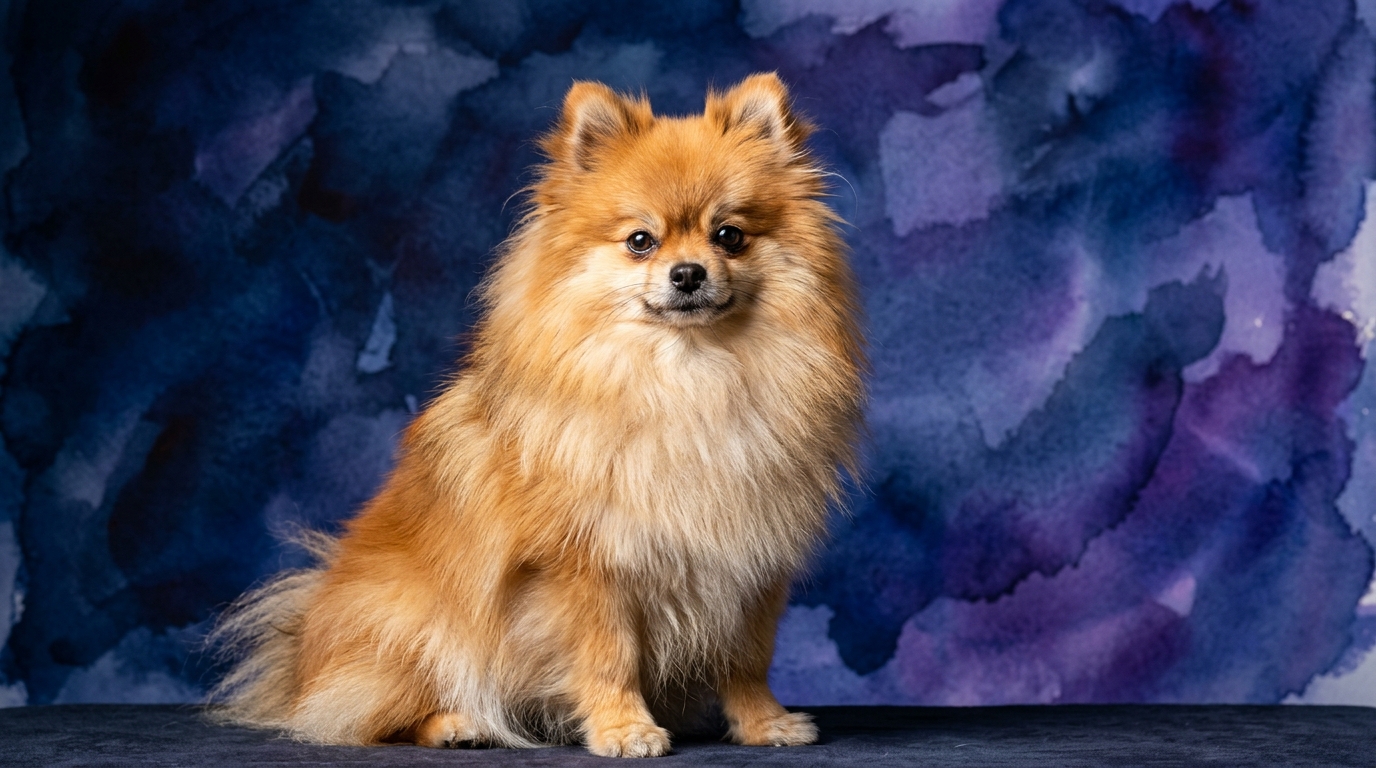
The Cosmic Pet Pet IQ Lab employs a comprehensive five-dimensional framework to assess canine intelligence, offering a nuanced view of each breed's cognitive strengths. For the Pomeranian, a Coren rank of #23 places them among breeds demonstrating considerable adaptive and working intelligence. Their Problem Solving is rated 4/5, indicating a strong capacity for navigating novel situations and devising effective solutions. Training Speed also scores 4/5, reflecting their quick grasp of commands and eagerness to learn new behaviors. Social Intelligence, at 4/5, highlights their acute awareness of human emotions and social dynamics within a household. Their Instinctive Drive is 3/5, suggesting a moderate expression of inherent breed behaviors, while Memory, at 4/5, points to their excellent retention of learned information and routines.
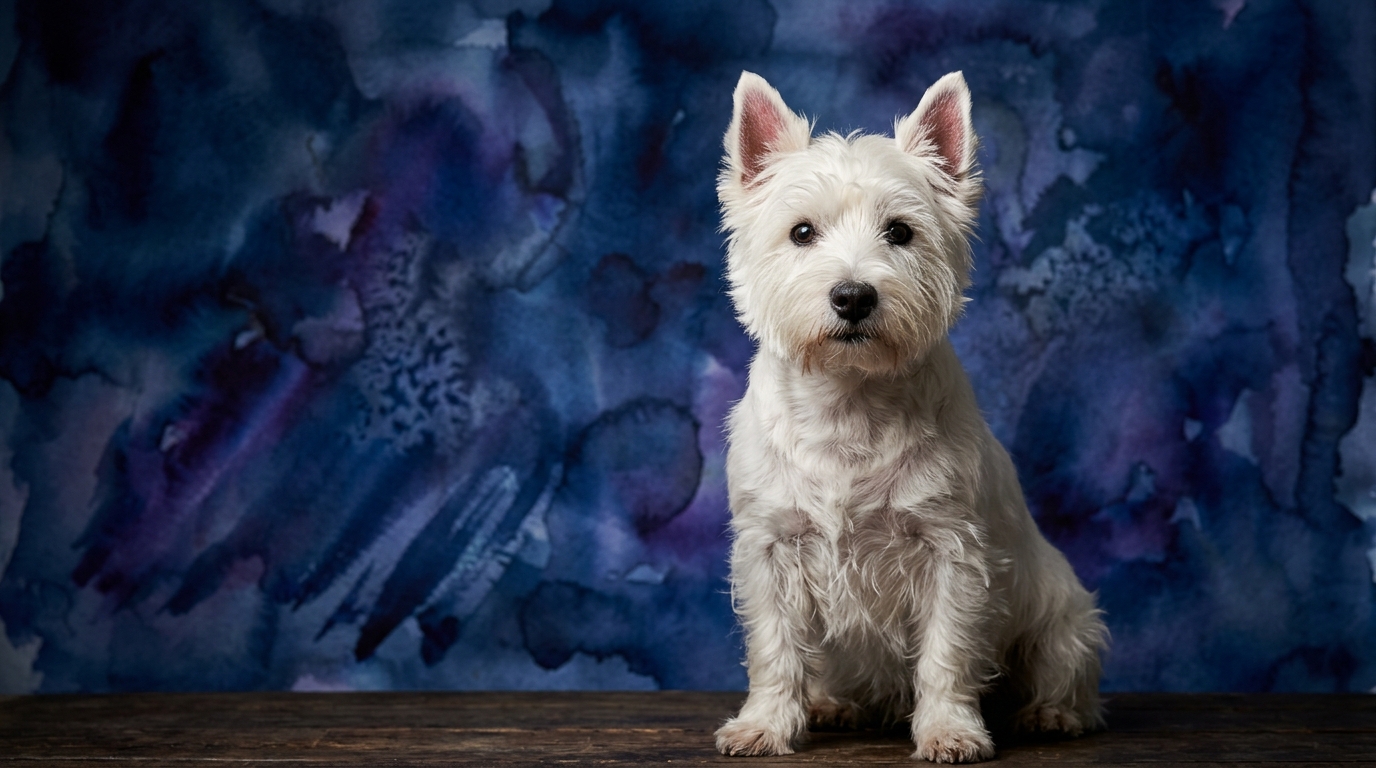
The West Highland White Terrier, holding a Coren rank of #47, presents a different cognitive blueprint, shaped by its history as a working terrier. Their Problem Solving ability is rated 3/5, indicating a practical, often persistent approach to challenges, rooted in their drive to overcome obstacles. Training Speed stands at 3/5, signifying a capacity for learning, though perhaps requiring more consistency and motivation compared to some breeds. Social Intelligence is also 3/5, reflecting an awareness of human cues, often balanced with a notable streak of independence. Their Instinctive Drive, matching the Pomeranian at 3/5, manifests distinctly in strong prey drive, digging, and vocalizing, tied to their original purpose. Finally, their Memory is rated 4/5, demonstrating a robust ability to recall locations, tasks, and past interactions, a crucial trait for a dog historically tasked with independent hunting.
Where the Pomeranian Wins Cognitively
The Pomeranian’s cognitive profile shows distinct advantages in several key areas. Their superior Problem Solving score of 4/5, compared to the Westie's 3/5, indicates a greater aptitude for abstract reasoning and figuring out complex puzzles. A Pomeranian might more readily understand how to open a childproof gate or manipulate a multi-stage puzzle toy, demonstrating a flexible and inventive approach to novel challenges. This isn't merely about brute force but about strategizing and adapting their methods.
Furthermore, the Pomeranian's 4/5 rating in Training Speed significantly outpaces the Westie's 3/5. This means they typically form associations between commands and actions more rapidly, requiring fewer repetitions to master new tricks or obedience routines. Their eagerness to please often complements this quick learning, making them highly receptive students in various training disciplines, from basic manners to advanced canine sports. This rapid acquisition of skills makes them particularly rewarding for owners who enjoy teaching complex sequences.
In terms of Social Intelligence, the Pomeranian's 4/5 rating suggests a deeper attunement to human emotional states and social nuances within a family. They are often highly perceptive of their owner's moods, capable of offering comfort or adjusting their behavior based on subtle human cues. This heightened sensitivity allows for more intricate non-verbal communication and a stronger sense of being 'in tune' with their human companions, facilitating a more integrated role within the household social structure.
Where the West Highland White Terrier Wins Cognitively
While the Westie's overall Coren rank is lower, their cognitive profile reveals specific strengths that are invaluable within their breed context. Their Memory, rated 4/5, matches the Pomeranian's, but its application is often more rooted in practical, environmental recall. A Westie excels at remembering scent trails, the location of a favorite digging spot, or the precise route to a perceived rodent's burrow. This isn't just rote memorization but a robust spatial and experiential memory that underpins their effectiveness as a working terrier, crucial for navigating complex outdoor environments and recalling successful hunting strategies.
The West Highland White Terrier's Instinctive Drive, also rated 3/5, is a distinct cognitive asset rooted in their historical purpose. While the score is numerically equal to the Pomeranian's, the nature of this drive is profoundly different. For the Westie, this manifests as an unwavering tenacity, a strong prey drive, and an intense focus when pursuing a perceived target. This drive fuels their persistent problem-solving (their 3/5 in PS), enabling them to overcome physical barriers or intellectual challenges to achieve their instinctual goals, like cornering a 'mouse' or digging a tunnel. This persistent, goal-oriented cognitive approach is a hallmark of the breed.
Furthermore, their Problem Solving (3/5) and Social Intelligence (3/5), while numerically lower, are often characterized by a confident independence that some owners find highly appealing. A Westie's problem-solving is often practical and self-directed; they might figure out how to escape a yard not out of abstract curiosity, but with the concrete goal of exploring. Their social intelligence allows them to understand human intentions but often weigh them against their own strong will, demonstrating a distinct form of self-awareness and agency. This independent streak is a cognitive trait that, while challenging for some training methods, is a 'win' for owners who appreciate a dog with strong character and self-reliance.
Ease of Training: Pomeranian vs. West Highland White Terrier
When considering ease of training, the Pomeranian generally presents a more straightforward experience due to their higher Training Speed (4/5) and Problem Solving (4/5). Their quick learning curve means they pick up new commands and tricks rapidly, often with fewer repetitions. Pomeranians also tend to be more people-oriented, and their higher social intelligence makes them more attuned to human cues and eager to please, which further facilitates positive reinforcement training. They often enjoy the mental engagement of learning and are quick to offer behaviors they know will earn rewards, making training sessions productive and enjoyable.
In contrast, the West Highland White Terrier, with a Training Speed of 3/5 and Problem Solving of 3/5, typically requires a more patient and nuanced approach. Their independent nature, deeply rooted in their terrier heritage, means they might not always prioritize human directives over their own desires or instincts. Training a Westie often involves making the learning process a game, appealing to their inherent drives, and employing consistent, engaging methods. While they are capable of learning a wide array of commands, their strong instinctive drive (3/5) can sometimes lead to selective hearing, especially if a more compelling 'terrier task' like chasing a squirrel or investigating a scent presents itself. Success with a Westie often comes from understanding and channeling their natural predispositions rather than trying to suppress them.
Matching Cognitive Profiles to Owner Lifestyles
The cognitive profiles of these two breeds offer clear indicators for matching them with suitable owner lifestyles. The Pomeranian, despite its small stature, possesses a vibrant intellect. Their high scores in Problem Solving, Training Speed, and Social Intelligence mean they thrive on consistent mental engagement. While they can certainly adapt to relaxed owners, they will flourish with those who enjoy teaching new tricks, participating in canine sports like agility or obedience, or providing a variety of puzzle toys. A Pomeranian needs an owner who appreciates their quick wit and provides ample opportunities for cognitive exercise, ensuring their mental energy is channeled constructively rather than turning into mischief.
The West Highland White Terrier's cognitive makeup, particularly their strong Instinctive Drive and practical Problem Solving, makes them an excellent fit for more active and engaged owners. These dogs require consistent physical activity that allows them to explore, sniff, and satisfy their natural terrier urges. Owners who enjoy outdoor adventures, such as hiking or long walks in varied environments, and who are prepared to engage in structured play that simulates 'hunting' or 'digging' challenges, will find a Westie to be a fulfilling companion. A relaxed owner who cannot provide sufficient outlets for their breed-specific cognitive and physical needs might find a Westie becoming restless, vocal, or resorting to undesirable behaviors like excessive digging or chasing.
The Verdict: When to Choose Each Breed
The Verdict
Choose the Pomeranian if you seek a highly responsive, socially attuned companion eager to learn and engage in complex mental activities like trick training or canine sports.
Opt for the West Highland White Terrier if you appreciate a tenacious, independent spirit with a strong drive for exploration and practical problem-solving, and are prepared to channel their terrier instincts.
🧠 Find Your Pet's IQ Score
Our Pet IQ Lab assessment covers 25+ tests across 5 cognitive dimensions — personalized to your breed.
Take the Full IQ Test →Frequently Asked Questions
Do Pomeranians or Westies bark more?
Pomeranians, with their higher social intelligence and alert nature, often use barking as a primary form of communication and warning, especially towards perceived threats or new arrivals. Westies also bark, particularly when their prey drive is activated or when guarding their territory, but the Pomeranian's vocalizations are typically more frequent and varied in context.
Are West Highland White Terriers good at learning tricks?
Westies can certainly learn tricks, but their training speed is rated lower than a Pomeranian's, meaning it may require more patience and repetition. They respond best to training that is engaging, game-like, and appeals to their independent problem-solving nature and strong will, rather than rote memorization or pure obedience drills.
How does 'instinctive drive' differ between these breeds?
Both breeds score 3/5, but the manifestation differs significantly based on their heritage. The Pomeranian's drive might involve strong observational curiosity or alert barking, while the Westie's is deeply rooted in its vermin-hunting history, manifesting as a strong prey drive, digging, persistent pursuit of perceived targets, and a tenacious spirit.