Side-by-Side Cognitive Profiles
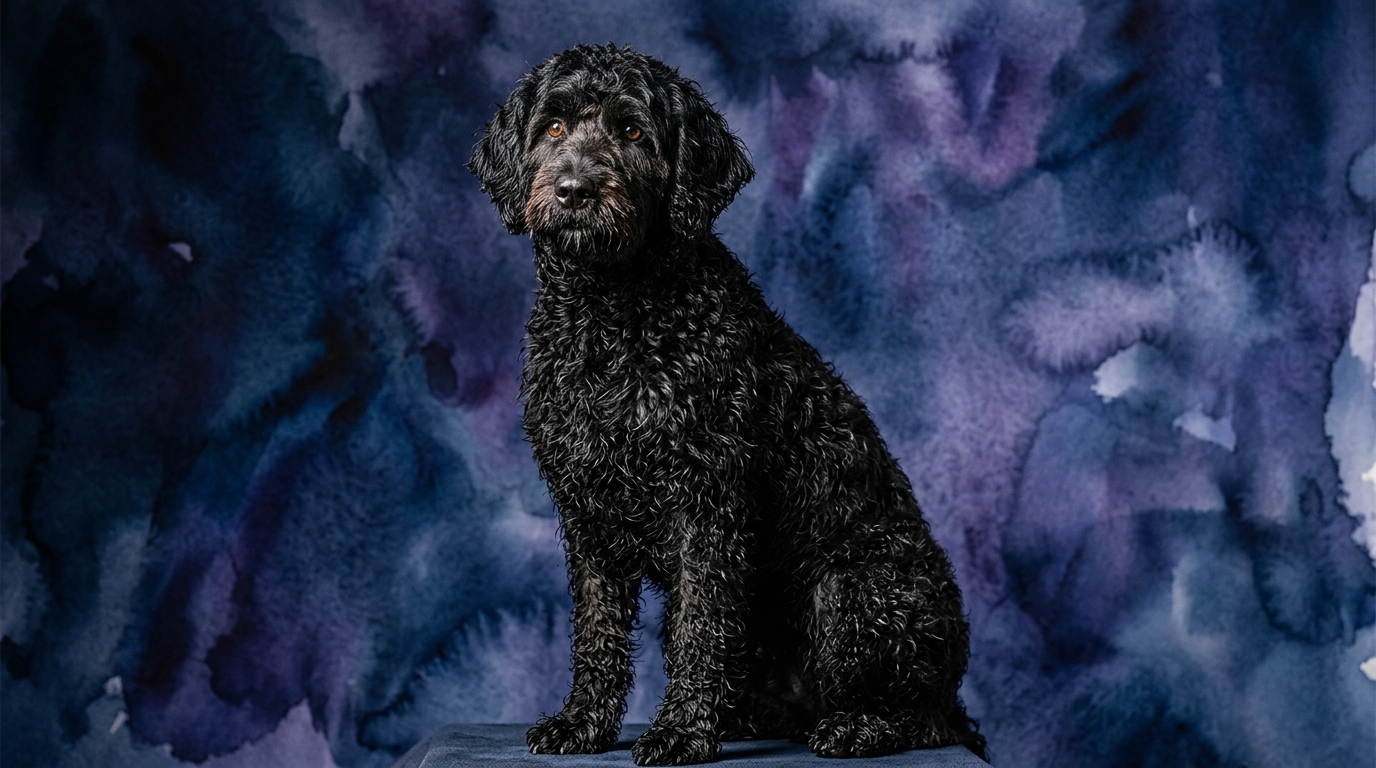
The Cosmic Pet Pet IQ Lab assesses five crucial dimensions of canine cognition, providing a framework to understand how different breeds approach the world. For both the Portuguese Water Dog (PWD) and the Black and Tan Coonhound, each dimension registers a score of 3 out of 5, suggesting a solid, functional level of ability. This identical numerical ranking, however, belies underlying differences in how these capabilities are expressed in their daily lives and historical roles. The Portuguese Water Dog, a historical companion to fishermen, exhibits a practical problem-solving approach, often geared towards tasks involving water, retrieving, and working alongside humans. Their training speed reflects a capacity for learning commands and routines, coupled with a lively personality that requires consistent engagement and clear direction. Social intelligence in PWDs is marked by their attentiveness to human companions, a strong desire for cooperative work, and an ability to read subtle cues from their family. Their instinctive drive leans towards retrieving, active participation in tasks, and a natural affinity for water. Memory for a PWD is typically robust for commands, learned routines, and the locations of objects or family members, aiding their versatile working roles.
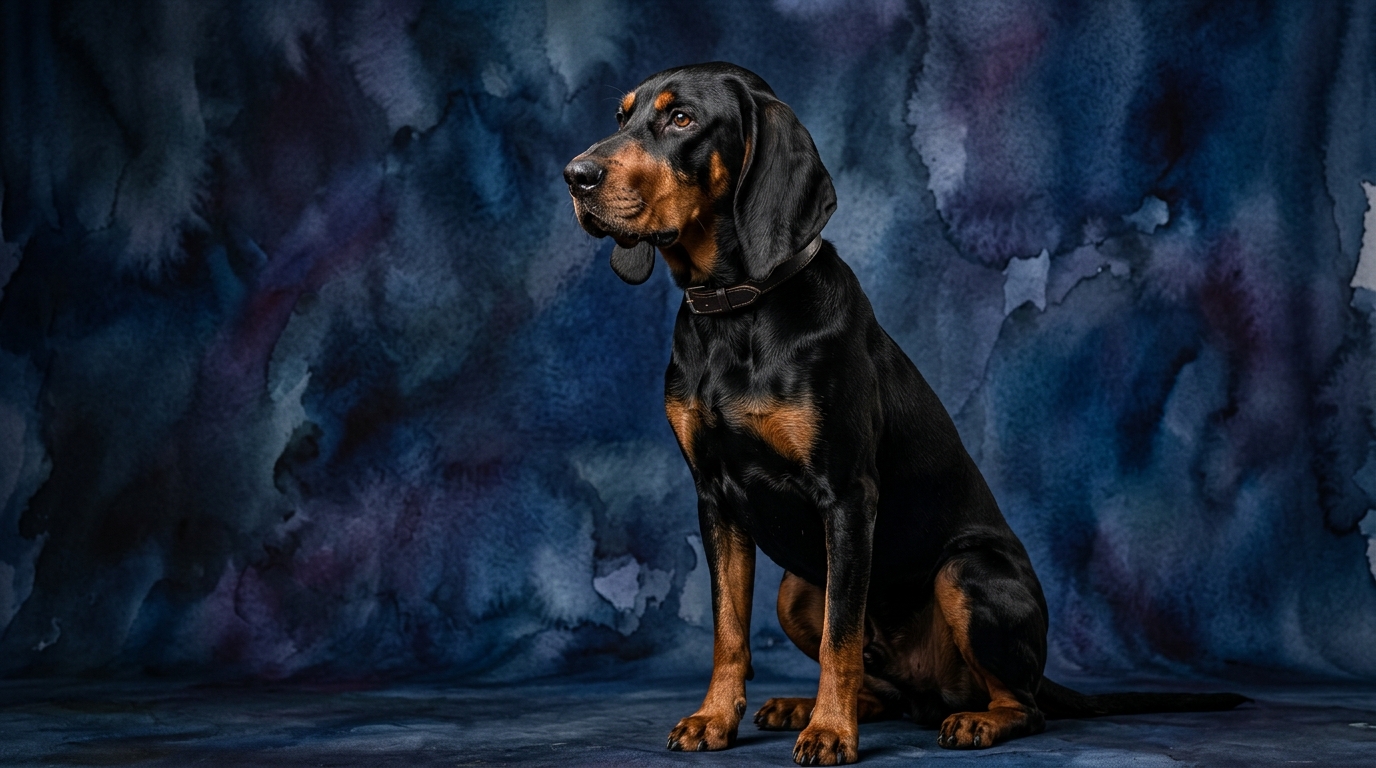
In contrast, the Black and Tan Coonhound, a dedicated scent tracker, interprets these same cognitive scores through a different lens, emphasizing their specialized hunting heritage. Their problem-solving is predominantly focused on deciphering complex scent trails, navigating challenging terrain independently to pursue quarry, and making autonomous decisions based on olfactory information. Training speed for a Coonhound can be influenced by their strong independent streak and a powerful propensity to follow their nose, often requiring exceptional patience and high-value rewards to compete with environmental distractions. Social intelligence is present in their amiable and affectionate nature with their family, though their working focus often shifts to the intricate world of scent when engaged in tracking. Their instinctive drive is overwhelmingly centered on tracking, baying, and the persistent pursuit of a trail, a powerful force guiding their actions. Memory in a Coonhound is particularly adept at recalling scent patterns, mapping out familiar territories, and remembering where interesting smells were found, along with familiar domestic routines.
Where the Portuguese Water Dog Excels Cognitively
Despite sharing identical IQ scores, the Portuguese Water Dog demonstrates particular cognitive strengths rooted in their history as a highly engaged working partner. Their problem-solving at 3/5 is distinctly applied and human-centric; they excel at figuring out how to retrieve a specific object from water, navigate a boat, or perform complex sequences of commands that directly serve a human purpose. This isn't abstract thought, but rather practical, task-oriented ingenuity directly linked to pleasing their human handler and efficiently completing a job. This adaptability makes them adept at learning new sports or complex obedience routines. Their social intelligence, also at 3/5, is often perceived as more outwardly expressive and acutely attuned to human emotional states and intentions. This allows for a deeper, more nuanced partnership, where the PWD can anticipate cues, respond cooperatively, and actively seek interaction, making them highly responsive companions in various activities. Their memory at 3/5 further supports this, enabling them to retain intricate command sequences, multi-step routines, and the specific locations of items or people, which is crucial for a dog expected to perform diverse functions alongside people. The PWD's cognitive strengths lie in their capacity for purposeful collaboration, their versatility in integrating learned behaviors into practical, real-world tasks, and their strong desire to engage with their human family.
Where the Black and Tan Coonhound Excels Cognitively
The Black and Tan Coonhound's cognitive strengths, while numerically similar, are profoundly shaped by their specialized role as an unwavering scent hound. Their 3/5 problem-solving ability manifests as exceptional deductive reasoning in the realm of scent. They are masters at unraveling complex scent puzzles, differentiating between old and fresh trails, and navigating challenging environments to locate quarry, often without direct human instruction or intervention. This independent, self-directed form of problem-solving requires immense focus, persistence, and an incredible ability to process vast amounts of olfactory data. Their instinctive drive, also at 3/5, is a powerful cognitive engine, enabling them to sustain concentration on a scent trail for extended periods, overriding distractions that would deter many other breeds. This drive is not just physical; it's a deep cognitive engagement with their primary purpose, often leading them to make independent decisions based on their nose. Furthermore, their memory at 3/5 is particularly robust for environmental details related to scent, allowing them to recall specific locations where interesting smells were found or to retrace complex paths, essential for effective tracking. The Coonhound's cognitive prowess lies in their unwavering dedication to a singular, highly specialized task and their ability to autonomously process and interpret intricate sensory information with remarkable accuracy and endurance.
Which is Easier to Train and Why
When comparing the ease of training, the Portuguese Water Dog generally presents a more straightforward path for the average owner, despite both breeds sharing a 3/5 training speed score. PWDs possess a foundational desire to work alongside humans and derive satisfaction from completing tasks given by their people. This cooperative spirit means they are often more receptive to cues, maintain focus during training sessions, and are less likely to become singularly engrossed in external stimuli. While they have their own energy and opinions, their social intelligence and inherent drive to collaborate make them eager, if sometimes boisterous, participants in structured learning. Their tendency to form strong bonds with their owners provides a powerful motivator for compliance, making them responsive to positive reinforcement and consistent guidance.
The Black and Tan Coonhound, on the other hand, presents a different training dynamic. Their 3/5 training speed is heavily influenced by their powerful instinctive drive to follow scent. A Coonhound's world is often dominated by their nose, and once a compelling scent is detected, their independent problem-solving kicks in, making them less inclined to break focus for human commands. Training a Coonhound requires exceptional patience, consistency, and a deep understanding of positive reinforcement to compete with the overwhelming allure of a trail. While they are fully capable of learning, their propensity for independent decision-making when "on the job" means owners often face the challenge of managing a dog whose primary motivation is not always human approval, but the primal call of scent. This requires creative training strategies to ensure safety and responsiveness in environments rich with olfactory temptations.
Which Suits Active Owners vs. Relaxed Owners
Understanding the distinct cognitive profiles of the Portuguese Water Dog and the Black and Tan Coonhound is key to matching them with suitable lifestyles. The Portuguese Water Dog, with its 3/5 instinctive drive for working and retrieving, coupled with its strong social intelligence, thrives with active owners who enjoy engaging their dog in diverse activities. PWDs require consistent physical exercise, but equally important is mental stimulation through varied training, dog sports like agility or dock diving, or interactive games that leverage their practical problem-solving and memory. They are true partners for hiking, swimming, and family adventures, and their cooperative nature means they genuinely enjoy participating. A relaxed owner who cannot provide this level of engagement and mental challenge may find a PWD becomes restless, bored, or develops their own 'jobs,' which might not align with household harmony.
The Black and Tan Coonhound, with its equally strong 3/5 instinctive drive for tracking, also demands an active outlet, though of a different, more focused nature. Their activity needs are often more about sustained, deliberate work, like long walks where they can engage their nose for extended periods, or participation in scent work and tracking trials. While they enjoy lounging at home with their family, their cognitive satisfaction comes from fulfilling their deep-seated desire to follow a trail and solve scent puzzles. Owners who are relaxed about highly structured activities but appreciate a dog that can spend hours exploring scents in a secure area or participating in specialized tracking will find a Coonhound rewarding. However, a genuinely relaxed owner who expects a low-maintenance companion might struggle with the Coonhound's profound need for mental engagement through scent and their potential to wander if given the opportunity to follow a compelling trail.
The Verdict
Opt for the Portuguese Water Dog if you seek an active, cooperative partner eager to engage in diverse training and activities, leveraging their practical problem-solving and strong social bond. They thrive with owners who can provide consistent mental and physical stimulation, appreciating a dog that enjoys learning and working alongside them.
Select the Black and Tan Coonhound if you appreciate a dog with immense independent problem-solving skills rooted in scent work and are prepared to accommodate their powerful tracking drive. They are ideal for owners who enjoy long, sniff-filled excursions or specialized scent sports, valuing a dog's autonomous pursuit of a trail.
🧠 Find Your Pet's IQ Score
Our Pet IQ Lab assessment covers 25+ tests across 5 cognitive dimensions — personalized to your breed.
Take the Full IQ Test →Frequently Asked Questions
Do Portuguese Water Dogs need a lot of grooming due to their coat?
Yes, Portuguese Water Dogs have a single, non-shedding coat that requires regular grooming, including brushing and professional clipping every 6-8 weeks, to prevent matting and maintain skin health. This maintenance is essential for their comfort and hygiene, and neglecting it can lead to skin issues.
Are Black and Tan Coonhounds good with children and other pets?
Black and Tan Coonhounds are generally amiable and patient with children, often forming strong bonds within their family. With proper introductions and socialization, they can coexist peacefully with other pets, though their strong prey drive might require careful management around smaller animals like cats or rodents.
Can a Portuguese Water Dog live in an apartment?
While adaptable, a Portuguese Water Dog can live in an apartment only if their significant exercise and mental stimulation needs are consistently met daily. They require frequent walks, active play, and engaging training sessions to prevent boredom and potential destructive behaviors in smaller living spaces.