Side-by-Side IQ Profile: PWD vs. Irish Terrier
The Cosmic Pet Pet IQ Lab assesses canine intelligence across five key dimensions, providing a nuanced understanding beyond simple obedience. For both the Portuguese Water Dog (PWD) and the Irish Terrier, each dimension scores a balanced 3 out of 5, indicating capable and adaptive minds, but the manifestation of these capabilities is distinct.
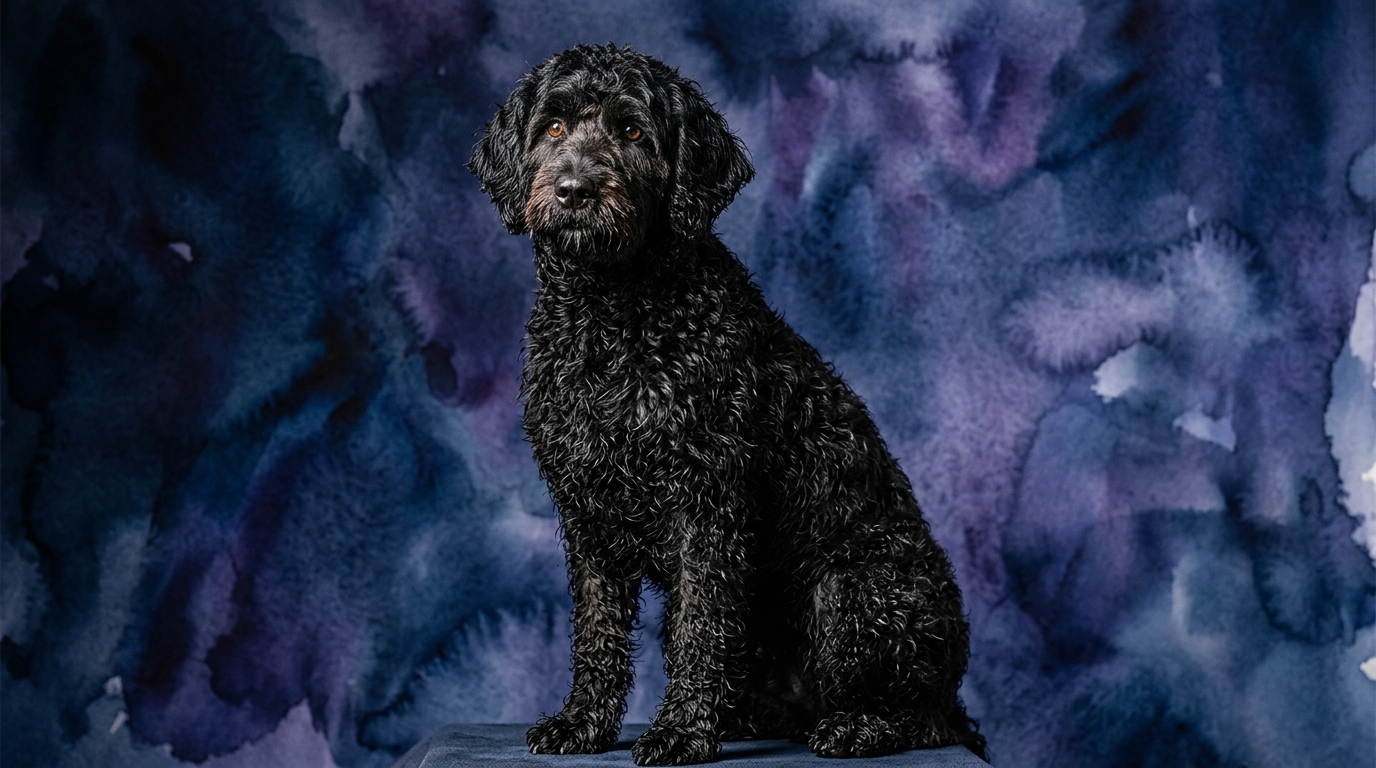
The Portuguese Water Dog, a member of the Working group, exhibits a practical, task-oriented problem-solving approach (3/5), honed by centuries of assisting fishermen. They excel at deciphering how to retrieve objects from water, navigate complex boat environments, or manage fishing nets, often requiring sequential thinking and spatial awareness. Their solutions tend to be collaborative, aimed at achieving a shared goal with their human companions, often involving strategic planning to retrieve objects or navigate complex environments like boat decks. Their Training Speed (3/5) is marked by efficiency; this breed typically learns new commands and routines with enthusiasm and reliability. Their eagerness to please and strong work ethic contribute to a responsive learning curve, particularly when tasks are presented as engaging challenges. They absorb complex sequences and cues, reflecting their historical need to adapt quickly to varying maritime conditions and learn new signals from their handlers. Social Intelligence (3/5) in PWDs means they are deeply attuned to human cues and emotions, a vital trait for their close working relationship with fishermen. They demonstrate an ability to anticipate human actions and respond appropriately, forming strong bonds within their family unit. This social acumen allows them to integrate well into family dynamics, often seeking interaction and participation rather than isolating themselves. Their Instinctive Drive (3/5) is primarily centered around retrieving, swimming, and herding fish. This powerful innate motivation fuels their desire for structured activity and provides a robust foundation for task engagement. Their drive is often channeled into productive, cooperative ventures, making them persistent in their work, whether it’s retrieving a specific buoy or herding fish into nets. Finally, their Memory (3/5) is reliable for learned commands, routines, and specific tasks. They can recall intricate sequences and the location of objects, crucial for repetitive work like retrieving lost gear or navigating familiar waters. This memory capacity supports their ability to perform complex, multi-step activities consistently, remembering the order of tasks or the specific location of tools.
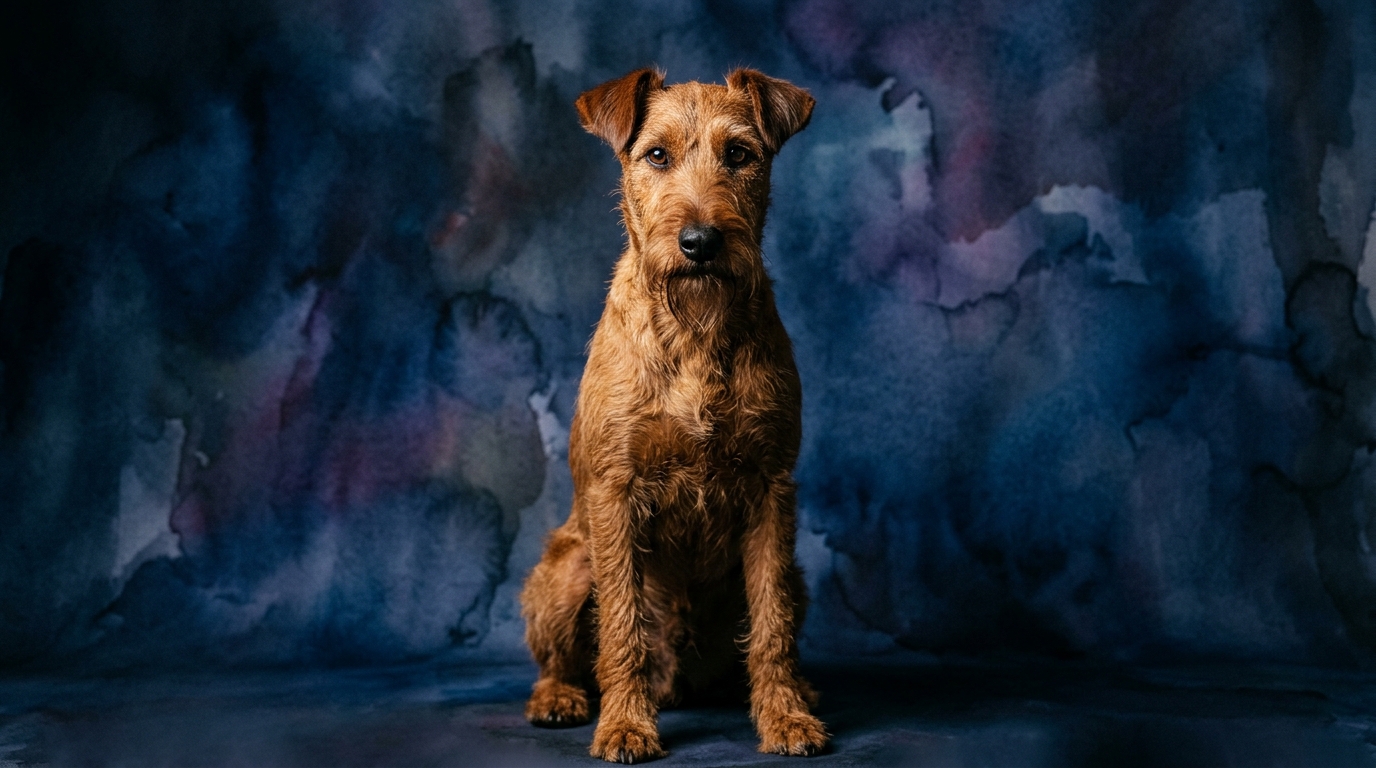
The Irish Terrier, a spirited member of the Terrier group, approaches Problem Solving (3/5) with characteristic independence and tenacity. Their historical role as vermin hunters demanded quick, self-reliant solutions to capture prey in varied, often confined, environments. They excel at figuring out how to access hidden spaces, outwit a nimble target, or escape from a perceived confinement, often relying on their keen senses and determined spirit to achieve their independent objective. While capable, their Training Speed (3/5) is often tempered by their independent nature; they grasp concepts readily but may require more motivation or creative engagement to maintain focus, especially if a task doesn't align with their inherent drives. Their learning is efficient when they perceive value or enjoyment in the activity, but their independence means they might question the 'why' before complying, making consistent motivation key. Their Social Intelligence (3/5) is expressed through a discerning lens; they are astute observers of their environment and can be reserved with strangers, though deeply loyal and affectionate within their chosen family. They understand social hierarchies and boundaries, often testing them with a playful but firm resolve, and forming deep, discerning bonds with their chosen people. The Irish Terrier’s Instinctive Drive (3/5) is powerfully geared towards hunting, chasing, and exploring. This strong prey drive fuels their boundless energy and provides the impetus for their persistent nature. They are driven by the thrill of the chase and the satisfaction of independent discovery, often engaging with their environment with spirited, sometimes mischievous, determination. Their Memory (3/5) is strong for places, routines, and the individuals in their lives. They remember past successes and failures in their problem-solving endeavors, adapting their strategies accordingly. This memory aids their independent exploration and their ability to navigate their territory effectively, recalling where interesting scents or potential 'prey' might be found, and remembering past strategies for success.
Where the Portuguese Water Dog Wins Cognitively
The Portuguese Water Dog's cognitive strengths truly shine in scenarios demanding cooperative effort and sustained focus on human-directed tasks. Their working heritage imbues them with a remarkable capacity for biddability and an intuitive understanding of complex, multi-step commands. While both breeds score 3/5 in Problem Solving, the PWD's solutions are often geared towards collaborative ventures, such as retrieving a specific item on command, learning a complex scent discrimination task, or navigating an agility course with precision and speed under human direction. Their social intelligence, also rated 3/5, manifests as a deeper desire to work *with* their owner, making them exceptionally responsive to subtle cues and environmental shifts that impact shared objectives. This translates to a cognitive advantage in activities requiring consistent, reliable performance under instruction, where their memory for sequences and their strong cooperative drive coalesce into seamless, fluid execution of tasks designed by their human partners.
Where the Irish Terrier Wins Cognitively
The Irish Terrier, conversely, demonstrates cognitive superiority in situations demanding independent thought, quick decision-making, and tenacious self-reliance. Their 3/5 Problem Solving score is expressed through an astute ability to assess and conquer challenges on their own terms, such as figuring out how to outmaneuver a squirrel in a complex garden, locate a hidden toy without direct human guidance, or even cleverly escape a perceived confinement. This stems from their historical role as solo hunters, where initiative and independent strategy were paramount for survival. Their instinctive drive, also 3/5, fuels a relentless pursuit of their own objectives, giving them an edge in tasks requiring sustained, self-motivated effort, even in the face of obstacles, often demonstrating remarkable tenacity until their goal is achieved. While their memory is also 3/5, it particularly excels in recalling spatial layouts, effective hunting strategies, and the locations of interesting scents, making them adept at navigating complex outdoor environments and remembering where opportunities for independent discovery might lie.
Which is Easier to Train and Why
When considering ease of training, the Portuguese Water Dog generally presents a more straightforward experience for the average owner. Their 3/5 Training Speed is amplified by a strong desire to please and a natural inclination towards partnership, stemming from centuries of working alongside humans in a cooperative capacity. They are typically more receptive to positive reinforcement methods and will often repeat desired behaviors with enthusiasm, eager for the next instruction and the opportunity to engage with their owner. Their 3/5 Social Intelligence is expressed as a keen awareness of human expectations and a readiness to comply, making them highly biddable and responsive to varied training approaches. This inherent biddability often translates into a quicker, more consistent training response.
In contrast, while the Irish Terrier also scores 3/5 in Training Speed, their inherent independence and robust 3/5 Instinctive Drive for self-directed activity can make training more of a nuanced negotiation. They grasp concepts readily but may choose to apply their knowledge selectively, especially if a command conflicts with a more appealing 'terrier project' like chasing a captivating scent or investigating a rustle in the bushes. Their social intelligence, while strong, doesn't always translate into automatic compliance; it requires a trainer to be particularly engaging, consistent, and creative to maintain their focus and cooperation, often needing to convince the terrier that the task is worthwhile from their perspective. Therefore, the PWD's cooperative spirit often leads to a smoother, faster training journey for most owners seeking a consistently obedient companion, whereas the Irish Terrier demands a more patient, persuasive, and understanding approach to harness their independent spirit.
Which Suits Active Owners vs. Relaxed Owners
Both the Portuguese Water Dog and the Irish Terrier are breeds that thrive with active engagement, making them less suitable for genuinely relaxed, sedentary owners. The PWD, with its 3/5 Instinctive Drive for water work and retrieving, requires substantial physical exercise and consistent mental stimulation that often involves structured tasks. Owners who enjoy activities like hiking, swimming, competitive dog sports such as agility or obedience, or even simply long, interactive walks with training elements will find a willing and enthusiastic partner. Their cognitive capabilities, particularly their problem-solving and memory, need regular outlets through advanced training, puzzle toys, and engaging activities to prevent boredom and channel their working drive constructively.
The Irish Terrier, with its equally potent 3/5 Instinctive Drive for hunting and exploration, also demands significant activity, though often with a more independent flair. Their energy is frequently expressed through bursts of speed, chasing, digging, and patrolling, requiring owners who can provide secure spaces for spirited play and regular opportunities for adventure, such as trail walks or earthdog trials. While both breeds are energetic, the PWD's activity needs often lean towards structured, cooperative tasks and water-based fun, thriving on a job to do with their human. The Irish Terrier's gravitate towards more independent, exploratory pursuits and 'terrier games' that satisfy their innate drive to investigate and hunt. Neither breed is content to be a couch potato; both need robust outlets for their physical vigor and keen minds, making them ideal for owners committed to an active, engaged lifestyle.
The Verdict
For those seeking a highly cooperative and biddable companion eager to engage in structured activities, the Portuguese Water Dog is an excellent choice. They thrive with owners who appreciate a dog that is deeply attuned to human direction and excels in tasks requiring precision, sustained focus, and a collaborative spirit, making them ideal for dog sports, advanced obedience, or as an active family member who enjoys working alongside their human.
Opt for the Irish Terrier if you admire a spirited, independent companion with a tenacious problem-solving approach and a bold zest for life. This breed suits owners who can appreciate a dog's self-reliance and quick wit, providing ample opportunities for independent exploration, engaging chase games, and consistent, firm yet fair training that respects their terrier drive.
🧠 Find Your Pet's IQ Score
Our Pet IQ Lab assessment covers 25+ tests across 5 cognitive dimensions — personalized to your breed.
Take the Full IQ Test →Frequently Asked Questions
Are Portuguese Water Dogs good with children?
Portuguese Water Dogs generally form strong bonds with family members, including children, thanks to their social intelligence. They are often playful and tolerant, but their energy means supervision is always recommended to ensure appropriate interactions and prevent accidental rough play.
Do Irish Terriers get along with other pets?
Irish Terriers, with their strong instinctive drive, can be challenging with other small, prey-like pets. While they can coexist with other dogs, especially when socialized early, their independent nature and territorial tendencies require careful management and supervision to ensure harmony.
What kind of mental stimulation do these breeds need?
Both breeds require significant mental stimulation, though its form differs. PWDs thrive on complex training, puzzle toys, and structured dog sports that involve cooperative problem-solving. Irish Terriers benefit from independent problem-solving games, scent work, and opportunities for exploration and 'hunting' simulation.