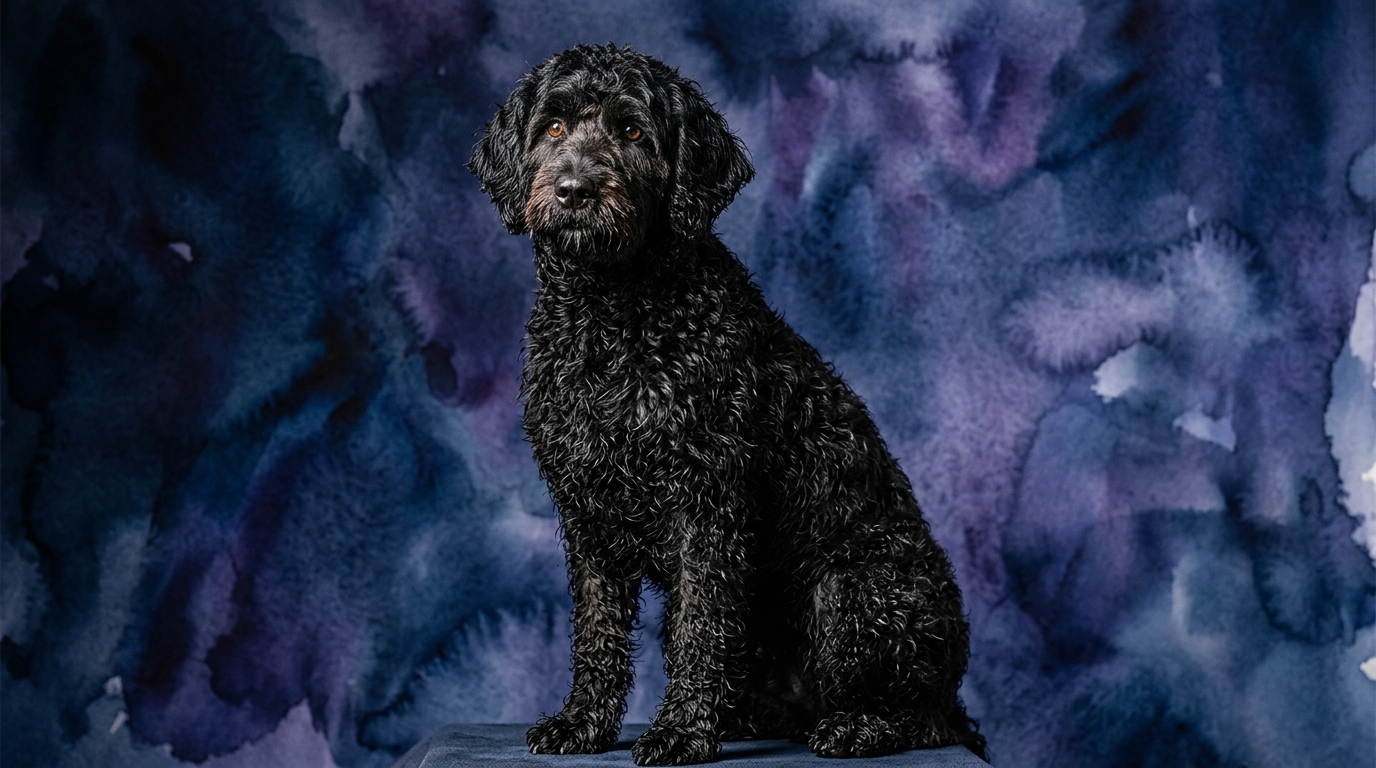
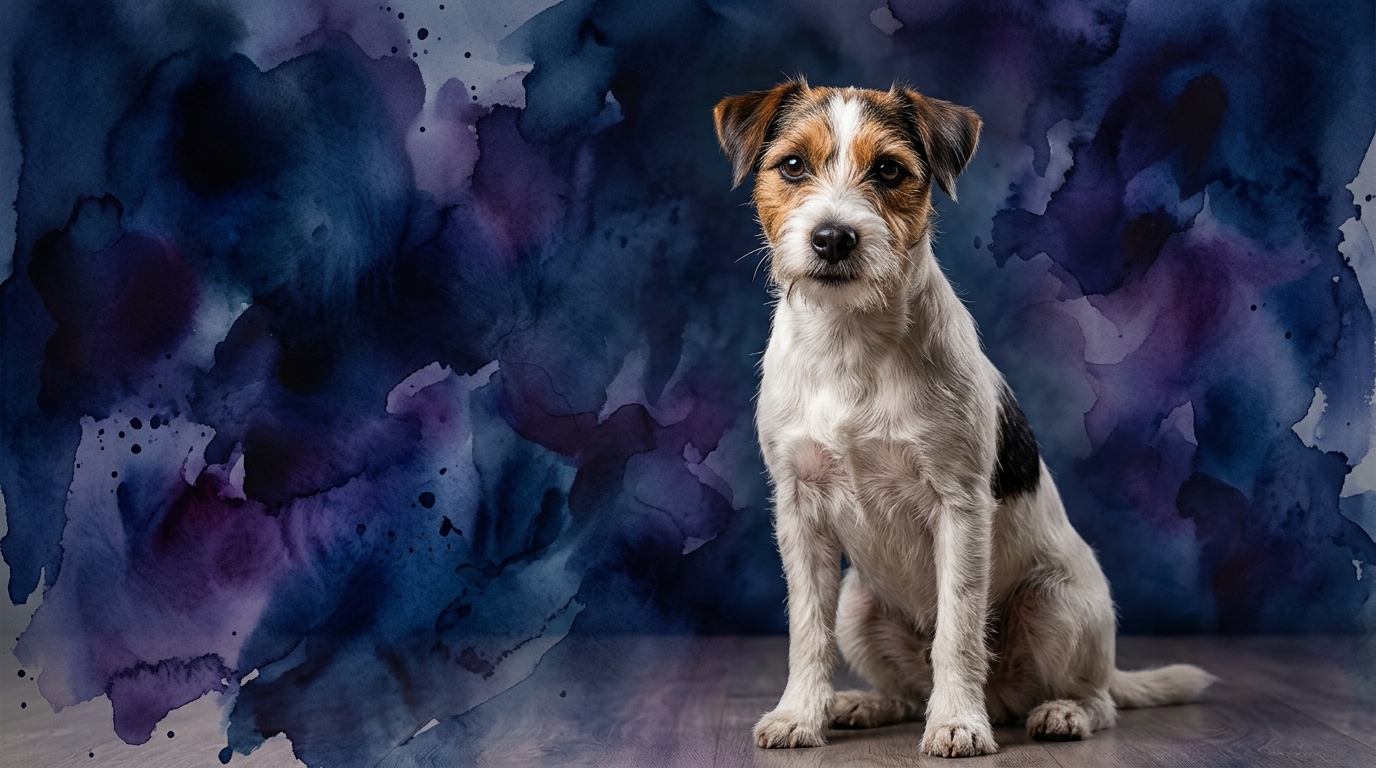
Side-by-Side IQ Profile: PWD vs. PRT
At The Cosmic Pet Pet IQ Lab, we assess canine intelligence across five key dimensions. Interestingly, both the Portuguese Water Dog and the Parson Russell Terrier achieve a consistent score of 3 out of 5 in each category, suggesting a similar overall cognitive capacity. However, the *application* and *manifestation* of this intelligence are where their distinct breed histories truly shine through.
For the **Portuguese Water Dog (PWD)**, their scores reflect a heritage of collaborative work:
**Problem Solving (3/5)**: The PWD exhibits a practical, goal-oriented problem-solving ability, often focused on tasks involving retrieval or navigation, especially in aquatic environments. They can figure out how to manipulate objects to achieve a desired outcome, such as opening a simple latch or retrieving a specific item from a complex setup, demonstrating a functional rather than abstract intellect.
**Training Speed (3/5)**: PWDs generally learn new commands and routines at a steady pace, benefiting from consistent, positive reinforcement. Their eagerness to engage and their historical role as working partners make them receptive students, though they require clear communication and patient repetition to solidify new behaviors.
**Social Intelligence (3/5)**: These dogs possess a strong capacity for understanding human cues and intentions, often forming deep, empathetic bonds with their family members. They are adept at reading social situations within their household, responding to emotional states, and seeking interaction, which stems from their collaborative working history.
**Instinctive Drive (3/5)**: The PWD's instinctive drives are primarily centered around their heritage of water work, including retrieving, swimming, and a moderate herding instinct. This drive is robust enough to motivate them for complex tasks but is generally manageable and can be channeled effectively into canine sports or structured activities.
**Memory (3/5)**: PWDs demonstrate a reliable memory for learned commands, established routines, and the locations of favored objects or people. They can retain complex sequences of actions and apply past learning to similar future scenarios, showcasing a practical recall important for their working roles.
Turning to the **Parson Russell Terrier (PRT)**, their identical scores are interpreted through the lens of a tenacious, independent hunter:
**Problem Solving (3/5)**: The PRT's problem-solving often manifests as independent resourcefulness, particularly when pursuing a scent or navigating obstacles in their environment. They excel at figuring out how to access tight spaces, bypass barriers, or persist in a task without constant human direction, reflecting their "go-to-ground" hunting heritage.
**Training Speed (3/5)**: PRTs can learn commands at a moderate rate, but their independent streak and strong innate drives mean they often require highly motivating rewards and a patient, firm handler. They are quick to grasp concepts but might weigh compliance against their own immediate interests, making consistency and engaging methods crucial.
**Social Intelligence (3/5)**: While affectionate with their families, PRTs typically display a more independent form of social intelligence, often expressing their needs and boundaries assertively. They understand household dynamics and human emotions but might respond with spirited self-determination rather than immediate deference, characteristic of a breed bred to work independently.
**Instinctive Drive (3/5)**: The PRT is driven by intense instincts for hunting, digging, and chasing, born from their fox and badger hunting origins. This drive is powerful and persistent, requiring significant physical and mental outlets to prevent it from being misdirected, making structured activities like earthdog trials or agility highly beneficial.
**Memory (3/5)**: PRTs possess a good memory for established routines, learned commands, and, notably, for the locations of interesting scents or potential prey. Their recall is often tied to their strong drives, remembering past successes in hunting or exploration, which can make them persistent in repeating desired behaviors.
Where the Portuguese Water Dog Wins Cognitively
While both breeds score identically across our IQ dimensions, the Portuguese Water Dog often presents a cognitive advantage in collaborative problem-solving and sustained focus on handler-directed tasks. Their history as a fisherman's assistant instilled a strong desire to work *with* humans, leading to a more inherent willingness to follow complex multi-step instructions and adapt their behavior based on nuanced human feedback. For instance, a PWD might more readily learn a sequence of retrieves, distinguishing between different objects or locations based on verbal cues, demonstrating a superior capacity for understanding and executing cooperative tasks. This collaborative drive also means they are often more attuned to preventing issues that might displease their owner, rather than simply pursuing their own independent goals.
Their social intelligence, while rated 3/5, often manifests as a more eager engagement with human directives. This means they are typically more responsive to subtle changes in tone or body language, making them adept at anticipating their owner's next move in a training session or a game. This attunement fosters a smoother learning curve for intricate tasks that require continuous feedback from their human partner.
Where the Parson Russell Terrier Wins Cognitively
Conversely, the Parson Russell Terrier often demonstrates a cognitive edge in independent problem-solving and sheer tenacity, particularly when faced with a self-appointed task. Their terrier heritage demands a dog capable of making quick decisions and persisting without human intervention, often underground. A PRT might more effectively strategize how to access a perceived 'prey' item, such as a ball rolled under furniture, employing various methods like digging, nudging, or barking until successful, showcasing a formidable resourcefulness born of necessity. This independent streak translates into a greater capacity for self-directed learning in certain contexts, where they might observe and adapt solutions to environmental puzzles on their own accord, rather than waiting for a human directive.
Their instinctive drive, also rated 3/5, is channeled into an unwavering focus on a chosen objective, especially if it involves scent or movement. This single-minded determination, while potentially challenging for owners, is a cognitive strength for tasks requiring intense, prolonged focus on a specific, often self-initiated, goal. They don't give up easily, which makes them formidable in pursuits that tap into their natural instincts.
Which Is Easier to Train and Why?
When it comes to ease of training, the Portuguese Water Dog typically presents a smoother experience for the average owner. Their inherent desire to partner with humans means they are generally more eager to please and more receptive to learning new commands and routines. They often thrive on positive reinforcement and consistent methods, quickly forming associations between actions and rewards, and are less likely to become distracted by environmental stimuli if their handler maintains engagement. Their social intelligence facilitates a quicker understanding of what is expected, making them responsive to cues.
The Parson Russell Terrier, while certainly capable of learning, often requires a more experienced and patient trainer. Their strong independent streak and powerful instinctive drives mean they can be more challenging to motivate when their own agenda conflicts with the training task. A PRT might understand a command but choose to ignore it if a more enticing scent or a perceived 'hunt' presents itself. Training a PRT demands creativity, high-value rewards, and an ability to channel their tenacity and prey drive into productive outlets, making consistency and firm, fair leadership paramount to overcome their self-directed nature.
Which Suits Active Owners vs. Relaxed Owners?
Both breeds are active, but their energy manifests differently, making them suitable for distinct types of active owners. The Portuguese Water Dog thrives with owners who enjoy structured activities, water sports, agility, or long, varied hikes. Their energy is often channeled into purposeful work or play alongside their human, making them excellent companions for dog sports or active family adventures where they can learn and engage collaboratively. Their need for mental engagement is often met through problem-solving tasks presented by their owner.
The Parson Russell Terrier requires an owner who understands and can manage intense, often independent, bursts of energy and a strong prey drive. They need ample opportunities for vigorous exercise, mental stimulation, and outlets for their digging and chasing instincts, such as earthdog trials, extensive off-leash exploration in secure areas, or fast-paced games. They are less suited for truly 'relaxed' owners, as their pent-up energy, if not properly managed, can lead to destructive behaviors. While they can relax indoors, their baseline need for physical and mental engagement is high and often self-directed, demanding an owner who can consistently provide appropriate outlets for their robust drives.
The Verdict
Choose a Portuguese Water Dog if you seek a collaborative, engaged canine partner for active pursuits and enjoy a dog that thrives on working closely with you.
Opt for a Parson Russell Terrier if you are an experienced, highly active owner who appreciates an independent, tenacious, and incredibly driven companion capable of self-directed problem-solving.
🧠 Find Your Pet's IQ Score
Our Pet IQ Lab assessment covers 25+ tests across 5 cognitive dimensions — personalized to your breed.
Take the Full IQ Test →Frequently Asked Questions
Do Portuguese Water Dogs make good family pets?
Yes, PWDs generally make devoted family pets, known for their affectionate nature and ability to bond deeply with all family members. They thrive on interaction and can be good with respectful children, provided they receive sufficient physical and mental stimulation and consistent training to manage their energy.
Are Parson Russell Terriers good with other pets?
Parson Russell Terriers can co-exist with other pets, especially if socialized from a young age, but their strong prey drive means careful introductions and supervision are often necessary, particularly with smaller animals like cats or rodents. Their independent nature might make them less inclined to share attention with other dogs and they require a clear hierarchy.
Which breed is better for apartment living?
Neither breed is ideally suited for small apartment living without significant commitment from their owners. If forced to choose, a PWD *might* adapt slightly better if their extensive exercise needs, including swimming and long walks, are met daily, whereas a PRT's intense energy and digging instincts can be more challenging to manage in confined spaces without a yard.