Side-by-Side IQ Profile: PWD vs. SCWT
The Cosmic Pet Pet IQ Lab provides a nuanced framework for understanding canine cognition across five crucial dimensions. For both the Portuguese Water Dog and the Soft Coated Wheaten Terrier, all five dimensions register a score of 3 out of 5, indicating a solid, mid-range cognitive capacity. However, the expression of these identical scores varies significantly between these two distinct breeds.
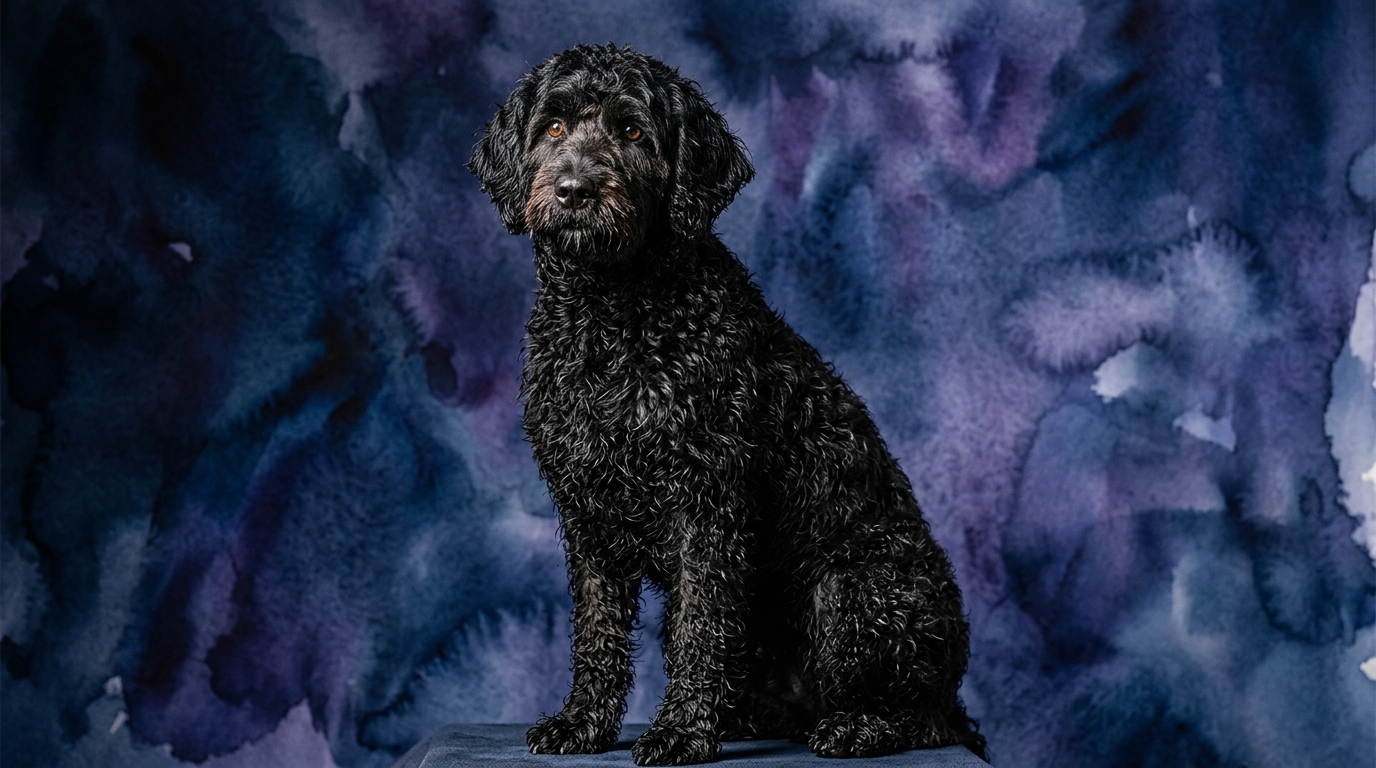
**Portuguese Water Dog (PWD)**
**Problem Solving (3/5):** The PWD demonstrates a practical aptitude for problem-solving, particularly when tasks involve water, retrieval, or navigating physical obstacles. They can methodically figure out how to retrieve a floating toy from a complex environment or unlatch a simple gate if highly motivated. Their solutions often involve physical manipulation and persistent effort directed towards a clear goal.
**Training Speed (3/5):** PWDs learn new commands and routines at a steady, consistent pace. They possess a willingness to engage with their handler and a desire to perform tasks, which significantly aids in their learning process. Repetition and positive reinforcement yield reliable progress, but they aren't instant learners; understanding typically takes a moderate number of repetitions.
**Social Intelligence (3/5):** PWDs exhibit a solid understanding of social cues, both human and canine. They can read body language and vocalizations, often adjusting their behavior to suit the mood of their family members. Their social intelligence supports their historical role as working companions, fostering cooperative and responsive relationships.
**Instinctive Drive (3/5):** A moderate instinctive drive in PWDs is primarily directed towards their working heritage. This includes a strong inclination for retrieving, swimming, and herding behaviors, often expressed through chasing objects or circling family members. This drive is manageable but requires appropriate outlets to keep them fulfilled.
**Memory (3/5):** PWDs possess a good memory for commands, established routines, and the locations of objects or people. They can recall complex sequences of actions and remember specific training cues over long periods, making them reliable partners once a behavior is thoroughly established.
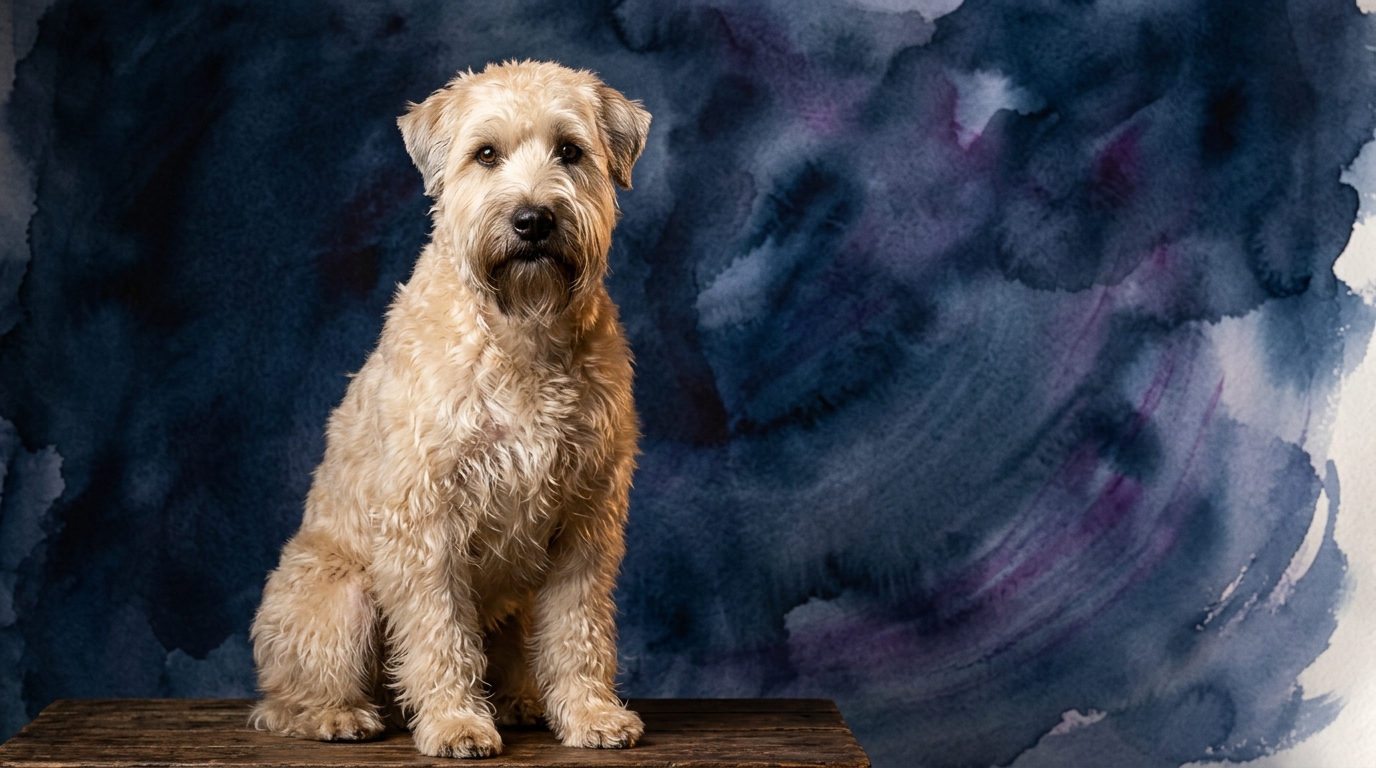
**Soft Coated Wheaten Terrier (SCWT)**
**Problem Solving (3/5):** The SCWT approaches problem-solving with characteristic terrier tenacity and independence. They are adept at figuring out how to access desired items or escape enclosures, often using their paws and mouths with surprising ingenuity. Their solutions might be less about cooperation and more about self-directed exploration and persistent effort.
**Training Speed (3/5):** SCWTs learn new behaviors at a moderate rate, similar to the PWD. However, their terrier independence means training often requires more creative motivation and unwavering consistency from the handler. They can pick up commands quickly but might decide whether or not to comply based on their immediate interest or perceived reward.
**Social Intelligence (3/5):** SCWTs display a warm and expressive social intelligence, often described as exuberant “wheaten greetings” involving enthusiastic jumping and licking. They are attuned to family dynamics and human emotions, often seeking to engage and be part of the action. Their social understanding helps them integrate well into family life, though sometimes with very spirited displays.
**Instinctive Drive (3/5):** The SCWT’s moderate instinctive drive is rooted in its terrier lineage. This manifests as an inclination for digging, chasing small prey (or toys mimicking prey), and an independent, watchful nature. While not as intense as some working breeds, this drive requires outlets to prevent boredom and undesirable behaviors.
**Memory (3/5):** SCWTs have a good memory for established routines, favorite people, and places. They can remember specific commands and learned behaviors, especially those associated with positive experiences. Their recall is reliable, though their independent streak might occasionally override immediate compliance if something more engaging captures their attention.
Where the Portuguese Water Dog Wins Cognitively
The Portuguese Water Dog's cognitive strengths distinctly emerge in contexts demanding cooperative effort and precise task execution. Their historical role as working companions has refined their cognitive architecture to prioritize partnership. While both breeds score 3/5 in Training Speed, the PWD's intrinsic desire to work *with* a human provides a marked advantage in structured training environments, allowing for smoother progression through complex multi-step commands and sequences. This means they are often quicker to pick up on the *intent* behind a command and are more likely to offer sustained focus during learning. Their Problem Solving, also rated 3/5, frequently manifests in practical applications related to navigating physical environments, retrieving objects from challenging locations, or figuring out how to achieve a goal in collaboration with their handler. This makes them exceptional partners for activities like competitive obedience, agility, or dock diving, where a synchronized team effort is paramount. Furthermore, their Social Intelligence (3/5) is finely tuned to effective communication within a working pair, making them highly responsive to subtle body language and verbal cues from their handler during dynamic tasks.
Where the Soft Coated Wheaten Terrier Wins Cognitively
The Soft Coated Wheaten Terrier's cognitive advantages often shine brightest in their independent resourcefulness and their profound ability to connect within a family unit. Their 3/5 in Problem Solving, while numerically matching the PWD, translates into a distinct terrier ingenuity: they are adept at creatively navigating the domestic landscape, figuring out how to open cabinets, access forbidden treats, or overcome household obstacles with surprising determination. This self-directed cognitive flexibility is a hallmark of their breed. Their Social Intelligence (3/5) is expressed through a remarkably engaging and affectionate nature, making them exceptionally skilled at forming strong emotional bonds and seamlessly integrating into family life as cherished, expressive companions. While PWDs are cooperative, Wheatens excel at conveying their unique personality and navigating social interactions with a charming, often exuberant, warmth. They are masters at reading family dynamics and inserting themselves into the heart of the home. Their memory, also 3/5, contributes significantly to their consistent recall of family routines, preferred interactions, and the subtle cues of their beloved humans, reinforcing their role as a deeply connected and cherished family member rather than solely a working partner.
Which is Easier to Train and Why
When evaluating ease of training, the identical 3/5 Training Speed scores reveal fascinating qualitative differences, often making the Portuguese Water Dog a slightly more straightforward choice for many owners. PWDs possess a strong intrinsic motivation to please their handlers and engage in purposeful activity, a deeply ingrained remnant of their working past. This means they often approach training sessions with an eager, cooperative attitude, making them generally more receptive to direction and less prone to independent diversions during learning. Their focus is typically on the task at hand and the interactive process with their human, valuing the partnership. In contrast, the Soft Coated Wheaten Terrier, while equally capable of learning and retaining information, brings a characteristic terrier independence and spirited will to the training arena. Their Problem Solving (3/5) can manifest as creative ways to “test” boundaries or find more immediately rewarding alternatives to a requested command, sometimes making a game out of the training session itself. Training a Wheaten often requires more creative motivation, unwavering consistency, and highly engaging, positive reinforcement methods to capture and maintain their attention, overcoming their occasional “what's in it for me?” attitude. While both breeds learn at a moderate pace, the PWD's natural inclination towards collaborative partnership often makes the *process* of training feel smoother and more predictable for a novice handler, requiring less constant redirection and inventive engagement than a spirited Wheaten.
Which Suits Active Owners vs. Relaxed Owners
For owners seeking a highly active partner, the Portuguese Water Dog aligns well with their lifestyle. The PWD’s moderate Instinctive Drive (3/5) is geared towards sustained physical activity, particularly those involving water, retrieving, and varied terrain. They thrive on having a “job” to do, whether it's accompanying owners on long hikes, participating in dog sports like agility or obedience, or swimming regularly. Their Problem Solving and Memory (both 3/5) are well-suited to learning and executing complex physical tasks, making them excellent companions for adventurous individuals who enjoy structured activities and outdoor exploration. They need consistent mental and physical stimulation to prevent boredom and channel their working energy constructively.
The Soft Coated Wheaten Terrier, while active and playful, might be better suited for owners who enjoy a moderate level of activity but also appreciate a dog that can transition easily into a relaxed family setting. Their Instinctive Drive (3/5) is present but often satisfies with daily walks, engaging play sessions, and opportunities for independent exploration in a secure yard. While they enjoy activity, their independent nature means they might not always seek out intense, structured “work” in the same way a PWD does. Owners who appreciate a dog with a charming, sometimes mischievous, personality that is deeply integrated into family life, and who can offer consistent engagement without needing a demanding “working” partner, will find the Wheaten a delightful fit. They are active companions who also relish snuggles on the couch.
The Verdict
Opt for the Portuguese Water Dog if you seek a cooperative, task-oriented companion for structured activities, water sports, and a strong partnership in training. Their working drive and engagement with humans make them ideal for active individuals ready to provide consistent mental and physical challenges.
Select the Soft Coated Wheaten Terrier if you desire an affectionate, charmingly independent dog that excels at integrating into family life with moderate activity needs and a playful, resourceful spirit. They thrive with owners who appreciate their unique personality and can provide consistent, engaging companionship.
🧠 Find Your Pet's IQ Score
Our Pet IQ Lab assessment covers 25+ tests across 5 cognitive dimensions — personalized to your breed.
Take the Full IQ Test →Frequently Asked Questions
Do Portuguese Water Dogs bark a lot?
PWDs can be vocal, using barks to alert or express excitement, especially when engaging in their natural retrieving or herding instincts. Consistent training and providing appropriate outlets for their energy can help manage excessive barking by redirecting their vocalizations.
Are Soft Coated Wheaten Terriers good with children?
SCWTs are generally good with children, known for their playful and affectionate nature, often forming strong bonds. However, their enthusiastic “wheaten greetings” can be boisterous, so supervision with very young children is always recommended to ensure gentle interactions and prevent accidental knocks.
Which breed is more prone to separation anxiety?
Both breeds are social and can develop separation anxiety if not properly trained or if left alone for extended periods without adequate mental and physical stimulation. PWDs, due to their strong bond and desire to work with their handler, and Wheatens, due to their deep family attachment, both benefit from early training to foster independence and comfort when alone.