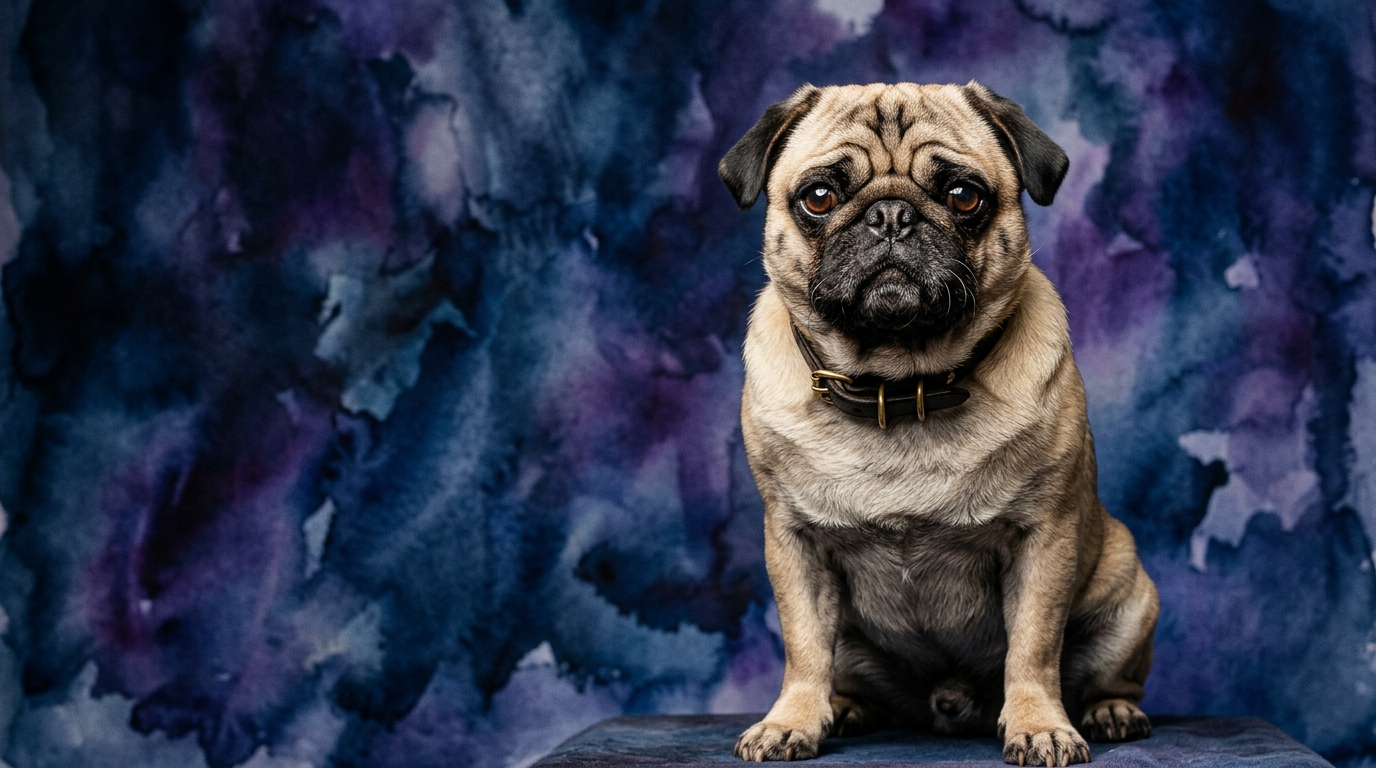
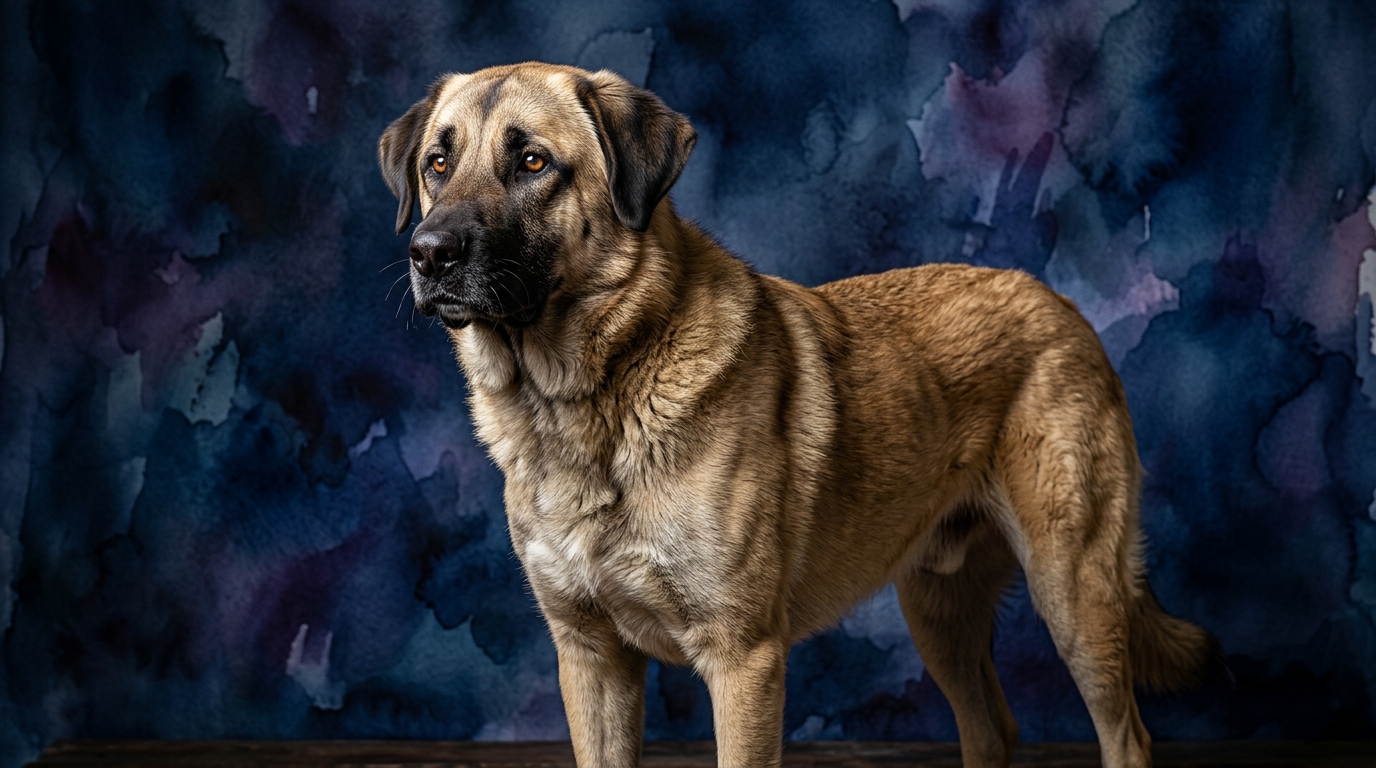
Side-by-Side IQ Profile: A Tale of Two Canines
The Pug, a charming Toy breed ranked #57 by Stanley Coren, presents a cognitive profile geared towards companionship. Their Problem Solving is rated 2/5, indicating they typically rely on human guidance rather than initiating complex solutions independently. Training Speed, also 2/5, suggests they require patient and consistent methods to grasp new commands, often motivated by the desire for human attention. Their Social Intelligence truly shines at 5/5, reflecting an exceptional ability to read and respond to human emotions and social cues. Instinctive Drive is low at 2/5, meaning minimal predatory or guarding behaviors, while Memory stands at 3/5, sufficient for routines and familiar commands.
In stark contrast, the Anatolian Shepherd Dog, a Working breed not Coren-ranked, possesses a cognitive framework built for guardianship. Their Problem Solving is rated 3/5, demonstrating an aptitude for independent thought and adaptive strategies in practical, real-world scenarios. Training Speed is 3/5, signifying they can learn effectively but often require a clear purpose or strong leadership to engage. Social Intelligence is 3/5; they are observant and form strong bonds, but their expression of connection is often more reserved and tied to their protective role. Instinctive Drive is a solid 3/5, underscoring their inherent protective and territorial behaviors. Their Memory is also 3/5, crucial for retaining knowledge of their domain, family, and potential threats.
Where the Pug Wins Cognitively
The Pug's preeminent cognitive strength lies in its unparalleled Social Intelligence, scoring a perfect 5/5. This isn't merely being friendly; it's a sophisticated capacity to perceive, interpret, and respond to human emotions and social dynamics. Pugs are masters of emotional connection, often mirroring their owners' moods and providing intuitive comfort, making them exceptional emotional support animals and deeply empathetic companions.
Furthermore, their lower Instinctive Drive (2/5) coupled with high social acuity enables them to integrate seamlessly into a human-centric domestic environment. They excel at forming strong, reciprocal bonds, finding their primary mental stimulation and purpose in interactions with their family. This makes them highly adaptable to a relaxed, indoor lifestyle where their cognitive focus is on companionship and emotional reciprocation.
Where the Anatolian Shepherd Dog Wins Cognitively
The Anatolian Shepherd Dog's cognitive edge is rooted in its independent Problem Solving (3/5) within its guardian role. Unlike breeds focused on obedience to complex commands, their problem-solving involves assessing real-world threats, making judgment calls on territory, and protecting livestock or family without constant human direction. This self-reliance and strategic thinking in practical situations highlight a distinct and valuable form of canine cognition.
Their robust Instinctive Drive (3/5) isn't just a behavior; it's a cognitive framework that prioritizes vigilance, territorial awareness, and strategic responses to perceived threats. This breed possesses an innate, purposeful cognition deeply tied to environmental awareness, constantly processing information related to their domain. They exhibit a broad, continuous vigilance, making them highly effective and self-sufficient protectors.
Which is Easier to Train and Why
When considering ease of training, the Pug's profile presents an interesting dynamic. While their Training Speed is rated 2/5, suggesting they might be slow to pick up commands, their exceptional Social Intelligence (5/5) means they are profoundly motivated by human approval and connection. Training a Pug is most effective with positive reinforcement, play, and making it a shared, enjoyable activity; their desire to please their people can overcome initial slowness, making them receptive to gentle, consistent methods for basic obedience and house manners.
The Anatolian Shepherd Dog, with a moderate Training Speed (3/5) and strong Instinctive Drive (3/5), requires a different approach. They are not inherently "easy" to train in the traditional sense of eager compliance, often needing a clear "why" and a confident, consistent leader. Their training demands firm but fair methods, understanding their guardian nature, and channeling their protective instincts appropriately. Early socialization and consistent boundary setting are paramount to develop a well-adjusted dog, as their primary motivation isn't always human approval but a sense of purpose and role fulfillment.
Which Suits Active Owners vs. Relaxed Owners
For relaxed owners, the Pug is an ideal match. Their cognitive profile, marked by high social intelligence and lower instinctive drives, means they thrive on close companionship and emotional connection rather than strenuous physical activity or complex mental tasks. A relaxed owner who values cuddles, gentle strolls, and a constant, affectionate presence will find a Pug's cognitive and physical needs align perfectly, with their mental stimulation primarily coming from interacting with their human family.
The Anatolian Shepherd Dog, conversely, is best suited for experienced, active owners who understand the demands of a working guardian breed. Their moderate problem-solving, strong instinctive drive, and need for purpose require an owner committed to providing a clear role, extensive outdoor space, and consistent training. They need activities that engage their inherent protective instincts and allow for independent decision-making within boundaries, as their cognitive framework is geared towards vigilance and protection, demanding an environment where these traits can be safely expressed.
The Verdict
Choose a Pug if your primary desire is an emotionally attuned companion who thrives on close social interaction and a relaxed indoor lifestyle, finding joy in shared moments and expressing profound affection.
Opt for an Anatolian Shepherd Dog if you are an experienced owner seeking a self-reliant guardian with a strong sense of purpose, capable of independent decision-making, and are prepared to provide a structured environment that respects their protective instincts.
🧠 Find Your Pet's IQ Score
Our Pet IQ Lab assessment covers 25+ tests across 5 cognitive dimensions — personalized to your breed.
Take the Full IQ Test →Frequently Asked Questions
Are Pugs truly difficult to train, given their training speed score?
While a Pug's training speed is rated 2/5, their exceptional social intelligence (5/5) means they are highly motivated by human interaction and positive reinforcement. Patience, consistency, and making training a bonding experience can yield excellent results, as they genuinely want to please their people.
How does an Anatolian Shepherd Dog's 'problem-solving' differ from other breeds?
An Anatolian Shepherd Dog's problem-solving (3/5) is less about learning tricks and more about practical, independent decision-making in their guardian role. This involves assessing environmental cues, identifying threats, and strategizing protection for their flock or family without constant human direction, showcasing a unique form of applied intelligence.
Can an Anatolian Shepherd Dog be a family pet despite its strong instinctive drives?
Yes, an Anatolian Shepherd Dog can be a devoted family pet, but it requires an experienced owner committed to extensive socialization and consistent training from a young age. Their strong protective instincts (3/5) need to be properly channeled to ensure they are discerning and safe guardians within a family setting, not just a property.