The Cosmic Pet Pet IQ Lab: Pug vs. Belgian Tervuren Profiles
The Cosmic Pet Pet IQ Lab provides a unique lens through which to examine the distinct cognitive architectures of different dog breeds. Our framework evaluates five key dimensions: problem-solving, training speed, social intelligence, instinctive drive, and memory. Comparing the Pug, a charming companion breed, with the Belgian Tervuren, a versatile herding dog, offers a compelling study in specialized canine cognition.
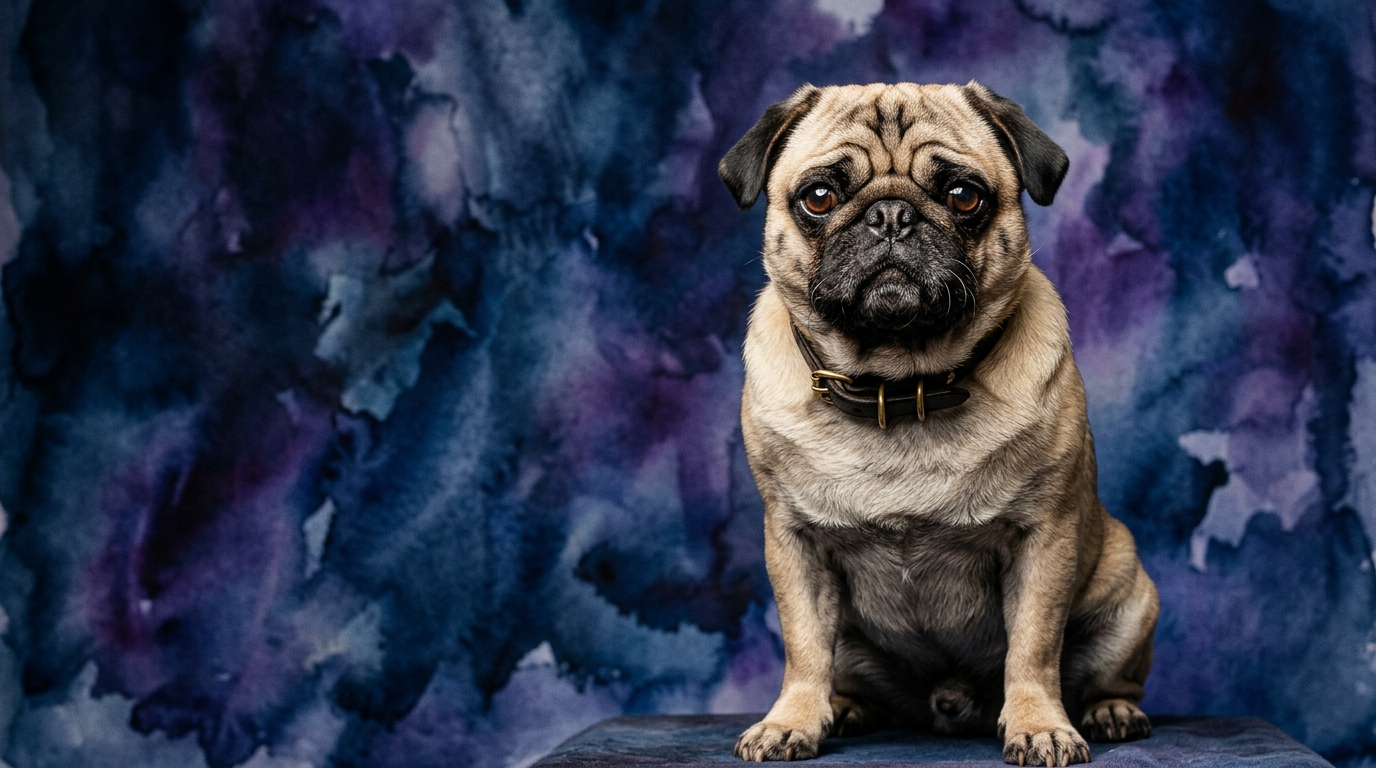
The Pug, ranked #57 on the Coren scale, presents a profile tailored for companionship. Their problem-solving capacity is rated 2/5, indicating a preference for human intervention over independent strategizing, often relying on charm rather than complex mental gymnastics. Training speed scores 2/5, suggesting that while they can learn, it requires consistent, patient reinforcement and a keen understanding of their motivations. Where the Pug truly shines is in social intelligence, earning a perfect 5/5; they are masters at reading human emotions and integrating seamlessly into family dynamics, using their expressive faces and body language to communicate needs and desires. Their instinctive drive is low at 2/5, reflecting their history as lapdogs rather than working animals, with minimal prey drive or herding tendencies. Memory is moderate at 3/5, allowing them to recall routines and basic commands, but perhaps not elaborate sequences without regular practice.
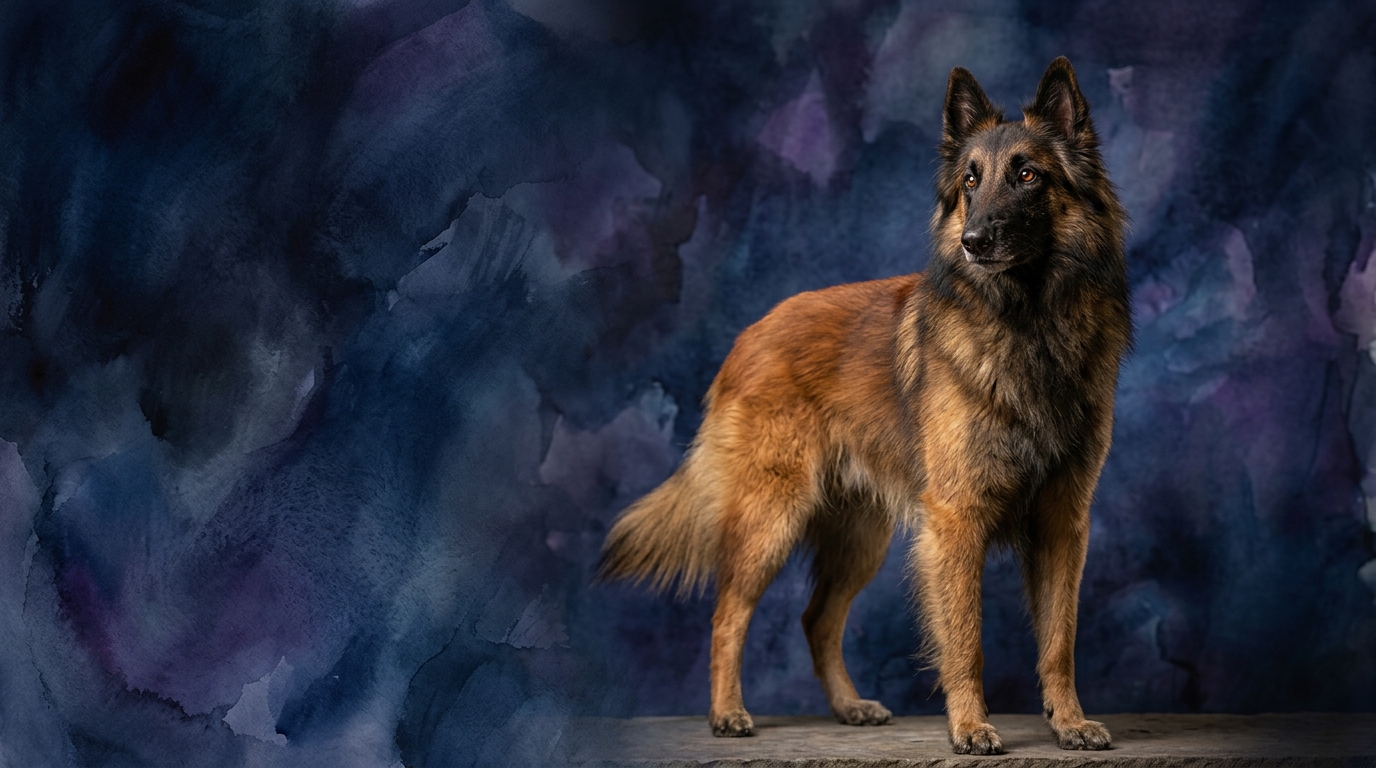
In stark contrast, the Belgian Tervuren, holding an impressive Coren rank of #14, exhibits a cognitive profile optimized for demanding tasks and active engagement. Their problem-solving ability is exceptional at 5/5, demonstrating a capacity for independent thought, strategic planning, and adaptive responses. Training speed is equally impressive at 5/5; these dogs absorb new commands and concepts with remarkable rapidity, thriving on mental challenges and structured learning environments. Social intelligence, while still robust, is rated 3/5; Tervurens form deep, protective bonds with their immediate family but can be reserved or discerning with strangers, prioritizing loyalty over universal affability. Their instinctive drive, at 3/5, reflects their heritage as herding and protective dogs, possessing a moderate but significant drive that requires appropriate outlets. Finally, their memory is outstanding at 5/5, enabling them to retain complex sequences, intricate commands, and past experiences with remarkable precision and longevity.
Where the Pug's Cognition Takes the Lead
While the Belgian Tervuren excels in traditional metrics of working intelligence, the Pug’s cognitive strengths lie in an entirely different, yet equally valuable, domain: social intelligence. Rated 5/5, their ability to perceive and respond to human emotions is unparalleled. A Pug can often sense a shift in mood, offering comforting nudges or seeking playful interaction precisely when needed, demonstrating a profound empathic connection. This isn't just about affection; it's a sophisticated understanding of social cues and interpersonal dynamics.
This high social acumen allows Pugs to navigate their human world with remarkable efficacy. They skillfully employ their charming expressions and vocalizations to communicate desires, whether it’s for a treat, a cuddle, or a specific play item. Their relatively lower problem-solving score doesn't mean they're incapable of thought; rather, they often choose to delegate problem-solving to their humans, using their social influence as their primary tool. For instance, instead of figuring out how to open a treat jar, a Pug will likely gaze intently, perhaps whine, or paw gently at their owner, effectively 'solving' the problem through social interaction.
The Belgian Tervuren's Cognitive Prowess
The Belgian Tervuren's cognitive profile is a testament to its working heritage, with problem-solving (5/5), training speed (5/5), and memory (5/5) standing out as its core strengths. These dogs possess an innate drive to understand and manipulate their environment, actively seeking out challenges and relishing the process of learning. Their problem-solving isn't just about following instructions; it involves independent decision-making, adapting strategies, and anticipating next steps in complex sequences, making them exceptional candidates for advanced canine sports like agility, obedience, and search and rescue.
The Tervuren's rapid training speed means they grasp new commands and concepts with minimal repetition, often requiring only a few exposures to solidify a behavior. Coupled with their outstanding memory, they can execute long, intricate command chains and retain learned skills over extended periods without significant refresher training. This cognitive synergy allows them to excel in roles demanding precision, quick thinking, and consistent performance, distinguishing them as highly capable and versatile working partners who thrive on purposeful engagement.
Training Dynamics: Effort vs. Eagerness
When it comes to ease of training, the differences between the Pug and the Belgian Tervuren are pronounced, stemming directly from their core cognitive profiles. The Belgian Tervuren, with its 5/5 training speed and high problem-solving ability, approaches training with an inherent eagerness and focus. They enjoy the mental challenge and the partnership aspect of learning new tasks, often responding quickly to cues and demonstrating a strong desire to please and perform. Their capacity for rapid assimilation means complex routines can be taught efficiently, making them a trainer's dream for advanced obedience or specialized roles.
Conversely, the Pug's 2/5 training speed and lower instinctive drive suggest a different approach is necessary. Pugs can be prone to distraction and may exhibit a 'what's in it for me?' attitude. Their motivation often hinges on comfort, food, or affection, rather than an innate desire for structured work. Training a Pug requires immense patience, short sessions, and abundant positive reinforcement, often in the form of high-value treats or enthusiastic praise. Their exceptional social intelligence means they are highly sensitive to their owner's tone and body language, which can be leveraged for motivation, but also means they might skillfully employ their charm to avoid less appealing tasks. House training, for instance, can sometimes be a longer journey for Pugs due to their smaller bladder capacity and occasional bouts of determined stubbornness, demanding consistent routines and vigilance.
Lifestyle Compatibility: Active Pursuits vs. Cozy Companionship
Choosing between a Pug and a Belgian Tervuren also means aligning with distinctly different lifestyle requirements, largely dictated by their cognitive and physical energy profiles. The Pug, with its low instinctive drive (2/5) and preference for social comfort, is an ideal fit for relaxed owners. They are content with short, leisurely strolls, indoor play, and extensive periods of napping or lap sitting. Their primary need is close human companionship and emotional connection, thriving where they are central to family life but not required to perform strenuous activities or complex mental tasks. They are the quintessential 'couch potato' companion, perfectly suited for apartment living or less active households.
The Belgian Tervuren, conversely, demands an active and engaged lifestyle. Their high problem-solving (5/5), training speed (5/5), and moderate instinctive drive (3/5) mean they require significant physical exercise and consistent mental stimulation to remain balanced and content. Owners must be prepared for daily vigorous activities such as long runs, challenging hikes, or participation in dog sports like agility, flyball, or advanced obedience. Without sufficient outlets for their considerable mental and physical energy, Tervurens can become bored, developing undesirable behaviors like excessive barking, digging, or destructive chewing. They are best suited for experienced, active owners who view their dog as a partner in adventures and are committed to providing structured work and ongoing training.
The Verdict
Choose the Pug if you seek an unparalleled emotional companion, content with a relaxed lifestyle, who excels at social connection and requires minimal structured activity beyond affection and short, pleasant walks.
Opt for the Belgian Tervuren if you are an active, experienced owner prepared to provide extensive physical exercise and consistent mental challenges, desiring a highly trainable and versatile partner for sports or demanding tasks.
🧠 Find Your Pet's IQ Score
Our Pet IQ Lab assessment covers 25+ tests across 5 cognitive dimensions — personalized to your breed.
Take the Full IQ Test →Frequently Asked Questions
Is a Pug difficult to train?
Pugs can be challenging due to their lower training speed and propensity for stubbornness, but they respond well to patient, positive reinforcement and consistency, especially when motivated by treats or affection. Their social intelligence means they thrive on pleasing their beloved humans.
Do Belgian Tervurens need a lot of exercise?
Yes, Belgian Tervurens require substantial daily exercise and mental stimulation to prevent boredom and destructive behaviors. They thrive in active homes that offer opportunities for dog sports, challenging work, or long, vigorous outdoor activities.
Which breed is better with children?
Pugs generally adapt well to children due to their high social intelligence and gentle nature, often enjoying being part of family play. Belgian Tervurens can be good with respectful children from their own family but require proper socialization and supervision due to their herding instincts and potential for reserved behavior with strangers.