Side-by-Side Cognitive Profiles: Pug vs. Bull Terrier
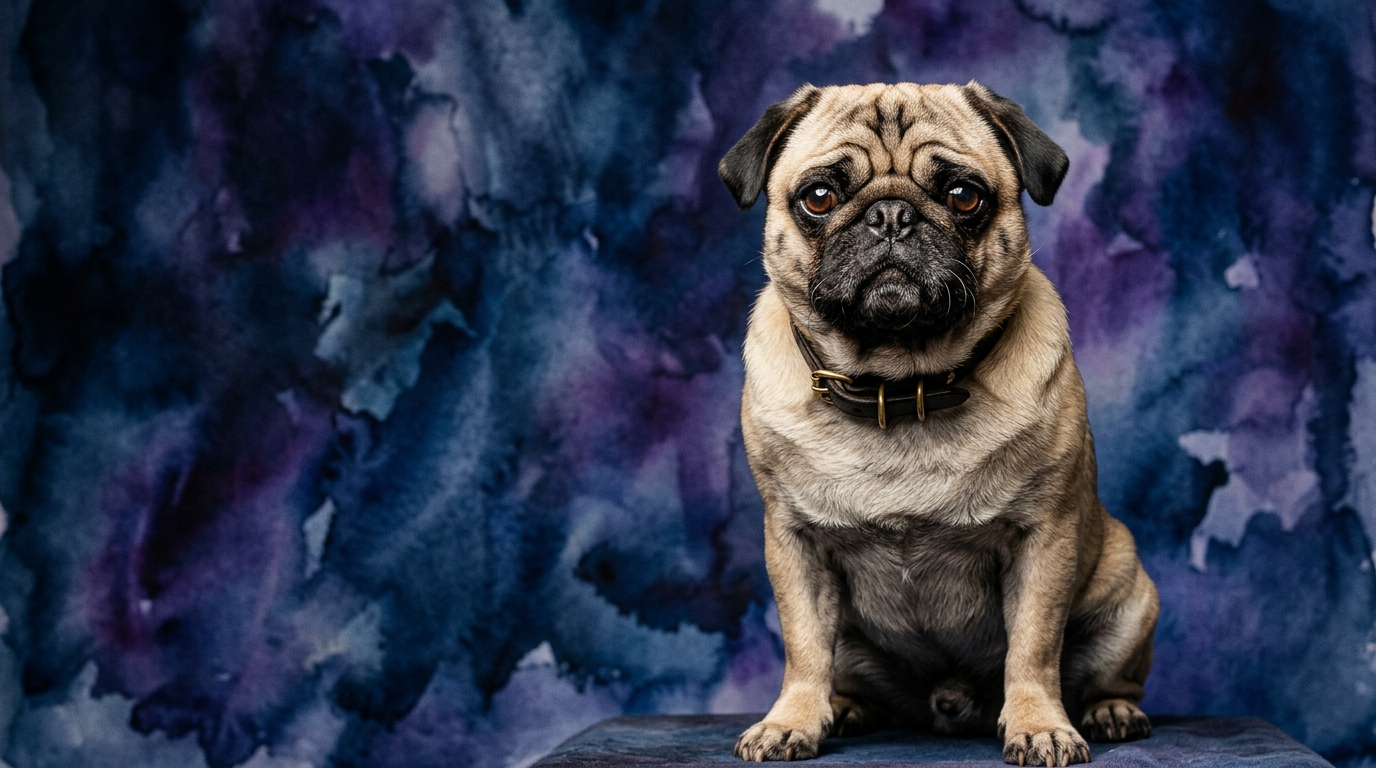
At The Cosmic Pet Pet IQ Lab, we analyze canine intelligence across five key dimensions. For the Pug, classified as a Toy breed with a Coren rank of #57, its cognitive breakdown is as follows: Problem Solving 2/5 – Pugs are not typically inclined to independently figure out complex puzzles or navigate intricate environments without guidance; their approach often involves seeking human intervention. Training Speed 2/5 – While capable of learning, Pugs tend to take more repetitions to grasp new commands and maintain consistency, often due to an occasional stubborn streak. Social Intelligence 5/5 – This is where Pugs truly shine, possessing an exceptional ability to read human emotions, understand social cues, and adapt their behavior to maintain harmony. Instinctive Drive 2/5 – Bred primarily as companions, Pugs exhibit a relatively low instinctive drive, with minimal prey drive or desire to herd, guard, or retrieve. Memory 3/5 – Pugs demonstrate a moderate capacity for memory, able to recall learned commands and routines over time, especially when associated with positive reinforcement.
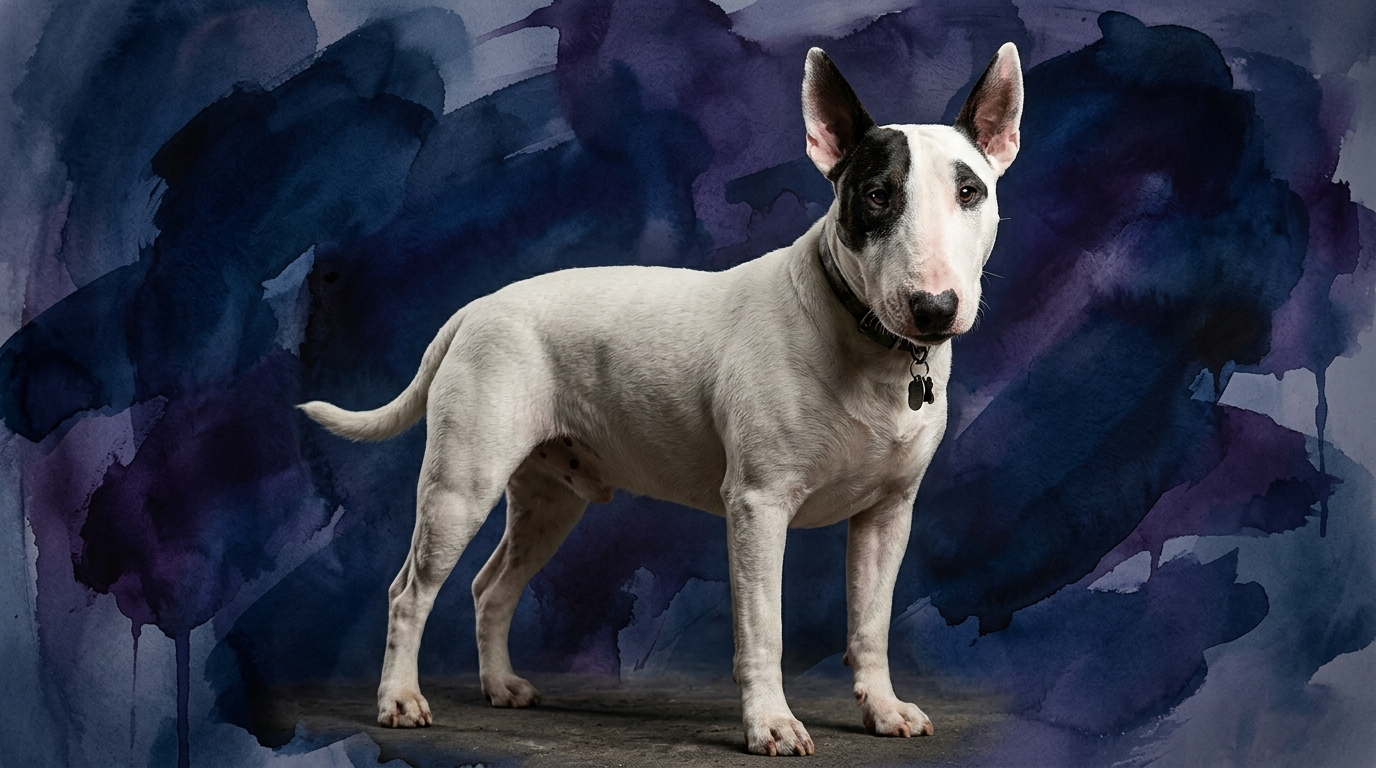
The Bull Terrier, a Terrier breed with a Coren rank of #66, presents a different cognitive blueprint: Problem Solving 3/5 – Bull Terriers show a moderate aptitude for problem-solving, often employing a determined, trial-and-error approach to figure out how to open gates or retrieve hidden toys. Training Speed 3/5 – They learn new commands at a moderate pace, generally eager to please and focused when engaged, though their independent streak requires consistency. Social Intelligence 3/5 – While affectionate with their families, Bull Terriers possess a moderate level of social intelligence, understanding human cues but sometimes being less nuanced in their emotional responses compared to breeds bred for intense human interaction. Instinctive Drive 3/5 – As terriers, Bull Terriers retain a moderate instinctive drive, including a notable prey drive and a strong desire to dig or pursue, influencing their curiosity and activity levels. Memory 3/5 – Bull Terriers have a moderate memory capacity, capable of retaining complex routines and commands, which is beneficial for consistent training and reinforcing good habits.
Where the Pug Excels Cognitively
The Pug's undisputed cognitive strength lies in its exceptional social intelligence, scoring a perfect 5/5 on our scale. This breed possesses an uncanny ability to interpret human moods, subtle gestures, and vocal inflections, often anticipating their owner's needs or desires before they are explicitly expressed. This profound understanding of the human social landscape allows Pugs to integrate seamlessly into family life, offering comfort and companionship with an intuitive grace. For instance, a Pug might instinctively nudge a hand or offer a comforting presence when sensing distress, not because they've been trained to, but because their social radar is acutely tuned to emotional cues. Their mastery of social interaction makes them highly adaptable to various household dynamics, thriving on close human connection and responding keenly to the nuances of family life. This contrasts sharply with many breeds whose social interactions are more straightforward or driven by task-oriented communication, highlighting the Pug's unique aptitude for emotional companionship.
Where the Bull Terrier Shines Cognitively
The Bull Terrier demonstrates superior cognitive prowess in problem-solving and training speed, both rated 3/5 compared to the Pug's 2/5. Their problem-solving ability manifests in their persistent and often ingenious methods to achieve a goal, such as figuring out how to bypass a childproof latch or retrieve a toy from an inaccessible spot. This isn't just about brute force; it's a determined application of observation and trial-and-error, often driven by their terrier tenacity. For example, a Bull Terrier might systematically test various methods to open a cabinet door that holds treats, learning from each attempt. Their moderate training speed is a testament to their focus and willingness to engage in structured learning, especially when the training is stimulating and varied. They are capable of mastering a broader range of commands and complex tasks, benefiting from their inherent curiosity and a moderate desire to participate in activities that challenge them mentally and physically. This allows them to excel in activities that require more independent thought and action, contrasting with the Pug's preference for direct human guidance and emotional connection.
Training Dynamics: Which Breed is Easier?
When considering ease of training, the Bull Terrier generally presents a more straightforward path for owners seeking to teach a diverse range of commands and behaviors, largely due to its superior training speed and problem-solving scores (3/5 each) compared to the Pug's 2/5. Bull Terriers, while possessing an independent streak characteristic of terriers, respond well to clear, consistent training methods that leverage their moderate instinctive drive and desire for engagement. Their willingness to focus on a task, especially when it's made into a game or involves a reward, means they can grasp new concepts and execute commands with fewer repetitions. For example, a Bull Terrier might quickly learn a complex agility sequence or a multi-step fetch routine if the trainer makes it exciting and mentally stimulating, channeling their natural tenacity effectively.
Pugs, on the other hand, require a different approach. Their lower training speed (2/5) means they may need more patience and repetition. While their high social intelligence (5/5) means they are highly attuned to their owner's mood, their low instinctive drive (2/5) and problem-solving (2/5) mean they are less naturally inclined to perform tasks for their own sake or to figure out solutions independently. Training a Pug often involves convincing them that cooperation is the most pleasant path, leaning heavily on positive reinforcement and making training sessions feel like a bonding experience rather than a chore. A Pug might take longer to master a 'stay' command, but they will excel at understanding your distress and offering comfort almost instinctively. Therefore, while a Bull Terrier's intrinsic drive for activity and mental stimulation makes them more receptive to task-oriented training, the Pug's training success hinges on leveraging their desire for human connection and making the process enjoyable and low-pressure.
Matching Canine Companions to Owner Lifestyles
The Bull Terrier is a more suitable companion for active owners who relish engaging their dog in various physical and mental pursuits. With a moderate instinctive drive (3/5) and problem-solving ability (3/5), Bull Terriers thrive on structured activities like long walks, hikes, interactive games, and even dog sports such as agility or obedience. Their tenacity and moderate energy levels mean they enjoy having a 'job' or a consistent outlet for their determination. An active owner can channel a Bull Terrier's natural curiosity and desire to explore, preventing boredom and potential mischief. They need owners who appreciate their robust nature and can provide consistent stimulation beyond just basic walks, ensuring their mental and physical needs are met through engaging activities and challenges.
Conversely, the Pug is an ideal match for relaxed owners who prioritize companionship and low-key interaction. Possessing a low instinctive drive (2/5) and a preference for comfort, Pugs are content with shorter strolls, indoor play, and extended cuddle sessions on the couch. Their high social intelligence (5/5) means they are deeply fulfilled by simply being in their owner's presence and participating in the quiet rhythms of home life. While they appreciate a gentle walk, they are not built for endurance or intense physical challenges. A relaxed owner will find the Pug's affectionate nature and minimal demands for strenuous activity perfectly align with a quieter lifestyle, offering a devoted shadow who excels at the art of companionship and emotional support, content with simply sharing space and affection.
The Verdict
Choose a Pug if you desire a deeply affectionate, highly socially astute companion who thrives on close human interaction, requires minimal strenuous exercise, and will seamlessly integrate into a relaxed household as a devoted emotional anchor.
Opt for a Bull Terrier if you are an active owner seeking a tenacious, moderately independent dog who enjoys engaging in mental and physical challenges, is capable of learning a wide range of tasks, and appreciates consistent, stimulating interaction.
🧠 Find Your Pet's IQ Score
Our Pet IQ Lab assessment covers 25+ tests across 5 cognitive dimensions — personalized to your breed.
Take the Full IQ Test →Frequently Asked Questions
Are Pugs or Bull Terriers better with children?
Pugs, with their exceptional social intelligence (5/5) and gentle nature, generally adapt very well to children, often acting as patient and affectionate companions. Bull Terriers, while typically good-natured, require more supervision due to their moderate instinctive drive and robust play style, which might be overwhelming for very young children.
Do Pugs and Bull Terriers require a lot of grooming?
Pugs have a short, smooth coat that sheds moderately, requiring regular brushing, but their facial wrinkles need daily cleaning to prevent skin issues. Bull Terriers also have a short, flat coat that sheds, but less intensively than Pugs, needing only weekly brushing and minimal specialized care beyond basic hygiene.
Which breed is more prone to health issues?
Pugs are prone to several breed-specific health issues due to their brachycephalic (flat-faced) structure, including breathing difficulties, eye problems, and heat intolerance. Bull Terriers are generally robust but can be predisposed to deafness, kidney disease, and heart conditions, making responsible breeding and regular vet checks important for both breeds.