A Side-by-Side Look at Cognitive Profiles
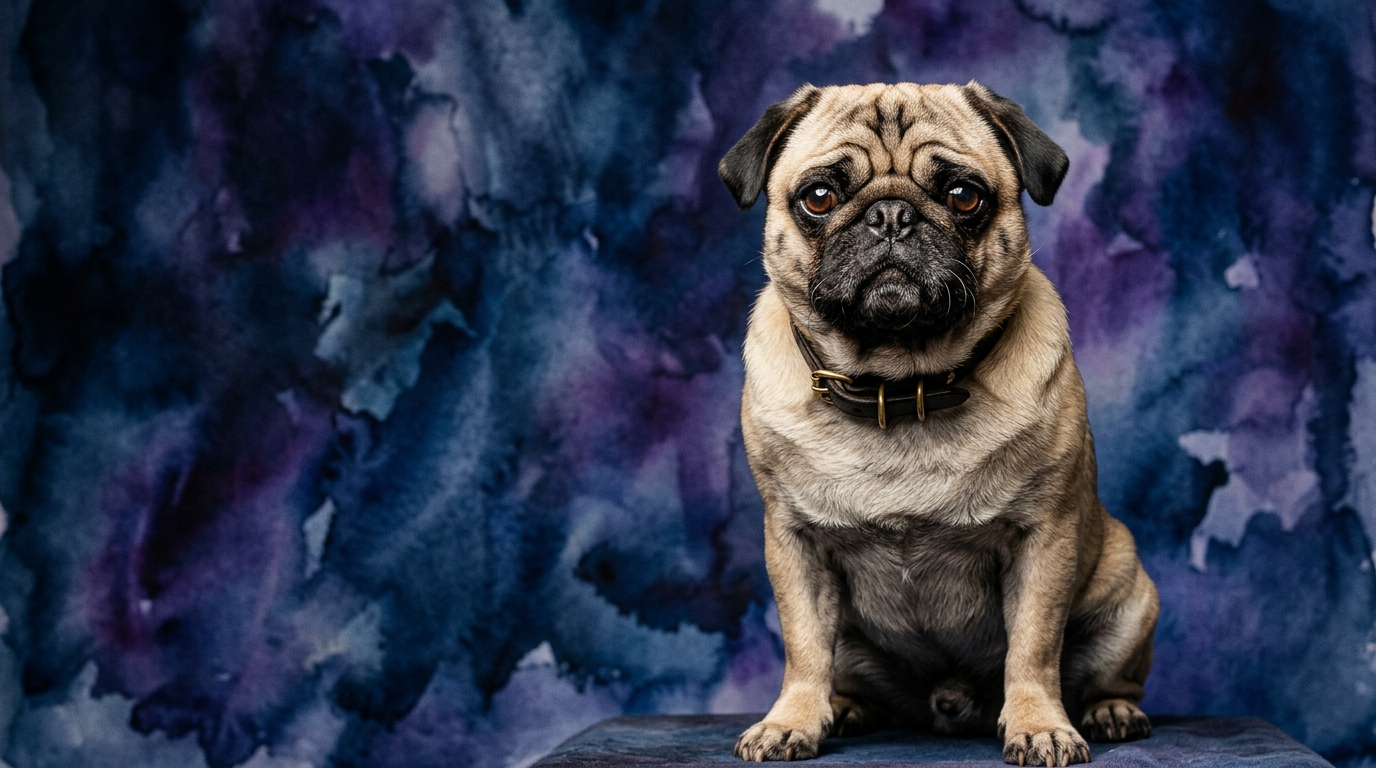
Pugs, members of the Toy Group, hold a Coren rank of #57, placing them in the average working/obedience intelligence category. Our Cosmic Pet Pet IQ Lab data reveals their Problem Solving at 2/5, indicating they may require more guidance in novel situations or complex tasks. Their Training Speed is also 2/5, suggesting a patient approach is beneficial for consistent command acquisition. However, the Pug shines brightly in Social Intelligence, earning a perfect 5/5, reflecting their profound capacity for connection and understanding human cues. Instinctive Drive is a modest 2/5, typical for a companion breed, while their Memory stands at 3/5, allowing them to recall learned behaviors and routines effectively over time.
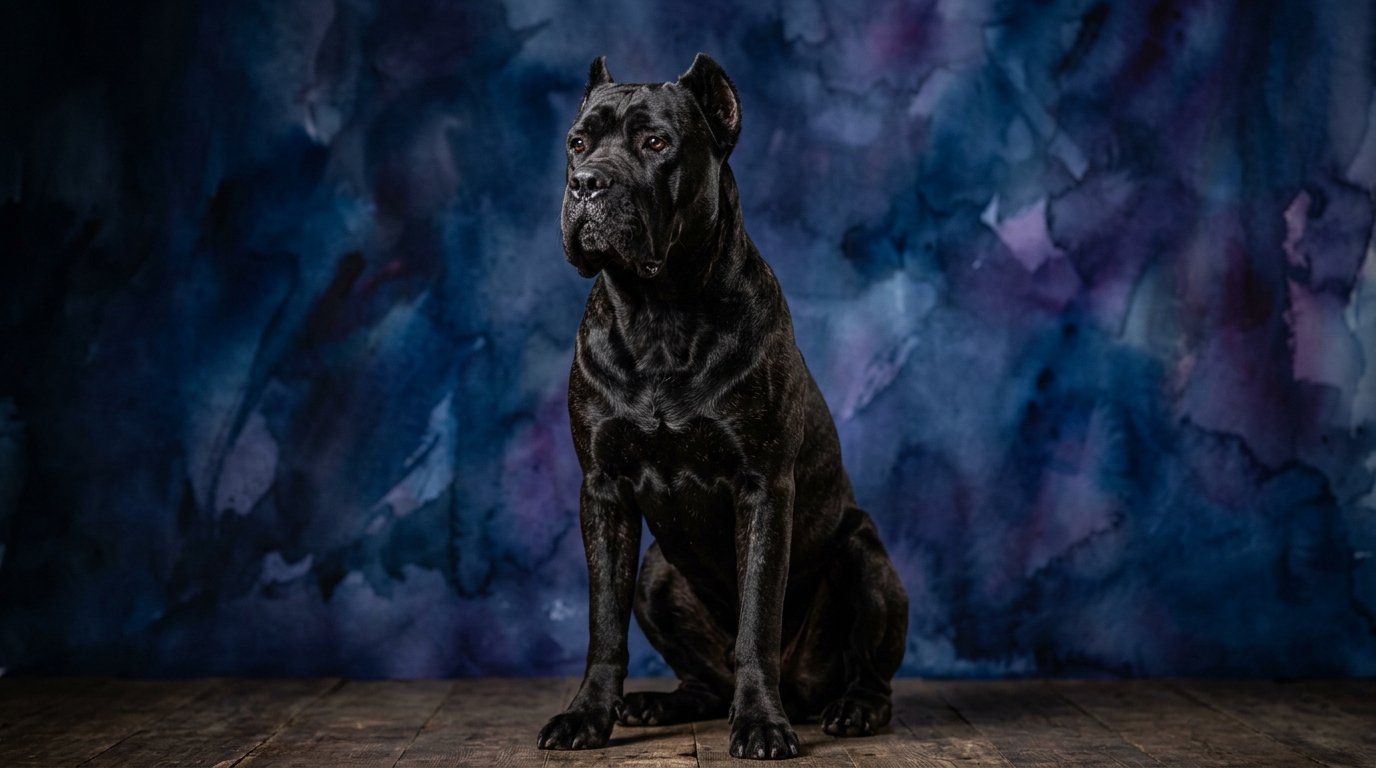
The Cane Corso, a powerful member of the Working Group, does not have a Coren ranking, but our IQ Lab assessment provides a comprehensive view of their cognitive makeup. They score 3/5 in Problem Solving, indicating a moderate ability to navigate challenges and adapt to new scenarios. Their Training Speed also sits at 3/5, suggesting a responsive learner who can grasp concepts at a reasonable pace. Social Intelligence for the Cane Corso is 3/5, reflecting a balanced capacity for interaction, which can be discerning and protective. Instinctive Drive is rated 3/5, pointing to a moderate inherent motivation for tasks and engagement, and their Memory is a solid 3/5, enabling them to retain training and experiences reliably.
Where the Pug's Mind Takes the Lead
The most striking cognitive advantage for the Pug lies in their exceptional Social Intelligence, scoring a perfect 5/5 compared to the Cane Corso's 3/5. This metric isn't just about being friendly; it signifies a deep, innate understanding of human emotions, intentions, and communication nuances. A Pug is often described as an “empathic companion” because of this trait, readily picking up on subtle changes in their owner's mood or body language and responding accordingly, whether it's offering a comforting presence during sadness or engaging in playful antics to lighten the atmosphere. This superior social acumen means Pugs are often more attuned to the subtleties of family dynamics and can integrate seamlessly into a household, often acting as a social barometer. They excel at non-verbal communication with their human counterparts, using their expressions and physical proximity to convey needs or desires, making them incredibly intuitive pets for those seeking a close, emotionally responsive bond. Their high social intelligence also contributes to their remarkable adaptability in various social settings, often making friends easily with both familiar faces and respectful strangers, a trait that differs from the more reserved nature of the Cane Corso.
The Cane Corso's Cognitive Strengths
The Cane Corso demonstrates its cognitive strengths across several crucial dimensions where it outpaces the Pug, aligning with its heritage as a capable working and guardian breed. Their Problem Solving ability, rated 3/5 compared to the Pug's 2/5, suggests a greater capacity to independently assess and navigate novel situations. This means a Cane Corso is more likely to figure out how to open a gate, retrieve a dropped item from a tricky spot, or adapt to a new routine with less direct instruction. This moderate problem-solving skill is invaluable in real-world scenarios, allowing them to be more resourceful.
Furthermore, the Cane Corso's Training Speed, also 3/5 against the Pug's 2/5, indicates they generally learn new commands and behaviors more rapidly and with fewer repetitions. This efficiency in learning is a significant advantage for owners committed to advanced obedience or specialized tasks, as the Cane Corso can progress through training stages with a consistent pace. Their elevated Instinctive Drive, at 3/5 compared to the Pug's 2/5, reflects a stronger intrinsic motivation for engagement and purpose, which can be channeled into structured training, canine sports, or protective duties. While both breeds share a Memory score of 3/5, the Cane Corso's combined strengths in problem-solving, training speed, and instinctive drive create a cognitive profile geared towards purposeful action and efficient skill acquisition, making them adept at tasks requiring focus and execution.
Trainability: Patience vs. Purpose
When considering which breed is easier to train, the Cane Corso holds a distinct advantage, primarily due to its higher Training Speed (3/5) and greater Instinctive Drive (3/5). These factors mean a Cane Corso typically grasps new commands and concepts more quickly and is often more motivated to engage in training sessions, viewing them as a purposeful activity. Their problem-solving ability also contributes, as they can sometimes generalize learned behaviors to new situations with less direct guidance. Training a Cane Corso often involves clear, consistent commands and leveraging their natural drive for tasks, which can lead to impressive obedience and skill development.
In contrast, the Pug's Training Speed of 2/5 suggests that owners will need a more patient and persistent approach. Pugs can be easily distracted or exhibit a charming stubbornness, often requiring more repetitions and creative motivation, such as high-value treats or engaging games, to solidify new behaviors. Their lower instinctive drive means they might not always be as eager to participate in rigorous training drills, preferring comfort and social interaction instead. While Pugs are certainly trainable and can master many commands, the process typically takes longer and demands more consistent engagement from the owner to maintain their focus and overcome their occasional reluctance. Real behavioral differences manifest in the Cane Corso's readiness to work and the Pug's preference for leisure, making the former generally more straightforward for structured training regimens.
Matching Pups to Lifestyles: Active vs. Relaxed Owners
The cognitive profiles and inherent drives of the Pug and Cane Corso naturally align them with differing owner lifestyles. For the relaxed owner seeking a devoted, low-key companion, the Pug is an ideal match. Their modest Instinctive Drive (2/5) means they are generally content with shorter walks, indoor play, and significant cuddle time, rather than demanding strenuous physical or mental exertion. Their supreme Social Intelligence (5/5) ensures they are incredibly adaptable to a calm home environment, thriving on close human connection and providing emotional support without requiring constant stimulation. Pugs prefer being a shadow, a warm lap dog, perfectly suited for apartment living or homes where a high-energy dog would be overwhelming. Their primary cognitive engagement comes from interacting with their human family, making them excellent companions for individuals or families who value quiet companionship and emotional attunement over rigorous activity.
Conversely, the Cane Corso is better suited for active owners who are prepared to engage with a dog possessing a moderate Instinctive Drive (3/5) and a greater capacity for Problem Solving and Training Speed. This breed thrives on having a purpose, whether it's through structured training, canine sports, or active outdoor adventures. An owner who enjoys hiking, consistent training sessions, or even activities like protection sports will find the Cane Corso's cognitive and physical attributes well-matched to their lifestyle. Their robust build and moderate drive mean they require regular physical exercise combined with mental stimulation to prevent boredom and channel their energy constructively. Cane Corsos excel when given clear expectations and opportunities to utilize their intelligence, making them a rewarding choice for experienced, active owners who can provide consistent leadership and a stimulating environment.
The Verdict
If you prioritize an emotionally intuitive, highly social companion who thrives on close human connection and requires less intense physical and mental stimulation, the Pug's unparalleled social intelligence and relaxed demeanor make them an ideal choice.
Opt for the Cane Corso if you are an experienced, active owner seeking a capable, trainable dog with a moderate drive for purpose, who can excel in structured training and outdoor activities, and will provide a discerning, protective presence.
🧠 Find Your Pet's IQ Score
Our Pet IQ Lab assessment covers 25+ tests across 5 cognitive dimensions — personalized to your breed.
Take the Full IQ Test →Frequently Asked Questions
Are Pugs truly stubborn during training?
While Pugs can certainly exhibit a charming stubbornness, their lower Training Speed (2/5) and preference for comfort over rigorous activity often contribute to this perception. They require patience, positive reinforcement, and engaging methods to make learning enjoyable and effective.
How does the Cane Corso's social intelligence manifest compared to a Pug?
The Cane Corso's social intelligence (3/5) is more discerning; they form deep bonds with their family but are often reserved or wary of strangers, reflecting their guardian instincts. This contrasts with the Pug's universal social aptitude (5/5), which makes them generally friendly with everyone.
Does a higher problem-solving score mean a dog is harder to manage?
Not necessarily. A higher problem-solving score (like the Cane Corso's 3/5) indicates a dog's capacity to figure things out, which can be beneficial for training and adaptability. However, without proper mental stimulation, this ingenuity can sometimes lead to mischief if the dog finds its own 'problems' to solve.