Side-by-Side IQ Profile
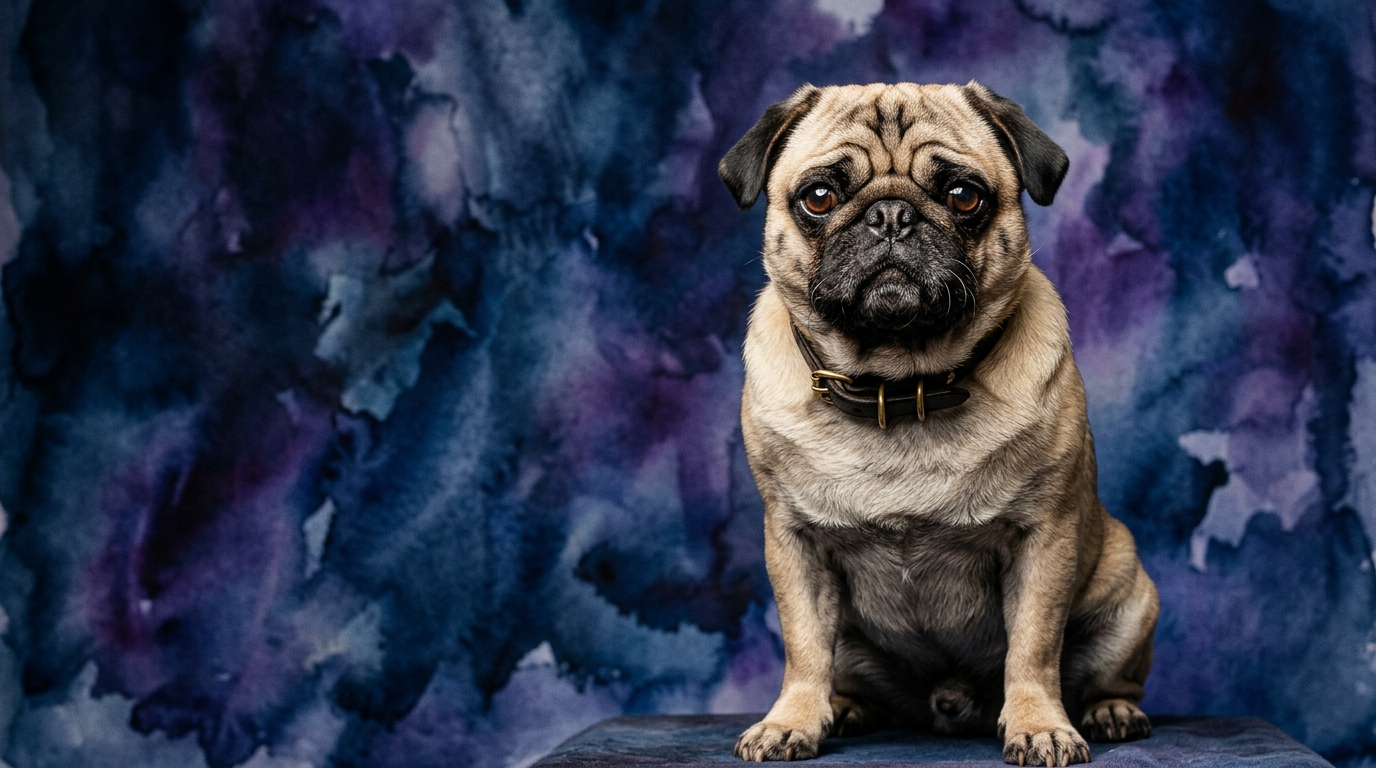
The Pug's cognitive blueprint reveals a strong inclination towards companionship. Their problem-solving capacity sits at 2/5, indicating they might not be the quickest to independently figure out complex puzzles, often preferring to rely on human cues. Training speed is also 2/5; while they can learn, it typically requires more repetition and patience, as their attention might wander from task-oriented learning to social engagement. Where the Pug truly shines is in social intelligence, scoring a perfect 5/5. This means they are extraordinarily adept at reading human emotions, understanding subtle social cues, and forming deep, intuitive bonds, making them exceptional emotional support animals. Their instinctive drive is low at 2/5, reflecting a breed primarily bred for companionship rather than working tasks. Memory is moderate at 3/5, sufficient for retaining routines and familiar faces, but perhaps less for intricate sequences.
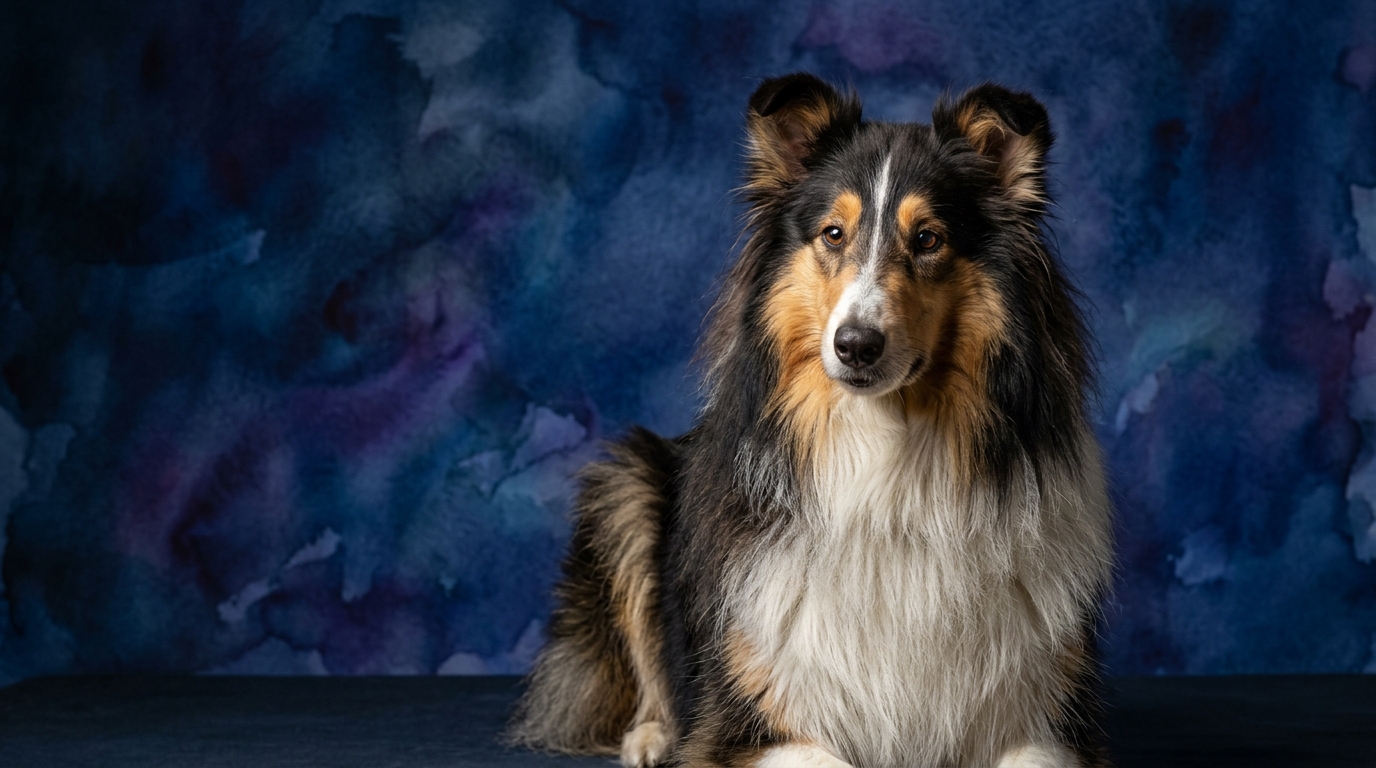
In stark contrast, the Rough Collie presents a cognitive profile geared towards purposeful work and learning. Their problem-solving ability is a robust 4/5, suggesting a capacity for independent thought and strategic planning when faced with challenges, such as navigating obstacles or figuring out how to retrieve a desired object. Training speed is similarly strong at 4/5; they grasp new commands and concepts with relative ease and enthusiasm, often requiring fewer repetitions than many other breeds. While their social intelligence is a respectable 3/5, they may not possess the same innate emotional attunement as the Pug, often preferring to engage with purpose. Their instinctive drive is 3/5, a moderate score reflecting their heritage as herding dogs, which translates into a desire for activity and a job to do. Crucially, their memory is outstanding at 5/5, enabling them to recall vast repertoires of commands, complex routines, and detailed spatial information over extended periods.
Where Pug Wins Cognitively
The Pug's undisputed cognitive strength lies in its exceptional social intelligence, scoring a perfect 5/5. This isn't merely about being friendly; it signifies a profound ability to understand and respond to human emotions and intentions. Pugs are masters at reading subtle body language, vocal inflections, and facial expressions, often anticipating their owner's moods or desires before they are explicitly expressed. This high social acumen allows them to form incredibly deep, empathetic bonds, making them intuitive companions who provide comfort and companionship by simply "being there" and understanding. While their problem-solving and training speed scores are lower, their social intelligence compensates by enabling them to navigate their domestic world effectively through human interaction. They can use their charm and understanding of social dynamics to solicit attention, comfort, or assistance, effectively "solving" their needs through social engagement rather than independent task completion. Their moderate memory (3/5) primarily serves to recall these cherished social interactions and routines, reinforcing their bond with their human family.
Where Collie (Rough) Wins Cognitively
The Rough Collie's cognitive profile showcases a breed engineered for intricate tasks and sustained learning. Their problem-solving ability, rated at 4/5, means they approach new challenges with a thoughtful, strategic mindset. They are more likely to analyze a situation, experiment with different solutions, and persevere until they achieve their goal, whether it's figuring out how to open a child-proof gate or navigating a complex agility course. This cognitive flexibility extends to their training speed, also 4/5, allowing them to absorb and execute new commands with impressive rapidity and precision. They don't just learn; they understand the 'why' behind the task, making them highly adaptable to various training disciplines. The Collie's memory, a perfect 5/5, is a cornerstone of their cognitive superiority in many domains. This allows them to retain vast amounts of information, from a wide vocabulary of commands to the layout of their environment and the specific details of past experiences. This exceptional recall underpins their capacity for advanced training, complex routines, and consistent performance in tasks requiring sustained focus and application of learned behaviors. Their moderate instinctive drive (3/5) combined with these cognitive strengths makes them eager participants in activities that engage both their minds and bodies.
Which is Easier to Train and Why
When it comes to formal training, the Rough Collie undoubtedly presents as the easier candidate due to its higher training speed (4/5) and superior memory (5/5). Collies typically demonstrate a strong desire to please and a focused attention span during training sessions, quickly grasping new concepts and retaining them over time. Their herding heritage instills a certain biddability and a capacity for sustained work, making them receptive to structured learning. For instance, a Collie can quickly learn a multi-step retrieve or a complex obedience routine, consistently executing commands with precision. In contrast, the Pug, with a training speed of 2/5, often requires more patience and creative motivation. Their primary motivation isn't typically task completion but rather social interaction. While they are capable of learning basic commands, their attention might be more easily diverted by a desire for a lap cuddle or a playful interaction. Their cognitive strength lies in social understanding rather than rote learning, meaning they might learn "sit" to get a treat, but their enthusiasm for the act of sitting might wane if the social reward isn't immediate or if the task feels repetitive. Training a Pug often involves making it feel like a fun, interactive game rather than a formal lesson, leveraging their social intelligence to encourage cooperation.
Which Suits Active Owners vs Relaxed Owners
Considering their cognitive profiles and instinctive drives, the choice between a Pug and a Rough Collie aligns clearly with different owner lifestyles. The Rough Collie, with its 4/5 problem-solving, 4/5 training speed, and 3/5 instinctive drive, thrives with active owners who can provide consistent mental and physical stimulation. They excel in activities like agility, obedience, herding trials, or even long, engaging hikes that allow them to use their bodies and their sharp minds. Owners who enjoy teaching new tricks, participating in dog sports, or simply spending dedicated time on training will find the Collie a rewarding partner, as these activities tap into their cognitive strengths and desire for purpose. Conversely, the Pug, with its 5/5 social intelligence and lower scores in problem-solving (2/5) and instinctive drive (2/5), is ideally suited for more relaxed owners. Their primary need is companionship and social closeness. They are content with moderate daily walks and ample lap time, perfectly happy to observe the world from a comfortable perch beside their human. Owners who seek a deeply connected, empathetic companion who is less demanding in terms of structured activity and more focused on shared moments of calm affection will find the Pug's cognitive makeup a perfect fit.
The Verdict
Opt for a Pug if you prioritize a deeply empathetic, socially attuned companion who excels at emotional connection and thrives in a relaxed, affectionate home environment, appreciating their innate ability to read your moods and offer intuitive comfort.
Select a Rough Collie if you seek a highly trainable, intelligent partner eager to engage in complex learning, problem-solving, and structured activities, thriving with an owner who can provide consistent mental challenges and physical exercise.
🧠 Find Your Pet's IQ Score
Our Pet IQ Lab assessment covers 25+ tests across 5 cognitive dimensions — personalized to your breed.
Take the Full IQ Test →Frequently Asked Questions
Does a Pug's lower problem-solving score mean they are not smart?
Not at all; it simply means their cognitive strengths lie elsewhere, primarily in social intelligence. They may not excel at independent puzzle-solving but are exceptionally adept at understanding and navigating human social dynamics.
Can a Rough Collie be a good family dog despite its working dog background?
Yes, Rough Collies are generally gentle and loyal family dogs, but their cognitive needs for mental stimulation and purposeful activity mean they thrive best when their intellect and drive are engaged through training and play.
How does social intelligence differ between these two breeds?
The Pug's 5/5 social intelligence translates to an intuitive understanding of human emotions and subtle cues, making them highly empathetic companions, whereas the Collie's 3/5 social intelligence means they are friendly and responsive but perhaps less attuned to nuanced emotional states.