A Tale of Two Canines: Pug and Field Spaniel IQ Profiles
The Cosmic Pet Pet IQ Lab employs a five-dimensional framework to assess canine intelligence, moving beyond simplistic "smart" labels. These dimensions include Problem Solving, which measures a dog's ability to navigate novel challenges; Training Speed, reflecting how quickly they grasp new commands; Social Intelligence, their capacity to understand and respond to human cues; Instinctive Drive, the inherent motivation for tasks; and Memory, their ability to retain learned information over time. Examining these specific scores for the Pug and Field Spaniel illuminates their unique mental landscapes.
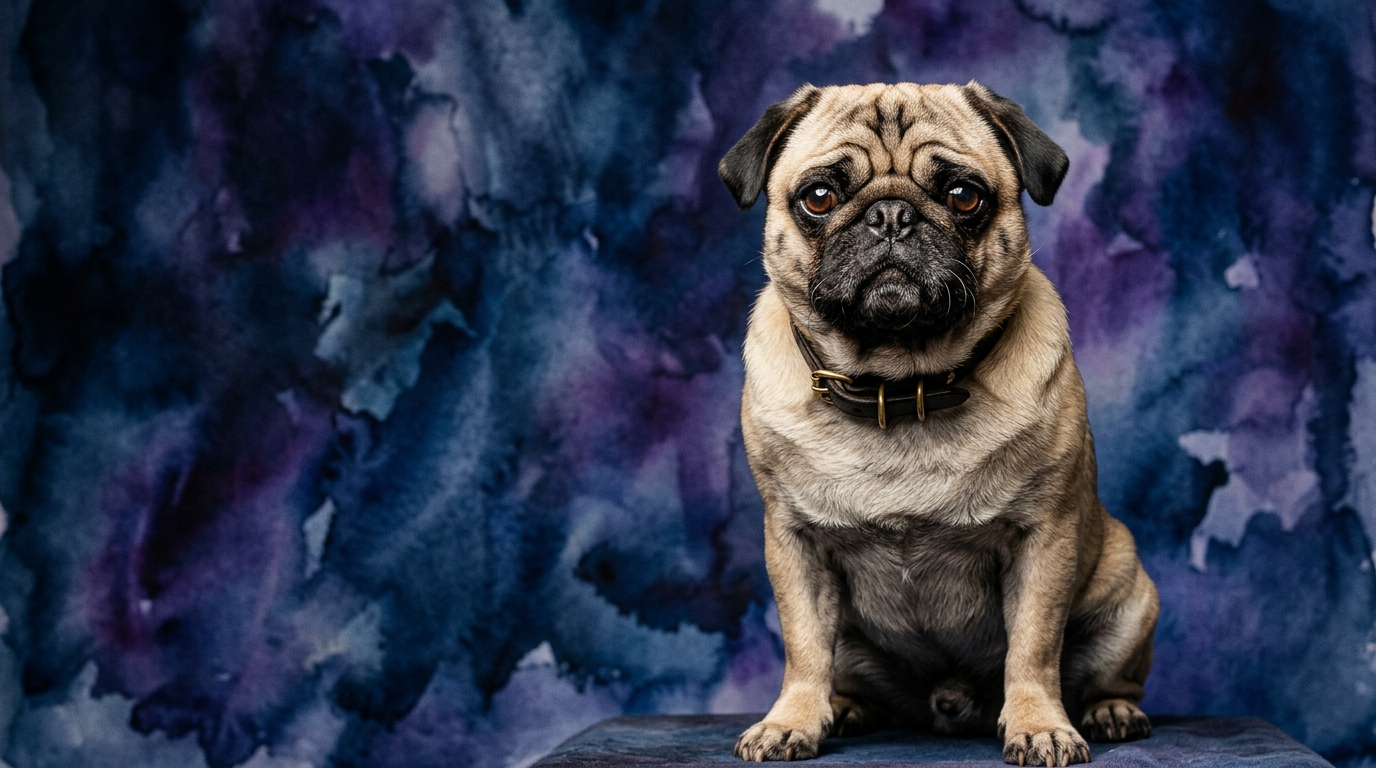
The Pug, a member of the Toy group and Coren-ranked #57, presents a cognitive profile shaped by centuries of companionship. Their Problem Solving is rated 2/5, suggesting they may not be the most adept at complex puzzles or independent navigation of new environments. Training Speed also sits at 2/5, indicating a more measured pace for learning new commands. However, their Social Intelligence is a standout at a perfect 5/5, highlighting an exceptional ability to connect with and understand human emotions. Instinctive Drive is modest at 2/5, reflecting a low inherent motivation for tasks, while Memory is a solid 3/5, meaning they retain information adequately once learned.
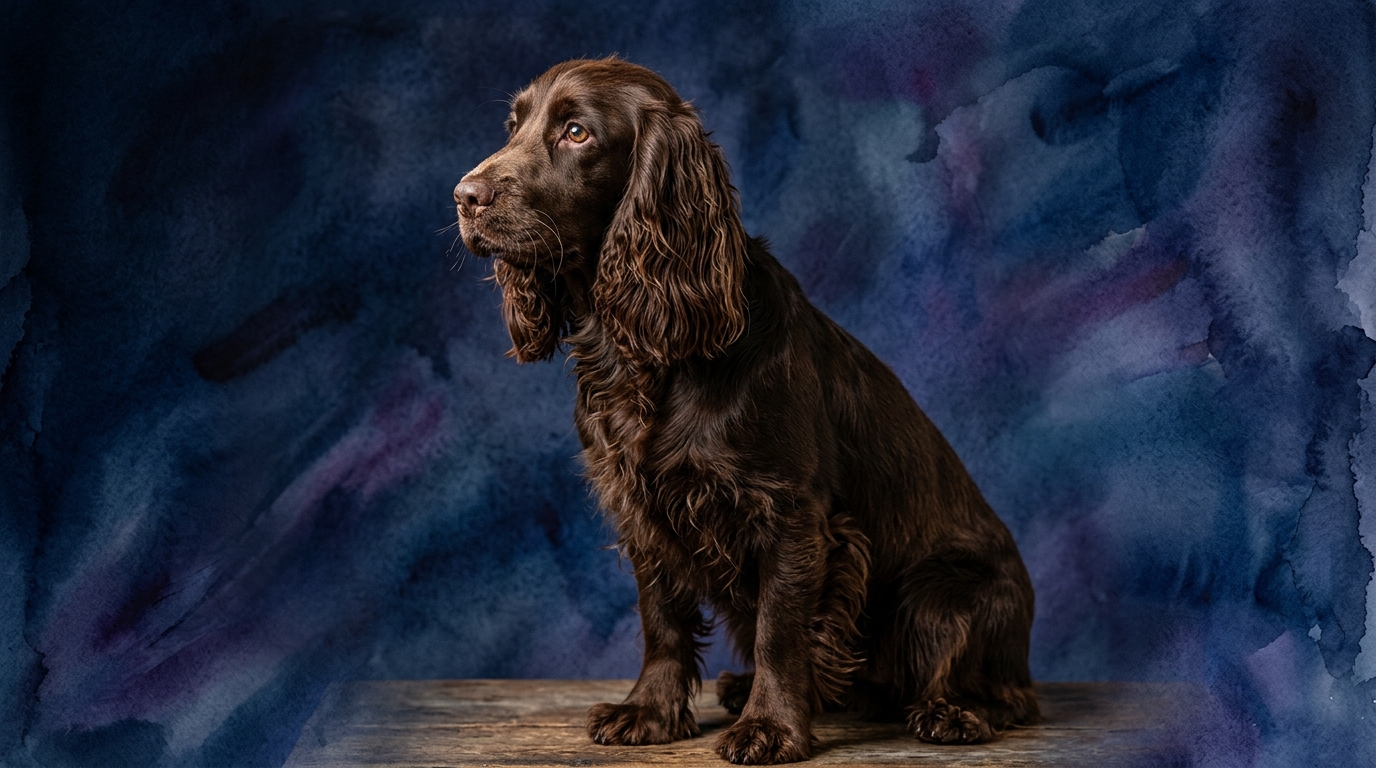
In contrast, the Field Spaniel, a Sporting group member without a specific Coren rank, displays a more balanced, moderate cognitive blueprint. Their Problem Solving is rated 3/5, showing a fair capacity to tackle challenges. Training Speed is also 3/5, suggesting they learn new commands at an average, steady pace. Social Intelligence is 3/5, indicating they are capable of understanding human cues but perhaps without the Pug's profound attunement. Instinctive Drive is 3/5, reflecting a moderate inherent motivation for work or activity, aligning with their sporting heritage. Memory, like the Pug's, is also 3/5, signifying a competent ability to recall past experiences and learned behaviors.
The Pug's Cognitive Prowess: Masters of Connection
When comparing the two, the Pug's undeniable cognitive victory lies in its extraordinary Social Intelligence, scoring a perfect 5 out of 5. This isn't just about being friendly; it signifies a profound capacity to read human body language, tone of voice, and emotional states with remarkable accuracy. Pugs are adept at discerning their owner's mood, often adapting their behavior to offer comfort or solicit attention with uncanny precision. This high social acumen means they are exceptionally attuned to their human companions, making them intuitive and responsive partners in daily life.
This superior social intelligence translates into a dog that thrives on interaction and forms deep, empathetic bonds. While a Field Spaniel's 3/5 social score means they are capable of companionship, the Pug's 5/5 means they are almost telepathic in their connection, often anticipating needs or reacting to subtle shifts in the household atmosphere. Their cognitive strength here isn't about solving an escape room, but about seamlessly integrating into the human social fabric, making them unparalleled companions for those seeking emotional resonance from their canine friend. Furthermore, their 3/5 memory score ensures they consistently recall past social interactions and the associated human responses, reinforcing their bond.
Field Spaniel's Cognitive Edge: Purpose and Adaptability
The Field Spaniel's cognitive strengths clearly emerge in areas tied to its working background, particularly in Problem Solving, Training Speed, and Instinctive Drive, where it scores 3/5 across the board, surpassing the Pug's 2/5 in each. Their 3/5 Problem Solving indicates a more robust capacity to independently figure out solutions to environmental challenges, such as navigating varied terrain or understanding how to access a desired object. This suggests a dog that is less likely to be stumped by novel situations and more inclined to experiment with solutions.
Their superior Training Speed (3/5) means they typically pick up new commands and routines more quickly than a Pug, requiring fewer repetitions to solidify a behavior. This efficiency in learning is a significant advantage for owners who enjoy teaching new skills or engaging in dog sports. Coupled with a 3/5 Instinctive Drive, Field Spaniels possess a moderate inherent motivation for tasks, whether it's retrieving, scent work, or following a sequence of commands. This drive provides a natural eagerness to participate in activities, giving them a purpose-driven cognitive edge that the more comfort-oriented Pug generally lacks.
Training Dynamics: Pug's Charm vs. Field Spaniel's Eagerness
When it comes to ease of training, the Field Spaniel generally holds an advantage over the Pug, primarily due to its higher scores in Training Speed (3/5), Problem Solving (3/5), and Instinctive Drive (3/5). A Field Spaniel's quicker grasp of commands means training sessions can be more efficient and progress at a steadier pace. Their moderate instinctive drive suggests they often find a sense of satisfaction in completing tasks and working alongside their owner, making them more naturally inclined to engage in structured learning. They are generally less prone to independent thought when a clear task is presented, often eager to please and follow direction.
The Pug, with its 2/5 in both Training Speed and Instinctive Drive, presents a different training landscape. While not untrainable, Pugs often require more patience and creative motivation. Their lower training speed means concepts may take longer to sink in, demanding more repetition and consistency. Their limited instinctive drive means they might not be intrinsically motivated by the "job" itself; instead, their high social intelligence (5/5) becomes the most powerful tool. Training a Pug often relies heavily on building a strong bond and using positive reinforcement that leverages their desire for human attention, praise, and comfort. They can be opinionated and value their comfort, sometimes choosing to ignore a command if a more appealing option (like napping) presents itself. This requires an owner who understands how to make training feel like a positive, social interaction rather than a chore.
Matching Lifestyles: Activity Levels and Cognitive Needs
The distinct cognitive profiles of the Pug and Field Spaniel naturally align with different owner lifestyles. For active owners seeking a canine partner for more rigorous engagement, the Field Spaniel is often the more suitable choice. Their 3/5 Instinctive Drive suggests a dog that genuinely enjoys having a purpose and participating in activities beyond casual walks. Coupled with 3/5 Problem Solving, they are better equipped for sports like scent work, retrieving games, or even introductory agility, which demand both physical and mental effort. They thrive on structured outings and benefit from opportunities to explore and interact with their environment in a meaningful way, preventing boredom and channeling their moderate drive constructively.
Conversely, owners leading a more relaxed lifestyle will likely find the Pug to be an ideal companion. With an Instinctive Drive of 2/5, Pugs are generally content with shorter, leisurely walks and prefer the majority of their day to be filled with comfort and companionship. Their exceptional Social Intelligence (5/5) means their primary need is close interaction with their human family, rather than strenuous physical or mental challenges. They are perfectly happy to be a lap dog, a couch potato, or a shadow, providing constant, affectionate presence. Their cognitive design favors emotional connection and comfort over a demanding schedule of activities, making them perfect for those who prioritize quiet companionship.
The Verdict
Choose the Pug if your priority is an emotionally intuitive companion who thrives on close social interaction, and you are prepared for a patient, bond-focused approach to training, appreciating a less physically demanding partner.
Opt for the Field Spaniel if you desire a dog with a balanced cognitive profile, moderate drive for activity and tasks, and enjoy engaging in structured training and outdoor pursuits with a willing, capable partner.
🧠 Find Your Pet's IQ Score
Our Pet IQ Lab assessment covers 25+ tests across 5 cognitive dimensions — personalized to your breed.
Take the Full IQ Test →Frequently Asked Questions
Does a Pug's low problem-solving score mean it's not smart?
A Pug's 2/5 problem-solving score indicates they may not excel at complex puzzles or navigating novel situations independently. However, their exceptional social intelligence (5/5) means they are adept at understanding human emotions and cues, which is a different, yet valuable, form of cognitive skill. Their "smartness" lies more in their ability to connect and communicate socially, rather than in abstract problem-solving.
How does a Field Spaniel's average scores compare to a Border Collie?
While not directly comparing to a Border Collie, a Field Spaniel's more balanced 3/5 scores across most dimensions suggest a capable, trainable dog, but likely not one with the same extreme drive or rapid learning speed seen in top-tier working breeds. Their cognitive profile points to a dog that enjoys engagement and can learn well, but without the intense mental demands or inherent drive for complex work that characterizes a breed like a Border Collie.
Can a Pug be trained for advanced tricks despite its training speed?
While a Pug's 2/5 training speed means they may take longer to master advanced tricks, it's certainly possible. Their strong social intelligence (5/5) can be a powerful motivator, as they often enjoy engaging with their human companions for praise and attention. Patience, consistent positive reinforcement, and breaking down complex behaviors into small, manageable steps are key to successfully teaching advanced tricks to a Pug.