Side-by-Side IQ Profile: Pug vs. Gordon Setter
At The Cosmic Pet Pet IQ Lab, we evaluate canine intelligence across five key dimensions, offering a nuanced view beyond simple obedience. Let's break down the cognitive blueprints of the Pug and the Gordon Setter.
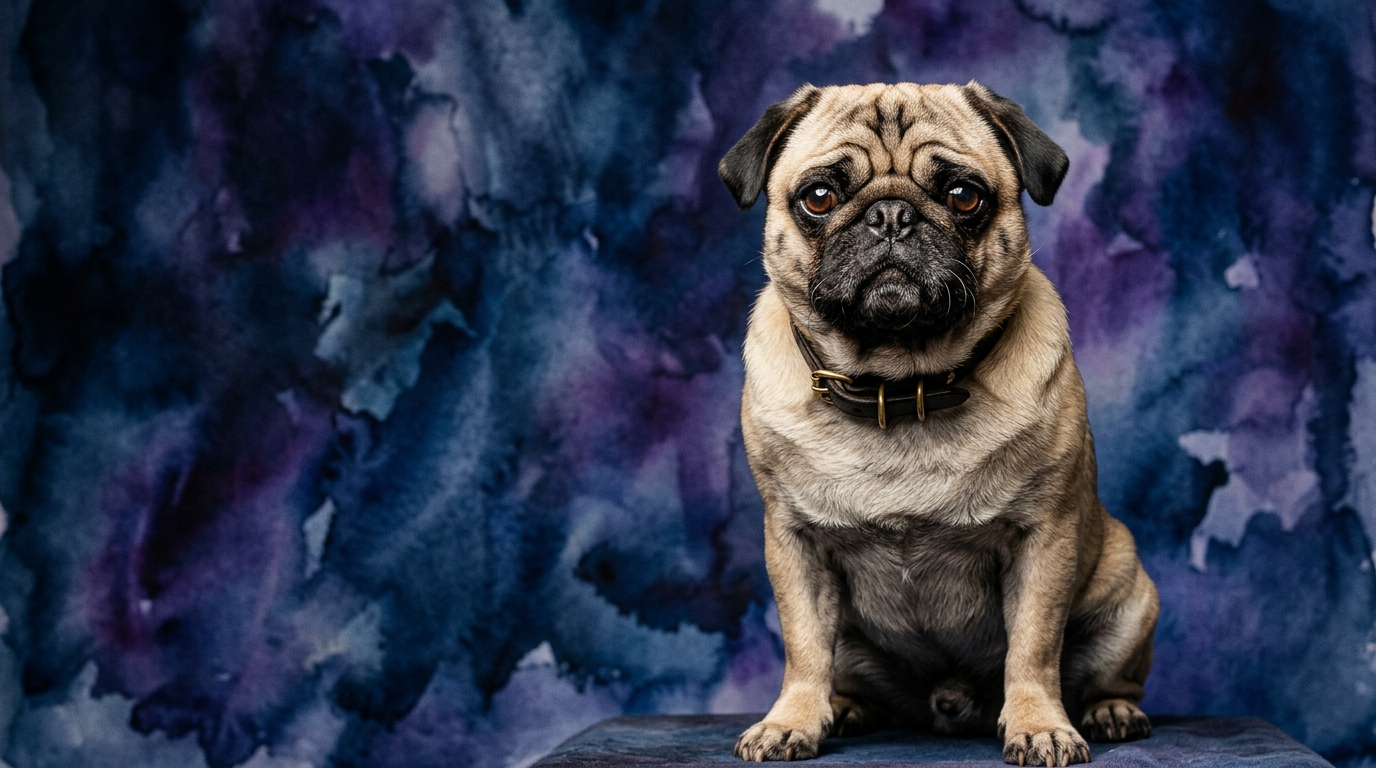
The **Pug**, a beloved Toy breed, ranks #57 on the Coren scale, reflecting a cognitive profile optimized for companionship and charming interaction. Their Problem Solving is rated 2/5, indicating they are less inclined towards complex independent tasks or figuring out intricate puzzles, often preferring to rely on their human companions. Training Speed for a Pug is 2/5; while they can learn, their motivation often hinges on comfort and social reward rather than an inherent drive to perform complex commands quickly. Where Pugs truly shine is in Social Intelligence, scoring a perfect 5/5. They are masters at reading human emotions, manipulating for affection, and forming deep, intuitive bonds that are the cornerstone of their existence. Their Instinctive Drive is a modest 2/5, meaning they possess low prey drive and little inclination for working tasks, favoring a relaxed, domestic life. Finally, their Memory is 3/5, allowing them to recall routines, preferred people, and basic commands, though perhaps not extensive sequences over long periods.
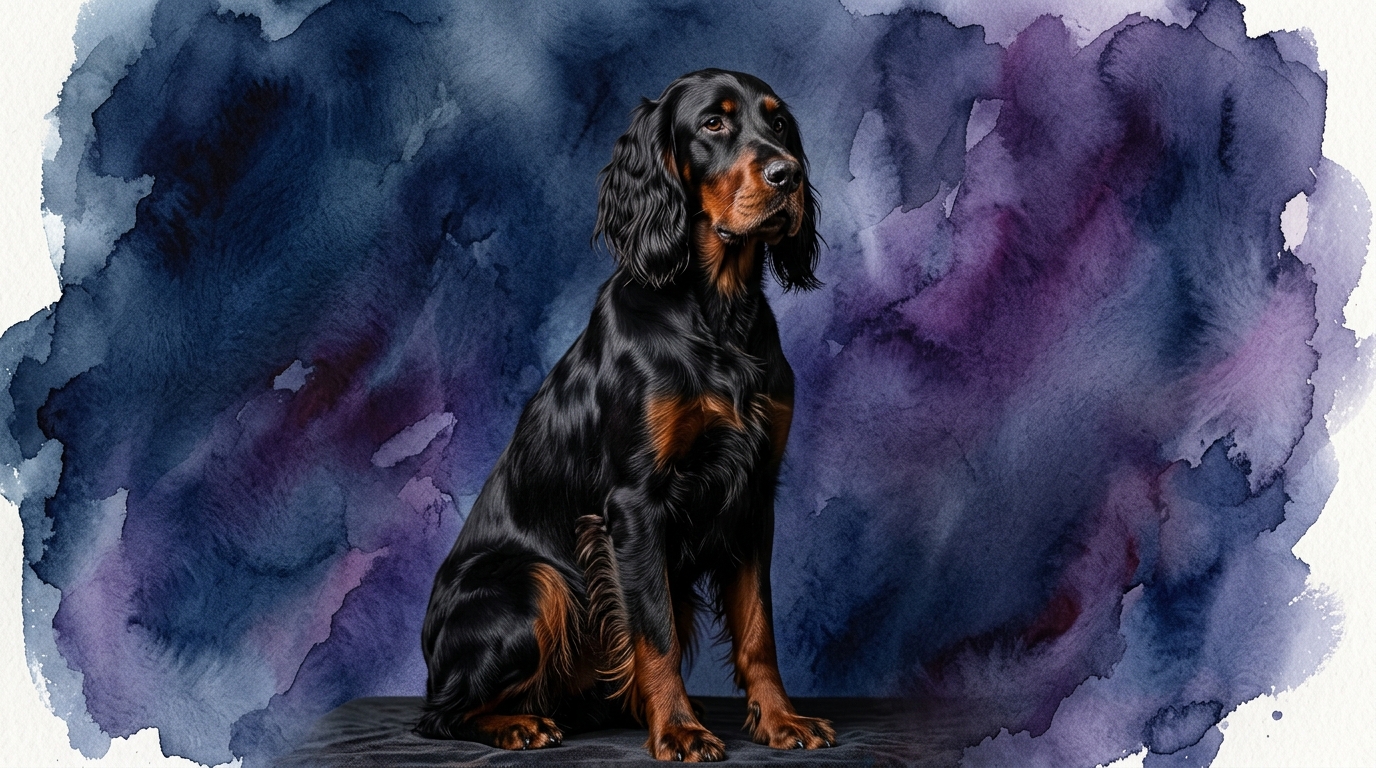
In contrast, the **Gordon Setter**, a distinguished Sporting breed, holds a Coren rank of #39, reflecting a more performance-oriented cognitive makeup. Their Problem Solving ability is strong at 4/5, enabling them to navigate complex environments, strategize during retrieving tasks, and figure out solutions to practical challenges they encounter in the field or at home. Their Training Speed is also high at 4/5, as they are eager learners who absorb new commands and concepts with focus and a desire to please their handlers. The Gordon Setter's Social Intelligence is 3/5; while they form strong bonds with their families, their social interactions are often more centered on cooperative partnership and understanding commands than on the subtle, charming manipulation of a Pug. Their Instinctive Drive is 3/5, reflecting their natural hunting and tracking abilities, an innate desire to work, and a keen interest in exploring their surroundings. Their Memory scores 4/5, allowing them to recall a wide array of commands, complex sequences, and locations, making them highly capable in training and sport.
Where the Pug Wins Cognitively
The Pug's undisputed cognitive triumph lies in its exceptional Social Intelligence (5/5). This isn't just about being friendly; it's a sophisticated ability to read and respond to human emotions with remarkable precision. A Pug can gauge your mood, often offering comfort or seeking attention exactly when it's most needed. Their charm is a highly effective form of social problem-solving, allowing them to navigate their world primarily through eliciting human affection and care. They understand subtle cues, such as a shift in your tone or body language, and adapt their behavior to maintain their cherished place as a beloved companion. This profound emotional attunement means they excel at forming incredibly deep, intuitive bonds, making them unparalleled masters of companionship and emotional support. They don't need to retrieve a dummy or solve a puzzle box; their greatest cognitive feat is understanding the human heart.
Where the Gordon Setter Wins Cognitively
The Gordon Setter's cognitive strengths are rooted in practical application and a desire for purpose, allowing them to excel where the Pug prefers to observe. They achieve a superior Problem Solving score of 4/5, demonstrating an impressive capacity to independently figure out how to retrieve a hidden object, navigate obstacles in varied terrain, or even strategize during a training exercise. This is complemented by their high Training Speed (4/5) and strong Memory (4/5). They quickly grasp multi-step commands and retain them over time, enabling them to learn complex routines for field work, obedience trials, or agility courses. A Gordon Setter's mind is wired for sequential learning and applying learned knowledge to new situations, making them capable of understanding cause and effect in their environment. Their keen senses, combined with their cognitive abilities, allow them to process information about their surroundings efficiently, whether it's tracking a scent or remembering the layout of a new park.
Which is Easier to Train and Why
When it comes to ease of training, the **Gordon Setter** generally presents a more straightforward path. Their higher Training Speed (4/5) and Problem Solving (4/5) mean they absorb new commands and concepts quickly. Gordon Setters possess a strong desire to work cooperatively with their owners, often viewing training as an engaging activity rather than a chore. They are focused, eager to please, and enjoy the mental stimulation that structured learning provides. This makes them amenable to various training disciplines, from basic obedience to advanced field work, and they retain what they learn effectively thanks to their strong Memory (4/5).
The **Pug**, with its lower Training Speed (2/5) and Instinctive Drive (2/5), can be more challenging to train. Their primary motivation isn't to perform tasks for their owner, but rather to secure comfort, affection, and food. Pugs often have a strong independent streak; what might be perceived as 'stubbornness' is often a preference for their own agenda over rigorous command execution. Training a Pug requires immense patience, creativity, and consistent positive reinforcement, often leveraging their love for treats and attention. While they are capable of learning, their progress is typically slower, and house training can be particularly arduous due to their smaller bladder and tendency to prioritize indoor comfort. Their excellent Social Intelligence allows them to charmingly deflect demands if not properly motivated.
Which Suits Active Owners vs. Relaxed Owners
For **active owners**, the **Gordon Setter** is the clear choice. These dogs possess a moderate Instinctive Drive (3/5) and the cognitive capacity for sustained engagement. They thrive on significant physical exercise, such as long hikes, running alongside a bike, or vigorous retrieving games. Beyond physical activity, their Problem Solving (4/5) and Memory (4/5) demand mental stimulation. Owners who enjoy activities like scent work, agility, advanced obedience, or field trials will find a Gordon Setter a highly capable and enthusiastic partner. Their intelligence truly shines when given a 'job' to do, requiring consistent interaction and challenges that engage both their body and mind.
Conversely, **relaxed owners** will find the **Pug** a perfect fit. With a low Instinctive Drive (2/5) and a preference for comfort, Pugs are content with short, leisurely walks and ample time spent indoors. Their superior Social Intelligence (5/5) means their primary need is companionship and close proximity to their human family. They are happy to curl up on the couch, observe household activities, and offer quiet affection. Owners who prefer a less demanding exercise routine and value a constant, charming, and emotionally attuned presence will find the Pug's laid-back nature and deep bond-forming abilities to be immensely rewarding. Their cognitive strengths are perfectly aligned with a life of domestic bliss and unwavering companionship.
The Verdict
Choose a Pug if you prioritize unparalleled companionship, a low-energy lifestyle, and appreciate a dog whose primary cognitive strength lies in deeply understanding and engaging with human emotion.
Opt for a Gordon Setter if you seek a capable, cooperative partner for outdoor adventures and mental challenges, valuing a dog that excels in structured learning and practical problem-solving.
🧠 Find Your Pet's IQ Score
Our Pet IQ Lab assessment covers 25+ tests across 5 cognitive dimensions — personalized to your breed.
Take the Full IQ Test →Frequently Asked Questions
Are Pugs truly 'stubborn' or is it something else?
Pugs aren't necessarily stubborn in a negative sense, but their training speed and instinctive drive are lower. They prioritize comfort and social interaction over strict obedience, meaning they need motivation tailored to their preferences, often involving treats and praise. Their perceived 'stubbornness' is often a strong preference for their own agenda and comfort.
What kind of mental stimulation do Gordon Setters need?
Gordon Setters benefit from activities that engage their problem-solving and memory, such as advanced obedience, scent work, agility, or retrieving games. Regular opportunities to explore and work alongside their owner, simulating their natural hunting instincts, are crucial for their cognitive well-being.
How does social intelligence differ between these two breeds?
The Pug's social intelligence (5/5) is geared towards reading subtle human cues, eliciting affection, and forming deep, intuitive bonds, often through charming manipulation. The Gordon Setter's social intelligence (3/5) focuses more on cooperative partnership, understanding commands, and working effectively alongside their human family.