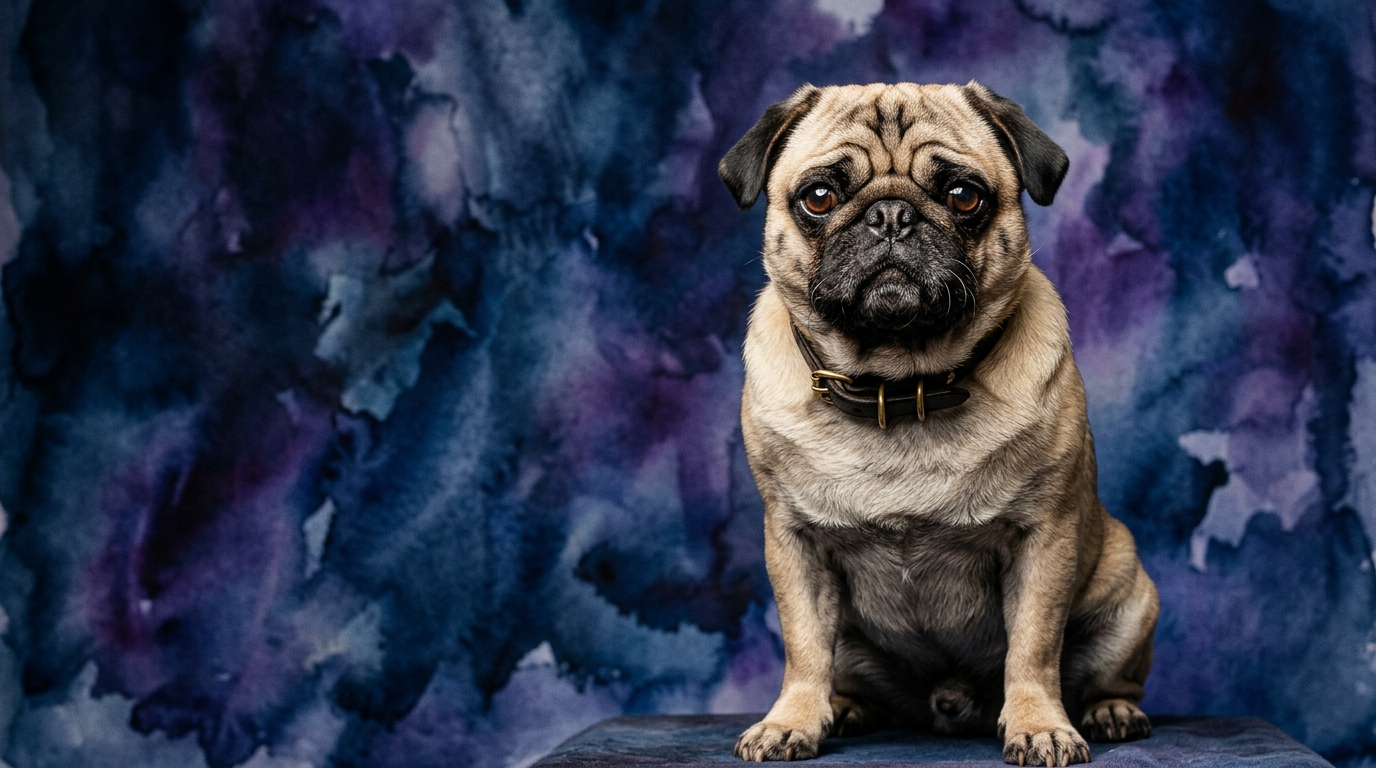
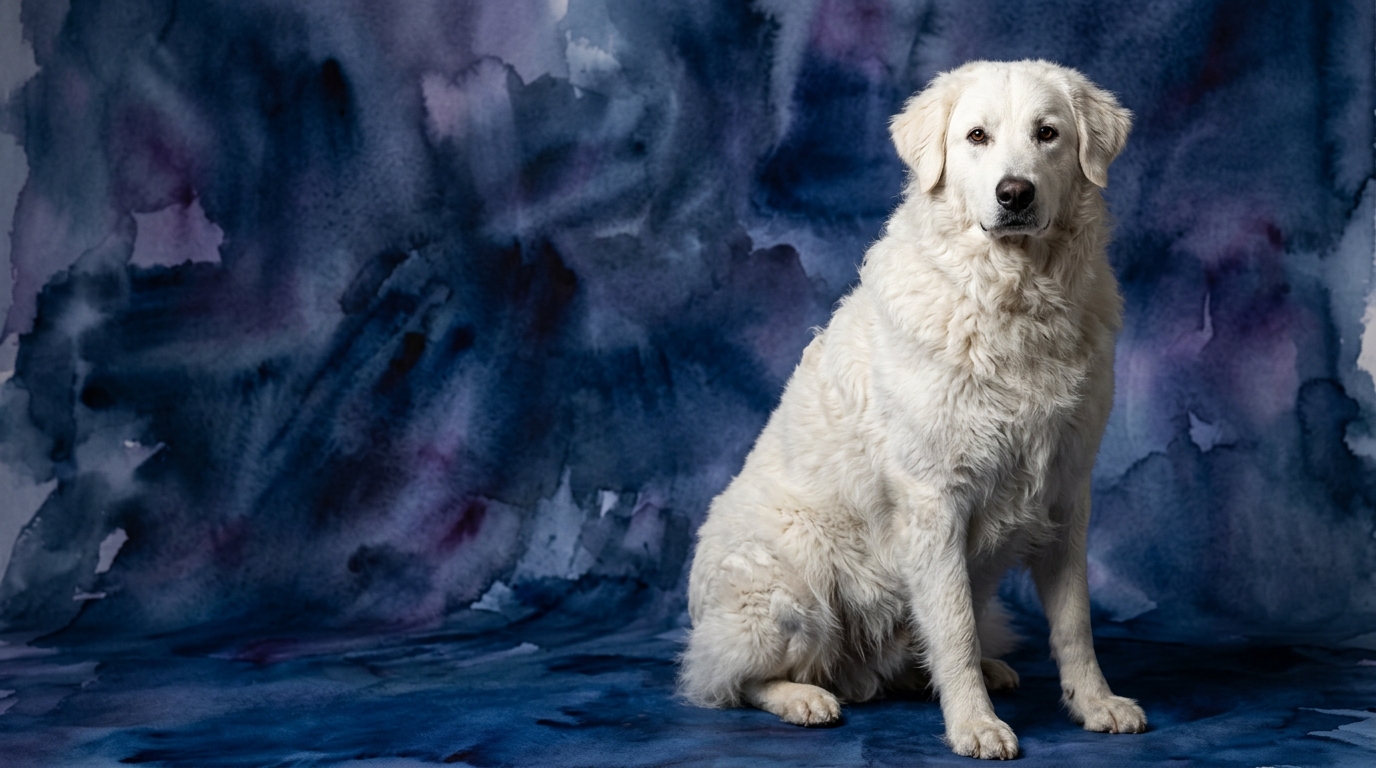
Side-by-Side IQ Profile: Pug vs. Kuvasz
**Pug (Toy Group, Coren Rank #57):**
**Problem Solving (2/5):** Pugs typically approach novel situations by seeking human assistance rather than devising complex independent solutions. Their cognitive preference leans towards reliance and companionship over intricate strategic thinking for challenges.
**Training Speed (2/5):** Learning new commands generally requires more consistent repetition and engaging motivation for Pugs. Their attention can wander, necessitating patient and fun training methods to solidify new behaviors.
**Social Intelligence (5/5):** This is the Pug's standout cognitive strength, an exceptional capacity to understand and respond to human emotions and social cues. They form deep, intuitive bonds, adeptly reading moods and adapting their behavior for social harmony within their family unit.
**Instinctive Drive (2/5):** Their genetic programming emphasizes companionship, resulting in low-intensity innate drives for tasks like hunting or guarding. Playful chasing may occur, but these drives are typically mild and easily redirected.
**Memory (3/5):** Pugs demonstrate a moderate capacity for retaining learned information, routines, and familiar individuals. They recall commands and experiences, though perhaps not with the precision or long-term detail seen in breeds bred for demanding work.
**Kuvasz (Working Group, Coren Rank #42):**
**Problem Solving (3/5):** The Kuvasz possesses a solid aptitude for independent problem-solving, particularly in scenarios related to their historical guarding role. They can assess situations and formulate appropriate responses, often without direct human instruction, showcasing practical self-sufficiency.
**Training Speed (3/5):** Kuvasz dogs learn at a respectable pace, grasping new concepts with a moderate number of repetitions. Their learning is often purpose-driven, though their independent streak can sometimes be perceived as stubbornness.
**Social Intelligence (3/5):** While capable of strong family bonds, the Kuvasz's social intelligence is more selective and protective. They are discerning with strangers, and their social cues are geared towards assessing potential threats and maintaining order.
**Instinctive Drive (3/5):** Possessing a robust instinctive drive for guarding and protection, the Kuvasz is inherently alert and territorial. This manifests as a strong sense of responsibility for their family and property, driving watchful observation and patrolling behaviors.
**Memory (4/5):** Kuvasz dogs exhibit notable memory, allowing them to recall complex training sequences, remember specific individuals or perceived threats over extended periods, and retain detailed spatial awareness of their environment, supporting their vigilant role.
Where the Pug Wins Cognitively
The Pug's primary cognitive advantage lies in its unparalleled social intelligence, scoring a perfect 5/5. Their exceptional capacity to interpret human emotions and social cues means a Pug is remarkably adept at understanding your moods, often responding with comforting gestures or playful antics. They excel at forming deep, intuitive bonds, making them highly empathetic companions who seamlessly integrate into family dynamics by reading the room. This specific and profound form of intelligence optimizes them for companionship, prioritizing social cohesion and emotional connection above all else, allowing them to navigate complex household relationships with grace and seek harmonious interaction.
Where the Kuvasz Wins Cognitively
The Kuvasz demonstrates superior cognitive strengths in areas demanding independent judgment and sustained attention, particularly problem-solving and memory. With a 3/5 in problem-solving, they are more inclined to analyze and act autonomously in novel situations, especially those related to their inherent guarding instincts. This involves assessing a potential threat or environmental change and deciding on a course of action without direct instruction. Their 4/5 memory is another significant advantage, allowing them to retain detailed information about their territory, past encounters, and learned protocols, crucial for a vigilant guardian. This cognitive capacity supports complex, long-duration tasks like extensive property patrolling.
Which is Easier to Train and Why
When considering ease of training, the Pug and Kuvasz present distinct profiles. The Pug, with a Training Speed of 2/5, generally requires more patience and repetition. Their lower instinctive drive (2/5) means they aren't inherently task-driven, making motivation often reliant on positive reinforcement like treats and praise. Their tendency for distraction means training sessions need to be short, engaging, and consistent to embed commands effectively in a low-pressure, fun environment. Conversely, the Kuvasz scores 3/5 in Training Speed. While suggesting a quicker grasp of commands, their independent nature and higher problem-solving aptitude (3/5) mean they might question commands or seek to understand the 'why.' They respond well to fair, consistent leadership, valuing partnership. A Kuvasz needs to understand the purpose of a task, especially if it aligns with their guarding role, to fully commit. Thus, Pug training difficulty stems from distractibility, while Kuvasz challenges arise from independent thought.
Which Suits Active Owners vs. Relaxed Owners
For active owners seeking a canine partner for adventures and structured activities, the Kuvasz is generally a more fitting choice. Their moderate instinctive drive (3/5) and practical problem-solving skills (3/5) mean they appreciate having a "job" or purpose, such as accompanying owners on long hikes or participating in dog sports. They possess the mental stamina for sustained engagement, thriving on routines involving patrolling or exploration. Their strong memory (4/5) also suits learning complex routes. In contrast, the Pug, with its lower instinctive drive (2/5) and moderate physical needs, is an ideal match for more relaxed owners. Their exceptional social intelligence (5/5) means their primary fulfillment comes from close companionship and emotional interaction. They are content with leisurely strolls and ample cuddle time, prioritizing comfort and human connection over strenuous exertion.
The Verdict
Choose a Pug if you prioritize an exceptionally socially intelligent, emotionally attuned companion who thrives on close human interaction and requires minimal strenuous activity.
Choose a Kuvasz if you seek an independent, discerning guardian with strong problem-solving and memory capabilities, suited for a purposeful role and owners who appreciate a more self-reliant canine.
🧠 Find Your Pet's IQ Score
Our Pet IQ Lab assessment covers 25+ tests across 5 cognitive dimensions — personalized to your breed.
Take the Full IQ Test →Frequently Asked Questions
Does the Pug's low problem-solving score mean it cannot learn?
Not at all; a 2/5 problem-solving score means Pugs typically prefer relying on human guidance rather than devising complex solutions independently. They can certainly learn and adapt, especially when social cues and positive reinforcement are involved, but their approach to novel challenges is less about self-directed strategizing.
Is the Kuvasz's independence a sign of disinterest in its owners?
The Kuvasz's independence (reflected in its problem-solving and instinctive drive scores) is a characteristic of its guardian heritage, not disinterest. They form deep bonds but are wired to make judgments and act autonomously when necessary, particularly concerning the safety of their family and territory.
How does social intelligence differ between these two breeds?
The Pug's 5/5 social intelligence is about deep emotional attunement and seamless integration into family dynamics, prioritizing human connection. The Kuvasz's 3/5 social intelligence is more about discerning interactions, being reserved with strangers, and assessing social cues in the context of protection and territorial awareness.