Side-by-Side Cognitive Profiles
The Cosmic Pet Pet IQ Lab delves into the unique cognitive architectures of two distinct breeds: the charming Pug and the spirited Manchester Terrier. While both are cherished companions, their mental blueprints offer fascinating contrasts, shaping their behaviors and suitability for various human lifestyles. Understanding these dimensions provides a clearer picture of what to expect from each.
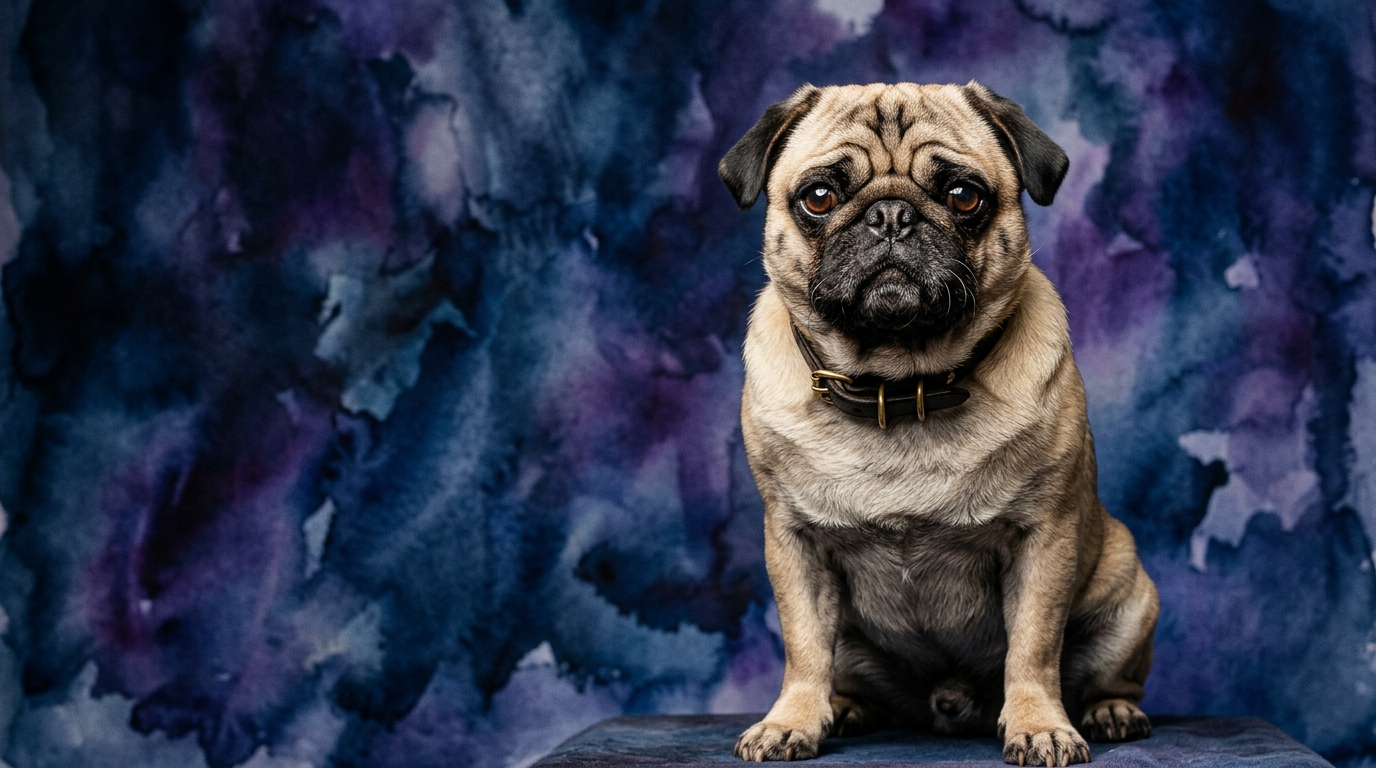
For the Pug, a Toy breed, their cognitive profile paints a picture of a devoted, emotionally astute companion. Their Problem Solving scores a modest 2/5; Pugs are not typically the breed to independently strategize solutions to complex environmental puzzles. Instead, they often prefer to observe and, more frequently, solicit human assistance through endearing looks or nudges, relying on their family to navigate challenges. Their Training Speed also stands at 2/5. While capable of learning, Pugs often require an abundance of patience, creativity, and highly motivating rewards. Their independent spirit can sometimes be perceived as stubbornness, meaning new commands or routines may demand numerous repetitions and a consistently engaging approach to truly stick. The Pug's crowning cognitive achievement is its Social Intelligence, rated a remarkable 5/5. This isn't merely friendliness; it signifies an exceptional ability to read human emotions, understand subtle social cues, and integrate seamlessly into family dynamics, often anticipating needs and offering comfort. Their Instinctive Drive is low, at 2/5. Bred purely for companionship, Pugs exhibit minimal prey drive, guarding instincts, or desire for strenuous outdoor tasks, preferring cozy indoor environments and close human contact. Their Memory is a balanced 3/5, allowing them to retain learned behaviors and routines, especially those associated with comfort, positive reinforcement, or their favorite people and places, ensuring consistent interactions within their established environment. As a Coren-ranked breed at #57, they fall into the "Average Working/Obedience Intelligence" category, indicating a steady, if not rapid, learning curve for basic obedience.
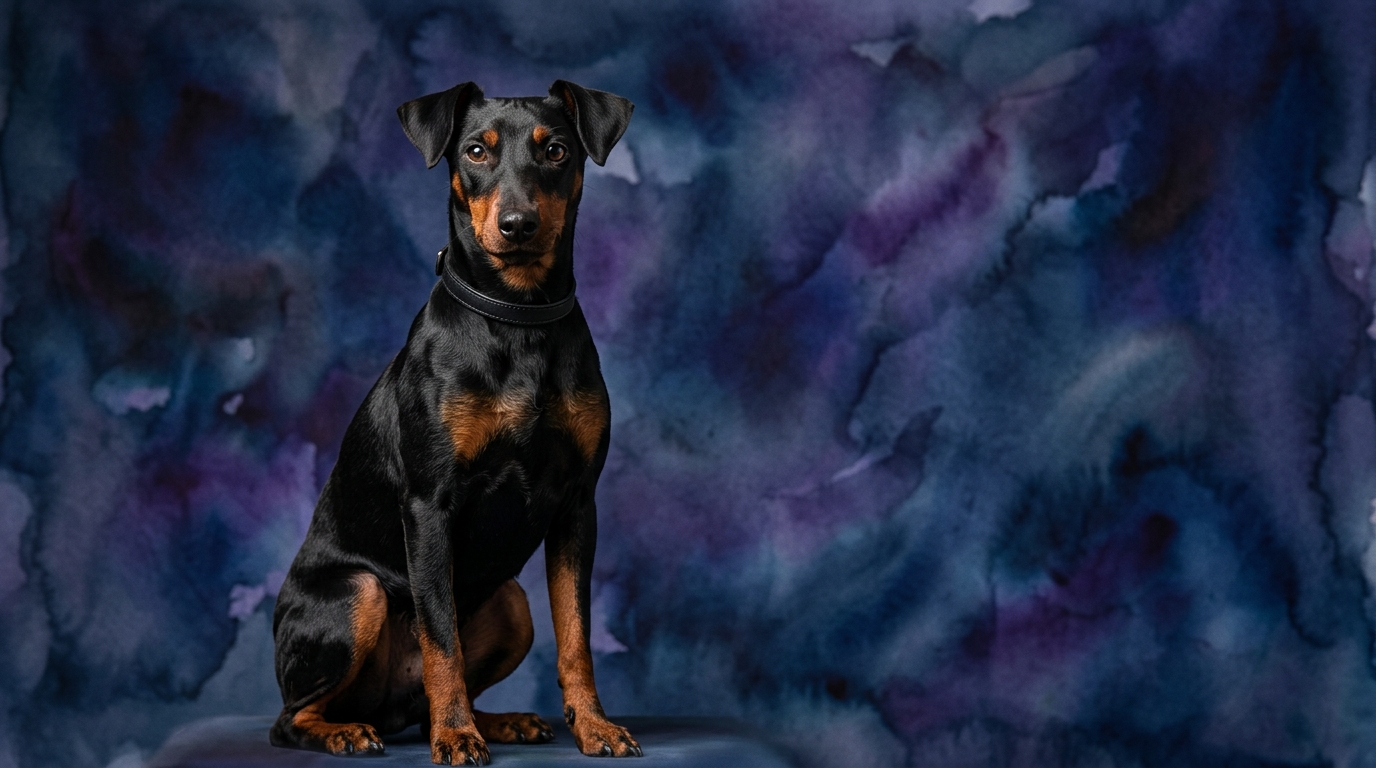
In contrast, the Manchester Terrier, a member of the Terrier group, presents a more active and independent cognitive makeup. Their Problem Solving is rated 3/5, indicating a moderate capacity for independent thought and resourcefulness. Manchester Terriers are more inclined to experiment with solutions when faced with an obstacle, demonstrating a degree of ingenuity in figuring out how to access a desired item or navigate a tricky space. Their Training Speed also sits at 3/5. This suggests they learn new commands and routines at a reasonable pace, often eager to engage in structured activities when properly motivated. They are generally responsive and can be quite rewarding to train for those who understand their terrier temperament. The Manchester Terrier's Social Intelligence is 3/5, reflecting a loyal and affectionate bond with their immediate family, though they may exhibit more reserve or discernment with strangers compared to a Pug. Their social understanding is practical, focused on their core pack. Their Instinctive Drive scores a 3/5, a clear nod to their heritage as agile ratters and alert watchdogs. This drive manifests as a keen awareness of their surroundings, a potential prey drive towards small scurrying creatures, and an inclination to dig or investigate, requiring appropriate outlets for these natural behaviors. Their Memory is also 3/5, enabling them to reliably recall training, routines, and experiences, contributing to their consistent and predictable behavior patterns once established. While not included in Coren's specific ranking, their cognitive scores suggest a capable learner with a distinct terrier spirit.
Where the Pug Wins Cognitively
The Pug's undisputed strength lies in its exceptional social intelligence, scoring a perfect 5/5. This isn't just about being generally friendly; it reflects a profound capacity to read and respond to human emotions and subtle social cues with remarkable precision. A Pug can often sense a shift in mood, offering comfort or initiating gentle play at just the right moment, making them unparalleled emotional support companions. Their ability to integrate seamlessly into family dynamics, often becoming the emotional glue of a household, stems directly from this acute social perception. While other breeds might offer companionship, the Pug offers a nuanced, almost empathetic connection, understanding the subtle language of human interaction and adapting their behavior accordingly. This cognitive advantage means they are naturally inclined to maintain harmony within the household, often defusing tension with a well-timed head tilt or a comforting nudge.
Where the Manchester Terrier Wins Cognitively
The Manchester Terrier demonstrates a clear cognitive edge in problem-solving and instinctive drive, both scoring 3/5 compared to the Pug's 2/5. This breed possesses a more independent and resourceful mindset, evident in their approach to challenges. When faced with a novel situation, a Manchester Terrier is more likely to assess and devise a solution on its own, rather than immediately seeking human intervention or giving up. Their problem-solving prowess might manifest in figuring out how to open a cabinet, retrieve a dropped toy from a tricky spot, or navigate a complex environment independently. Furthermore, their stronger instinctive drive, rooted in their terrier heritage, equips them with a keen sense of their surroundings and a natural inclination to investigate and act. This drive, while requiring appropriate outlets and management, translates into a more alert, engaged, and often more proactive companion, perpetually aware of their environment and eager for exploration.
Which is Easier to Train and Why
When it comes to formal training, the Manchester Terrier generally presents a slightly smoother path than the Pug, primarily due to differences in their training speed and the nature of their instinctive drives. The Manchester Terrier's 3/5 training speed suggests a moderate receptiveness to learning and a quicker grasp of new commands, especially when motivated by engaging, reward-based methods. Their balanced social intelligence means they are keen to work with their handler without being overly dependent or easily distracted by every environmental stimuli. While they possess a moderate instinctive drive, this can be skillfully channeled into focused activities like agility, scent work, or advanced obedience, making training sessions productive and stimulating. In contrast, the Pug's 2/5 training speed, coupled with their lower instinctive drive, means they often require significantly more repetition and a highly patient, consistently positive reinforcement approach. Pugs are masters of charming manipulation; their superior social intelligence might lead them to use their endearing nature to avoid tasks they deem uninteresting or too demanding. Their independent streak can be perceived as stubbornness, meaning an owner needs to make training exceptionally fun and consistently reinforce desired behaviors for lasting results. A Manchester Terrier, while capable of independent thought, is often more inclined to engage in structured learning activities, viewing them as a cooperative partnership, whereas a Pug might view them as an optional suggestion to consider.
Which Suits Active Owners vs. Relaxed Owners
The distinct cognitive profiles of these two breeds clearly align with different owner lifestyles. The Manchester Terrier, with its moderate problem-solving, training speed, and instinctive drive (all 3/5), is better suited for active, engaging owners. Their mental agility and inherent drive mean they thrive with regular, varied engagement, both physical and intellectual. Owners who enjoy activities like brisk walks, hiking, dog sports such as agility or obedience, or even just consistent puzzle toys and training sessions will find a Manchester Terrier to be an enthusiastic, capable, and mentally satisfied partner. Their alertness and curiosity require an environment that provides ample outlets for exploration and mental stimulation, which is crucial for preventing boredom and potential destructive behaviors. Conversely, the Pug, with its lower problem-solving and instinctive drive (both 2/5) and supreme social intelligence (5/5), is an ideal match for more relaxed, home-centric owners. Pugs are generally content with moderate, leisurely walks and prefer indoor activities that maximize human interaction and physical closeness. Their primary cognitive need is profound social connection and comfort, making them perfect companions for individuals or families who spend a lot of time at home and desire a dog who is a constant, affectionate, and emotionally intuitive presence. They excel at being devoted lap warmers and emotional anchors, requiring mental stimulation primarily through social interaction rather than complex tasks or strenuous physical challenges.
The Verdict
Choose a Pug if your priority is an emotionally attuned companion who thrives on social interaction and gentle affection, requiring less structured mental stimulation or physical exertion.
Opt for a Manchester Terrier if you seek a more independent, mentally agile partner for active pursuits and enjoy engaging in consistent training and problem-solving activities.
🧠 Find Your Pet's IQ Score
Our Pet IQ Lab assessment covers 25+ tests across 5 cognitive dimensions — personalized to your breed.
Take the Full IQ Test →Frequently Asked Questions
Is a Pug difficult to train?
Pugs aren't necessarily difficult, but they do require patience and consistent, positive reinforcement due to their moderate training speed and occasional stubbornness. Making training fun and rewarding is key to engaging their attention and ensuring compliance.
Do Manchester Terriers require a lot of exercise?
Manchester Terriers have a moderate energy level and instinctive drive, meaning they benefit from regular daily exercise and mental stimulation to stay happy and well-behaved. This can include brisk walks, playtime, and engaging in dog sports.
Which breed is better with children?
Both breeds can be good with children, but their approaches differ; Pugs often excel due to their high social intelligence and gentle nature, while Manchester Terriers, though loyal, might require more supervision with very young children due to their higher energy and independent streak.