Side-by-Side IQ Profile: Pug vs. Miniature Poodle
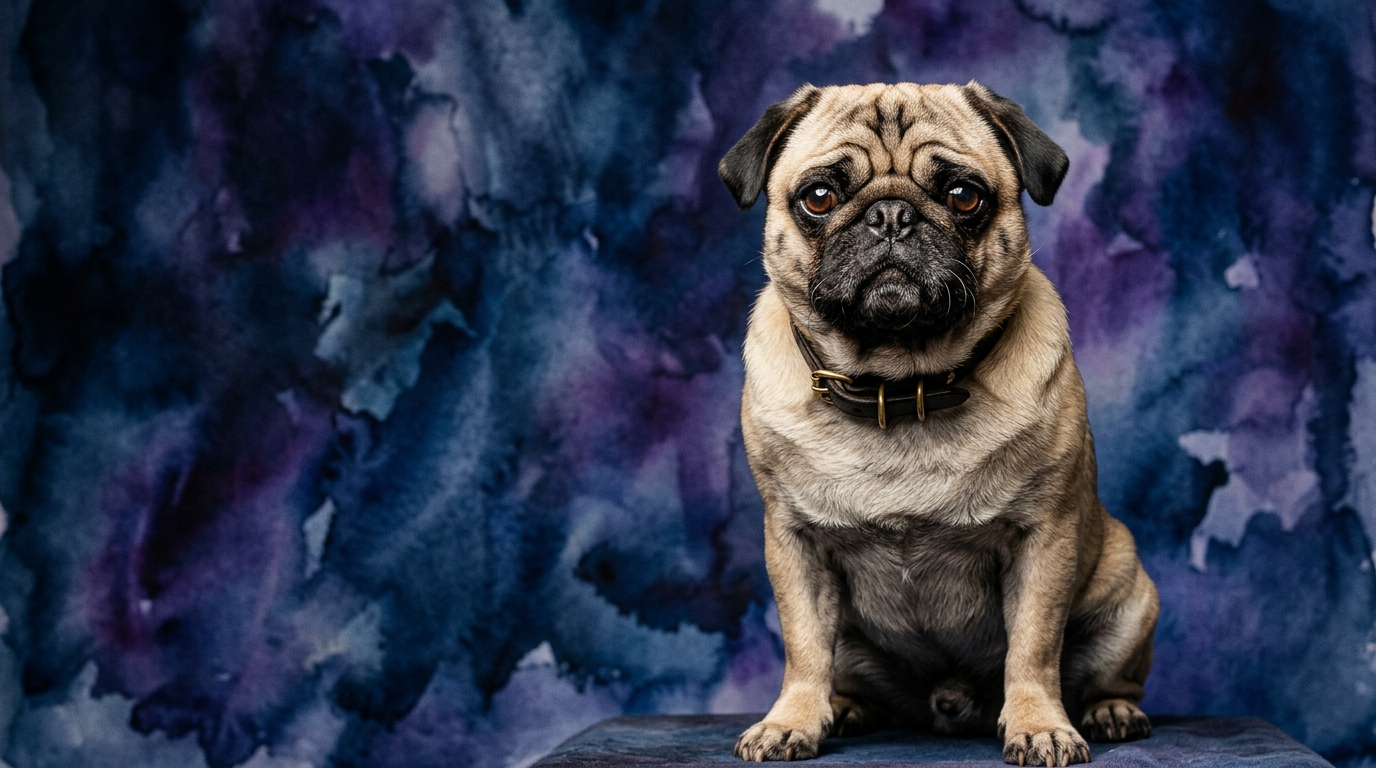
The Pug, a Toy breed with a Coren rank of #57, offers a unique cognitive makeup. Their Problem Solving is rated at 2/5, suggesting they might not independently figure out complex puzzles or navigate novel challenges without guidance. Training Speed also sits at 2/5, indicating that mastering new commands and behaviors often requires significant repetition and patience. However, the Pug's Social Intelligence is an exceptional 5/5, reflecting their profound ability to understand human emotions, cues, and their innate desire for connection. Their Instinctive Drive is a modest 2/5, meaning they are less compelled by primal urges like hunting or herding, which contributes to their calm demeanor. Finally, their Memory is scored at 3/5, indicating a moderate ability to recall past experiences and learned information.
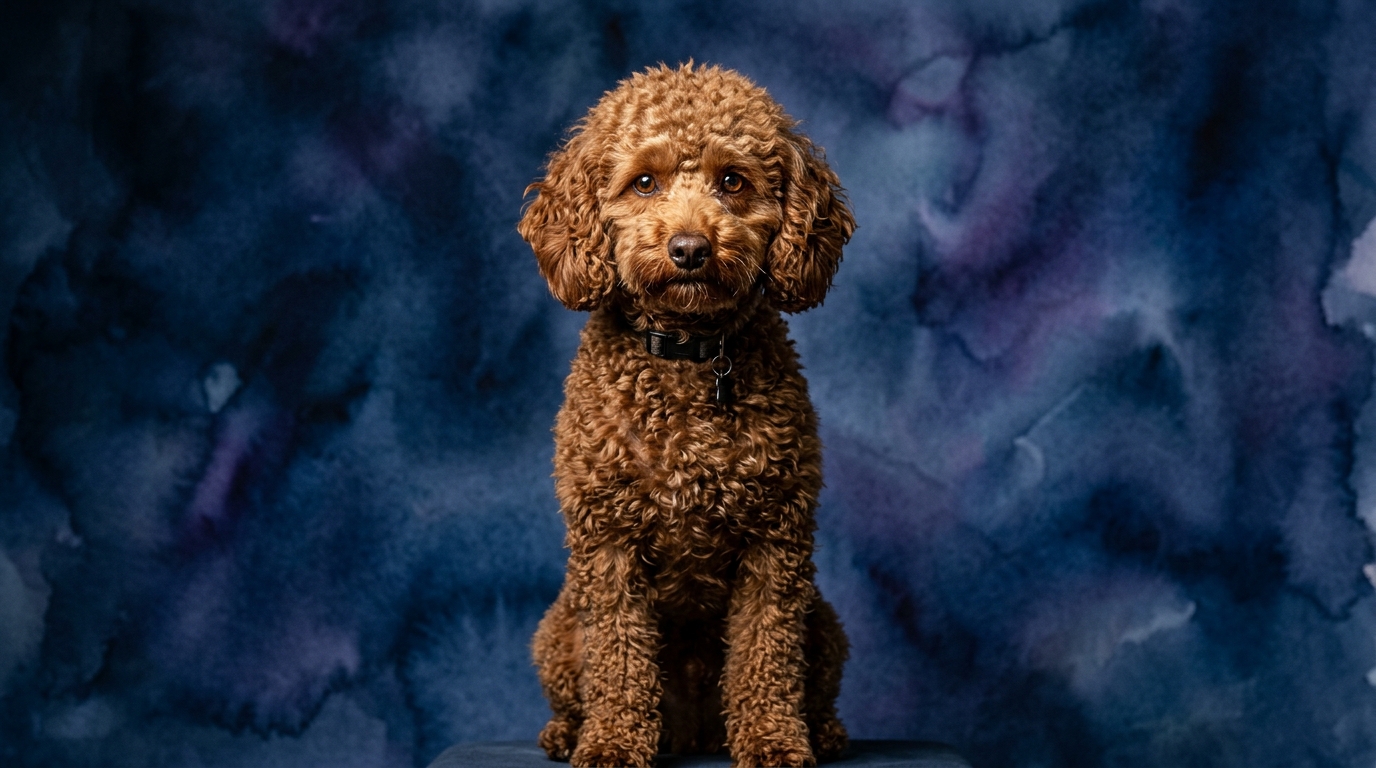
Hailing from the Non-Sporting group, the Miniature Poodle, with a Coren rank of #2, presents a remarkably different cognitive landscape. Their Problem Solving ability is an impressive 5/5, showcasing a keen aptitude for independent thought and navigating complex situations. Training Speed matches this at 5/5, meaning they typically grasp new commands and concepts with remarkable swiftness, often requiring fewer repetitions than many other breeds. While their Social Intelligence is a respectable 3/5, suggesting good connection with humans, it's not their defining cognitive strength compared to the Pug. Their Instinctive Drive is rated 3/5, indicating a balanced level of innate urges that can be channeled into productive activities. A standout feature is their Memory, rated 5/5, signifying an excellent capacity for retaining vast amounts of information and learned behaviors over extended periods.
Where the Pug's Mind Shines Brightest
The Pug's cognitive strength lies unequivocally in its social intelligence, rated an outstanding 5/5. This isn't merely about being affectionate; it's a deep-seated ability to read and respond to human emotional states with remarkable accuracy. A Pug can sense when its owner is sad, anxious, or happy, often adjusting its behavior to provide comfort or share in the joy. This exceptional social acumen makes them unparalleled companions, adept at forming profound, empathic bonds. Their moderate memory (3/5) often serves this social function, allowing them to remember specific interactions, routines, and the preferences of their human family members, further cementing their role as intuitive emotional support animals. Unlike breeds with strong instinctive drives, the Pug's lower score (2/5) means they are less distracted by external stimuli like scents or movement, allowing them to focus almost entirely on their human counterparts. This single-minded devotion to connection is a unique cognitive advantage, making them masters of companionship.
The Miniature Poodle's Cognitive Prowess
The Miniature Poodle's intellect is defined by its exceptional problem-solving capabilities (5/5), rapid training speed (5/5), and remarkable memory (5/5). This combination makes them incredibly adaptable and capable learners. They don't just follow commands; they often seem to understand the underlying intention, allowing them to generalize learned behaviors to new situations. For instance, a Poodle trained to retrieve a specific toy might quickly figure out how to retrieve other objects with similar characteristics, even if not explicitly taught. Their high problem-solving skills mean they excel at figuring out puzzle toys, navigating obstacle courses, or even opening cabinets. The Poodle's memory is a powerful asset, enabling them to retain vast repertoires of commands, tricks, and routines without constant refreshing, which is a significant advantage in advanced training or performance sports. This breed thrives on mental engagement, using its sharp cognitive tools to analyze, learn, and adapt, making them highly capable of complex tasks and consistent performance.
Training Dynamics: A Tale of Two Learners
Training a Pug and a Miniature Poodle presents distinctly different experiences, primarily due to their contrasting Training Speed and Problem Solving scores. With a Training Speed of 2/5 and Problem Solving at 2/5, Pugs typically require a patient and consistent approach. They might need many more repetitions to grasp a new command, and abstract concepts can be particularly challenging. Their learning style often benefits from short, positive reinforcement-heavy sessions, where the reward is highly motivating, perhaps a favorite treat or a snuggle, reinforcing their social bond. Owners should expect a slower progression, celebrating small successes rather than pushing for rapid mastery. A Pug's learning isn't about speed or complex problem-solving; it's about building a routine through gentle repetition and leveraging their strong desire to please their human.
Conversely, the Miniature Poodle, with its 5/5 Training Speed and 5/5 Problem Solving, is a truly eager and swift learner. They often pick up new commands after just a few repetitions and can quickly understand multi-step instructions or sequences. This breed thrives on variety and challenge in training; repetitive drills can become boring if not varied. Their ability to problem-solve means they can often figure out how to perform a desired action even if the teaching method isn't perfectly clear, making them excellent candidates for advanced obedience, agility, or even complex service dog tasks. Training a Miniature Poodle is less about drilling and more about guiding their natural aptitude, often leading to a rewarding partnership in learning and skill development.
Matching Minds to Lifestyles: Active vs. Relaxed Owners
The cognitive profiles of the Pug and Miniature Poodle naturally align with different owner lifestyles. For relaxed owners who cherish companionship above all else, the Pug is often an ideal fit. Their lower Instinctive Drive (2/5) means they are generally content with a more sedentary indoor life, not constantly seeking out vigorous outdoor activities or complex mental games. Their slower Problem Solving (2/5) and Training Speed (2/5) indicate they don't demand constant mental stimulation through intricate puzzles or advanced training. Instead, a Pug's contentment stems from close proximity to their humans, enjoying quiet cuddles, short strolls, and being an integral part of family life. Their exceptional Social Intelligence (5/5) means they thrive on emotional connection, making them perfect for those seeking a devoted, low-key companion who offers abundant affection and intuitive emotional support.
Active owners, or those who enjoy engaging their dogs in various activities, will likely find the Miniature Poodle's intellect more stimulating. Their high Problem Solving (5/5), fast Training Speed (5/5), and excellent Memory (5/5) mean they genuinely need and enjoy mental challenges. This breed excels in activities like obedience trials, agility, rally, or even learning complex tricks, where their cognitive abilities are put to good use. An owner who doesn't provide sufficient mental engagement for a Miniature Poodle might find their dog inventing its own, potentially less desirable, forms of entertainment. Their moderate Instinctive Drive (3/5) means they possess enough motivation to engage in tasks but are not overwhelmed by primal urges. For an owner looking for a canine partner to learn with, explore with, and consistently challenge intellectually, the Miniature Poodle offers a profound and rewarding partnership.
The Verdict
Select a Pug if your primary desire is an emotionally intuitive, devoted companion who thrives on close human connection and is content with a more relaxed pace of life, valuing snuggles over complex tasks.
Opt for a Miniature Poodle if you seek an intellectually agile and highly trainable canine partner eager to engage in mental challenges, learn new skills, and actively participate in a dynamic lifestyle.
🧠 Find Your Pet's IQ Score
Our Pet IQ Lab assessment covers 25+ tests across 5 cognitive dimensions — personalized to your breed.
Take the Full IQ Test →Frequently Asked Questions
Are Pugs truly difficult to train?
Pugs aren't "difficult" in the sense of being stubborn, but their training speed is slower (2/5), meaning they require more patience and repetition. They respond best to positive reinforcement, short sessions, and leveraging their desire for social connection rather than relying on rapid comprehension.
Do Miniature Poodles need a lot of mental stimulation?
Yes, Miniature Poodles have high problem-solving (5/5) and memory (5/5) abilities, making mental stimulation crucial for their well-being. They thrive on puzzle toys, advanced training, and engaging activities to keep their sharp minds occupied and prevent boredom.
Which breed is better for a first-time dog owner?
For a first-time owner seeking a relatively low-maintenance companion focused on affection, a Pug can be a good choice, provided one is patient with training. If a first-timer is prepared for consistent mental engagement and enjoys an eager learner, a Miniature Poodle can also be suitable, though their cognitive demands are higher.