Side-by-Side IQ Profile: A Deep Dive into Canine Cognition
Welcome to The Cosmic Pet Pet IQ Lab, where we dissect the unique cognitive blueprints of our beloved canine companions. Today, we turn our focus to two breeds from remarkably different ends of the spectrum: the charming Pug, a perennial favorite in the Toy group, and the imposing Neapolitan Mastiff, a stalwart of the Working group. Our proprietary IQ framework evaluates five distinct dimensions of intelligence, providing a nuanced understanding of each breed’s mental landscape.
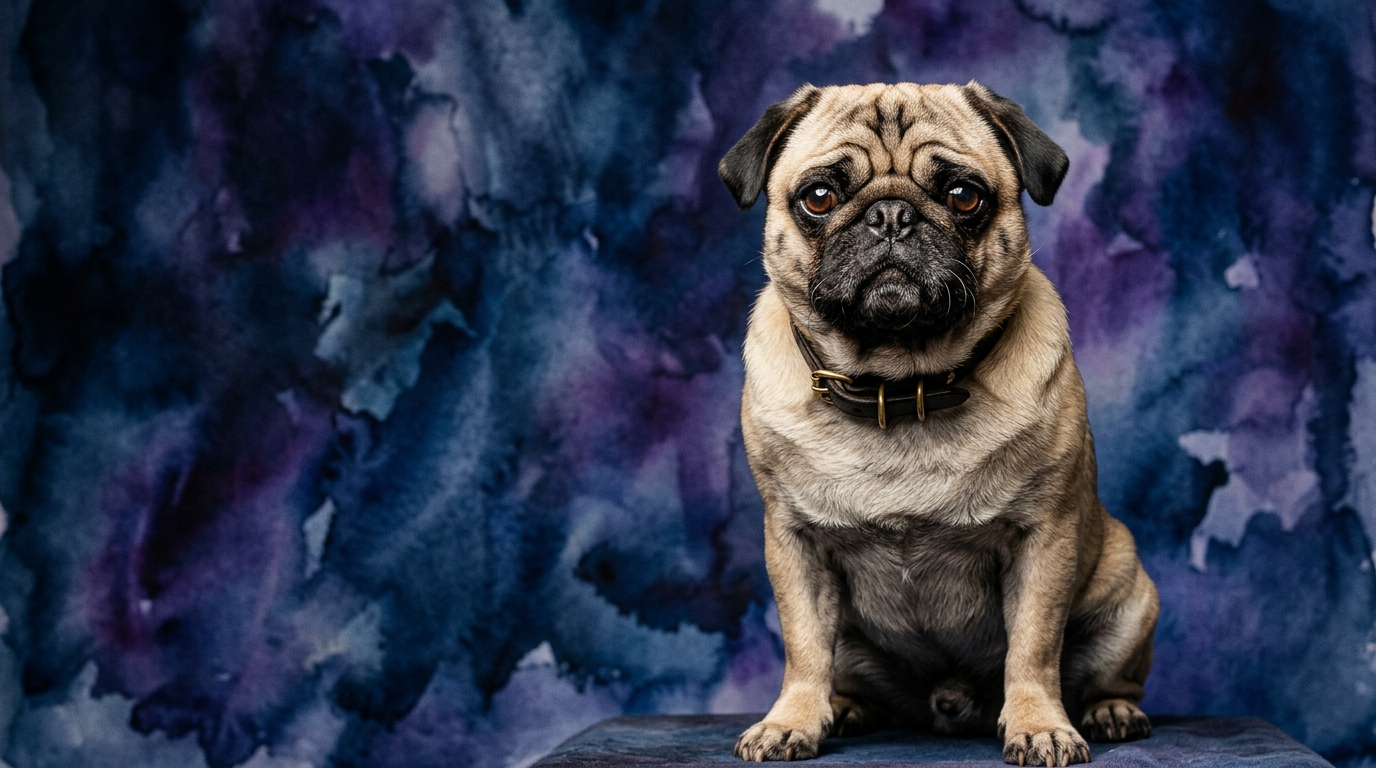
Let's first examine the Pug, a breed ranked #57 by Coren, a testament to its long history as a human companion. The Pug’s Problem Solving score sits at 2/5, indicating they are not typically inclined to devise complex solutions independently. Faced with a puzzle feeder, a Pug might more readily appeal to their human for assistance with a characteristic gaze or a gentle nudge, rather than meticulously manipulating the device. Their Training Speed is also 2/5, meaning that while they are certainly capable of learning, acquiring new commands requires considerable repetition and patience from their trainer. Motivation, often in the form of delectable treats or cherished affection, is key, yet their focus can be delightfully fleeting. Where the Pug truly shines is in Social Intelligence, scoring a perfect 5/5. These dogs possess an extraordinary ability to read human emotions, understand subtle social cues, and integrate seamlessly into family dynamics, making them master companions. Their Instinctive Drive is a modest 2/5; traditional working roles like hunting, herding, or guarding hold little appeal, as their primary instinct is to be a devoted, comforting presence. Finally, their Memory registers at 3/5, allowing them to recall basic routines, familiar faces, and preferred napping spots with ease, though less frequent interactions might fade more quickly.
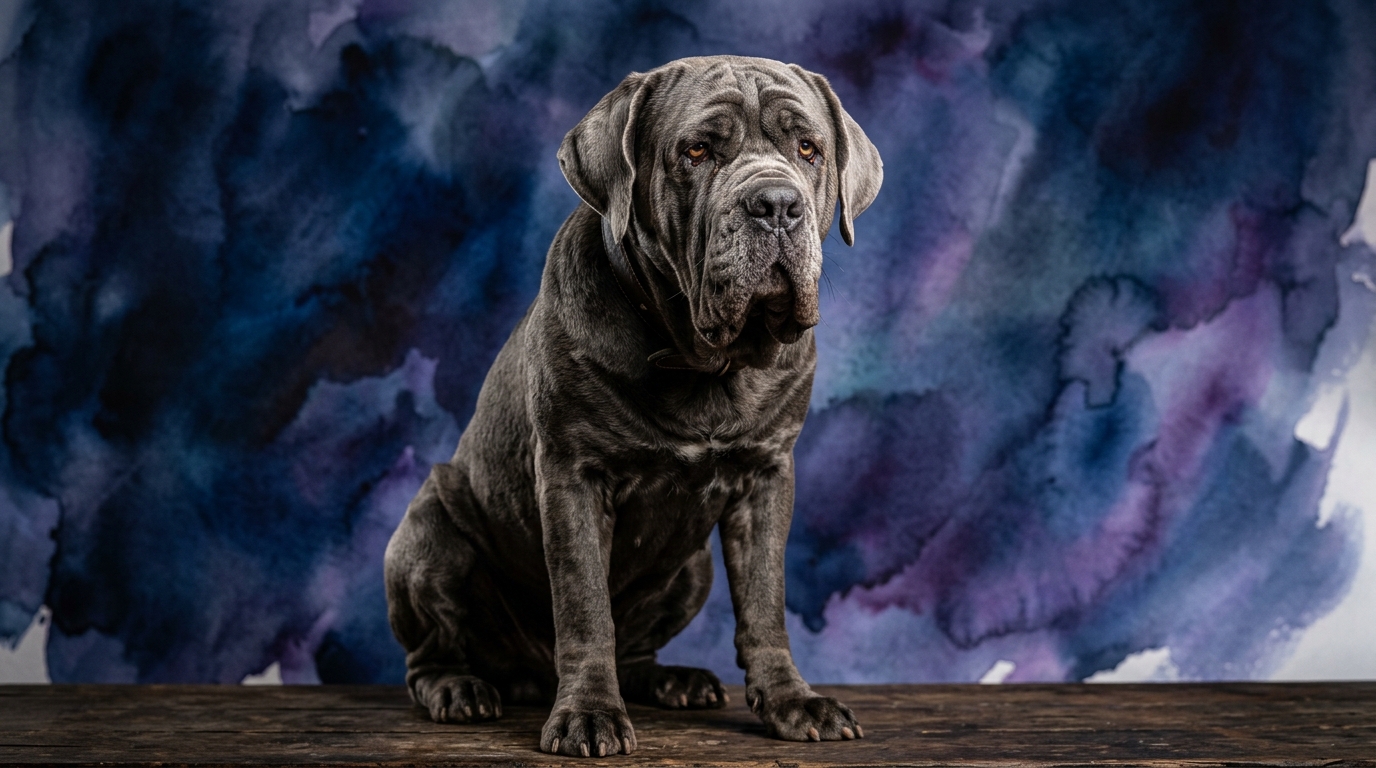
Now, let's turn to the Neapolitan Mastiff, a breed not traditionally included in Coren’s rankings, but one whose cognitive makeup is equally fascinating, shaped by centuries of guardianship. This majestic dog scores 3/5 in Problem Solving, indicating a moderate capacity for navigating and understanding their environment. A Neapolitan Mastiff might thoughtfully assess a novel object or a perceived barrier, employing a deliberate approach rather than a frantic one. Their Training Speed is also 3/5, suggesting they learn at a moderate pace. While not as lightning-quick as some high-drive working breeds, they are certainly capable of retaining commands and understanding complex tasks, particularly when the purpose is clear and consistent. In Social Intelligence, the Neapolitan Mastiff scores 3/5. They exhibit a discerning understanding of their immediate human family and often display a reserved, watchful demeanor towards strangers. Their loyalty to their inner circle is profound, but their social interactions are less effusive and more measured than a Pug’s. Their Instinctive Drive is 3/5, reflecting a deep-seated, inherent drive for guarding and protection. This isn't a high-energy, constantly active drive, but a thoughtful, observant instinct to monitor their territory and loved ones. Lastly, their Memory is 3/5, on par with the Pug, enabling them to retain commands, identify individuals, and recall experiences over extended periods, contributing to their reliable guardianship.
Where the Pug Wins Cognitively
The Pug's undisputed cognitive strength lies in its exceptional Social Intelligence, scoring a perfect 5 out of 5. This isn't merely about being friendly; it's a sophisticated capacity to perceive and interpret human emotional states and social dynamics. A Pug can often sense when its human is feeling low, offering a quiet, comforting presence without being prompted, or discerning the perfect moment to initiate a playful interaction. This deep empathetic connection makes them unparalleled companions, adept at weaving themselves into the fabric of daily family life and providing emotional support. Their moderate Memory (3/5) further enhances this, allowing them to consistently recall which family members offer the best cuddles or the most engaging play, solidifying their role as a cherished emotional anchor in the home.
Where the Neapolitan Mastiff Wins Cognitively
The Neapolitan Mastiff demonstrates its cognitive advantages through a combination of its Problem Solving (3/5), Training Speed (3/5), and Instinctive Drive (3/5) scores. Unlike the Pug, the Mastiff possesses a greater capacity for independent thought and assessment, particularly when it comes to understanding and responding to its environment. This might manifest as a deliberate evaluation of a new sound or a stranger approaching the property, rather than an immediate, unthinking reaction. Their moderate Training Speed means they can be taught a wider range of commands and tasks, especially those that align with their inherent guarding instincts. Coupled with their moderate Instinctive Drive, this allows them to be trained for specific protective roles, understanding boundaries and threats with a thoughtful, rather than purely reactive, intelligence. Their solid Memory (3/5) ensures that lessons learned and perceived threats are retained, contributing to their consistent and reliable guardianship.
Which is Easier to Train and Why
When considering ease of training, the Neapolitan Mastiff, with a Training Speed of 3/5, generally presents a slightly more straightforward path than the Pug, which scores 2/5. The Pug's lower score indicates that consistency, extreme patience, and short, engaging sessions are paramount. Their charming stubbornness, often disguised as playful distraction, means that trainers must be creative and persistent, leveraging their high social intelligence and love of treats to motivate them. A Pug might understand a command but choose not to execute it unless the reward is enticing enough or the mood strikes them, prioritizing comfort or a cuddle over strict obedience.
In contrast, the Neapolitan Mastiff’s 3/5 Training Speed suggests they grasp concepts more readily, though they are not known for lightning-fast obedience. Their training success hinges on a handler who establishes clear leadership and provides consistent, firm, but fair guidance. Unlike the Pug, whose motivation often stems from simply pleasing their human for attention, the Mastiff often requires a purpose or a clear understanding of the 'why' behind a command. Their independent nature means they will comply out of respect and understanding, rather than an effusive desire to please. This thoughtful independence, combined with their moderate problem-solving abilities, allows them to learn and retain more complex commands, particularly those related to boundaries, protection, or controlled interactions with strangers, albeit at their own considered pace.
Which Suits Active Owners vs. Relaxed Owners
The cognitive profiles of the Pug and Neapolitan Mastiff naturally align with different owner lifestyles. The Pug, with its low Instinctive Drive (2/5) and supreme Social Intelligence (5/5), is an ideal companion for relaxed owners. These individuals value a dog whose primary need is close human interaction and whose physical demands are minimal. Pugs thrive in calm environments, content to snuggle on the couch, accompany their owners on leisurely strolls, or simply be a constant, comforting presence during daily activities. Their intelligence is geared towards emotional connection, making them perfect for those seeking a devoted, low-impact pet who requires consistent affection and social engagement, rather than strenuous physical or mental tasks.
Conversely, the Neapolitan Mastiff, with its moderate Problem Solving (3/5), Training Speed (3/5), and Instinctive Drive (3/5), is better suited for owners who are prepared for a more engaged and structured canine partnership. While not requiring intense physical activity, these dogs need an owner who understands and respects their inherent guarding instincts and thoughtful independence. They thrive with consistent, calm leadership, structured socialization, and mental engagement that channels their protective nature responsibly. Owners must be prepared to manage a powerful, discerning animal, providing clear boundaries and purpose, even if that purpose is primarily watchful companionship. They are best for individuals who appreciate a dog with a strong presence and are committed to consistent management, rather than those seeking an overly effusive or highly active companion.
The Verdict
Choose a Pug if you prioritize an unparalleled social companion, a dog whose primary joy comes from close human connection and who thrives in a relaxed, affectionate household with minimal demands for complex training or strenuous activity.
Opt for a Neapolitan Mastiff if you are an experienced owner seeking a loyal, thoughtful guardian, prepared to invest in consistent training and socialization to channel its inherent protective drives and appreciate its independent, watchful nature.
🧠 Find Your Pet's IQ Score
Our Pet IQ Lab assessment covers 25+ tests across 5 cognitive dimensions — personalized to your breed.
Take the Full IQ Test →Frequently Asked Questions
Do Pugs enjoy learning tricks?
Pugs can learn basic tricks with patience and positive reinforcement, often motivated by food or attention. However, their lower training speed and problem-solving scores mean complex or multi-step tricks might be challenging and require significant repetition.
Are Neapolitan Mastiffs good family dogs?
Neapolitan Mastiffs can be devoted family dogs, especially with proper socialization from a young age. Their moderate social intelligence means they bond deeply with their immediate family, though they tend to be reserved with strangers, relying on their instinctive drive to protect their loved ones.
How do these breeds perform in obedience competitions?
While both breeds can be trained, neither is typically found at the top levels of traditional obedience competitions. Pugs often lack the focus and drive for precision, while Neapolitan Mastiffs, despite their capacity to learn, often prefer to work on their own terms rather than for competitive performance.