Side-by-Side Cognitive Profiles: Pug vs. Norfolk Terrier
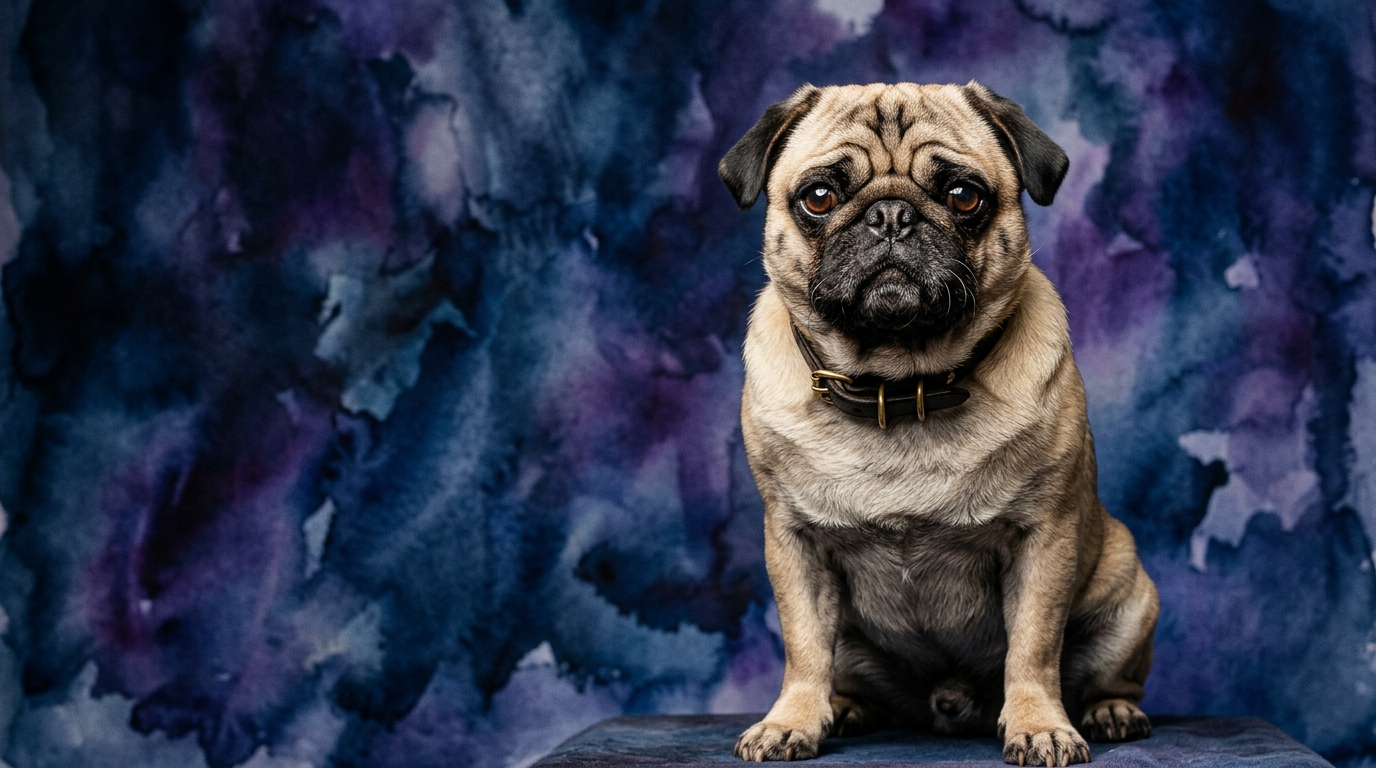
The Cosmic Pet Pet IQ Lab uses five core dimensions to map a breed's cognitive architecture, offering a detailed glimpse into how each dog processes information, learns, and engages. For the Pug, a charming member of the Toy group, their profile paints a picture of a companion-oriented mind. Their Problem Solving score of 2/5 indicates a moderate capacity for independent thought in novel situations, often preferring to rely on human guidance rather than intricate self-devised solutions. Training Speed, also at 2/5, suggests they might take a bit longer to grasp new commands, sometimes requiring patient repetition and high-value rewards to solidify learning. However, the Pug truly shines in Social Intelligence, scoring a perfect 5/5. This reflects an exceptional ability to read human emotions, understand social cues, and form profound, intuitive bonds. Their Instinctive Drive sits at 2/5, meaning they possess a relatively low inherent urge to hunt, herd, or perform traditional 'doggy jobs,' preferring instead a life of comfort and companionship. Memory, at 3/5, indicates a solid ability to retain learned information and recall experiences over time.
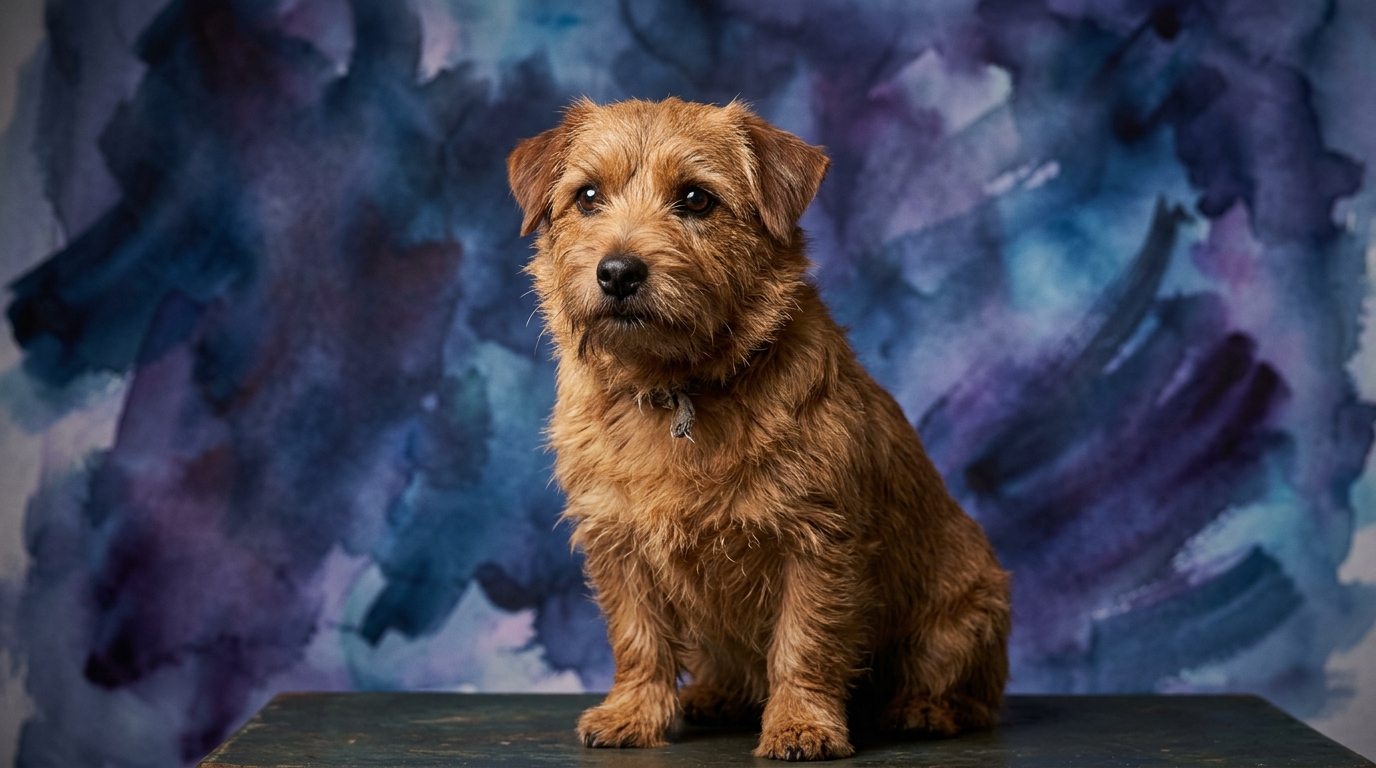
In contrast, the Norfolk Terrier, a robust member of the Terrier group, presents a different cognitive landscape, reflecting their working heritage. While not Coren-ranked, our IQ Lab assessment provides specific insights. Their Problem Solving ability is rated 3/5, suggesting a moderately keen mind capable of figuring out environmental puzzles or navigating minor obstacles with a degree of independence. Training Speed also scores 3/5, indicating a respectable pace for learning new commands and routines, often showing a willingness to engage in structured learning. Their Social Intelligence is a balanced 3/5, meaning they are capable of forming strong bonds and understanding human intentions, though perhaps not with the same immediate, intuitive depth as the Pug. Instinctive Drive, at 3/5, signifies a moderate inherent urge to explore, chase, and engage with their environment, a characteristic often seen in terrier breeds. Like the Pug, their Memory is rated 3/5, demonstrating a reliable capacity for retaining information and past experiences, which aids in consistent behavior and learning.
Where the Pug's Mind Excels
The Pug's undisputed cognitive strength lies in their remarkable Social Intelligence, scoring a full 5 out of 5. This isn't merely about being 'friendly'; it's about an unparalleled capacity for emotional attunement and intuitive understanding of human behavior. Pugs are masters at reading subtle shifts in tone, body language, and facial expressions, often anticipating their owner's moods and desires with uncanny accuracy. This makes them exceptionally empathetic companions, quick to offer comfort or solicit attention precisely when needed. Their social acumen means they integrate seamlessly into family dynamics, often becoming the emotional glue of the household. They thrive on interaction and reciprocate affection with an earnestness that few breeds can match, making them superb companions for those who cherish a deeply connected, responsive canine presence. This social prowess allows them to navigate complex human households with grace, often charming their way into privileges and becoming beloved, integral members of the family unit.
Where the Norfolk Terrier's Mind Shines
The Norfolk Terrier demonstrates a more balanced and moderately independent cognitive profile, particularly excelling in areas where the Pug shows less inclination. Their Problem Solving (3/5), Training Speed (3/5), and Instinctive Drive (3/5) collectively highlight a dog with a greater propensity for engaging with and manipulating their environment. A Norfolk Terrier is more likely to assess a situation, devise a strategy to reach a coveted toy under furniture, or figure out how to open a slightly ajar cabinet. This moderate problem-solving ability, combined with a respectable training speed, means they are often more receptive to learning complex sequences or tasks beyond basic obedience. Their instinctive drive, while not extreme, provides a foundational curiosity and a desire to engage with the world through scent, exploration, and sometimes, a little digging. This combination makes them more adaptable to varied activities, from agility courses to engaging in scent work, showcasing a practical, engaged intelligence that enjoys a challenge and the process of discovery.
Trainability: Pug vs. Norfolk Terrier
When it comes to trainability, the distinction between these two breeds becomes quite clear, primarily driven by their Training Speed and Instinctive Drive scores. The Pug, with a Training Speed of 2/5, generally requires more patience and consistency during training sessions. Their low instinctive drive (2/5) means they might not always see the inherent 'point' in performing tasks unless a high-value reward or beloved human interaction is involved. They can be charmingly stubborn, sometimes preferring comfort over compliance, which can manifest as a deliberate slowness to respond or an occasional 'selective hearing.' Positive reinforcement is crucial, and short, engaging sessions are far more effective than lengthy, repetitive drills. In contrast, the Norfolk Terrier's Training Speed of 3/5 indicates a more cooperative and quicker learning curve. Their moderate instinctive drive (3/5) means they often find satisfaction in the challenge of learning and executing commands, especially when it involves engaging their senses or solving a mini-problem. While still benefiting from positive reinforcement, they are generally less prone to prolonged stubbornness and often approach training with a more eager, focused attitude, making them a slightly more straightforward student for a dedicated owner.
Lifestyle Suitability: Active vs. Relaxed Owners
The cognitive profiles of the Pug and Norfolk Terrier naturally align with different owner lifestyles. The Pug, with its exceptional Social Intelligence (5/5) and low Instinctive Drive (2/5), is an ideal companion for relaxed owners who prioritize companionship and affection. They thrive in environments where they are central to family life, enjoying cuddles on the sofa, gentle strolls, and being a constant, loving presence. Their low drive means they are less demanding of extensive physical exercise or intricate mental challenges, making them perfect for apartment living or for individuals seeking a calm, emotionally responsive pet. Conversely, the Norfolk Terrier, with its balanced Problem Solving (3/5), Training Speed (3/5), and Instinctive Drive (3/5), is better suited for more active owners. They appreciate engaging activities that challenge their minds and bodies, such as daily walks with opportunities for exploration, interactive games, or even participation in canine sports like earthdog trials or agility. Their moderate drive means they need outlets for their curiosity and energy, making them excellent companions for those who enjoy an active lifestyle and want a dog that can keep up with moderate adventures and learning opportunities.
The Verdict
Choose the Pug if you seek an exceptionally empathetic, devoted companion whose greatest joy is sharing your quiet moments and offering unconditional affection.
Opt for the Norfolk Terrier if you desire a moderately independent, curious, and trainable companion eager to engage in activities and explore the world alongside you.
🧠 Find Your Pet's IQ Score
Our Pet IQ Lab assessment covers 25+ tests across 5 cognitive dimensions — personalized to your breed.
Take the Full IQ Test →Frequently Asked Questions
Are Pugs difficult to train due to their intelligence scores?
Pugs are not inherently 'difficult' but require a specific approach. Their lower Training Speed (2/5) means training needs to be consistently positive, reward-based, and broken into short, engaging sessions to maintain their focus. Their high social intelligence means they respond well to human interaction as a reward.
Do Norfolk Terriers require a lot of mental stimulation?
Yes, with a Problem Solving score of 3/5 and an Instinctive Drive of 3/5, Norfolk Terriers benefit significantly from regular mental stimulation. Puzzle toys, training sessions, and varied walks that allow them to explore scents will keep their minds engaged and prevent boredom-related behaviors.
Which breed is better for first-time dog owners?
Both breeds can be suitable, but for different reasons. A Pug's high social intelligence and lower demands for activity can make them an easier fit for first-timers seeking a calm companion. A Norfolk Terrier's moderate trainability and drive make them a good choice for first-timers willing to invest time in consistent training and provide outlets for their active minds.