Side-by-Side Cognitive Profiles: Decoding Pug and Norwich Terrier Minds
The Cosmic Pet Pet IQ Lab employs a five-dimensional framework to assess canine intelligence, moving beyond simplistic notions to offer a nuanced understanding of a breed's cognitive strengths. For the Pug and the Norwich Terrier, these profiles paint pictures of distinct mental landscapes, reflecting their historical roles and inherent temperaments.
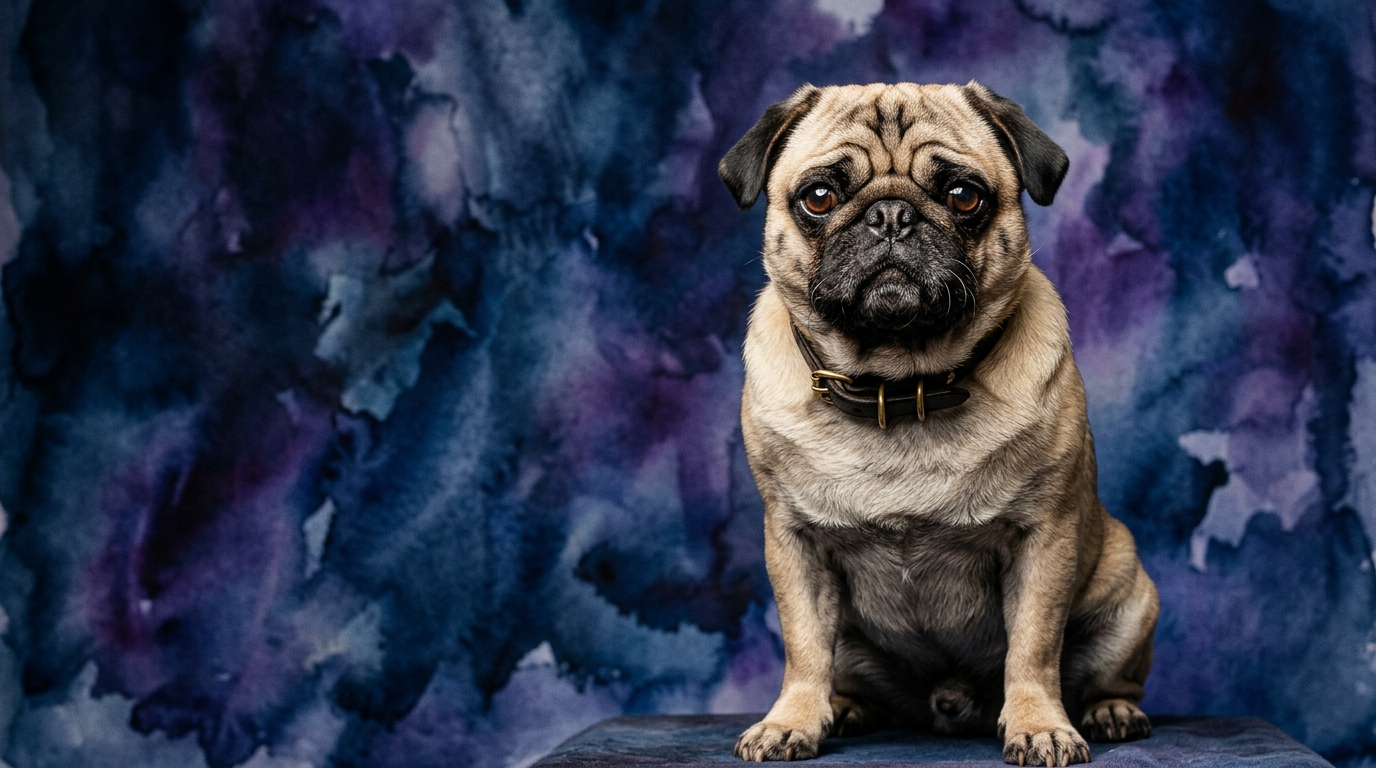
**Pug IQ Profile (Coren Rank #57, Toy Group):**
**Problem Solving (2/5):** Pugs typically exhibit a lower inclination for independent problem-solving; they are more likely to look to their human companions for solutions to challenges, preferring guidance over figuring things out solo. This isn't a lack of capacity, but rather a preference for relying on their social bond, with cognitive energy less directed towards overcoming environmental obstacles and more towards understanding human cues and intentions.
**Training Speed (2/5):** Learning new commands and routines can be a slower process for Pugs, requiring consistent, patient, and highly positive reinforcement. While capable of learning, their motivation often hinges on reward and affection, potentially appearing 'stubborn' if not properly engaged, making short, fun, and enticing training sessions key.
**Social Intelligence (5/5):** This is where Pugs truly shine, demonstrating an exceptional capacity to read and respond to human emotions, anticipate needs, and form deep, intuitive bonds. They are masters of companionship, understanding subtle shifts in mood and offering comfort or playful engagement accordingly, thriving on interaction and connection.
**Instinctive Drive (2/5):** Pugs possess a relatively low instinctive drive, especially regarding predatory or working behaviors, reflecting their centuries-long role as pampered companions. While they might enjoy a playful chase, it's generally not driven by a deep-seated prey drive, contributing to their generally placid nature indoors.
**Memory (3/5):** Pugs have an average memory, capable of remembering routines, people, and specific experiences, both positive and negative. This memory supports their social intelligence, allowing them to build enduring relationships and recall comforting patterns, such as the location of their treat jar or specific times their favorite person returns home.
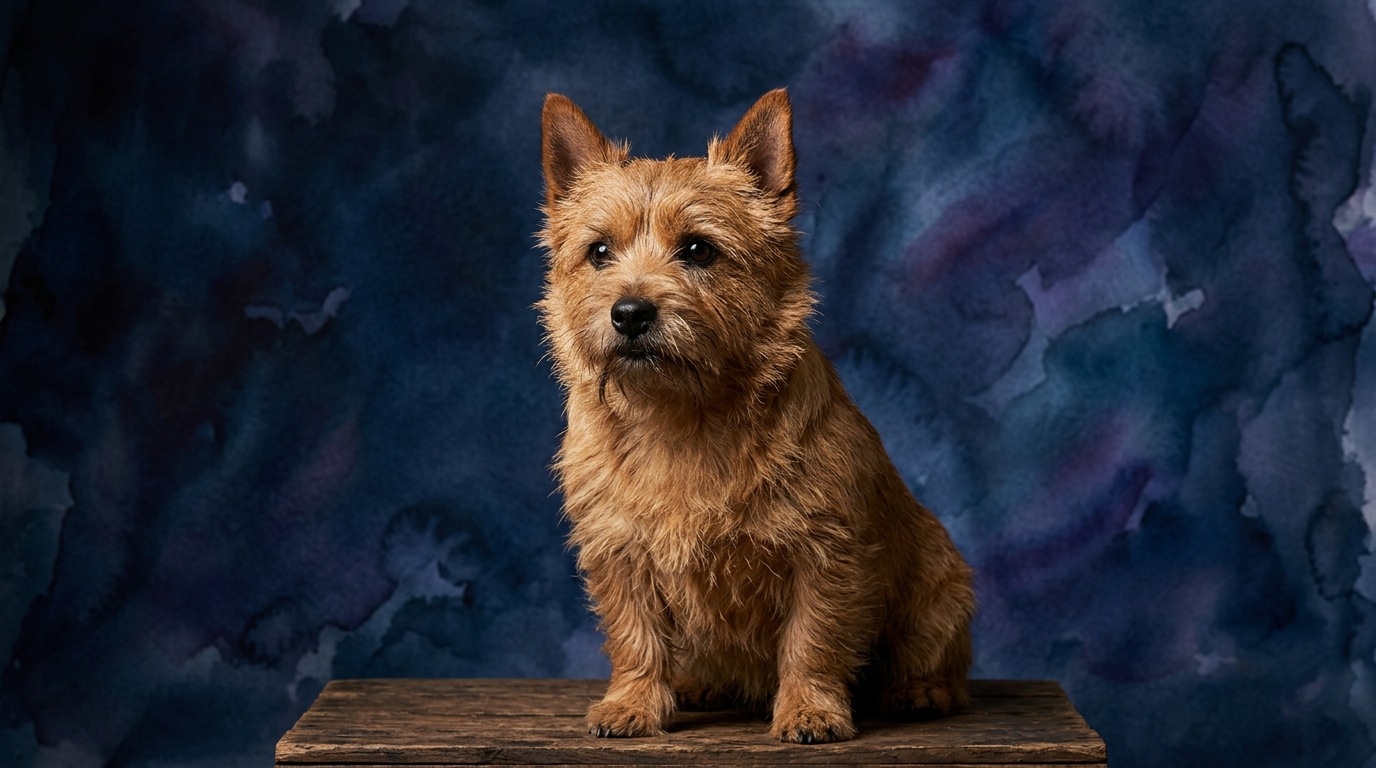
**Norwich Terrier IQ Profile (Not Coren-Ranked, Terrier Group):**
**Problem Solving (3/5):** Norwich Terriers demonstrate a moderate capacity for independent problem-solving, possessing a degree of self-reliance and tenacity. They are often willing to work through minor obstacles to achieve a goal, like finding a hidden toy, and are more likely to attempt solutions on their own before seeking human assistance.
**Training Speed (3/5):** Norwich Terriers learn new commands at a moderate pace, generally responsive and eager to please, though their independent terrier spirit means they can have their own ideas. Training benefits from being engaging, varied, and consistent, as they can become bored with repetitive drills, requiring positive reinforcement and readiness for an occasional stubborn streak.
**Social Intelligence (3/5):** Norwich Terriers possess a moderate level of social intelligence; they are affectionate and enjoy human company, forming strong bonds with their families. While friendly and outgoing, they may not exhibit the same profound, intuitive attunement to human emotions as a Pug, often preferring active engagement over quiet emotional mirroring.
**Instinctive Drive (3/5):** Reflecting their terrier heritage, Norwich Terriers have a moderate instinctive drive, manifesting as natural curiosity, a desire to explore, and sometimes a propensity for digging or chasing small critters. This drive, while not as intense as some larger terrier breeds, requires outlets and appropriate management to prevent undesirable behaviors.
**Memory (3/5):** Similar to Pugs, Norwich Terriers have an average memory, remembering training cues, familiar places, and people they encounter. This memory helps them navigate their world and reinforces learned behaviors, influencing future interactions and their response to various situations based on recalled positive and negative experiences.
Where the Pug's Cognition Excels
The Pug's primary cognitive strength lies squarely in its extraordinary social intelligence, rated a perfect 5/5. This isn't merely about being friendly; it's about an unparalleled ability to perceive, interpret, and respond to human emotions and intentions. Pugs are masters of subtle communication, often seeming to anticipate their owner's mood or needs without overt cues, making them exceptional emotional support animals and companions.
Their cognitive energy is devoted to fostering these bonds, leading them to be incredibly empathetic, offering comfort during sadness or engaging in playful antics to lighten the mood. This social acumen defines their interaction with the world, making them deeply intuitive partners in daily life, and their moderate memory (3/5) supports this by allowing them to consistently recall who provides comfort and affection, solidifying their devotion.
Where the Norwich Terrier's Cognition Shines
The Norwich Terrier's cognitive advantages are rooted in its balanced suite of moderate scores across several dimensions, particularly in problem-solving (3/5), training speed (3/5), and instinctive drive (3/5). Unlike the Pug, whose cognitive focus is primarily social, the Norwich demonstrates a more independent and adaptable intelligence, indicative of its terrier heritage.
Their moderate problem-solving skills mean they are more inclined to tackle minor challenges independently, such as figuring out how to retrieve a toy from under furniture or navigating a new walking route. This self-sufficiency, combined with a respectable training speed, allows them to learn and apply new skills with greater alacrity and less reliance on constant human direction for basic tasks. Their instinctive drive, while not overwhelming, provides a natural curiosity and motivation for exploration and engagement with their environment, making them more proactive participants in activities that require some degree of independent thought or pursuit.
Ease of Training: Pug vs. Norwich Terrier
When it comes to formal training, the differences between these two breeds become quite apparent. The Pug, with a training speed of 2/5, generally requires more patience, repetition, and a highly positive, reward-based approach. Pugs are often motivated by food and affection, and training sessions must be kept short and engaging to prevent them from becoming bored or 'stubborn' due to their lower instinctive drive.
They might grasp a command but take longer to generalize it to different situations or respond consistently without immediate reward; for example, teaching a Pug 'stay' might involve many repetitions and consistent treats before they reliably hold the position. Their primary motivation during training is often the reinforcement of their social bond and the promise of a tangible reward.
In contrast, the Norwich Terrier, with a training speed of 3/5, typically learns commands more readily. Their moderate problem-solving and instinctive drive contribute to a greater willingness to engage with training as a form of mental stimulation. While they are responsive, their terrier independence means they can also be easily distracted or decide that their own agenda is more pressing.
Consistency is crucial, and training needs to be varied and fun to keep their attention; a Norwich might pick up 'stay' faster, but a squirrel darting by could test their resolve more than a Pug's. Their moderate social intelligence means they respond well to praise and interaction, but also appreciate a clear purpose in their tasks, often finding the process itself rewarding.
Suiting Lifestyles: Active Owners vs. Relaxed Owners
The cognitive profiles of the Pug and Norwich Terrier naturally align with different owner lifestyles. For relaxed owners seeking a devoted, low-key companion, the Pug is often an ideal match. Their low instinctive drive (2/5) and preference for human interaction over strenuous activity mean they are content with moderate daily walks and ample cuddle time.
Their exceptional social intelligence (5/5) makes them thrive in environments where their primary role is to provide companionship and emotional support; they are masters of the home environment, observing and responding to the family's rhythm without demanding constant physical or mental exertion. A Pug's idea of a perfect afternoon involves napping on a lap or quietly observing the household from a comfortable perch, making them ideal for apartment living or less active households.
Conversely, the Norwich Terrier is better suited for more active owners who appreciate a dog with a bit more zest and independent spirit. Their moderate problem-solving (3/5), training speed (3/5), and instinctive drive (3/5) mean they benefit from regular mental and physical stimulation. They enjoy exploring, engaging in structured play, and even participating in dog sports like agility or earthdog trials that tap into their natural terrier instincts.
While they are affectionate family members, they aren't content to simply be lap warmers; they need outlets for their curiosity and energy. An owner who enjoys daily walks, hikes, or interactive games will find the Norwich Terrier a willing and capable partner, enjoying the challenge of new experiences and environments that satisfy their inquisitive nature.
The Verdict
Choose a Pug if your priority is an extraordinarily empathetic companion who excels at emotional connection and thrives in a relaxed, affectionate home environment, valuing deep bonds over complex tasks.
Opt for a Norwich Terrier if you seek an active, curious partner who enjoys engaging in moderate mental and physical challenges, and can learn tasks with reasonable speed, providing a blend of spirited independence and affectionate companionship.
🧠 Find Your Pet's IQ Score
Our Pet IQ Lab assessment covers 25+ tests across 5 cognitive dimensions — personalized to your breed.
Take the Full IQ Test →Frequently Asked Questions
Are Pugs difficult to train because of their low training speed?
Pugs are not inherently difficult, but they require significant patience, consistency, and positive reinforcement during training due to their 2/5 training speed. They respond best to short, fun sessions motivated by high-value treats and affection, rather than harsh methods, to build positive associations.
Do Norwich Terriers bark a lot due to their instinctive drive?
Norwich Terriers do have a moderate instinctive drive and can be prone to barking, especially if they are bored, perceive a threat, or are alerting their family to something interesting. Early training focused on appropriate alert barking and consistent management of their environment can help moderate this behavior.
Which breed is better with children, considering their social intelligence?
Both breeds can be good with children when properly socialized. Pugs, with their 5/5 social intelligence, are often very patient and empathetic, while Norwich Terriers (3/5 social intelligence) are playful and robust. Supervision is always key, but Pugs might be more tolerant of gentle, quiet interactions, whereas Norwich Terriers might prefer more active play.