Side-by-Side Cognitive Profile: Pug vs. Old English Sheepdog
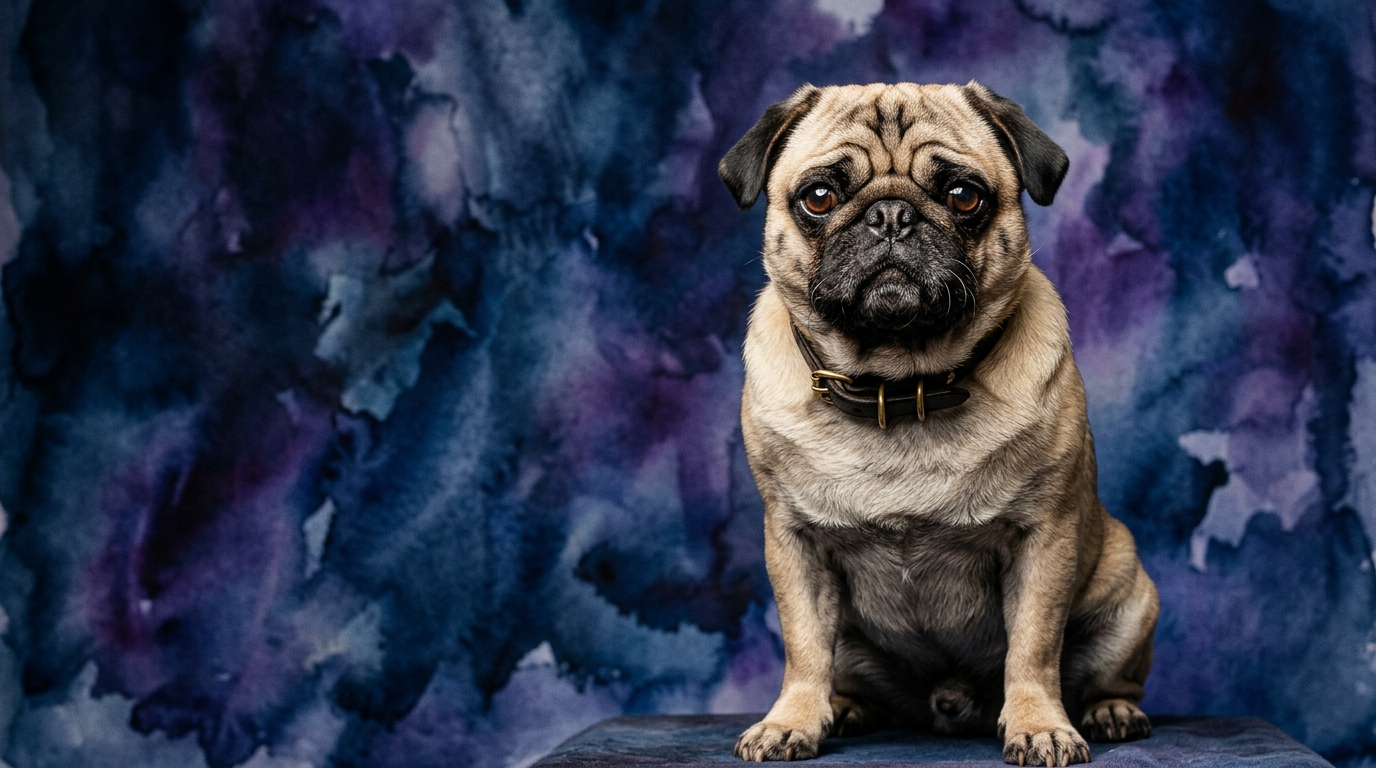
At The Cosmic Pet Pet IQ Lab, we delve into five core dimensions of canine intelligence to provide a nuanced understanding of each breed's cognitive strengths. For the Pug, classified as a Toy breed with a Coren rank of #57, its profile paints a picture of a socially adept companion. Its Problem Solving is rated 2/5, indicating a preference for human guidance over independent strategizing in novel situations. Training Speed also scores 2/5, suggesting a slower pace in acquiring new commands, necessitating patience and consistent repetition from trainers. However, its Social Intelligence is a perfect 5/5, highlighting an exceptional capacity for understanding human emotions and cues. Instictive Drive is low at 2/5, meaning less inclination for traditional working tasks, while Memory is moderate at 3/5, sufficient for routines and basic commands.
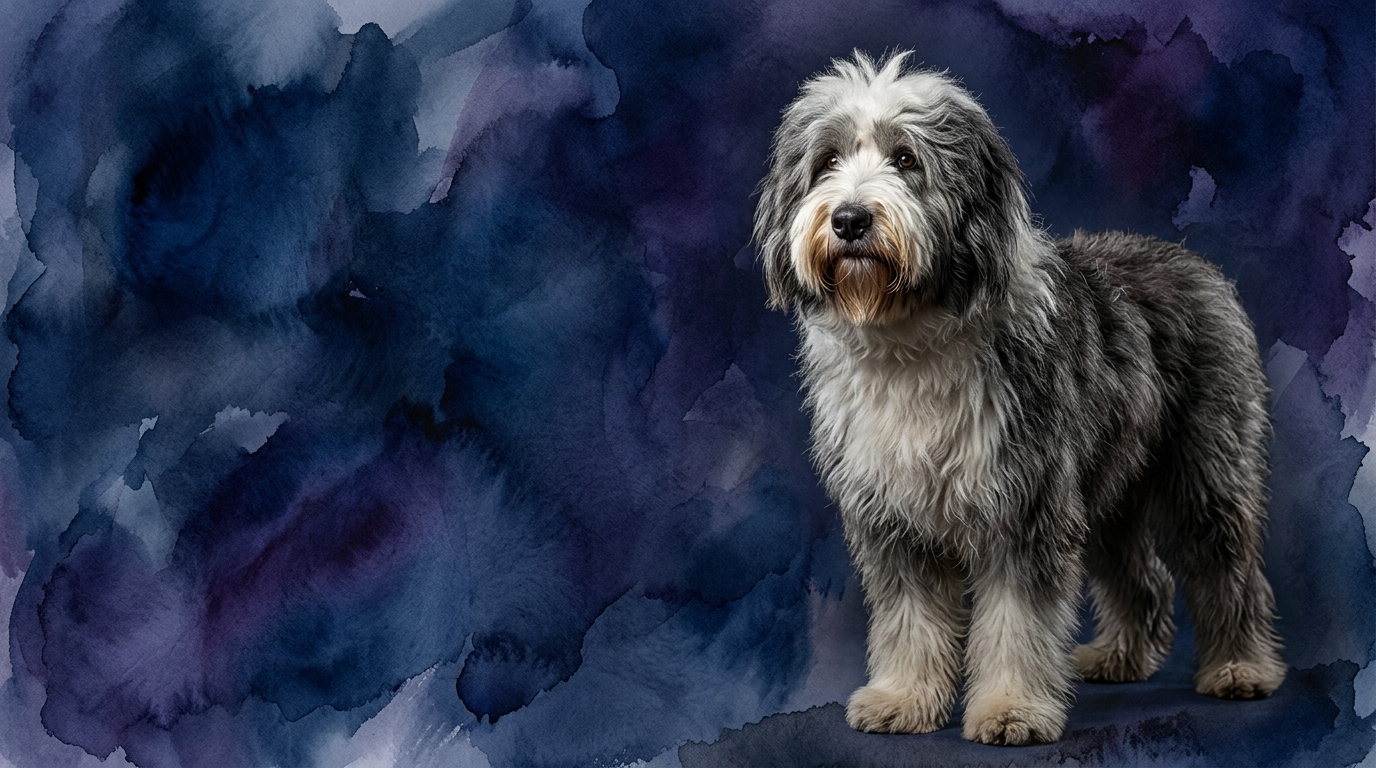
The Old English Sheepdog, a Herding breed with a higher Coren rank of #44, presents a cognitive profile geared more towards practical application and retention. Its Problem Solving ability is rated 3/5, showing a moderate capacity to assess new situations and apply learned strategies. Training Speed is also 3/5, indicating a reasonable pace for learning new commands, responsive to clear instruction. Social Intelligence stands at 3/5, denoting solid bonds with family but perhaps not the same intuitive grasp of subtle human emotions as the Pug. Instictive Drive is moderate at 3/5, rooted in its herding heritage, and a strong Memory score of 4/5 allows for robust retention of complex commands and routines.
Where the Pug Excels Cognitively
The Pug's cognitive preeminence lies unequivocally in its exceptional social intelligence, rated at a perfect 5 out of 5. This isn't merely about being friendly; it's a sophisticated capacity to deeply understand and respond to the nuances of human emotion and social dynamics. A Pug can often sense a change in its owner's mood, offering a comforting presence or a playful distraction with remarkable intuition, sometimes even before the human fully acknowledges their own feelings. Their cognitive wiring is optimized for companionship, making them masters of non-verbal communication and emotional support. They excel at integrating into family life, not just as pets, but as intuitive emotional anchors, leveraging their understanding of human behavior to forge incredibly strong, empathetic bonds. This high social IQ ensures they are incredibly attuned to their human environment, often anticipating needs and providing a responsive, comforting presence unlike any other.
Where the Old English Sheepdog Demonstrates Cognitive Superiority
Conversely, the Old English Sheepdog demonstrates clear cognitive advantages in areas requiring retention and practical application, particularly with its strong memory (4/5) and more capable problem-solving (3/5). While the Pug excels in emotional attunement, the Old English Sheepdog's cognitive strengths lean towards learning and executing specific tasks over time. Their robust memory allows them to retain complex sequences of commands and routines, making them dependable partners in activities that require consistent recall. Coupled with a moderate problem-solving ability, they can learn to navigate environmental challenges or master multi-step tasks with a degree of independence. Their Coren rank of #44, significantly higher than the Pug's #57, broadly indicates a greater aptitude for understanding and obeying new commands, reflecting a cognitive architecture better suited for structured learning and task-oriented engagement. Their herding drive, though moderate, further suggests an innate cognitive framework for managing and organizing, a distinct form of practical intelligence.
Training Ease: Pug vs. Old English Sheepdog
Evaluating training ease requires looking beyond mere willingness to please and considering the underlying cognitive profiles. The Old English Sheepdog, with its Training Speed of 3/5 and Memory of 4/5, generally presents a more straightforward training experience. They possess a steady learning curve and a strong capacity to retain learned information, meaning once a command is mastered, it's likely to stick. Their moderate instinctive drive also provides a foundation for engagement, allowing trainers to channel their natural tendencies into productive tasks. While they need consistency, they are typically responsive to clear instruction and positive reinforcement, making them capable of mastering a wide array of commands and behaviors with a reasonable investment of time.
In contrast, the Pug, with a Training Speed of 2/5 and a lower Instinctive Drive of 2/5, can be perceived as more challenging to train, despite their high social intelligence. Their slower acquisition rate means that trainers must employ immense patience, frequent short sessions, and highly motivating rewards, often food-based or affection-based, to make progress. While they possess an innate desire to connect and please their human, their cognitive processing for complex commands takes more time to solidify. This isn't stubbornness, but rather a different learning style where consistency and breaking tasks into very small, manageable steps are paramount. Their primary motivation isn't task completion, but social interaction, so training must be framed as a shared, positive bonding activity to be truly effective.
Lifestyle Match: Active vs. Relaxed Owners
The cognitive and physical profiles of these two breeds clearly delineate their suitability for different owner lifestyles. For individuals who prefer a more relaxed pace of life, the Pug emerges as an ideal companion. Their low instinctive drive (2/5) means they are not constantly seeking a "job" or demanding strenuous physical activity. Their cognitive strengths are entirely geared towards social interaction and emotional connection, thriving on proximity to their human and gentle companionship rather than complex physical challenges or long excursions. A Pug is content to snuggle on the couch, observe household activities, and offer intuitive emotional support, making them perfectly suited for those seeking a devoted, low-energy presence and a constant, empathetic companion.
Conversely, the Old English Sheepdog aligns better with active owners who are prepared to provide consistent mental and moderate physical engagement. While not requiring extreme athleticism, their moderate instinctive drive (3/5) and capacity for learning mean they benefit significantly from regular structured activities. Owners who enjoy training, puzzle toys, regular walks, or even participation in canine sports like obedience or rally will find a willing and capable partner in an Old English Sheepdog. They possess a cognitive need for purpose and mental stimulation, and an owner who can fulfill this provides the best environment for their robust intellect and herding instincts to flourish, preventing boredom and fostering a well-adjusted temperament.
The Verdict
Choose the Pug if your priority is unparalleled emotional companionship, a dog that intuitively understands your moods, and thrives in a less physically demanding home environment where social connection is paramount.
Opt for the Old English Sheepdog if you seek a loyal, capable companion who can learn and retain a variety of tasks, enjoys moderate activity, and benefits from an owner who can provide consistent training and mental engagement.
🧠 Find Your Pet's IQ Score
Our Pet IQ Lab assessment covers 25+ tests across 5 cognitive dimensions — personalized to your breed.
Take the Full IQ Test →Frequently Asked Questions
Is a Pug truly less intelligent than an Old English Sheepdog?
It's more accurate to say their intelligences are specialized differently. While the Old English Sheepdog has a higher Coren rank and excels in memory and problem-solving, the Pug's social intelligence score of 5/5 is exceptional, making them incredibly attuned to human emotions and social cues. Their cognitive strengths lie in different domains rather than one being universally 'less' intelligent.
Which breed is better for a first-time dog owner concerning training?
The Old English Sheepdog might be a slightly more manageable choice for a first-time owner focusing on traditional obedience, given its moderate training speed and strong memory. Training a Pug requires a very patient and consistent approach, often needing more creative motivation due to their slower learning pace and lower instinctive drive, which can be challenging for novices.
Do Pugs require less mental stimulation due to their lower problem-solving score?
While Pugs may not engage with complex puzzle toys as readily, they still require mental stimulation, primarily through social interaction and gentle training. Their mental engagement comes from observing and participating in family life, receiving affection, and navigating their social world, rather than solving intricate challenges independently, ensuring they remain content and engaged.