Side-by-Side Cognitive Profiles
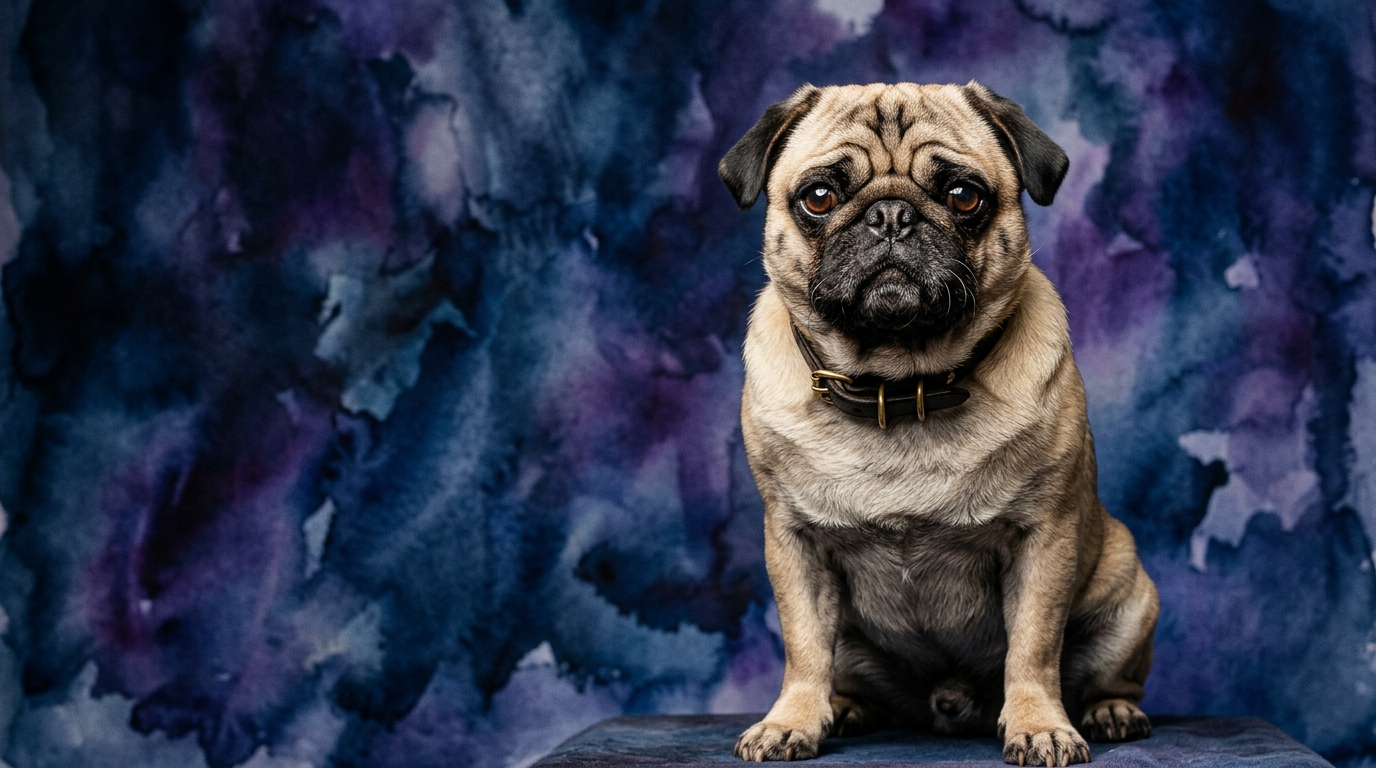
The Pug, a breed long cherished for its companionship, exhibits a cognitive profile tailored to its role as a devoted human associate. In problem-solving, the Pug scores 2/5, indicating they are not typically inclined to independently dissect complex environmental challenges or invent novel solutions without human guidance. Their training speed also registers at 2/5; while capable of learning, Pugs often require patient, consistent methods, sometimes exhibiting a delightful stubbornness that can slow the acquisition of new commands. Where the Pug truly shines is in social intelligence, earning a perfect 5/5. This reflects an exceptional ability to interpret human emotions, cues, and desires, making them extraordinarily attuned companions. Their instinctive drive is low at 2/5, meaning they possess minimal prey drive or strong urges for tasks like hunting or guarding, preferring interaction. Memory for a Pug is a solid 3/5, suggesting they retain routines and learned behaviors adequately.
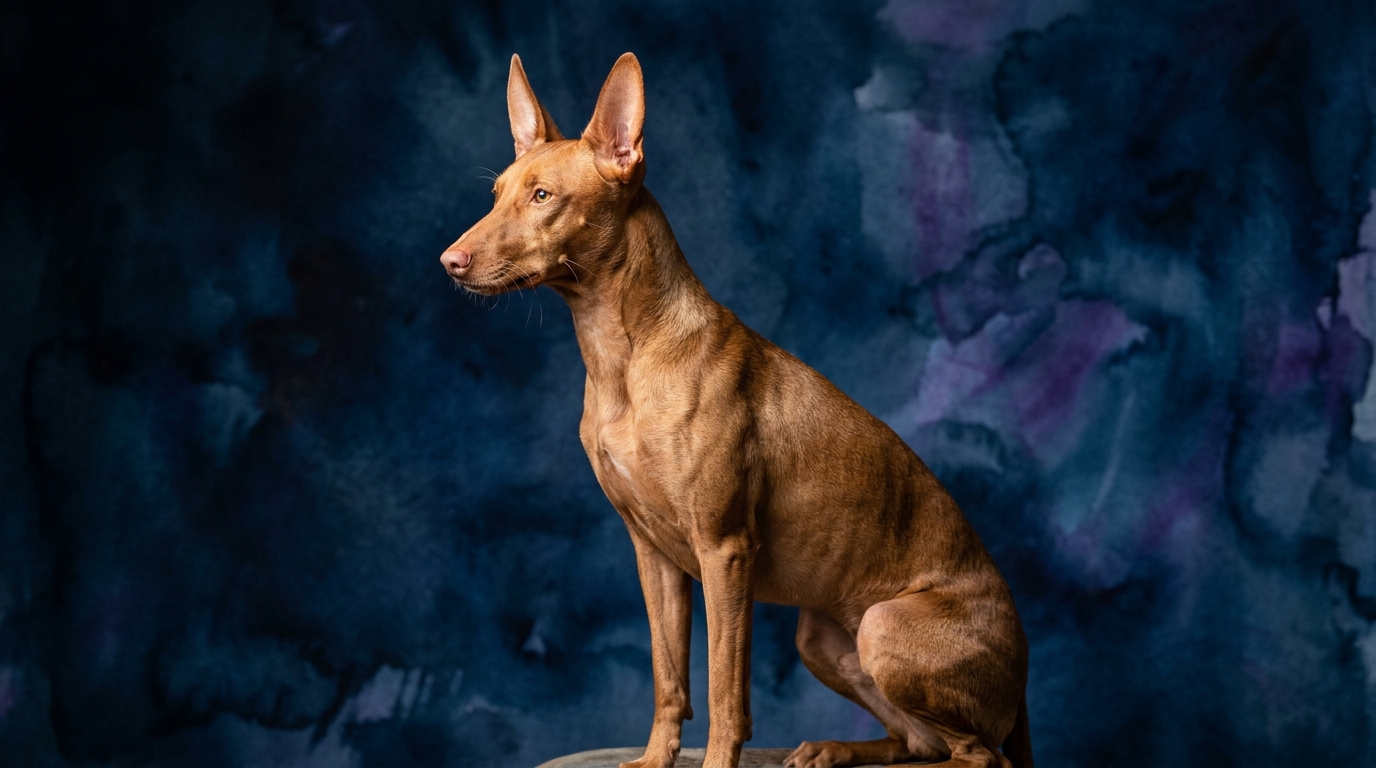
Conversely, the Pharaoh Hound, a sighthound with a history rooted in hunting and coursing, presents a more balanced and often independent cognitive makeup. Their problem-solving ability stands at 3/5, indicating a moderate capacity to navigate obstacles, strategize during play, or figure out how to access desired items. Training speed for the Pharaoh Hound is also 3/5; they learn at a reasonable pace, absorbing commands efficiently when properly motivated, though they can be discerning. Social intelligence for this breed is 3/5, meaning they are generally affable and responsive to human interaction but may not possess the same intense desire for constant emotional connection as a Pug, often maintaining a dignified independence. Their instinctive drive is rated 3/5, reflecting a moderate yet discernible prey drive and an innate urge to chase, characteristic of sighthounds. Memory for the Pharaoh Hound matches the Pug at 3/5, allowing them to recall learned commands and routines effectively.
Where the Pug Excels Cognitively
The Pug’s cognitive strengths are overwhelmingly centered around social connection and emotional resonance. Their remarkable 5/5 score in social intelligence means they are exceptionally adept at reading the subtle nuances of human behavior. A Pug can often anticipate their owner’s mood, offering comfort or initiating play at just the right moment. This isn't merely obedience; it's a deep cognitive understanding of social dynamics and emotional states. They thrive on interaction and use their observational skills to integrate seamlessly into a human family, often becoming intuitive companions who seem to understand unspoken cues. This high social intelligence makes them excellent therapy dogs or emotional support animals, as their primary drive is to engage positively with humans. While not solving complex puzzles, their 'people puzzles' are solved with remarkable finesse, interpreting facial expressions, vocal tones, and body language to navigate their social world.
Where the Pharaoh Hound Demonstrates Superiority
The Pharaoh Hound’s cognitive profile highlights strengths in independent thinking and task-oriented intelligence. Their 3/5 in problem-solving indicates a greater capacity for self-directed thought and strategic maneuvering compared to the Pug. This might manifest as figuring out how to open a gate, devising a new path to chase a squirrel, or working out a puzzle toy. Their moderate instinctive drive (3/5) means they possess an innate intelligence for their original purpose – hunting by sight – which involves quick decision-making, spatial awareness, and independent pursuit. This contrasts with the Pug's lower drive, making the Pharaoh Hound more self-reliant in certain situations. Furthermore, their slightly higher training speed (3/5) suggests a more direct path to learning commands, provided the training taps into their natural drives and avoids excessive repetition without purpose. They learn efficiently when the task is engaging and offers a clear reward, showcasing a practical intelligence geared towards action and outcome.
Training Dynamics: Pug vs. Pharaoh Hound
Training a Pug often requires a blend of patience, positive reinforcement, and a keen understanding of their social motivations. While their training speed is 2/5, their high social intelligence means they are highly motivated by praise, affection, and the desire to please their human. They may learn more slowly, but their deep bond with their owner can be leveraged for consistent, gentle training. Pugs can be prone to 'selective hearing' if they perceive the task as boring or if there's a more interesting human interaction to be had. Success often comes from making training feel like a game or a bonding activity, rather than a strict lesson, capitalising on their inherent desire for connection. Their lower instinctive drive means fewer distractions from environmental stimuli like prey, but their focus might shift to human attention.
The Pharaoh Hound, with a training speed of 3/5, typically learns commands more readily than a Pug, but their training demands a different approach due to their independent nature and moderate instinctive drive. They are intelligent and capable of understanding complex commands, but they are not always as eager to please as a Pug. Pharaoh Hounds require engaging training methods that respect their sighthound tendencies – quick, varied sessions that prevent boredom. Their moderate instinctive drive means they might be more easily distracted by movement or scents in the environment, requiring strong recall training from an early age. A Pharaoh Hound will respond well to clear, consistent leadership and reward-based training, but they are less likely to perform simply out of a desire for constant human approval; they need to see the value or fun in the task itself. They possess a problem-solving aptitude that can be channeled into advanced obedience or agility, but their independent streak means they might choose to 'think for themselves' if not properly motivated.
Matching Breeds to Lifestyles: Active vs. Relaxed Owners
For owners seeking a relaxed, home-centric companion, the Pug is often an ideal match. Their low instinctive drive and moderate energy levels mean they are content with shorter walks and plenty of indoor cuddle time. Their exceptional social intelligence makes them thrive in environments where they receive consistent human interaction and affection. A Pug is the perfect companion for someone who enjoys a quiet evening on the couch, values constant companionship, and appreciates a dog that is deeply attuned to their emotional state. They adapt well to apartment living and are generally low-maintenance in terms of exercise needs, making them suitable for less active individuals or those with limited outdoor access. Their primary cognitive need is social engagement, making them perfect for owners who are always home or can dedicate significant time to interaction.
The Pharaoh Hound, on the other hand, is better suited for active owners who understand and can accommodate a sighthound's needs. Their moderate instinctive drive and historical role as hunters mean they possess significant energy that requires an outlet. They thrive with regular opportunities to run in a securely fenced area or engage in activities like lure coursing. Owners who enjoy hiking, jogging, or participating in dog sports will find a willing and capable partner in a Pharaoh Hound. Their problem-solving abilities and moderate social intelligence mean they appreciate mental stimulation alongside physical exercise. While affectionate with their families, they also value their independence and are comfortable with periods of self-entertainment, making them suitable for owners who might not be able to provide constant, direct interaction but can offer structured activity and mental challenges. They are not content to be purely 'lap dogs' and require an owner who can meet their cognitive and physical demands.
The Verdict
Choose a Pug if your primary desire is an intensely social, emotionally intuitive companion who thrives on constant human interaction and requires less structured physical activity. They excel at reading human cues, offering unparalleled companionship and warmth.
Opt for a Pharaoh Hound if you are an active individual seeking a more independent, athletic, and problem-solving canine partner who enjoys vigorous exercise and mental challenges. They are capable learners but demand engaging, consistent training that respects their sighthound instincts.
🧠 Find Your Pet's IQ Score
Our Pet IQ Lab assessment covers 25+ tests across 5 cognitive dimensions — personalized to your breed.
Take the Full IQ Test →Frequently Asked Questions
Are Pugs difficult to train due to their lower training speed score?
Pugs are not inherently difficult, but their training requires patience and positive reinforcement. Their high social intelligence means they are motivated by praise and connection, so making training a fun, bonding experience is key to success.
Do Pharaoh Hounds need a lot of mental stimulation?
Yes, Pharaoh Hounds benefit from mental stimulation alongside physical exercise. Their problem-solving ability and moderate instinctive drive mean they enjoy puzzle toys, advanced obedience, or activities that engage their natural sighthound intelligence.
Which breed is better for first-time dog owners?
The Pug is generally more forgiving for first-time owners due to their lower exercise needs and intense desire for human companionship. Pharaoh Hounds, with their independent nature and higher exercise requirements, often benefit from owners experienced with sighthound characteristics.