The Cosmic Pet IQ Lab Profiles: Pug vs. Rhodesian Ridgeback
The Cosmic Pet Pet IQ Lab employs a five-dimensional framework to assess canine intelligence, moving beyond simplistic notions of 'smartness' to explore the specific cognitive strengths and inclinations of each breed. This nuanced approach helps us understand how different breeds perceive and interact with their world, offering valuable insights for prospective owners.
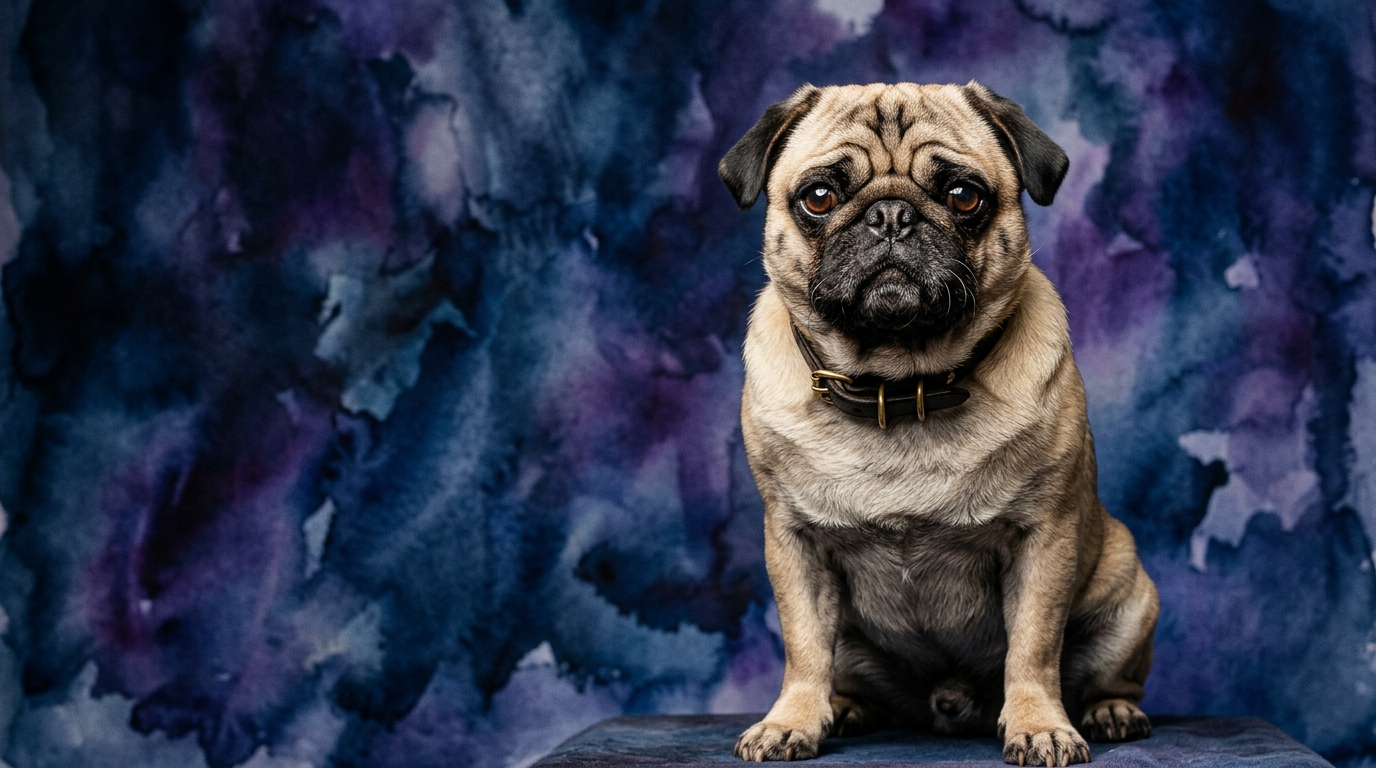
The Pug, ranked #57 by Coren for working and obedience intelligence, presents a profile emphasizing connection: Problem Solving 2/5 (suggesting they may rely less on complex reasoning for daily challenges, often preferring direct interaction or learned routines), Training Speed 2/5 (implying they might require more repetition or varied approaches to solidify commands), Social Intelligence 5/5 (highlighting their exceptional ability to read and respond to human cues, seeking connection), Instinctive Drive 2/5 (indicating a lower inclination for tasks requiring strong innate drives like hunting or guarding), and Memory 3/5 (a moderate ability to recall past experiences and learned behaviors).
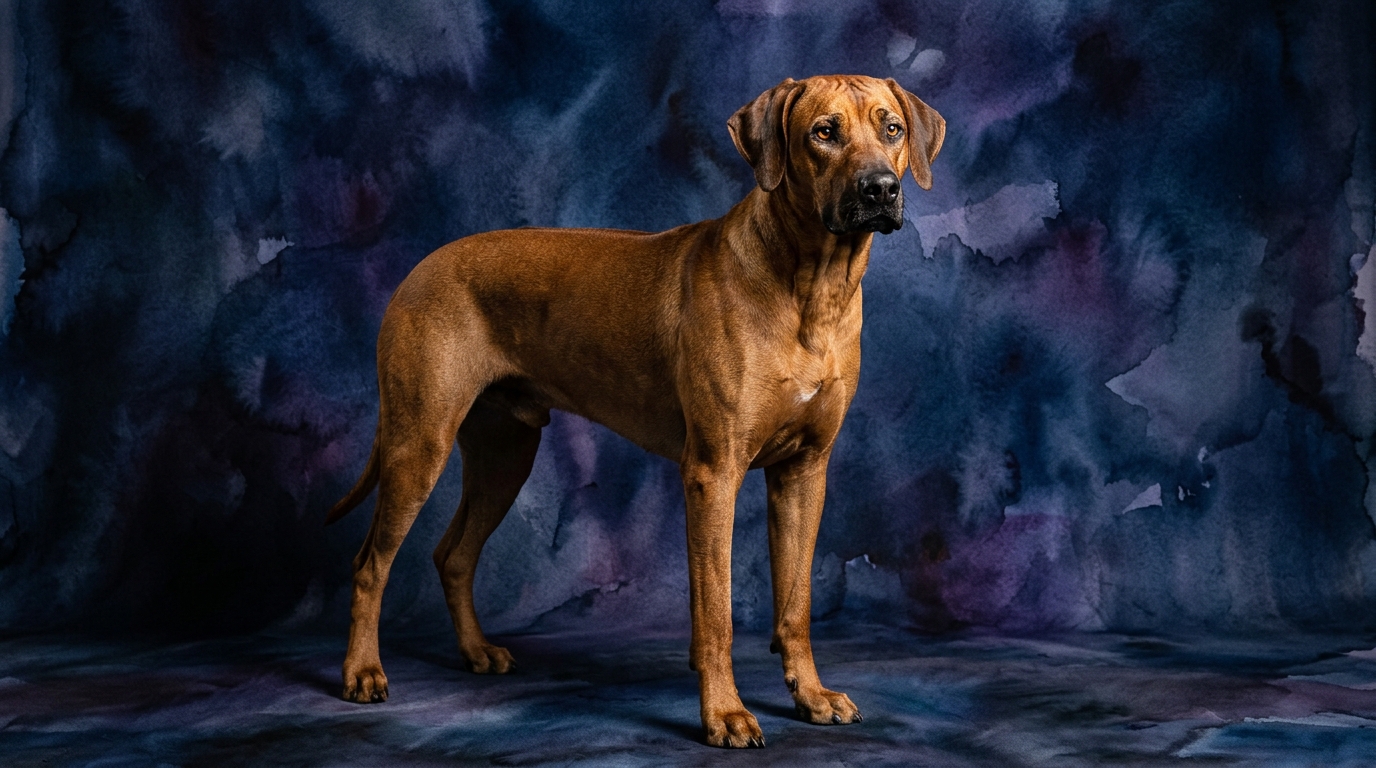
The Rhodesian Ridgeback, with a Coren rank of #52, shows a more balanced and capable profile: Problem Solving 3/5 (suggesting a moderate capacity for independent thought and navigating novel situations), Training Speed 3/5 (indicating a steady learning pace, capable of absorbing new commands with consistent effort), Social Intelligence 3/5 (implying they are aware of human interactions but might not prioritize them as intensely as some breeds, exhibiting a more independent nature), Instinctive Drive 3/5 (reflecting their heritage, possessing a balanced drive for purpose-driven activities without being overly intense), and Memory 3/5 (a moderate ability to recall past experiences and learned behaviors).
These initial scores immediately illustrate differing cognitive priorities: the Pug's world revolves around social interaction, while the Ridgeback demonstrates a more generalized aptitude for navigating various cognitive challenges, including those requiring independent thought and purpose.
Where the Pug's Mind Shines Brightest
The Pug's standout cognitive strength lies in their exceptional Social Intelligence, scoring a perfect 5/5. This isn't merely about being affectionate; it represents a profound ability to understand human emotions, anticipate desires, and adapt their behavior to foster deep, harmonious bonds. A Pug's responsiveness to subtle shifts in tone or body language allows them to integrate seamlessly into family life, often becoming the emotional barometer of the household.
This elevated social acumen means Pugs often 'solve' problems by eliciting human assistance or affection rather than tackling complex tasks independently. Their lower instinctive drive and problem-solving scores are not limitations in their role as companions; instead, they highlight a breed whose cognitive design is optimized for empathetic interaction and emotional resonance, making them unparalleled in their capacity for companionship.
The Rhodesian Ridgeback's Cognitive Strengths
The Rhodesian Ridgeback's cognitive profile showcases a more generalized and balanced aptitude, particularly in Problem Solving (3/5), Training Speed (3/5), and Instinctive Drive (3/5). This balance indicates a dog capable of more independent thought and action than the Pug. Their problem-solving might manifest in figuring out how to open a complex gate, navigating a challenging hiking trail, or discerning patterns in their environment to achieve a goal.
Their moderate instinctive drive, historically honed for tracking and holding large game, translates into a capacity for sustained focus and purposeful work. This isn't about brute force, but rather a cognitive trait enabling them to make decisions and persist in real-world scenarios, a distinct advantage over breeds whose primary cognitive focus is purely social. They possess a practical intelligence geared towards engagement with their surroundings.
Training Dynamics: Pug vs. Rhodesian Ridgeback
Comparing Training Speed (Pug 2/5, Ridgeback 3/5), the Pug typically requires more patience and creative approaches during training. While their high social intelligence makes them eager to please and respond to positive reinforcement, their shorter attention span for repetitive drills means sessions need to be engaging, fun, and often feel like an extension of social interaction. They thrive on praise and connection, which can be leveraged to overcome their slower processing speed for commands.
The Rhodesian Ridgeback's slightly higher training speed suggests they can grasp concepts more readily. However, their moderate social intelligence and stronger instinctive drive mean training needs to be engaging, consistent, and purposeful, often appealing to their desire for a 'job' or a challenge rather than purely human approval. Ridgebacks are independent thinkers; inconsistent training or a lack of mental stimulation can lead them to make their own decisions, which might not always align with an owner's wishes, requiring a firm yet fair approach to maintain engagement and compliance.
Lifestyle Suitability: Active vs. Relaxed Owners
For owners seeking a more relaxed pace of life, the Pug's cognitive profile aligns wonderfully. Their lower instinctive drive and problem-solving scores mean they are generally content with a less demanding routine. Their profound social intelligence makes them ideal for owners who value close companionship, indoor activities, and a canine presence that integrates seamlessly into a calm household. Short, leisurely walks and ample lap time are typically sufficient to meet their needs.
Conversely, active owners will find a better match in the Rhodesian Ridgeback. Their balanced instinctive drive and problem-solving capabilities mean they thrive with regular, vigorous physical exercise and consistent mental stimulation. They require outlets for their energy and cognitive engagement, whether through hiking, running, scent work, or advanced obedience training. A sedentary lifestyle would likely lead to boredom, frustration, and potential behavioral issues for a Ridgeback, as their minds and bodies are built for purpose and activity.
The Verdict
Choose a Pug if you prioritize an exceptionally social companion who thrives on deep emotional connection and a relaxed home environment, and you're prepared for a training journey that emphasizes patience and positive reinforcement.
Opt for a Rhodesian Ridgeback if you seek a capable, independent-minded partner for an active lifestyle, appreciate a dog that can engage in purposeful tasks, and are committed to consistent, stimulating training.
🧠 Find Your Pet's IQ Score
Our Pet IQ Lab assessment covers 25+ tests across 5 cognitive dimensions — personalized to your breed.
Take the Full IQ Test →Frequently Asked Questions
Is a Pug capable of learning complex tricks?
While Pugs have a moderate memory and lower training speed, their high social intelligence means they can certainly learn many tricks, especially if training is fun, positive, and reinforces their bond with you. Success often comes from breaking down complex tasks into smaller, rewarding steps, leveraging their desire for interaction.
Do Rhodesian Ridgebacks need a lot of mental stimulation?
Yes, Rhodesian Ridgebacks benefit significantly from mental stimulation due to their moderate problem-solving and instinctive drive scores. Activities like puzzle toys, scent work, advanced obedience classes, and varied training exercises help keep their minds engaged and prevent boredom, contributing to a well-adjusted and content temperament.
How does the Coren rank reflect these breeds' IQ differences?
The Coren rank, which places the Rhodesian Ridgeback at #52 and the Pug at #57, primarily reflects their capacity for working and obedience intelligence, or how quickly they learn and obey commands from a handler. While useful, it doesn't fully capture the nuances of social intelligence or instinctive drives that The Cosmic Pet IQ Lab's five dimensions illuminate, showing the Ridgeback's slightly quicker grasp of new commands and the Pug's profound focus on social interaction over rote obedience.