Side-by-Side IQ Profile: Pug vs. Saluki
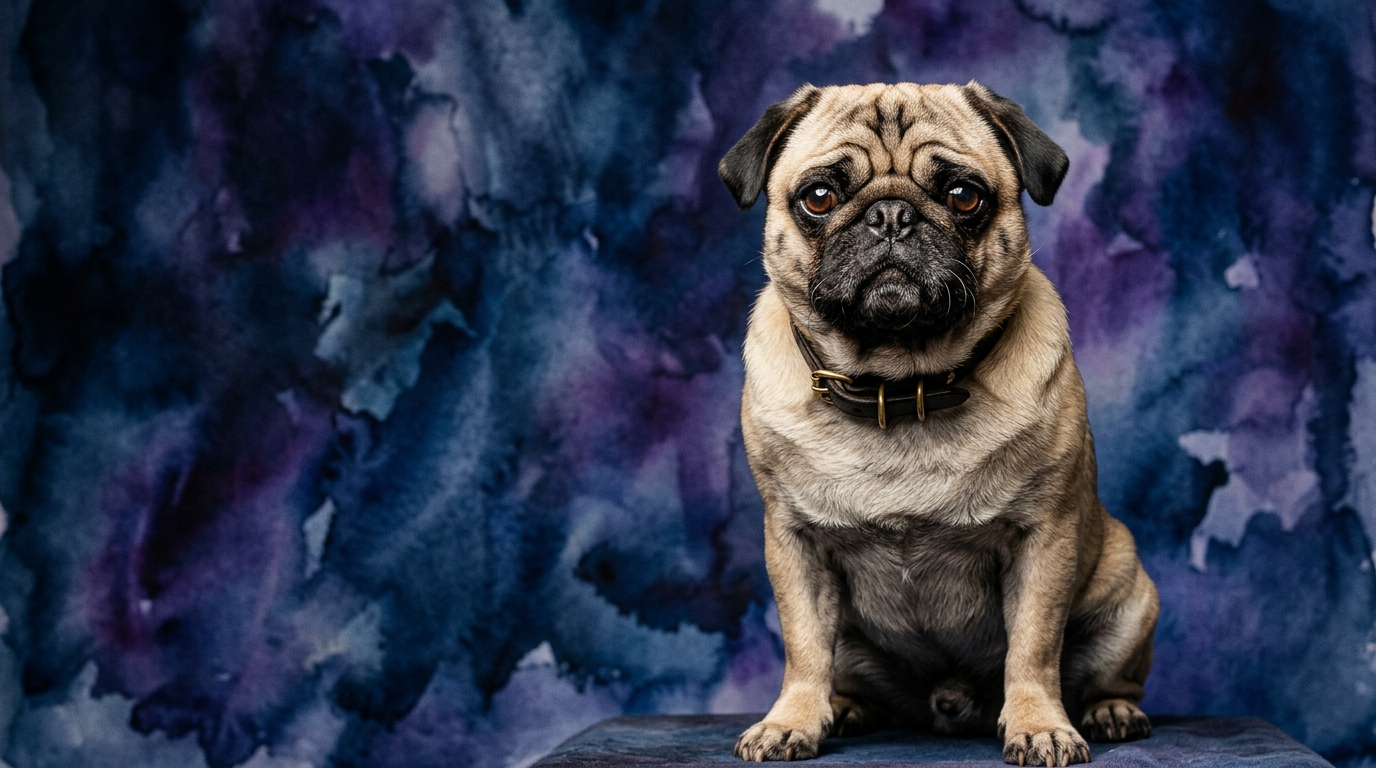
The Pug, a member of the Toy group, is ranked #57 by Coren for working intelligence and obedience, indicating a specific set of cognitive strengths. Our Pet IQ Lab assessment reveals their Problem Solving at 2/5, suggesting they typically prefer human assistance or charm their way to solutions rather than independently figuring things out. Their Training Speed also sits at 2/5, meaning patience and consistent, positive reinforcement are key. However, their Social Intelligence is a remarkable 5/5, reflecting their deep attunement to human emotions and household dynamics. Instinctive Drive is low at 2/5, showing minimal innate urges for hunting or herding, while their Memory is an average 3/5, sufficient for routines and recognizing familiar faces and commands.
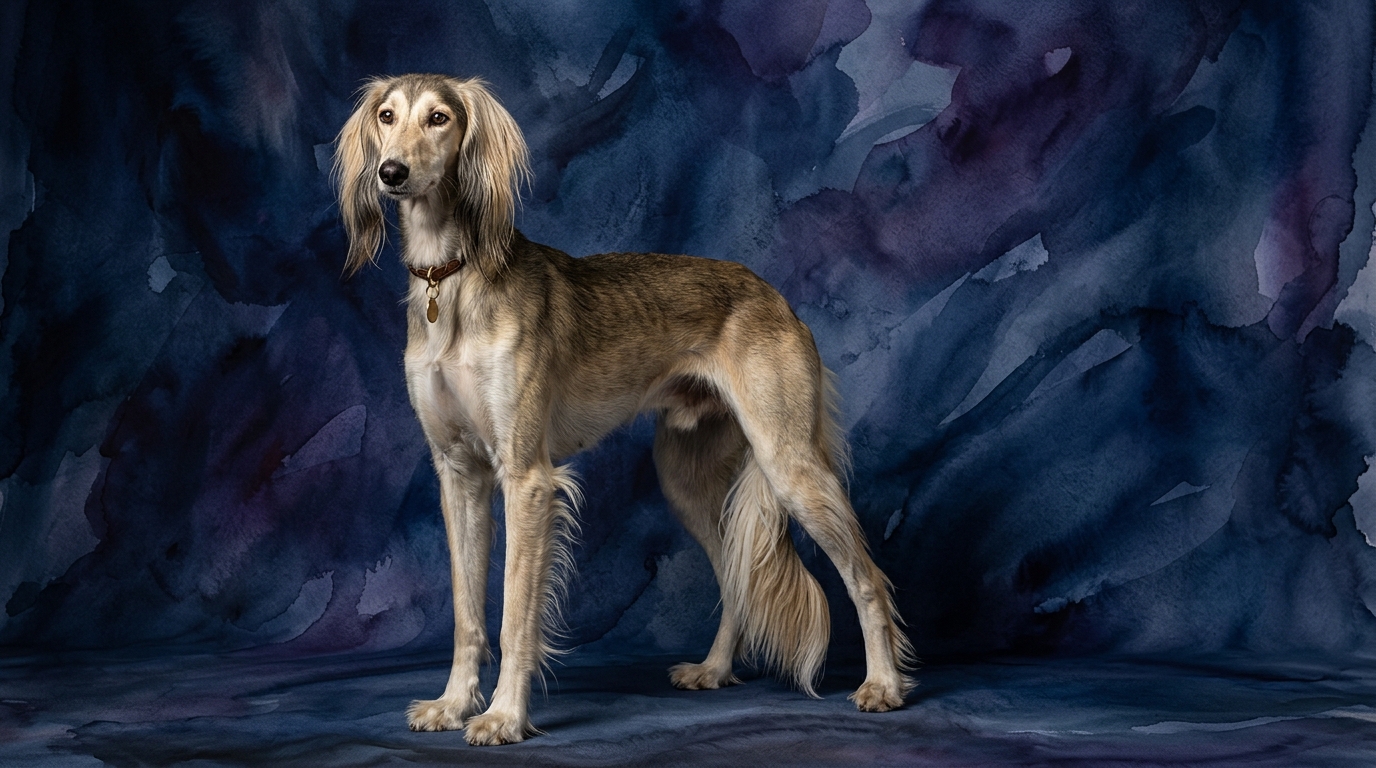
The Saluki, a graceful Hound, is not Coren-ranked, as sighthounds often operate on a different cognitive framework focused on independent action rather than biddability. The Pet IQ Lab scores them with a Problem Solving ability of 3/5, indicating a moderate capacity for independent thought to overcome obstacles, especially those related to their prey drive. Their Training Speed is also 3/5; they can learn quickly but their independent spirit often means they comply on their own terms. Social Intelligence is 3/5, showing they form strong bonds with their family but are often reserved with strangers. Their Instinctive Drive is 3/5, a clear nod to their heritage as independent hunters, and their Memory is an average 3/5, capable of retaining experiences and learned behaviors.
Where the Pug Shines Cognitively
The Pug's standout cognitive strength lies in their exceptional Social Intelligence, scoring a perfect 5/5 compared to the Saluki's 3/5. This dimension reflects their profound ability to read and respond to human emotions, making them unparalleled empathetic companions. A Pug excels at anticipating their owner's moods, offering comfort with a gentle nudge, or instigating play when the atmosphere is light.
Their entire cognitive framework seems geared towards interaction and emotional connection. This means they are highly adept at non-verbal communication, using subtle body language and vocalizations to express needs and desires, often seeming to understand human intentions before a word is spoken. This deep social awareness allows them to seamlessly integrate into family life, adapting to household routines and providing a constant, reassuring presence that is a core part of their charm.
Where the Saluki Excels Cognitively
The Saluki demonstrates superior cognitive abilities in Problem Solving and Instinctive Drive. With a Problem Solving score of 3/5 versus the Pug's 2/5, Salukis are more inclined to figure out challenges independently, particularly if the solution leads to a desired outcome like reaching a toy or exploring a new space. They possess a capacity for self-directed thought that allows them to navigate complex environments or devise their own methods for overcoming physical barriers, rather than waiting for human intervention.
Furthermore, their Instinctive Drive of 3/5, compared to the Pug's 2/5, highlights their acute sensory processing and rapid reaction to visual stimuli. As sighthounds, this drive translates into a focused awareness of their surroundings, an ability to detect movement from afar, and an intrinsic motivation for pursuit. This cognitive trait is a testament to their heritage, equipping them with a unique mental agility for independent hunting and observation that differs significantly from a Pug's people-centric focus.
Training Dynamics: Which is Easier to Train?
When considering ease of training, both breeds present distinct challenges, though for different reasons. The Pug, with a Training Speed of 2/5, often requires immense patience. While they are highly motivated by human interaction due to their 5/5 Social Intelligence, their independent streak and tendency to prioritize comfort or play can make sustained focus difficult. They understand what is asked of them, but their decision to comply is often weighed against their immediate desires for treats or affection, meaning consistency and high-value rewards are crucial for success.
The Saluki, scoring 3/5 in Training Speed, technically has a quicker learning aptitude, but their 3/5 Instinctive Drive and independent hound nature make them less inherently biddable. They learn rapidly if they perceive value in the command, but their strong instincts to chase or explore can easily override learned behaviors, especially in stimulating environments. For the average pet owner seeking a companion for general household manners, the Pug, despite its slower learning curve, might feel 'easier' in the long run due to its powerful motivation to please its humans and remain close, a direct result of its high social intelligence. The Saluki's independence means they are less inclined to seek constant approval, making them more challenging to keep consistently engaged and compliant without a thorough understanding of their breed-specific motivations and a very secure environment.
Suitability for Active vs. Relaxed Owners
The cognitive profiles of the Pug and Saluki clearly delineate their ideal owner types. The Pug, with its low Instinctive Drive (2/5) and unparalleled Social Intelligence (5/5), is perfectly suited for relaxed owners. They thrive in environments where their primary role is that of a cherished companion, content to be near their people, whether on the couch or enjoying short, leisurely strolls. Their moderate Memory (3/5) allows them to retain routines, contributing to their calm household presence, and their brachycephalic physiology naturally limits their need or capacity for strenuous physical activity.
Conversely, the Saluki, with its higher Problem Solving (3/5) and Instinctive Drive (3/5), is best suited for active owners who appreciate their independent spirit and athletic needs. As sighthounds, they possess a deep-seated desire to run and explore, requiring secure off-leash opportunities to truly flourish. Owners who understand and respect their unique hound instincts, providing outlets for both physical exertion and mental engagement, will find a graceful and devoted companion. Their reserved social intelligence (3/5) means they bond deeply with their family but are not typically the life of the party with strangers, making them ideal for owners who value a more independent canine presence.
The Verdict
If your lifestyle is relaxed and you seek a deeply empathetic, highly socially intelligent companion who thrives on constant human connection and comfort, the Pug is an excellent choice.
If you value an independent, graceful, and athletic companion with a keen eye for pursuit, who needs ample space to run and an owner who respects their unique hound instincts, the Saluki may be your perfect match.
🧠 Find Your Pet's IQ Score
Our Pet IQ Lab assessment covers 25+ tests across 5 cognitive dimensions — personalized to your breed.
Take the Full IQ Test →Frequently Asked Questions
Are Pugs truly stubborn, or is it a misunderstanding of their intelligence?
Pugs aren't inherently stubborn; their lower training speed (2/5) and high social intelligence (5/5) mean they often prioritize comfort or interaction over strict obedience. They respond best to positive reinforcement and patience, understanding commands but sometimes choosing not to comply if the reward isn't appealing enough in that moment.
How does a Saluki's independent nature impact their cognitive development?
A Saluki's independent nature, stemming from their sighthound heritage, fosters strong problem-solving skills (3/5) for self-sufficiency and a focused instinctive drive (3/5). This means they excel at tasks requiring independent thought and pursuit, but it also makes them less biddable in traditional obedience training as they often prefer to make their own decisions.
Can a Pug be trained for complex tasks despite its lower problem-solving score?
While Pugs may not naturally excel at complex problem-solving (2/5), their high social intelligence (5/5) means they are highly motivated by human interaction and rewards. With consistent, positive reinforcement and breaking tasks into smaller steps, they can certainly learn a variety of tricks and routines, though it might require more repetition and patience than with a breed bred for intricate tasks.