Side-by-Side Cognitive Profile: Pug vs. Silky Terrier
The Cosmic Pet Pet IQ Lab employs a five-dimensional framework to assess canine intelligence, offering a nuanced view beyond simplistic rankings. For the Pug, ranked #57 by Coren, and the unranked Silky Terrier, these dimensions paint distinct pictures of their cognitive strengths.
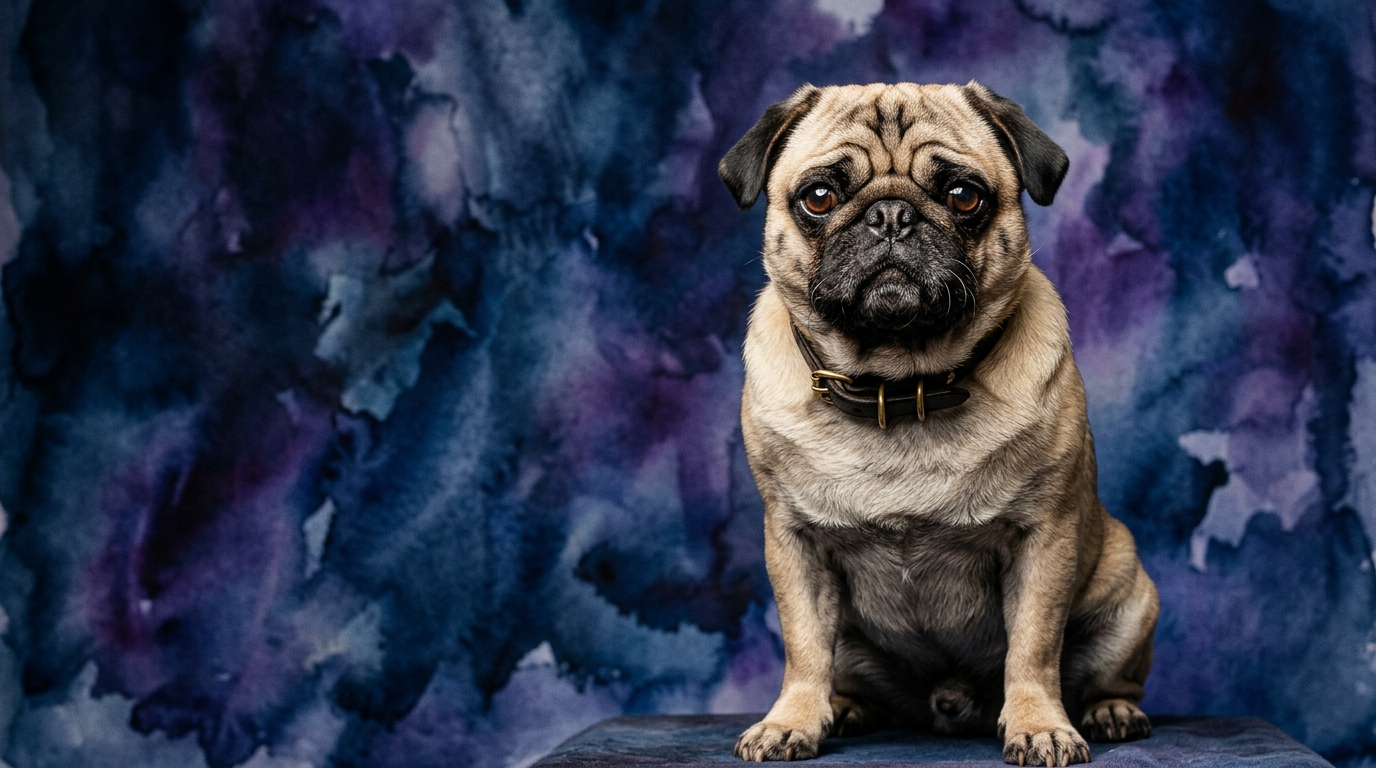
Pug (Coren Rank #57): Problem Solving 2/5: Pugs typically approach novel situations with less independent strategic thought, often preferring to rely on established routines or human intervention rather than devising complex solutions to environmental obstacles. Their cognitive approach leans towards comfort and predictability over inventive problem-solving. Training Speed 2/5: Acquiring new commands and behaviors often requires considerable patience and consistent repetition. Pugs can be easily distracted by their surroundings or possess a whimsical, sometimes stubborn, approach to formal instruction, making rapid learning less common. Social Intelligence 5/5: This breed excels in understanding human emotions, body language, and social cues, demonstrating a profound capacity for connection and adapting their behavior to maintain harmony within their family unit. They are masters at reading their people. Instinctive Drive 2/5: Their innate drives for activities such as hunting, herding, or guarding are notably low. This means Pugs are generally less inclined towards tasks requiring sustained, independent action or a strong prey drive, preferring instead to be close companions. Memory 3/5: Pugs possess an average recall for learned commands, routines, and significant past experiences. They are capable of remembering daily patterns and important events without exhibiting exceptional or unusually precise long-term memory.
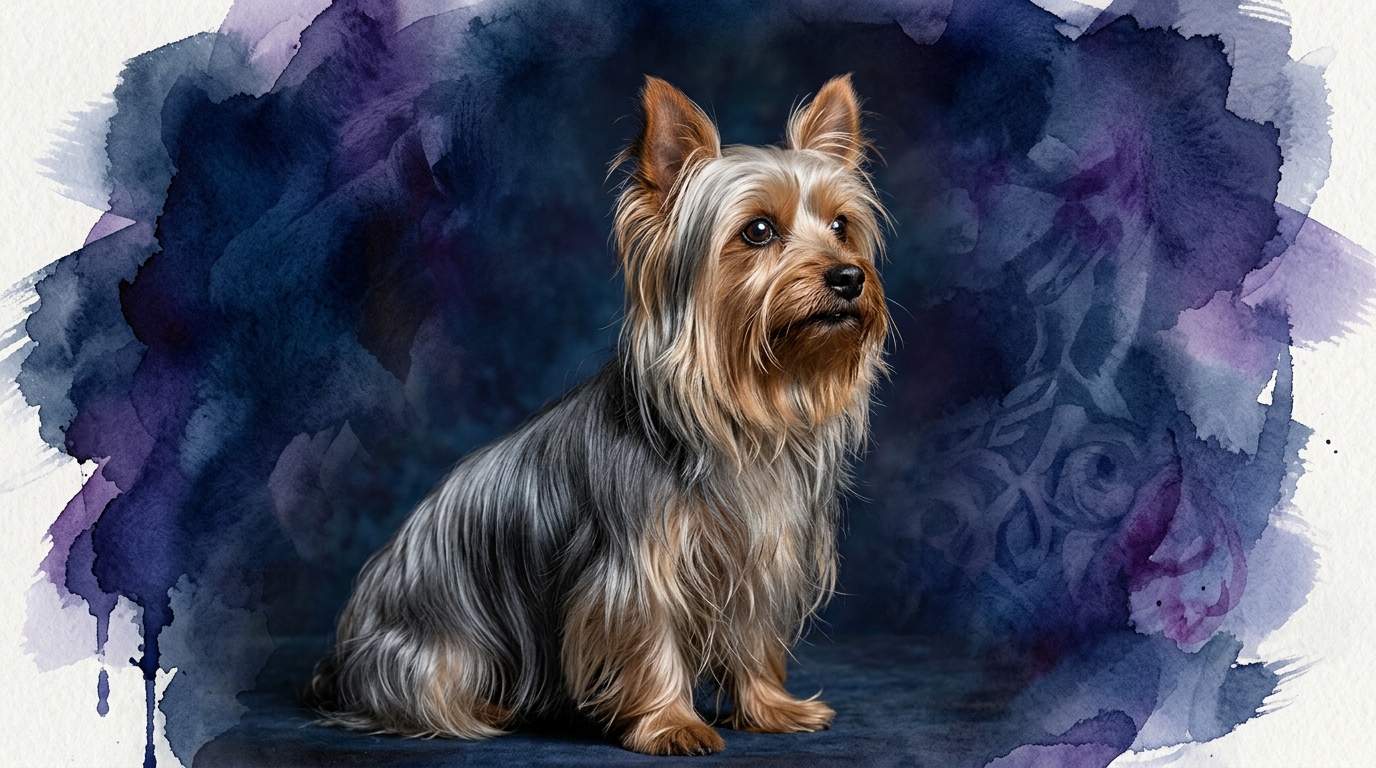
Silky Terrier (Not Coren-Ranked): Problem Solving 3/5: Silky Terriers exhibit a moderate capacity for independent thought and figuring out solutions to environmental challenges. They often show a persistent curiosity and a willingness to explore, attempting to overcome minor obstacles or access desired items through their own efforts. Training Speed 3/5: They learn new commands and routines at a moderate pace, generally receptive to instruction. However, maintaining their focus requires consistent, engaging methods, as their terrier curiosity can sometimes lead to distraction if not properly channeled. Social Intelligence 3/5: Silky Terriers show a balanced understanding of social dynamics. They are capable of forming strong bonds and responding appropriately to human cues, though their expressions of affection might be more active and less overtly empathic than a Pug's. Instinctive Drive 3/5: Possessing a moderate drive, they retain some of their terrier heritage, showing interest in activities like chasing small objects, digging, or exploring new scents. This drive can be positively channeled into constructive play and interactive games. Memory 3/5: Their memory is on par with the average canine, allowing them to retain training, recall past experiences, and follow established routines effectively. This contributes to their adaptability and ability to learn complex sequences over time.
Where the Pug Cognitively Excels
The Pug's standout cognitive strength lies unequivocally in its social intelligence, scoring a perfect 5/5. This remarkable capacity translates into an unparalleled ability to read human emotions, anticipate needs, and adapt their demeanor to foster deep, empathic bonds. Unlike breeds driven primarily by task-oriented thinking or independent action, Pugs excel at understanding the subtle nuances of companionship, often appearing uncannily attuned to their owner's mood or intentions. Their cognitive architecture prioritizes social cohesion and emotional reciprocity, making them master communicators in the silent language of affection and presence. This trait solidifies their role as truly empathetic and intuitive family members, offering a level of emotional responsiveness that few breeds can match.
Where the Silky Terrier Cognitively Shines
The Silky Terrier demonstrates a more broadly balanced cognitive profile, particularly shining in its problem-solving abilities and a generally higher, more consistent drive across multiple dimensions. With a 3/5 in problem-solving, they are more inclined to independently strategize around obstacles, figure out how to access desired objects, or navigate novel environments, showcasing a persistent curiosity and mental agility that contrasts with the Pug's typical approach. This breed's moderate instinctive drive (3/5) also means they are more predisposed to engaging actively with their environment through exploration, playful 'terrier' activities like chasing, and investigating. This offers a broader range of mental engagement opportunities and a more proactive interaction with their surroundings compared to the Pug's primarily social focus.
Training Aptitude: Which is Easier to Guide?
When it comes to formal training, the Silky Terrier generally presents a more straightforward path. With a training speed of 3/5, they tend to grasp new commands with moderate effort, often motivated by their balanced instinctive drive (3/5) which can be effectively channeled into structured activities like agility exercises, retrieving games, or learning tricks. Their moderate problem-solving skills also mean they might figure out what's expected of them more readily, contributing to faster learning. In contrast, the Pug's training speed of 2/5 and notably lower instinctive drive (2/5) often mean they require significantly more patience, creativity, and consistent positive reinforcement. Pugs can be easily distracted by interesting smells or sounds, or simply choose to ignore commands if they don't perceive immediate value or sufficient motivation, making consistency and short, engaging sessions absolutely crucial. While a Silky might learn 'sit' in a few focused sessions, a Pug might take longer, often requiring more persuasive motivation beyond just compliance to build reliable responses.
Lifestyle Match: Active vs. Relaxed Owners
For owners seeking a more relaxed, companion-centric lifestyle with minimal demands for intense activity, the Pug is often the ideal choice. Their low instinctive drive (2/5) and profound social intelligence (5/5) mean they thrive on close proximity and emotional connection, content with moderate, leisurely exercise and ample cuddle time on the sofa. They are not typically driven by the need for complex tasks, extensive physical activity, or independent exploration, preferring instead to be a warm, comforting, and deeply connected presence. Conversely, the Silky Terrier, with its balanced instinctive drive (3/5) and moderate problem-solving (3/5), aligns better with more active owners. They appreciate regular engagement that stimulates both their body and mind, enjoying longer walks, interactive play sessions, and even some light training challenges or canine sports. While not demanding extreme athleticism, a Silky Terrier benefits from an owner who can consistently provide outlets for their curiosity, mental energy, and terrier-like zest for life, preventing boredom and channeling their natural predispositions constructively.
The Verdict
Choose a Pug if your primary desire is an exceptionally empathetic, devoted companion who thrives on social connection and prefers a more relaxed pace of life.
Opt for a Silky Terrier if you appreciate a moderately active, curious companion with a balanced cognitive profile that enjoys engaging in varied activities and learning new things.
🧠 Find Your Pet's IQ Score
Our Pet IQ Lab assessment covers 25+ tests across 5 cognitive dimensions — personalized to your breed.
Take the Full IQ Test →Frequently Asked Questions
How does the Pug's social intelligence impact its daily behavior?
The Pug's exceptional social intelligence means they are highly attuned to human emotions and social cues, often mirroring their owner's mood. This makes them incredibly empathetic companions, often seeking to comfort or engage based on perceived human needs, fostering deep bonds.
What kind of mental stimulation benefits a Silky Terrier most?
Silky Terriers benefit from mental stimulation that engages their moderate problem-solving and instinctive drive, such as puzzle toys, scent work, or short, engaging training sessions. Activities that allow them to explore or 'hunt' for treats can also satisfy their natural curiosity.
Are Pugs difficult to train due to their lower training speed score?
Pugs are not necessarily difficult to train, but their lower training speed (2/5) means they require more patience, consistency, and positive reinforcement than some other breeds. Short, fun sessions with high-value rewards are most effective, as they can be easily distracted or simply choose to be 'stubborn' if not properly motivated.