Side-by-Side Cognitive Profiles: Pug vs. Smooth Fox Terrier
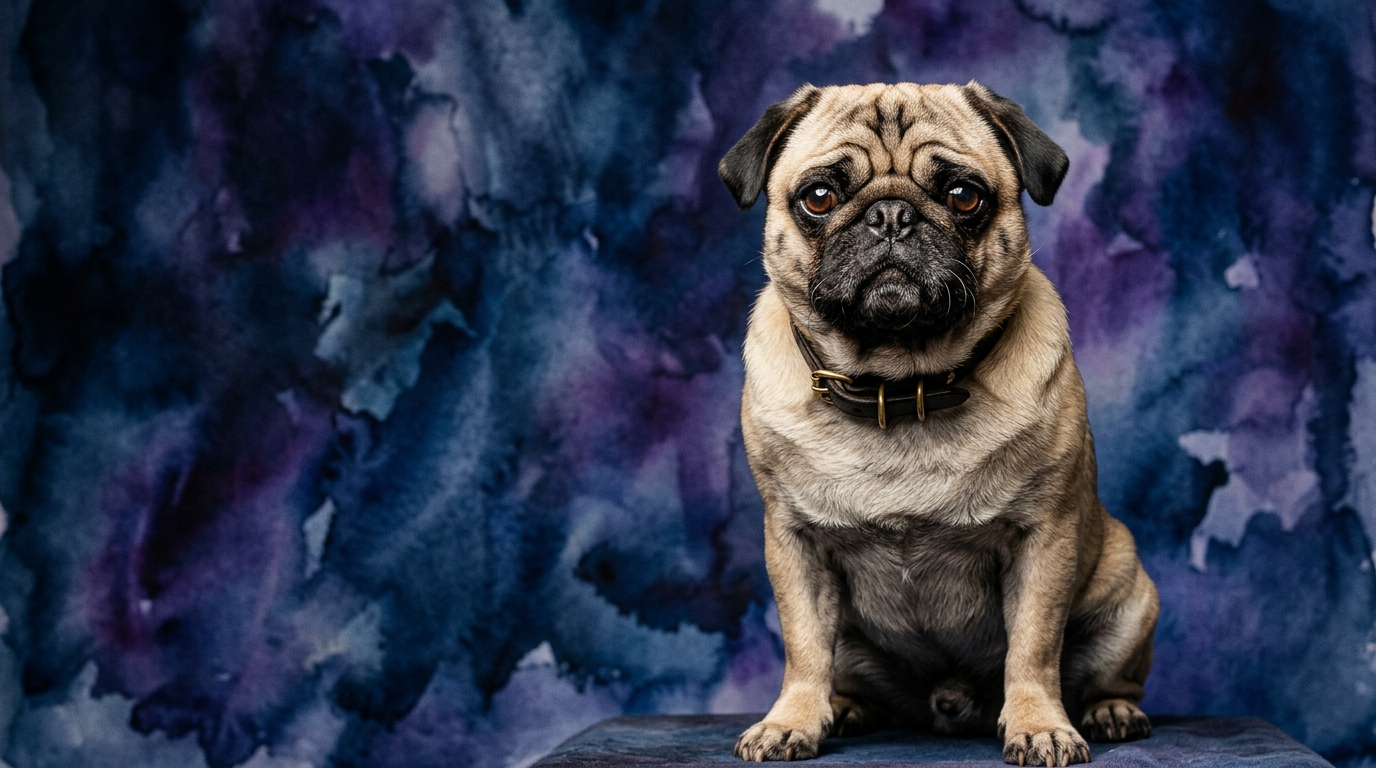
The Cosmic Pet Pet IQ Lab employs a five-dimensional framework to assess canine intelligence, providing a nuanced view beyond simple obedience. For the Pug, a breed classified in the Toy group and holding a Coren rank of #57, its cognitive scores paint a picture of a companion-focused mind. Its Problem Solving ability stands at 2/5, indicating it may not be the quickest to independently decipher complex environmental puzzles or multi-step tasks. Training Speed also registers at 2/5, suggesting that Pugs often require patience and consistent repetition to grasp new commands, potentially learning at a slower pace than some other breeds. Where the Pug truly shines is in Social Intelligence, scoring a perfect 5/5; this reflects an exceptional capacity to read human cues, interpret emotions, and foster deep, reciprocal bonds. Instinctive Drive is low at 2/5, meaning Pugs typically exhibit minimal prey drive or intrinsic motivation for working tasks. Memory, at 3/5, allows them to retain routines and basic commands adequately.
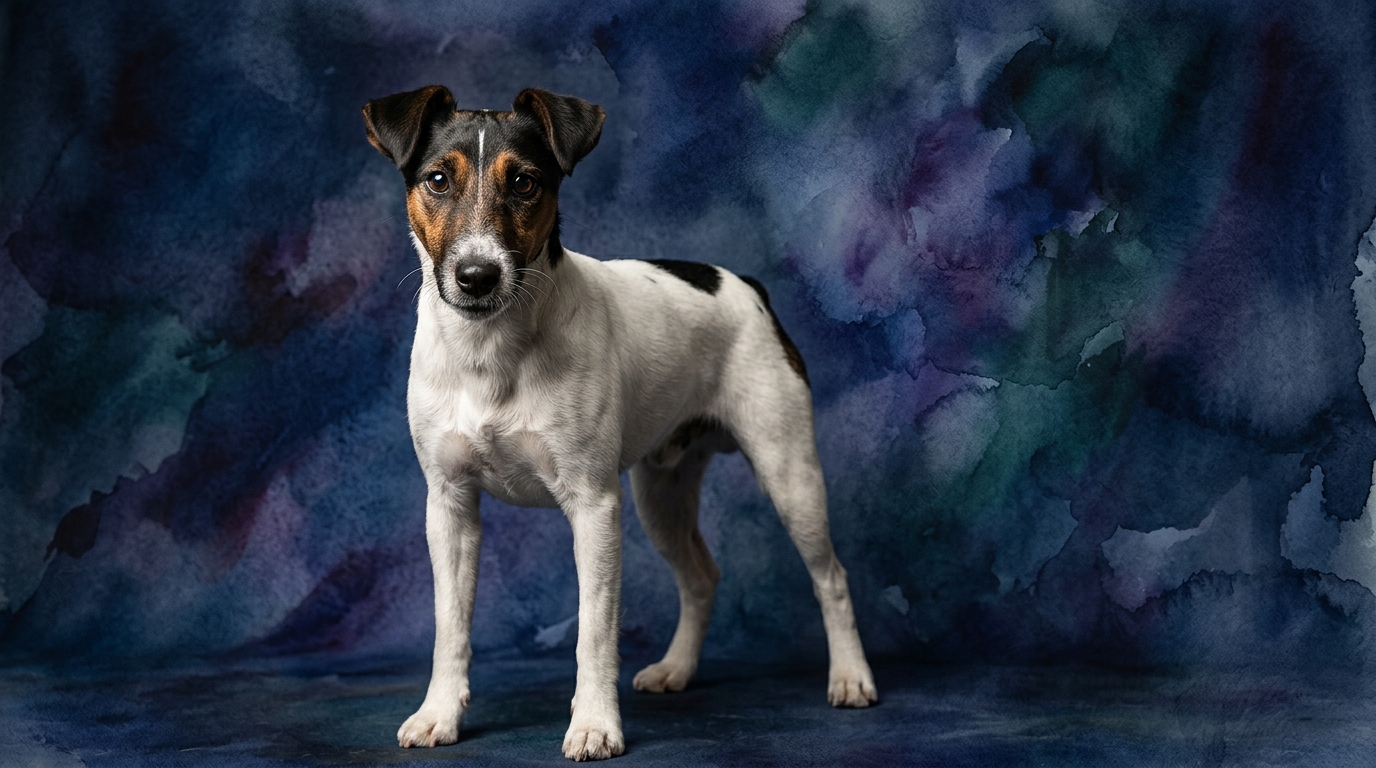
In contrast, the Smooth Fox Terrier, a member of the Terrier group and not assigned a Coren ranking, presents a different cognitive signature. Its Problem Solving score is 3/5, demonstrating a moderate ability to navigate challenges and figure out solutions independently, a trait valuable in its historical role. Training Speed is also 3/5, indicating it generally learns new behaviors at a reasonable pace, though engagement is key. Social Intelligence for the Smooth Fox Terrier is 3/5; while capable of forming strong bonds, it tends to be more independent and less overtly focused on human emotional states than a Pug. Instinctive Drive, at 3/5, points to a moderate prey drive and an inherent inclination towards exploring, digging, and pursuing. Its Memory score aligns with the Pug's at 3/5, meaning it capably stores and recalls information relevant to its daily life and learned tasks.
Where the Pug Excels Cognitively
The Pug's standout cognitive strength lies squarely in its Social Intelligence, earning a perfect 5/5. This isn't merely about being affectionate; it represents a sophisticated ability to perceive and respond to human emotional states and intentions. A Pug often anticipates its owner's mood, offering comfort or initiating playful interaction based on subtle shifts in body language or vocal tone. They demonstrate a profound capacity for reciprocal communication, understanding when their human is pleased, sad, or requires a quiet presence. This profound attunement allows Pugs to integrate seamlessly into family dynamics, making them unparalleled companions who thrive on deep personal connection. Their cognitive energy is largely directed towards social cohesion, making them exceptionally skilled at forming and maintaining strong, empathetic bonds within their human 'pack.' This social acumen means they often learn through observation of human routines and preferences, even if formal command acquisition takes more time.
Where the Smooth Fox Terrier Shows Cognitive Strengths
The Smooth Fox Terrier's cognitive advantages are rooted in its more independent and task-oriented mindset. Its Problem Solving score of 3/5, compared to the Pug's 2/5, indicates a greater propensity for independent thought and figuring out novel situations. This breed often demonstrates ingenuity when faced with an obstacle, whether it's finding a way to access a desired object or navigating a complex environment. Coupled with a Training Speed of 3/5, Smooth Fox Terriers can grasp new commands and sequences at a moderate pace, particularly when the training is engaging and taps into their innate curiosity. Their Instinctive Drive, also 3/5, fuels a natural inclination to explore, investigate, and engage with their surroundings, often manifesting as a keen interest in scent work or interactive games. This drive provides a cognitive engine for sustained engagement in activities that require focus and determination, traits that were historically crucial for their working roles.
Training Dynamics: Pug vs. Smooth Fox Terrier
When considering ease of training, the Pug and Smooth Fox Terrier present distinct challenges and rewards. The Smooth Fox Terrier, with its 3/5 Training Speed and 3/5 Problem Solving, tends to pick up new commands and tricks more quickly than the Pug. They respond well to varied, engaging training sessions that challenge their intellect and leverage their moderate instinctive drive. However, their independence (Social Intelligence 3/5) means they can sometimes be willful or easily distracted if training isn't consistently stimulating or if they perceive a more interesting activity. Success with a Smooth Fox Terrier often hinges on making training a game, utilizing positive reinforcement, and maintaining a firm yet fair approach to manage their terrier tenacity.
The Pug, despite its 2/5 Training Speed, can be surprisingly trainable, albeit in a different manner. While it may take more repetitions for a Pug to master a complex command, their exceptional 5/5 Social Intelligence makes them profoundly eager to please their human companions. They often thrive on positive reinforcement that includes abundant praise, petting, and gentle encouragement, as these strengthen the social bond they crave. Pugs respond particularly well to routine and consistency, and once a behavior is learned, their 3/5 Memory helps solidify it. Their lower Instinctive Drive (2/5) means fewer distractions from environmental stimuli, but their potential for stubbornness, especially if they don't see the immediate social reward, requires patience and a gentle, encouraging hand. For basic obedience and house manners, the Pug’s desire for connection can make them compliant, even if the learning curve is longer for intricate tasks.
Matching Breeds to Lifestyles: Active vs. Relaxed Owners
The cognitive profiles of these two breeds offer clear guidance for potential owners based on their lifestyle preferences. For active owners who enjoy engaging in structured activities, outdoor adventures, and consistent mental stimulation, the Smooth Fox Terrier is often a more suitable companion. Their 3/5 Problem Solving and Instinctive Drive mean they benefit from regular opportunities to explore, learn new skills, and engage in activities like agility, earthdog trials, or even complex puzzle toys. They require an owner who can channel their natural curiosity and energy into productive outlets, preventing boredom-driven behaviors. An owner who appreciates a canine partner with a spirited, independent streak and is willing to provide consistent mental and physical challenges will find a rewarding relationship with a Smooth Fox Terrier.
Conversely, the Pug's cognitive makeup aligns perfectly with a more relaxed owner who prioritizes companionship, indoor comfort, and consistent, affectionate interaction. Their unparalleled 5/5 Social Intelligence means they thrive on being an integral part of daily family life, often content to observe and participate in quiet activities. While they enjoy short walks and gentle play, their lower Instinctive Drive and Problem Solving scores mean they don't demand extensive, complex mental challenges. An owner who cherishes a devoted, empathetic presence, enjoys a predictable routine, and can offer abundant cuddles and affirmation will find the Pug to be an ideal, low-key companion. Their primary cognitive need is connection, making them perfect for those who seek a constant, warm presence by their side.
The Verdict
Choose a Pug if your lifestyle is relaxed, you seek an exceptionally empathetic and devoted companion, and you prioritize deep social connection over high-energy activities or complex training challenges.
Opt for a Smooth Fox Terrier if you lead an active life, enjoy engaging in stimulating activities, and appreciate a spirited, problem-solving canine partner with a moderate independent streak.
🧠 Find Your Pet's IQ Score
Our Pet IQ Lab assessment covers 25+ tests across 5 cognitive dimensions — personalized to your breed.
Take the Full IQ Test →Frequently Asked Questions
Is a Pug difficult to train due to its lower training speed score?
While a Pug's Training Speed is 2/5, indicating a slower learning curve for complex commands, their high Social Intelligence (5/5) means they are often eager to please. Training requires patience and positive reinforcement, but their desire for human approval can make them compliant for basic obedience and house manners.
Do Smooth Fox Terriers make good family pets, given their independence?
Yes, Smooth Fox Terriers can be excellent family pets, but their independence (Social Intelligence 3/5) means they thrive with consistent training and clear boundaries. They are energetic and playful, enjoying interaction, but may require more structured engagement than a Pug to prevent boredom and channel their instinctive drive appropriately.
Which breed is better for an owner living in an apartment?
A Pug often adapts well to apartment living due to its lower exercise requirements and strong desire for indoor companionship. A Smooth Fox Terrier can also live in an apartment, but its higher energy and instinctive drive necessitate more consistent and vigorous exercise, along with mental stimulation, to prevent destructive behaviors in a confined space.