Side-by-Side IQ Profile: Unpacking Each Dimension
The Cosmic Pet Pet IQ Lab employs a five-dimensional framework to assess canine intelligence, offering a nuanced view beyond simplistic notions. For the Pug, a Toy breed with a Coren rank of #57, and the Staffordshire Bull Terrier, a Terrier breed not specifically Coren-ranked, these dimensions highlight their distinct cognitive leanings.
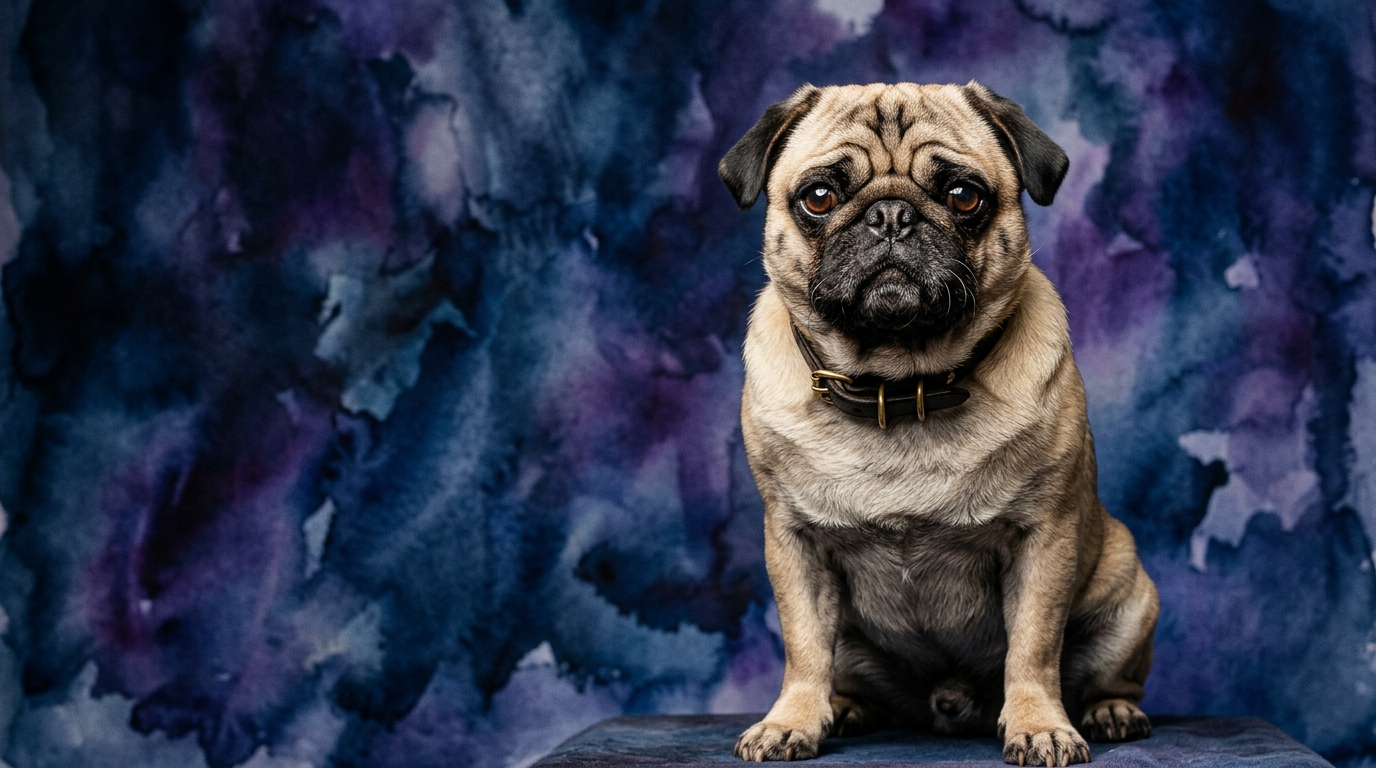
**Pug Intelligence Profile:** The Pug scores 2/5 in Problem Solving, indicating they generally prefer human guidance over independent strategizing when faced with novel situations or environmental puzzles. Their Training Speed, also at 2/5, suggests a need for consistent, patient repetition to master new commands, as they may take longer to form associations. Where the Pug truly shines is in Social Intelligence, earning a perfect 5/5; this reflects an exceptional capacity to understand and respond to human emotions and social cues, making them remarkably attuned companions. Their Instinctive Drive is low at 2/5, meaning they are less compelled by primal urges like hunting or extensive independent exploration, preferring to remain close to their human family. Finally, their Memory is rated 3/5, an average capacity for recalling learned behaviors and routines.
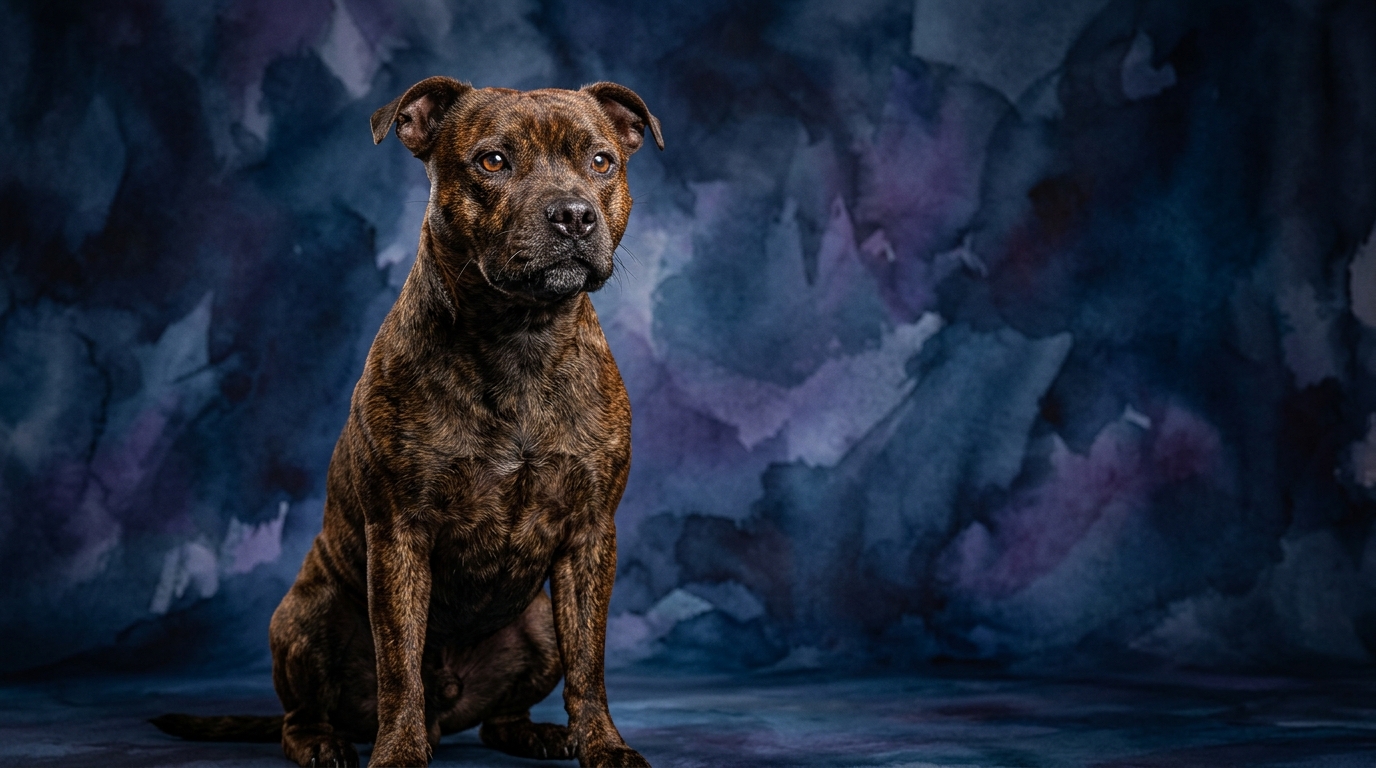
**Staffordshire Bull Terrier Intelligence Profile:** The Staffordshire Bull Terrier presents a more balanced profile across the board. They score 3/5 in Problem Solving, demonstrating a moderate ability to independently assess and navigate challenges, capable of figuring out simple obstacles or puzzle toys. Their Training Speed is also 3/5, suggesting they learn new commands at an average pace, responsive to clear instruction and engagement. In Social Intelligence, they achieve a 3/5, indicating a good capacity for forming bonds and interacting appropriately within a family setting, though perhaps not with the same nuanced emotional sensitivity as a Pug. Their Instinctive Drive is 3/5, signifying a moderate level of natural urges that can include a desire for engaging play, exploration, and sometimes a degree of prey drive. Like the Pug, their Memory is rated 3/5, allowing them to retain training and routines effectively with practice.
Where the Pug Excels Cognitively
The Pug's standout cognitive strength lies squarely in its Social Intelligence, earning a rare 5/5. This isn't merely about being friendly; it signifies an profound ability to read subtle human emotional states, body language, and vocal inflections. A Pug often seems to anticipate a family member's mood, offering comfort or companionship precisely when needed, a testament to their deep empathetic processing. This specific cognitive trait enables them to form exceptionally strong, almost intuitive, bonds with their human companions, making them quintessential emotional support animals without formal training. They excel at mirroring human tranquility and providing a calming presence.
Furthermore, their low Instinctive Drive (2/5) contributes to a unique cognitive advantage for certain lifestyles. Unlike breeds with strong independent drives, Pugs are less prone to being distracted by environmental stimuli like scents or distant movements that might trigger a chase. This means their cognitive focus is predominantly on their immediate human environment, fostering a constant state of readiness for interaction and companionship. They are content with a less stimulating outdoor environment, preferring the comfort and social engagement of their home, a direct result of their low inherent drive to explore or hunt independently.
Where the Staffordshire Bull Terrier Shows Cognitive Strengths
The Staffordshire Bull Terrier's cognitive profile reveals strengths in areas where the Pug is less focused. Their Problem Solving score of 3/5, compared to the Pug's 2/5, points to a greater capacity for independent thought and adaptability. This means a Staffy is more likely to assess a situation and devise a simple solution, whether it's figuring out how to retrieve a toy stuck under furniture or navigating a moderately complex puzzle feeder. This enhanced cognitive flexibility allows them to engage with their environment in a more proactive and exploratory manner, demonstrating a practical intelligence that enjoys mental challenges.
Their Training Speed, also at 3/5 (versus the Pug's 2/5), indicates a quicker grasp of new commands and a more efficient learning process. While patience is always beneficial, a Staffy generally requires fewer repetitions to solidify a new behavior. This cognitive responsiveness makes them more amenable to varied training regimens, from basic obedience to more complex tricks or even dog sports. Their moderate Instinctive Drive (3/5) further supports this; it provides a natural curiosity and motivation to engage with tasks and challenges, fueling their desire to work alongside their handler rather than relying solely on social connection for motivation. This combination allows for a broader scope of learned behaviors and greater versatility in activities.
Training Dynamics: Pug vs. Staffordshire Bull Terrier
When it comes to training, the cognitive differences between these two breeds become particularly evident. The Pug, with its Training Speed of 2/5, requires significant patience and consistent positive reinforcement. They are not quick to pick up new commands and can appear stubborn if the task doesn't immediately appeal to their desire for social interaction. Their lower problem-solving ability means they may struggle with abstract concepts or multi-step commands. However, their exceptional Social Intelligence (5/5) can be leveraged; training methods that are heavily praise-based, involve gentle touch, and make the experience a bonding activity often yield the best results. House training, for instance, might take longer due to their lower instinctive drive to 'hold it' and less independent exploration to find appropriate spots, demanding diligence from the owner.
The Staffordshire Bull Terrier, with a Training Speed of 3/5, generally learns at a more average pace, often picking up new commands more readily than a Pug. Their moderate Problem Solving and Instinctive Drive mean they are more inclined to engage with structured training sessions, especially if they involve physical activity or mental challenges. While they can exhibit a characteristic terrier tenacity or 'selective hearing' if they're bored or don't see the immediate benefit, they are generally eager to please their handlers. Consistency, clear boundaries, and rewarding desired behaviors with praise, treats, and play are highly effective. Their slightly higher drive also makes them more amenable to outdoor training and activities, contrasting with the Pug's preference for indoor comfort. Overall, the Staffy tends to be more versatile in learning a wider range of behaviors and commands due to their more balanced cognitive scores in problem-solving and training speed.
Matching Breeds to Lifestyles: Active vs. Relaxed Owners
Understanding their cognitive profiles is crucial for matching these breeds to appropriate owner lifestyles. The Pug, defined by its 5/5 Social Intelligence and 2/5 Instinctive Drive, is an ideal companion for relaxed owners or those with less active lifestyles. They thrive in environments where extensive human companionship and quiet interaction are prioritized. Their need for physical exercise is moderate, satisfied with short, leisurely walks and indoor play. Their cognitive focus is on their human family, making them content to be a constant, comforting presence. Owners who cherish a lapdog, enjoy quiet evenings, and seek a deeply emotionally responsive companion will find the Pug's intelligence perfectly aligned with their desires, requiring minimal complex mental stimulation beyond social engagement.
Conversely, the Staffordshire Bull Terrier, with its 3/5 scores across Problem Solving, Training Speed, and Instinctive Drive, is better suited for active owners. This breed possesses an inherent drive for engagement and activity that needs to be channeled productively. They benefit from regular, brisk walks, active playtime, and opportunities for mental stimulation through training and puzzle toys. Owners who enjoy outdoor activities, are committed to consistent training, and can provide varied experiences will find the Staffy's cognitive makeup a rewarding challenge. Their balanced intelligence means they enjoy learning and problem-solving, and a lack of appropriate outlets can lead to boredom-related behaviors. They are robust companions who enjoy being part of an energetic household, contrasting with the Pug's preference for tranquil companionship.
The Verdict
Choose a Pug if you prioritize an exceptionally intuitive emotional connection and a tranquil, devoted companion who thrives on consistent human presence and minimal physical demands.
Opt for a Staffordshire Bull Terrier if you seek an adaptable, engaging companion capable of more varied activities, and you're prepared to provide consistent training and active mental and physical stimulation.
🧠 Find Your Pet's IQ Score
Our Pet IQ Lab assessment covers 25+ tests across 5 cognitive dimensions — personalized to your breed.
Take the Full IQ Test →Frequently Asked Questions
Are Pugs genuinely difficult to train?
Pugs have a 2/5 Training Speed, meaning they require more patience and repetition than many breeds. However, their 5/5 Social Intelligence means they respond exceptionally well to positive reinforcement methods that leverage praise, affection, and making training a bonding experience, rather than a demanding task.
Do Staffordshire Bull Terriers need significant mental stimulation?
Yes, with 3/5 scores in Problem Solving and Instinctive Drive, Staffordshire Bull Terriers benefit greatly from mental engagement. Puzzle toys, regular training sessions, and varied activities help satisfy their natural curiosity and prevent boredom, channeling their energy constructively.
Which breed is generally better with children from an intelligence perspective?
Pugs, with their 5/5 Social Intelligence, are often naturally gentle and attuned to family dynamics, making them inherently understanding companions for children. Staffordshire Bull Terriers (3/5 Social Intelligence) can be wonderful with children, but their moderate instinctive drive and exuberance mean supervision and early training are crucial to manage their energetic interactions, especially with very young children.