
Side-by-Side IQ Profile
The Cosmic Pet Pet IQ Lab provides a structured way to assess canine cognition across five crucial dimensions, offering insights into a breed's innate mental strengths and inclinations. For the Pug, we observe a unique cognitive blueprint that heavily emphasizes connection. Their problem-solving ability registers at 2/5, indicating a less independent approach to overcoming obstacles, while their training speed, also 2/5, suggests they benefit from patient and consistent instruction. However, the Pug's social intelligence stands out remarkably at 5/5, highlighting their profound capacity for human interaction and emotional attunement. Their instinctive drive is low at 2/5, meaning they are less compelled by primal urges like hunting or exploring, and their memory is moderate at 3/5, allowing them to retain learned behaviors with regular reinforcement. This profile paints a picture of a dog whose mental faculties are primarily geared towards companionship.
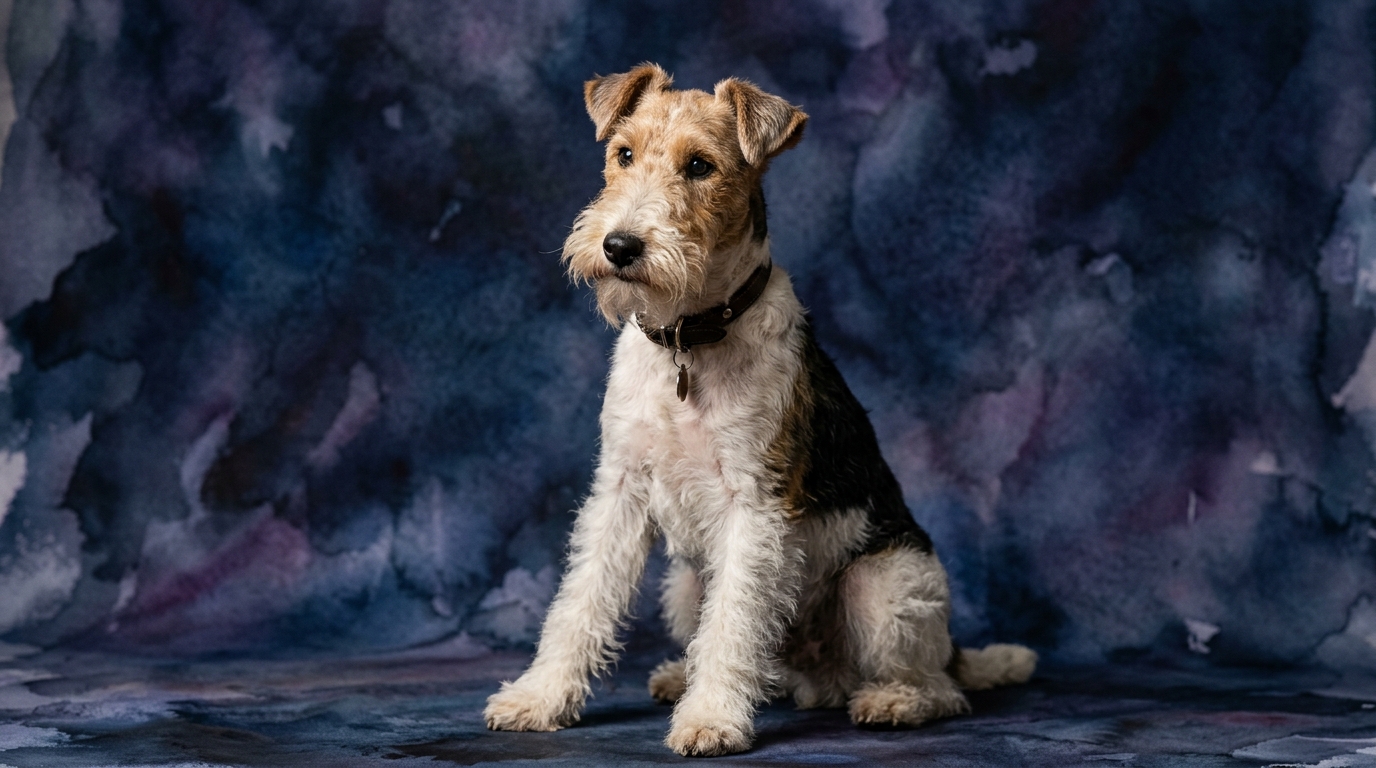
In contrast, the Wire Fox Terrier presents a more balanced, albeit different, cognitive landscape, reflecting its heritage as an active working dog. While not Coren-ranked, our IQ assessment reveals a consistent moderate score across all dimensions. Their problem-solving ability is 3/5, suggesting a capacity for independent thought and figuring things out, which is a step above the Pug. Similarly, their training speed is 3/5, indicating they can learn new commands at a moderate pace, though perhaps with a different approach. The Wire Fox Terrier's social intelligence sits at 3/5, meaning they are sociable but not to the same intensely people-centric degree as a Pug. Their instinctive drive is also 3/5, reflecting a natural inclination towards chasing, digging, and exploration inherent to terriers. Finally, their memory is 3/5, enabling them to recall information and experiences effectively. This balanced profile suggests a dog that is engaged with its environment and capable across a range of cognitive tasks.
Where Pug Wins Cognitively
The Pug's exceptional social intelligence (5/5) is its crowning cognitive achievement, making it a standout in forming deep, empathetic bonds. These dogs possess an innate ability to connect profoundly with humans, interpreting social cues with remarkable precision and responding with unwavering affection. Their cognitive strength lies in their capacity for companionship, making them highly attuned to their human family's emotions and presence. This manifests as a desire to be close, offering comfort and seeking interaction, often anticipating a cuddle session or a shared moment on the couch. This deep social awareness means they thrive on human interaction and can be particularly adept at reading moods, providing a comforting presence without being overly demanding. Their cognitive focus is squarely on their people, fostering a bond that few breeds can match in its pure, devoted intensity. While their problem-solving might not involve complex puzzles, their 'people-solving' skills—understanding how to elicit attention or affection—are highly developed, ensuring they are masters of endearing themselves to their family.
Where Wire Fox Terrier Wins Cognitively
The Wire Fox Terrier demonstrates a cognitive edge in areas requiring more independent thought and action, scoring higher in problem-solving (3/5) and possessing a stronger instinctive drive (3/5) compared to the Pug. This breed's intellect is geared towards engagement with its environment, often displaying a cleverness in navigating challenges or figuring out how to access interesting objects. Their problem-solving abilities, while not off the charts, are sufficient for figuring out how to open a gate or retrieve a dropped toy from an awkward spot, showcasing a practical, hands-on intelligence. Coupled with their moderate instinctive drive, Wire Fox Terriers are more likely to initiate exploration, chase small critters (a strong terrier trait), or engage in activities that require a degree of self-direction. This translates to a dog that appreciates mental challenges, like scent work or agility courses, where their innate drive and moderate problem-solving skills can be put to good use. They are not content to merely observe; they prefer to actively participate and manipulate their surroundings, making them engaging partners for interactive play and training.
Which is Easier to Train and Why
When considering ease of training, the Pug and Wire Fox Terrier present distinctly different experiences. The Pug, with a training speed of 2/5, generally requires more patience and repetition to grasp new commands. They are primarily motivated by positive reinforcement, especially food and praise, largely due to their strong social bond with their owner and desire to please. Their lower instinctive drive (2/5) means they are less likely to be distracted by external stimuli like fascinating scents or moving objects, allowing them to remain more focused on their person once engaged in a training session. However, their slower processing means consistent, short, and fun sessions are crucial to prevent frustration and maintain their interest.
The Wire Fox Terrier, scoring 3/5 in training speed, might pick up commands a bit faster. However, their moderate instinctive drive (3/5) can be a double-edged sword; while it provides motivation for engaging in activities, it also means they can be more easily distracted by environmental stimuli, such as a squirrel in the yard or an interesting smell on a walk. Their independent terrier spirit means they may challenge commands if they don't immediately see the benefit or if something more stimulating captures their attention, requiring a trainer who can make learning exciting, varied, and firm. They respond well to methods that tap into their natural curiosity and desire to work, often excelling in sports like agility where their physical and mental energy can be channeled productively. Therefore, while the Wire Fox Terrier might learn new tricks quicker, the Pug's lower distractibility and strong desire to please its owner can make them appear 'easier' in terms of consistent compliance, provided the owner is patient with their learning pace. For the Wire Fox Terrier, training is a dynamic partnership requiring mental stimulation and clear, consistent boundaries.
Which Suits Active Owners vs Relaxed Owners
The choice between a Pug and a Wire Fox Terrier significantly depends on an owner's lifestyle and energy levels. A Pug is an ideal companion for relaxed owners or those with a less active lifestyle. Their lower instinctive drive (2/5) and moderate memory (3/5) mean they are generally content with shorter walks, indoor play, and significant cuddle time. They are not driven by a strong urge to explore vast territories or engage in strenuous activities, making them well-suited to apartment living and a more sedentary pace. Their highest cognitive strength, social intelligence, aligns perfectly with an owner who values close companionship and a dog that is always by their side, ready for a quiet evening. They thrive on the comfort and predictability of a calm home environment, making them perfect for those seeking a devoted, low-key canine presence.
Conversely, the Wire Fox Terrier is best suited for active owners who can meet their higher energy demands and cognitive stimulation needs. With a moderate instinctive drive (3/5) and problem-solving ability (3/5), they thrive on regular exercise, engaging outdoor adventures, and mental challenges. Owners who enjoy hiking, running, or participating in dog sports like agility will find the Wire Fox Terrier a willing and enthusiastic partner. Their independent and curious nature means they require consistent engagement and mental stimulation to prevent boredom, which can lead to undesirable behaviors if their needs are not met. An active owner provides the necessary outlets for their physical energy and sharp mind, fostering a well-adjusted and happy terrier that enjoys working and exploring alongside its human.
The Verdict
Choose a Pug if your primary desire is a deeply affectionate, socially attuned companion who thrives on close human connection and fits a quieter, more relaxed lifestyle.
Opt for a Wire Fox Terrier if you seek an energetic, independently-minded partner for adventures, dog sports, and engaging mental challenges, and you appreciate a tenacious, spirited personality.
🧠 Find Your Pet's IQ Score
Our Pet IQ Lab assessment covers 25+ tests across 5 cognitive dimensions — personalized to your breed.
Take the Full IQ Test →Frequently Asked Questions
Do Pugs typically enjoy learning new tricks?
Pugs can certainly learn new tricks, but their training speed (2/5) suggests they require more repetition and patience than some other breeds. They respond best to consistent, positive reinforcement methods, especially when treats and praise are involved, as this taps into their strong social intelligence and desire to please their human.
How does a Wire Fox Terrier's instinctive drive influence its behavior?
A Wire Fox Terrier's moderate instinctive drive (3/5) means they have a natural inclination towards activities like chasing, digging, and exploring, stemming from their terrier heritage. This drive requires appropriate outlets through structured play, training, and secure environments to prevent them from acting on these instincts in undesirable ways, ensuring a well-behaved companion.
Is one breed more prone to separation anxiety based on their IQ profile?
Given the Pug's extremely high social intelligence (5/5) and strong desire for companionship, they can be more prone to separation distress if left alone for extended periods due to their deep attachment to their owners. The Wire Fox Terrier, with a moderate social intelligence (3/5) and more independent nature, might cope better with solitude, though individual personalities and early socialization always play a significant role.