Side-by-Side Cognitive Profiles: Puli vs. Australian Terrier
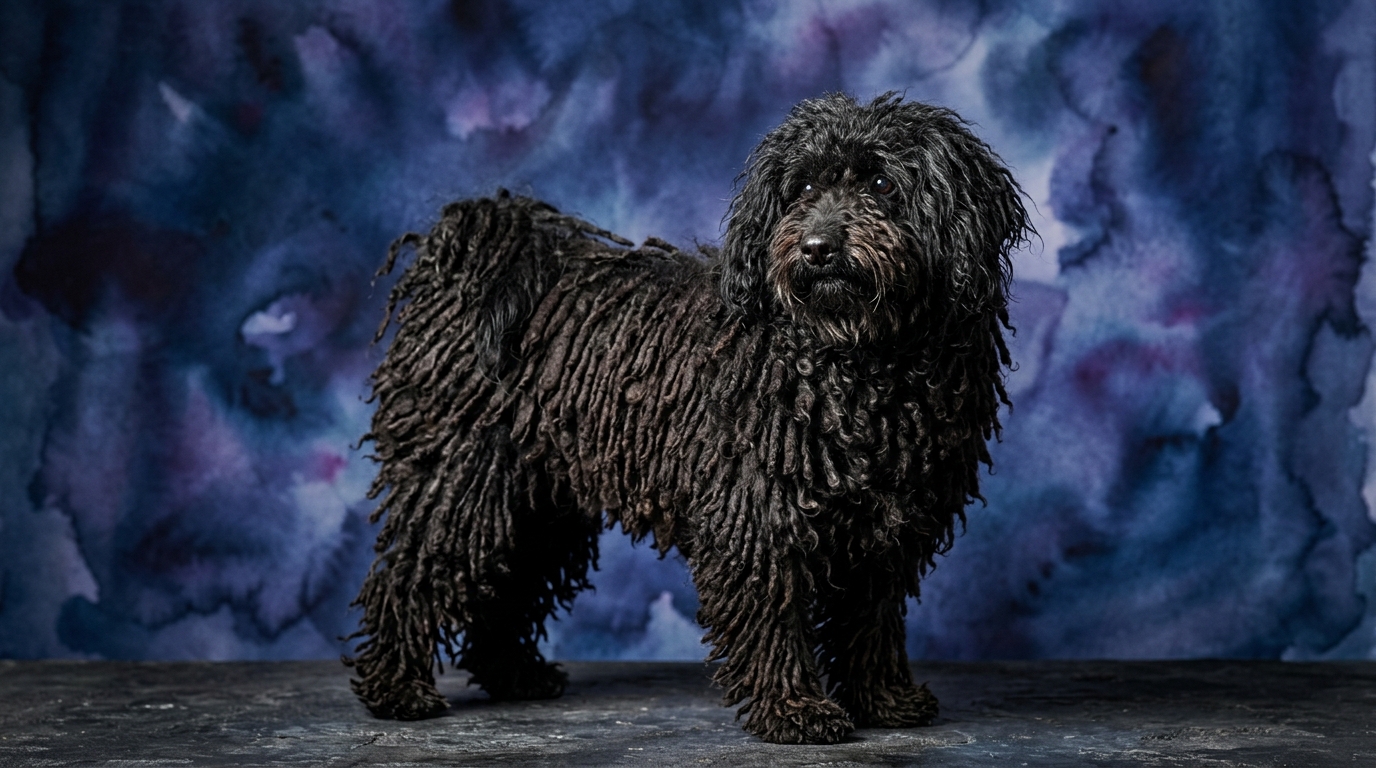
The Puli, a Herding breed, demonstrates a robust cognitive aptitude, reflected in its Coren ranking of #25. Its Problem Solving score of 4/5 indicates a considerable capacity for independent thought and strategic planning, honed over centuries of managing livestock. This breed's Training Speed, also 4/5, highlights a remarkable aptitude for learning new commands and routines swiftly, eager to engage in mental challenges.
Further refining the Puli's profile, its Social Intelligence is rated 3/5, meaning it is perceptive regarding its human family's emotions and forms deep, protective bonds, though often reserved with strangers. The Instinctive Drive of 3/5 signifies a well-managed herding instinct that translates into a desire for purpose and structure. A strong Memory score of 4/5 ensures the Puli retains commands, routines, and past events with notable accuracy, contributing significantly to its reliable behavior.
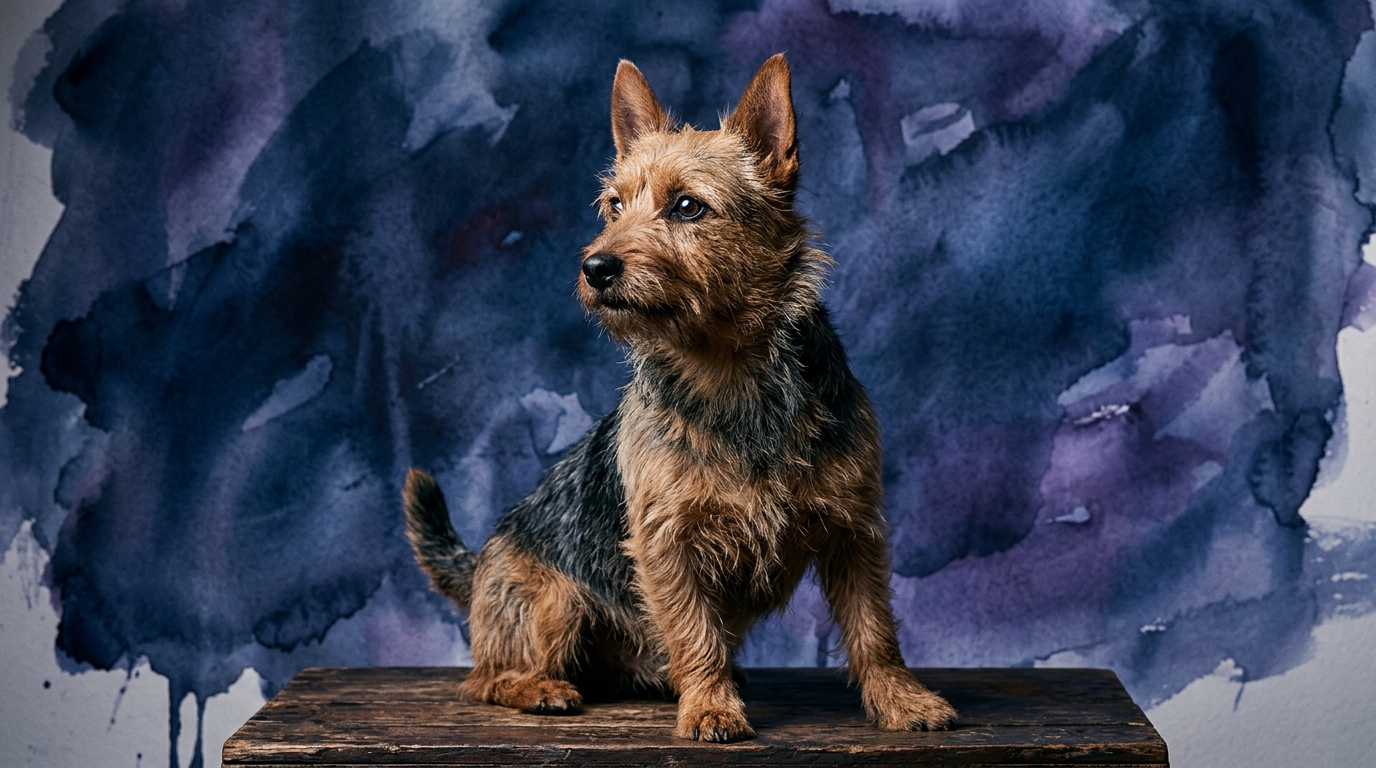
In contrast, the Australian Terrier, a Terrier breed without a Coren ranking, presents a different set of cognitive strengths. Its Problem Solving score of 3/5 indicates a capable intellect, particularly when challenges involve natural terrier instincts like tracking. While they can learn to overcome obstacles, they might approach novel situations with more trial-and-error than strategic foresight, driven by their tenacious spirit.
The Australian Terrier's Training Speed is 3/5, suggesting they learn at a steady, consistent pace, requiring clear and positive reinforcement to solidify new behaviors. Their Social Intelligence, also 3/5, is characterized by a lively and affectionate nature within their family, coupled with a vigilant awareness of their surroundings. An Instinctive Drive of 3/5, typical of terriers, means a pronounced prey drive requiring consistent management, while their Memory of 3/5 effectively retains learned behaviors and associations, though a compelling instinctive urge might occasionally override a command.
Where the Puli Excels Cognitively
The Puli's Coren ranking at #25 underscores a significant cognitive advantage, particularly in areas requiring complex thought and rapid assimilation of information. Their Problem Solving score of 4/5, compared to the Australian Terrier's 3/5, indicates a superior ability to analyze novel situations and devise effective strategies. This manifests as a Puli's capacity to quickly learn intricate sequences of actions or understand abstract concepts, often requiring fewer repetitions.
Furthermore, the Puli's higher Training Speed (4/5 versus 3/5) reflects not just quick learning, but a deeper engagement with the training process itself. They tend to derive satisfaction from mental challenges and working alongside their human partners, making them more receptive to advanced obedience, agility, or even complex trick training. This cognitive edge allows them to progress through training stages at an accelerated rate, mastering new skills with impressive efficiency.
The Puli's superior Memory (4/5 versus 3/5) also provides a distinct cognitive benefit. This robust recall means they retain commands, boundaries, and past experiences with greater precision and for longer durations. For an owner, this translates into a dog that reliably remembers its learned behaviors, even after a period of inactivity, and can apply past lessons to new, similar scenarios, demonstrating a more flexible and enduring cognitive framework.
Where the Australian Terrier Demonstrates Cognitive Strengths
While the Australian Terrier's individual IQ scores are generally lower or equal to the Puli's, their cognitive strengths lie in their tenacious spirit and adaptability, particularly in tasks requiring independent persistence. Their 3/5 score in Problem Solving, while not as high as the Puli's, is often fueled by an inherent 'can-do' attitude typical of terriers. This means they are less likely to give up on a challenge, even if it takes more trial-and-error to find a solution, demonstrating a different kind of cognitive resilience.
The Australian Terrier's equal Social Intelligence (3/5) and Instinctive Drive (3/5) scores, when viewed through the lens of their breed group, highlight a unique set of cognitive advantages. Their social intelligence is often characterized by a confident, outgoing friendliness with their chosen family, coupled with a vigilant awareness of their surroundings. This makes them excellent natural watchdogs, quickly discerning unusual sounds or movements, a practical application of their cognitive alertness.
Their strong instinctive drive, while requiring careful management, imbues them with a focused determination that can be harnessed for specific tasks. This drive, often linked to their historical role as vermin hunters, means they excel at activities that tap into their natural inclinations for scent work, digging, or chasing. Their cognitive processing in these areas is highly specialized, allowing them to engage with intense focus and persistence on instinct-driven challenges, sometimes surpassing breeds that rely more on human direction.
Trainability: Puli's Eagerness vs. Australian Terrier's Independence
Based on their respective IQ profiles, the Puli generally presents as the easier dog to train. Their 4/5 Training Speed and 4/5 Problem Solving scores mean they grasp new concepts and commands quickly, often with fewer repetitions than the Australian Terrier. Pulis possess an inherent desire to work and please their handlers, a trait deeply rooted in their herding heritage, which translates into a higher level of cooperation during training sessions. They are often eager to engage in mental challenges and thrive on structured learning environments.
The Australian Terrier, with a Training Speed of 3/5, requires a more consistent and patient approach. Their terrier independence and strong instinctive drive (3/5) mean they can occasionally be distracted by environmental stimuli or prefer to follow their own agenda. Training an Australian Terrier often involves making sessions highly engaging, utilizing positive reinforcement, and ensuring that their strong prey drive is managed and channeled appropriately. While they are certainly trainable, owners might find they need to be more creative and persistent to maintain the Australian Terrier's focus and enthusiasm, especially when competing with their innate desire to explore or hunt.
Lifestyle Match: Active Engagement vs. Adaptable Companionship
The Puli, a herding breed with a 4/5 in Problem Solving and 3/5 in Instinctive Drive, thrives with active owners who can provide consistent mental and physical engagement. Their cognitive capacity demands more than just casual walks; they benefit immensely from activities like obedience, agility, herding trials, or complex puzzle toys that challenge their strategic thinking. A Puli without sufficient mental stimulation can become bored and potentially develop undesirable behaviors, making them a better fit for individuals or families committed to an active, structured lifestyle that includes regular training and interactive play.
The Australian Terrier, while possessing a robust 3/5 Instinctive Drive and needing regular exercise, offers a slightly more adaptable energy profile. They require daily walks, playtime, and opportunities to explore safely, but they can also be content curling up with their family after their needs are met. Their independent nature means they might not constantly demand interaction, but still require a moderately active owner who can provide consistent exercise and mental enrichment to prevent boredom. They are less suited for truly 'relaxed' owners who prefer minimal interaction or exercise, as their terrier spirit still needs outlets.
The Verdict
Opt for a Puli if you are an experienced owner seeking a highly trainable, intelligent companion eager to engage in complex activities like advanced obedience, agility, or herding, and you appreciate a dog with strong memory and problem-solving skills.
Select an Australian Terrier if you value a plucky, tenacious companion with a strong personality and independent streak, and you are prepared for consistent, positive reinforcement training to channel their natural terrier instincts.
🧠 Find Your Pet's IQ Score
Our Pet IQ Lab assessment covers 25+ tests across 5 cognitive dimensions — personalized to your breed.
Take the Full IQ Test →Frequently Asked Questions
Are Pulis good for first-time dog owners?
Pulis, with their sharp intellect and strong herding instincts, generally benefit from experienced owners who understand their need for consistent training and mental stimulation. Their cognitive abilities mean they learn quickly, but also require a firm, fair hand to guide their energy and protectiveness.
How much exercise does an Australian Terrier need daily?
Australian Terriers need a moderate amount of daily exercise, typically 30-60 minutes of vigorous activity like brisk walks, playtime in a secure yard, or short bursts of fetch. This helps channel their instinctive drive and keeps them physically and mentally content.
Do Pulis shed a lot despite their corded coat?
Pulis have a unique corded coat that, when properly maintained, sheds very little loose hair into the environment. Instead, loose hairs become incorporated into the cords, requiring specific grooming practices rather than traditional brushing.