Side-by-Side Pet IQ Lab Profile
To understand the unique mental landscapes of these breeds, The Cosmic Pet Pet IQ Lab provides a detailed breakdown of five key cognitive dimensions:
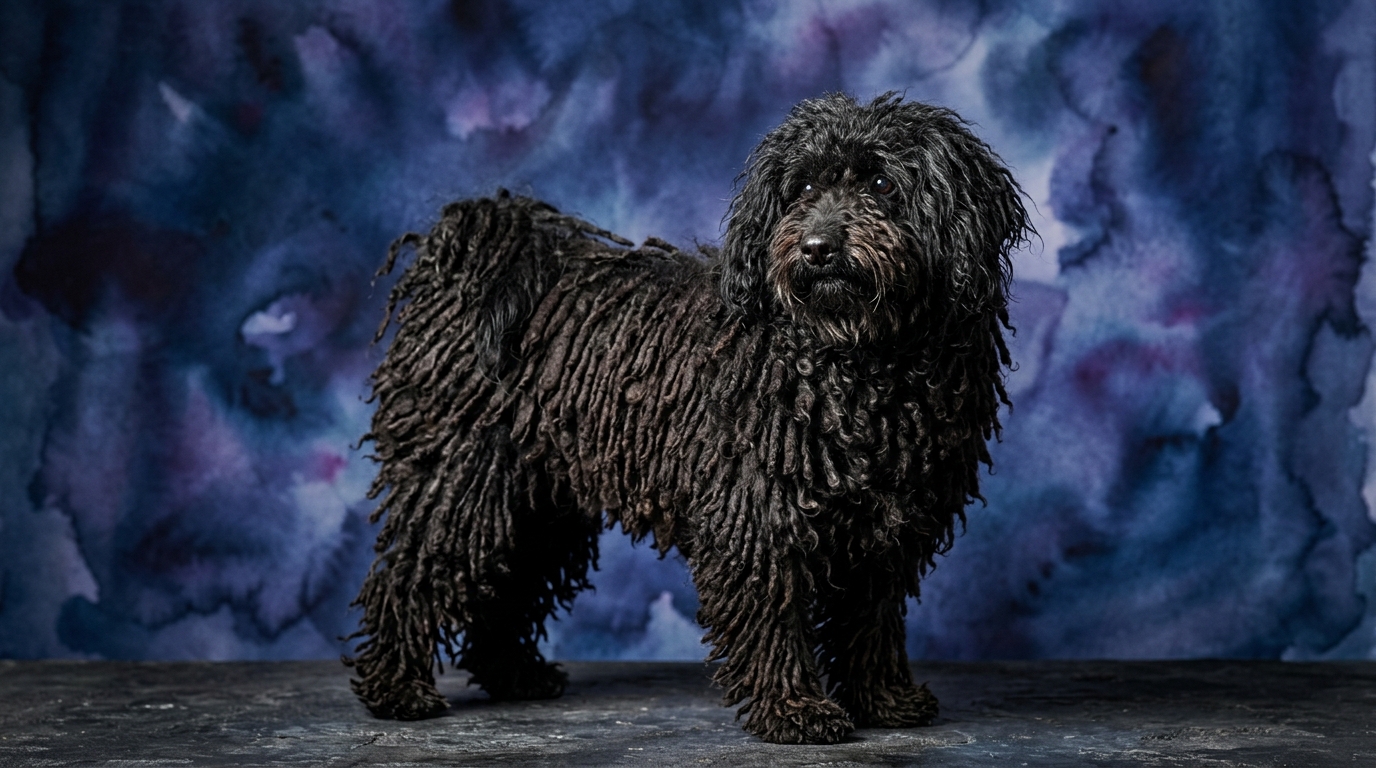
**Puli (Herding, Coren Rank #25):**
**Problem Solving (4/5):** The Puli excels at navigating complex situations, a trait honed by centuries of independent herding work. They are adept at figuring out puzzles, opening latches, or devising strategies to achieve desired outcomes, often requiring minimal human intervention.
**Training Speed (4/5):** This breed picks up new commands and routines with impressive alacrity. Their eagerness to engage and quick comprehension mean they often require fewer repetitions than many other breeds to master a skill, making them responsive students.
**Social Intelligence (3/5):** Pulis possess a moderate level of social intelligence, allowing them to form strong bonds with their family and understand human cues. While not overly eager to please strangers, they can read intentions and adapt their behavior within their established social circle.
**Instinctive Drive (3/5):** Their instinctive drive is primarily rooted in their herding heritage, manifesting as a desire to gather, control, and protect their "flock" – often their human family members or other pets. This drive can translate into a watchful nature and a tendency to keep family members together.
**Memory (4/5):** Pulis demonstrate a robust memory, retaining learned commands, routines, and experiences over long periods. This strong recall contributes significantly to their training success and their ability to navigate their environment effectively.
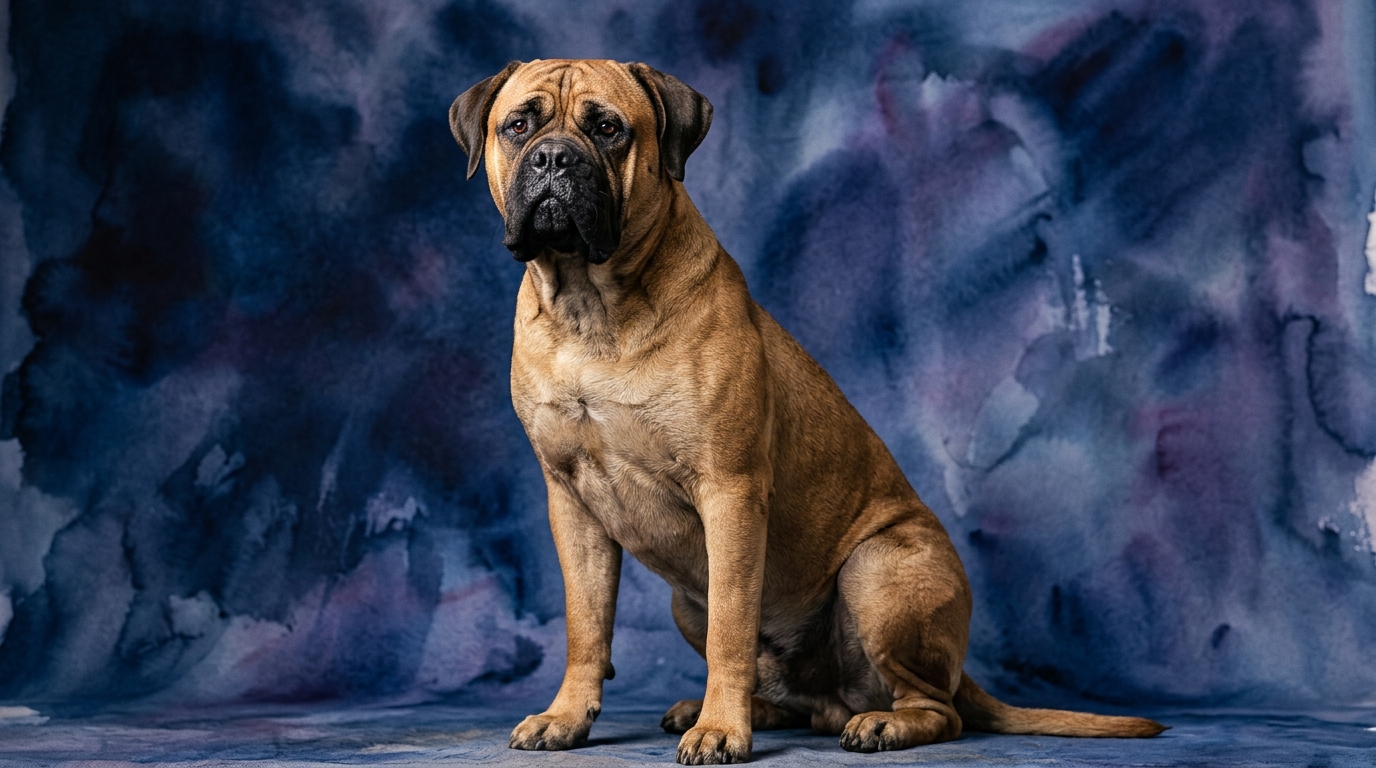
**Bullmastiff (Working, Coren Rank #69):**
**Problem Solving (3/5):** The Bullmastiff's problem-solving skills are practical and focused, geared towards assessing situations rather than intricate manipulation. They excel at discerning threats and making judgment calls related to protection, rather than solving complex mechanical puzzles.
**Training Speed (3/5):** While capable of learning, the Bullmastiff processes new information at a moderate pace. They respond best to consistent, patient training methods, often requiring more repetition to solidify commands than a Puli, though lessons are typically well-retained once learned.
**Social Intelligence (3/5):** Bullmastiffs share the Puli's 3/5 social intelligence, but it manifests differently. Their social acumen is characterized by a deep devotion to their family and a keen ability to differentiate between welcomed guests and potential intruders, displaying a calm, watchful demeanor.
**Instinctive Drive (3/5):** The Bullmastiff's instinctive drive is profoundly tied to its working heritage as a gamekeeper's night dog. This manifests as a strong protective instinct, a territorial nature, and a desire to guard its family and property with a quiet, imposing presence.
**Memory (3/5):** Bullmastiffs possess a solid, reliable memory. They remember learned commands, familiar faces, and their routines, contributing to their consistent behavior and dependability, though perhaps not with the same rapid recall as a Puli.
Where the Puli Wins Cognitively
The Puli's cognitive profile showcases distinct advantages in areas demanding agility of thought and rapid learning. With a Problem Solving score of 4/5, Pulis excel at independent thought and creative solutions, whether figuring out how to open a child-proof gate or navigating a complex obstacle course. This isn't just about following commands; it's about actively processing environmental cues and adapting strategies. Their Training Speed of 4/5 means they absorb new information quickly, requiring fewer repetitions to solidify a command or trick, making them exceptionally responsive in dynamic environments. Furthermore, their superior Memory (4/5) ensures that these learned behaviors and solutions are retained for extended periods, building a robust behavioral repertoire. This combination allows a Puli to not only learn a sequence of commands but also to remember and apply them in varied contexts, demonstrating a higher degree of cognitive flexibility crucial for their historical role in solo herding.
Where the Bullmastiff Wins Cognitively
While not scoring higher in raw metrics, the Bullmastiff's cognitive strengths are profoundly specialized and represent a "win" in the context of its intended purpose: guardianship. Its Problem Solving (3/5) and Social Intelligence (3/5) combine to create a discerning mind that excels at threat assessment rather than intricate puzzles. A Bullmastiff's cognitive process focuses on evaluating situations for safety, quickly identifying anomalies or suspicious behavior, and making swift, appropriate judgments about who belongs and who doesn't. Its Instinctive Drive (3/5) is finely tuned for protection, manifesting as a calm, watchful vigilance rather than frantic activity. This isn't about brute force; it's about a cognitive understanding of territory and family, coupled with a powerful physical presence. The Bullmastiff’s "win" lies in its specialized application of intelligence to maintain order and security, demonstrating a unique form of cognitive stability and reliable judgment in situations where a Puli might be more inclined to herd or manage.
Which is Easier to Train and Why
Based on the Pet IQ Lab scores, the Puli will generally be easier to train than the Bullmastiff. The Puli's Training Speed (4/5) signifies a quicker uptake of new commands and routines, often requiring fewer repetitions and responding well to varied training techniques. Their higher Problem Solving (4/5) means they are more likely to grasp the "why" behind an exercise, or even anticipate the next step, rather than simply memorizing a rote action. For example, a Puli might quickly understand that retrieving a specific toy leads to praise, and actively seek it out, while a Bullmastiff (Training Speed 3/5, Problem Solving 3/5) might require more consistent, structured repetition to link the action with the reward. The Bullmastiff, while trainable, demands more patience and consistency due to its moderate training speed. Its inclination is towards deliberation rather than rapid response, meaning trainers need to be prepared for a slower, more methodical learning curve, though the results are often deeply ingrained once achieved.
Which Suits Active Owners vs. Relaxed Owners
The Puli, with its higher scores in Problem Solving, Training Speed, and Memory, coupled with its active herding heritage, is better suited for active owners who can provide consistent mental and physical stimulation. These owners will thrive on engaging their Puli in dog sports like agility, obedience, or even advanced trick training, satisfying the breed's need for cognitive engagement and channeled physical energy. A Puli without sufficient outlets for its quick mind and body can become bored and potentially destructive. In contrast, the Bullmastiff, while requiring regular exercise, is generally a more relaxed companion once its protective duties are understood and met. Its moderate scores and strong protective instincts align well with owners who appreciate a calm, watchful presence and are content with moderate daily walks and family companionship. These owners value a dog that is a stable, imposing guardian rather than a high-energy partner for intricate activities, making the Bullmastiff an ideal choice for a more relaxed, yet responsible, household seeking a loyal sentinel.
The Verdict
Choose a Puli if you are an engaged owner seeking a mentally agile, highly trainable companion for dog sports, advanced training, or a dynamic household that can channel its quick wit and herding instincts.
Opt for a Bullmastiff if you desire a steadfast, calm, and devoted guardian who thrives on consistent routine and family companionship, offering protective presence without needing constant high-intensity mental tasks.
🧠 Find Your Pet's IQ Score
Our Pet IQ Lab assessment covers 25+ tests across 5 cognitive dimensions — personalized to your breed.
Take the Full IQ Test →Frequently Asked Questions
Do Pulis require more mental stimulation than Bullmastiffs?
Yes, Pulis generally require more consistent mental stimulation due to their higher problem-solving and training speed scores, thriving on engaging tasks and puzzles to prevent boredom. Bullmastiffs appreciate mental engagement but are content with more routine, focused activities rather than constant novelty.
Is the Bullmastiff's protective instinct a sign of higher intelligence?
The Bullmastiff's protective instinct is a manifestation of its specialized social intelligence and instinctive drive, demonstrating a focused cognitive ability to discern and guard. While not reflecting higher general IQ scores, it showcases an intelligence acutely adapted for its specific role as a guardian.
Can a Bullmastiff be trained for complex tasks like a Puli?
While a Bullmastiff can learn complex tasks, its training speed and problem-solving scores suggest it will take longer and require more consistent repetition than a Puli. Bullmastiffs excel at mastering foundational obedience and specific protective roles, but may not display the same eagerness for varied, multi-step problem-solving challenges.