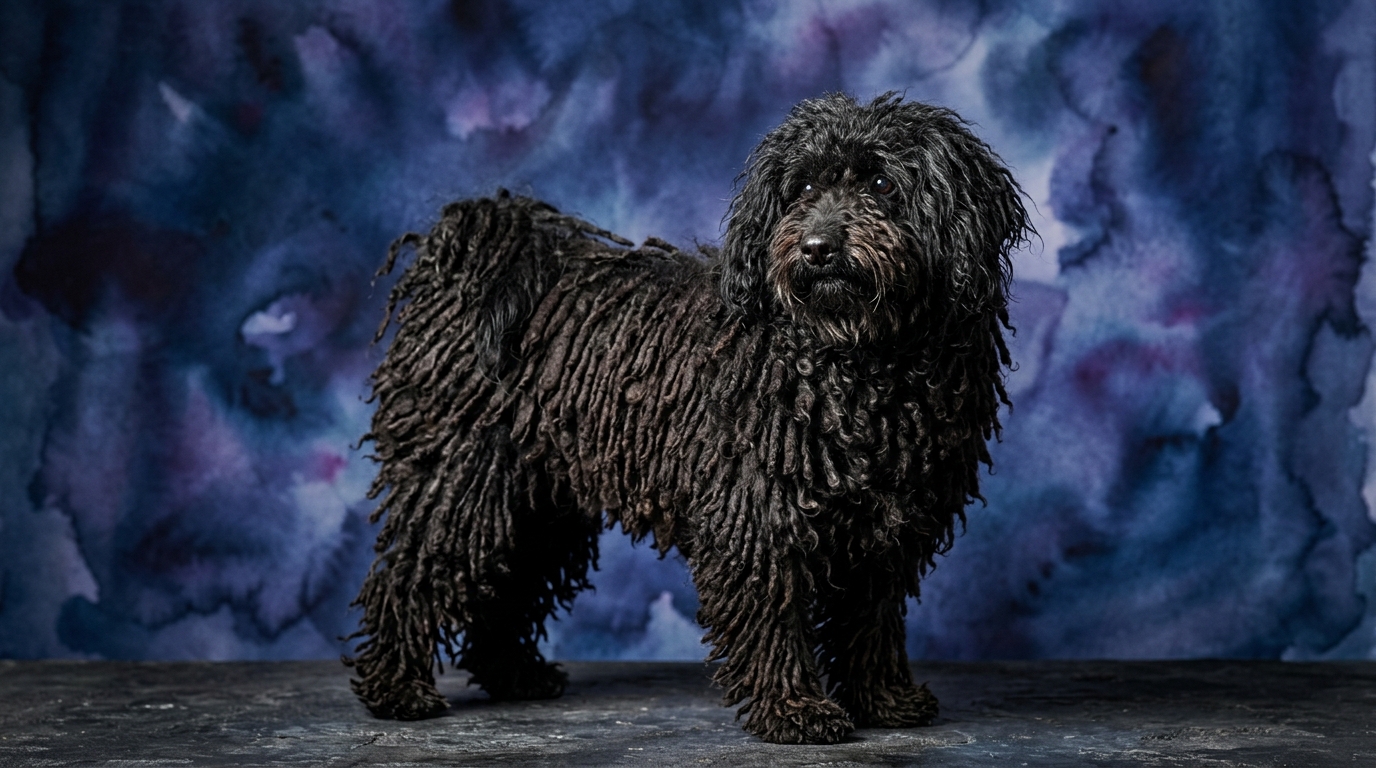
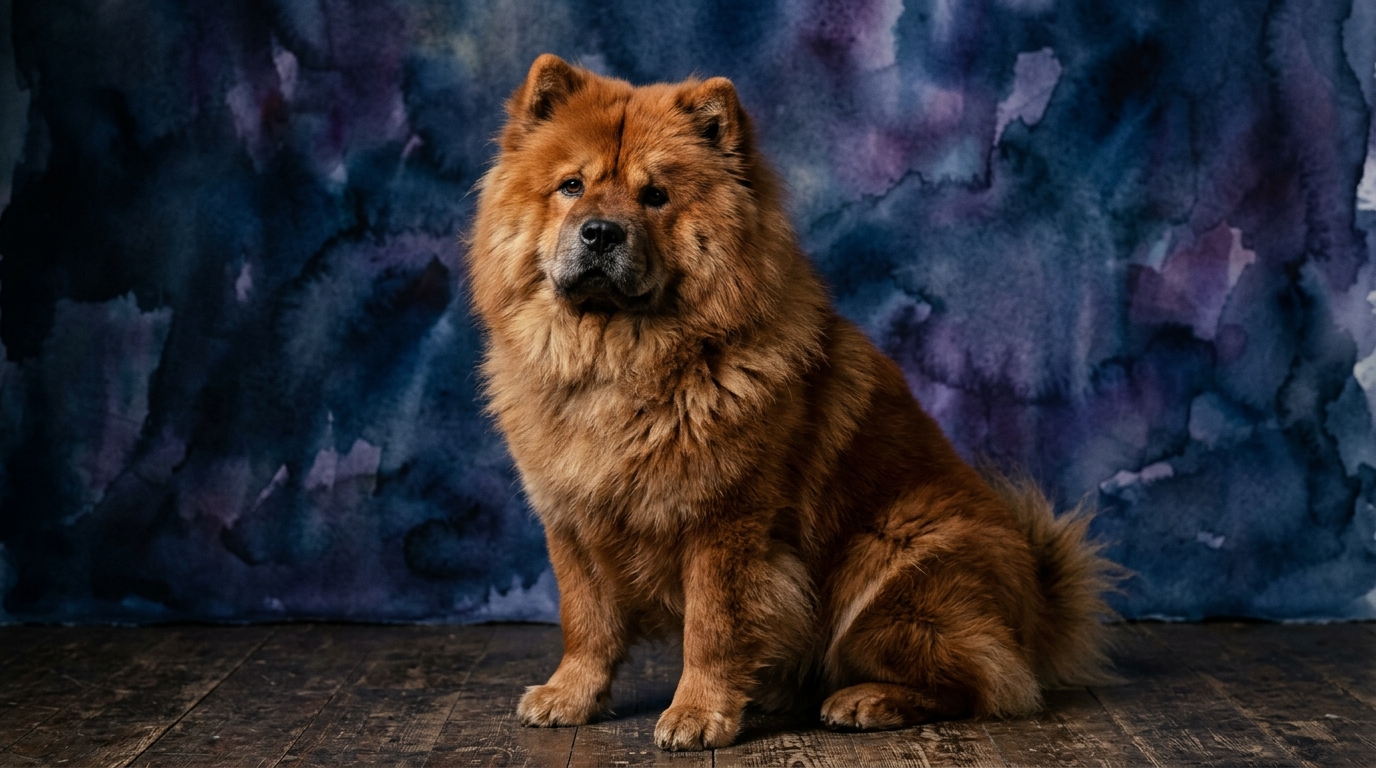
Side-by-Side IQ Profile: Puli vs. Chow Chow
At The Cosmic Pet Pet IQ Lab, we evaluate canine intelligence across five key dimensions, offering a nuanced understanding beyond simple rankings. For the Puli, a Herding breed ranked #25 by Coren, its Problem Solving scores 4/5, indicating a strong aptitude for navigating complex situations and devising solutions. Its Training Speed also rates 4/5, reflecting its quick grasp of new commands and routines. Social Intelligence for the Puli is 3/5, suggesting it understands human cues and forms bonds, though its herding instincts can translate into a desire to 'manage' its family. Instinctive Drive is 3/5, channeled towards its herding heritage, and Memory is a robust 4/5, contributing to excellent training retention.
The Chow Chow, a Non-Sporting breed ranked #76 by Coren, presents a different cognitive landscape. Its Problem Solving is 3/5, approaching challenges with a deliberate, often independent methodology, preferring considered evaluation. Training Speed is 3/5, meaning they learn at a steady pace but require more patience due to their independent nature. Social Intelligence also scores 3/5; they form deep, albeit reserved, bonds and understand family dynamics, showing loyalty to their chosen few. Instinctive Drive is 3/5, leaning towards guardianship and self-preservation, while Memory is 3/5, competent for routines and commands, though application can be selective.
Where the Puli Wins Cognitively
The Puli demonstrates a distinct edge in problem-solving agility and training speed. Their herding background demands rapid assessment and immediate action in dynamic environments, translating into a dog that quickly processes new information and adapts to changing circumstances. When faced with a novel puzzle or a complex sequence of commands, a Puli is more likely to engage with enthusiasm, breaking down the task and experimenting with solutions until success is achieved. This proactive cognitive approach makes them adept at learning intricate routines and excelling in dog sports that require quick thinking and precise execution.
Their superior memory also gives them an advantage in retaining a vast repertoire of commands and understanding complex patterns over time. A Puli is less likely to 'forget' a lesson learned weeks ago, allowing for more advanced and nuanced training progressions. This strong recall, combined with their quick training speed, means they can build upon previous knowledge efficiently, leading to a more expansive and reliable behavioral skill set.
Where the Chow Chow Wins Cognitively
The Chow Chow's cognitive strengths lie in their independent reasoning and selective focus. While their training speed might be moderate, their capacity for self-directed thought means they can process information and make decisions without constant human intervention. This independence isn't a deficit but a different mode of operation; they often internalize commands and execute them when they deem appropriate, rather than out of an immediate desire to please. This makes them particularly adept at tasks requiring patience and a degree of self-sufficiency, such as guarding or sustained observation.
Their social intelligence, while reserved, is profoundly tuned to their immediate family. This means they build deep, discerning bonds, understanding the nuances of their owner's personality and routines with a quiet intensity. They excel in discerning friend from stranger and often possess an innate sense of responsibility towards their home and people, acting on instinct to protect without necessarily needing explicit command. This discerning social awareness, coupled with their strong sense of self, contributes to a dignified and unwavering loyalty.
Which is Easier to Train and Why
Based on their cognitive profiles, the Puli is generally considered easier to train due to its superior training speed (4/5) and problem-solving ability (4/5). Pulis possess an inherent eagerness to engage with their handlers and a natural inclination to understand and execute tasks. Their herding lineage has instilled in them a responsiveness to direction and a desire for purposeful activity. For instance, when teaching a new trick, a Puli will likely attempt various actions, quickly associating successful attempts with rewards, and then reliably repeat the behavior. Their strong memory (4/5) further solidifies learned commands, requiring fewer repetitions to achieve proficiency and better retention over time.
In contrast, the Chow Chow, with a training speed of 3/5, often requires a more patient and nuanced approach. Their independent nature means they are less driven by a desire to please and more by their own internal motivations. While they are capable learners, they might not always see the immediate value in performing a command, leading to a perception of stubbornness. For example, a Chow Chow might understand a 'sit' command perfectly but choose to delay or ignore it if they don't perceive an immediate benefit or if they are otherwise engaged. Their training necessitates clear, consistent methods, positive reinforcement, and a deep understanding of their dignified and sometimes aloof temperament, rather than relying on their eagerness for cooperation.
Suitability for Active vs. Relaxed Owners
Active owners will likely find a more compatible companion in the Puli. Their strong problem-solving skills (4/5), quick training speed (4/5), and moderate instinctive drive (3/5) for purposeful activity mean they thrive on mental and physical engagement. Pulis excel in dog sports like agility, obedience, and herding trials, where their cognitive agility and physical stamina can be fully utilized. An owner who enjoys hiking, competitive dog activities, or simply a dog that participates enthusiastically in daily routines will appreciate the Puli's zest for interaction and learning. Their need for regular mental stimulation prevents boredom and channels their natural herding instincts in constructive ways.
Relaxed owners might discover a better fit with the Chow Chow. While not a sedentary breed, their moderate instinctive drive (3/5) and more deliberate approach to problem-solving (3/5) translate into a dog that appreciates a calm, consistent environment. Chow Chows are content with regular, moderate exercise, such as daily walks, and are generally less demanding of constant mental challenges than a Puli. Their social intelligence (3/5) manifests as a deep, loyal bond with their family, but without the intense need for constant interaction or 'work' that a herding breed might exhibit. An owner who values a dignified, self-possessed companion that enjoys quiet companionship and doesn't require extensive training sessions or high-octane activities will find the Chow Chow's temperament more aligned with their lifestyle.
The Verdict
If you seek an engaging, quick-witted canine partner eager to learn and participate in varied activities, thriving on mental challenges and consistent training, the Puli is an excellent match.
If you prefer a dignified, self-reliant companion that values quiet loyalty and offers a calm, discerning presence, and you are prepared to approach training with patience and understanding of their independent spirit, the Chow Chow could be your ideal dog.
🧠 Find Your Pet's IQ Score
Our Pet IQ Lab assessment covers 25+ tests across 5 cognitive dimensions — personalized to your breed.
Take the Full IQ Test →Frequently Asked Questions
Are Pulis good family dogs?
Pulis can be wonderful family dogs, especially with proper socialization from a young age. Their social intelligence allows them to form strong bonds, but their herding instincts might lead them to 'manage' children, requiring supervision and guidance.
Is a Chow Chow difficult to train?
Chow Chows are not inherently difficult to train, but they require a different approach than more biddable breeds. Their independent nature means training must be consistent, positive, and motivating, often requiring more patience to achieve reliable results.
Do Pulis bark a lot?
Pulis can be vocal, using barks to communicate and alert, a remnant of their herding duties. While they can be trained to moderate their barking, owners should expect a certain level of vocal expression, especially when excited or guarding.