The Cosmic Pet IQ Profile: Puli vs. Dandie Dinmont Terrier
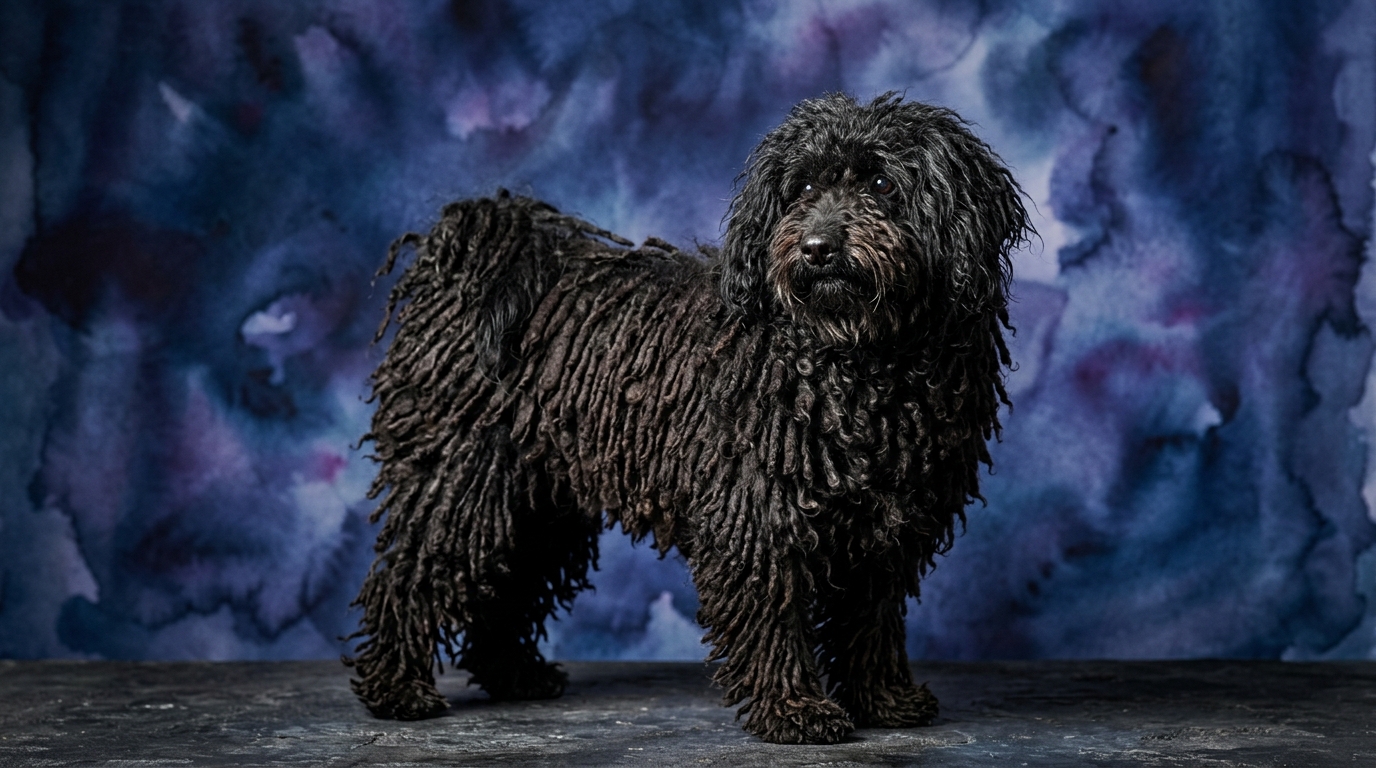
Hailing from the Hungarian plains, the Puli, ranked #25 by Coren, demonstrates a formidable cognitive toolkit. Their Problem Solving is rated 4/5, indicative of a breed that can independently strategize to manage livestock, often anticipating movements and finding creative solutions in dynamic environments. Training Speed also scores 4/5, reflecting their eagerness and capacity to quickly grasp and execute complex commands, essential for intricate herding tasks. Social Intelligence sits at 3/5, suggesting they form strong bonds and understand human cues well, though perhaps with a degree of independent thought characteristic of working dogs. Their Instinctive Drive is 3/5, focusing their natural urges towards task-oriented behaviors, while Memory, at 4/5, underpins their ability to recall vast amounts of information, from learned routes to specific flock members.
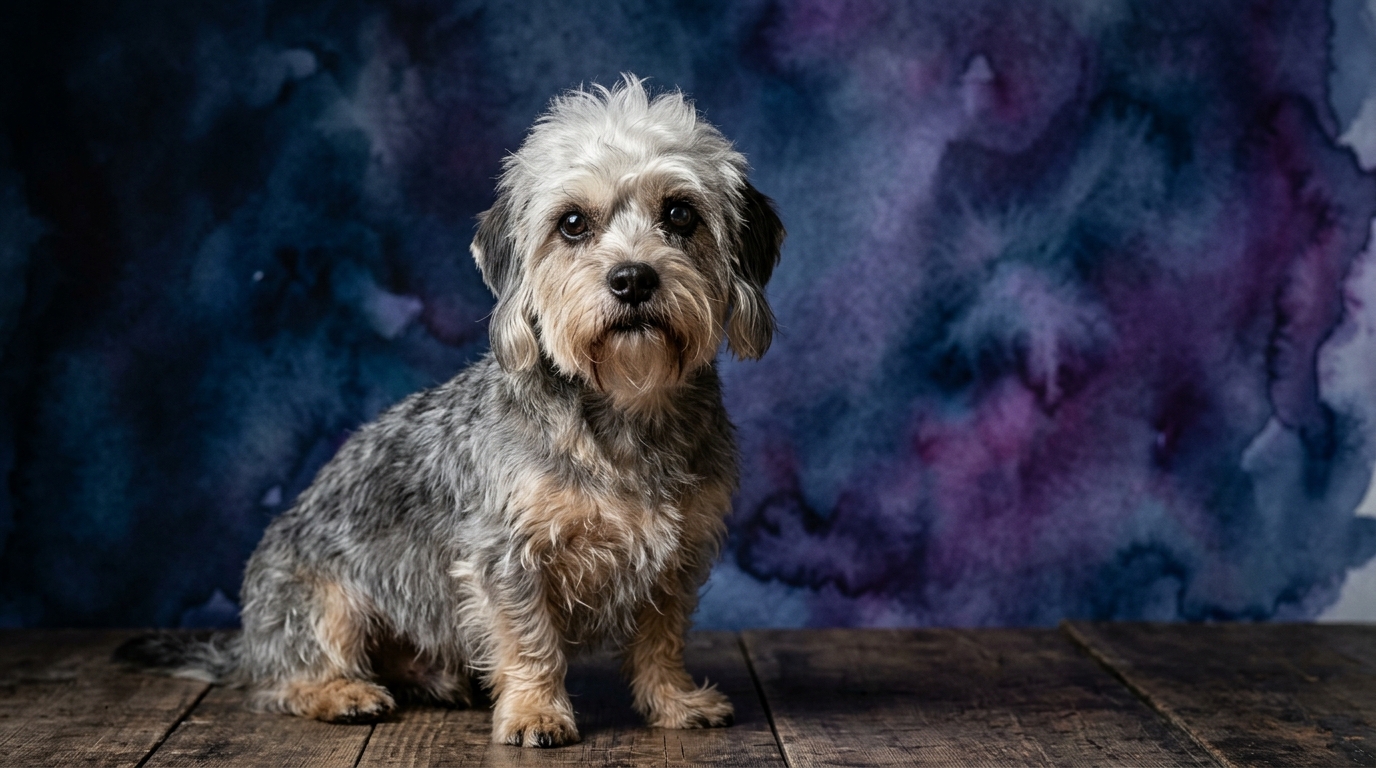
Though not Coren-ranked, the Dandie Dinmont Terrier presents a consistent profile across our IQ dimensions, each rated 3/5. Their Problem Solving at 3/5 reflects a tenacious, independent approach to challenges, often involving persistence in tasks like digging out vermin rather than complex strategizing. Training Speed, also 3/5, indicates they are capable learners but may require more motivation and patience due to their independent terrier spirit. Social Intelligence at 3/5 shows they are capable of forming strong, affectionate bonds with their families, understanding social dynamics within their small pack. Their Instinctive Drive, 3/5, is strongly geared towards their original purpose of hunting small game, manifesting as a keen prey drive and a desire to explore. Memory, scoring 3/5, allows them to retain learned behaviors and routines, though perhaps not with the same capacity for intricate sequences as a herding dog.
Where the Puli's Cognition Shines
The Puli's cognitive strengths distinctly outshine the Dandie Dinmont Terrier in several key areas. Its Problem Solving score of 4/5, compared to the Dandie's 3/5, highlights a remarkable capacity for adaptive thinking. A Puli can assess a situation, like a straying sheep or a blocked path, and devise a strategy to correct it, often with minimal human intervention. This isn't just about following commands; it's about making intelligent decisions in real-time, a trait vital for effective herding. Similarly, the Puli's Training Speed at 4/5 suggests a dog that not only learns quickly but also retains information efficiently, bolstered by its 4/5 Memory score. This means a Puli can master a wider repertoire of commands and complex sequences with fewer repetitions, and recall them accurately over time. For example, a Puli could learn a multi-step agility course or a series of advanced obedience commands far more rapidly and reliably than a Dandie. This cognitive advantage makes them highly responsive partners in structured activities.
The Dandie Dinmont Terrier's Unique Cognitive Strengths
While the Dandie Dinmont Terrier's scores are consistently 3/5, these numbers represent a distinct cognitive profile perfectly suited to its historical role. Its 3/5 Problem Solving isn't about grand strategy, but rather about relentless, focused determination. A Dandie excels at figuring out how to get to a perceived target, whether it's digging under a fence or maneuvering a toy out of a tight spot, demonstrating a tenacious, single-minded approach that other breeds might abandon. This persistence, combined with its 3/5 Instinctive Drive, means that once a Dandie sets its mind on something, it possesses an unwavering commitment to the task at hand, whether that’s exploring a scent trail or protecting its territory. Their Social Intelligence, also 3/5, manifests as a strong, loyal bond with their chosen family, often exhibiting a quiet understanding of household routines and emotional states, despite their independent streak. This unique blend of focused problem-solving, tenacious drive, and deep family loyalty defines their cognitive wins, making them exceptionally dedicated companions for those who appreciate the terrier spirit.
Navigating Training: Puli's Responsiveness vs. Dandie's Tenacity
When it comes to training, the Puli generally offers a more straightforward path for handlers due to its 4/5 Training Speed and 4/5 Problem Solving. These dogs are inherently driven to work collaboratively, seeking to understand and execute human directives. Their herding background instills a strong desire for purpose and a natural inclination to respond to commands, making them highly receptive to positive reinforcement and consistent methods. They are quick to pick up new behaviors and thrive on mental engagement, often excelling in sports like obedience, agility, or even advanced trick training. In contrast, the Dandie Dinmont Terrier, with its 3/5 Training Speed and 3/5 Problem Solving, presents a different training dynamic. Dandies are intelligent, but their terrier nature leans towards independence and self-reliance rather than eager compliance. They can be motivated by food or play, but their tenacious drive means they might question the necessity of a command or prioritize an interesting scent over immediate obedience. Training a Dandie requires significant patience, creative engagement, and a deep understanding of their independent spirit, focusing on short, fun sessions and preventing boredom, as repetition without purpose can lead to stubbornness.
Matching Paws to Lifestyles: Active Engagement vs. Focused Companionship
For owners seeking an active, mentally stimulating partnership, the Puli stands out. Its higher scores in Problem Solving (4/5) and Memory (4/5), coupled with its herding heritage, mean a Puli thrives on having a job to do, whether it's formal dog sports, advanced obedience, or even complex puzzle toys. They require consistent mental and physical engagement to prevent boredom and channel their considerable intellect constructively. An owner who enjoys long walks, hiking, or structured training sessions will find a Puli an eager and capable companion. The Dandie Dinmont Terrier, while not a couch potato, fits well with owners who appreciate focused companionship and moderate activity. Their 3/5 Instinctive Drive means they enjoy exploring and engaging with their environment, often with a keen interest in scents and digging. While they benefit from regular walks and playtime, their needs are typically less intense or prolonged than a Puli's. They are content with a comfortable home and consistent, albeit perhaps less demanding, mental engagement, such as scent work games or interactive toys, making them suitable for individuals or families who prefer a loyal, attentive presence without the constant demand for high-octane activities.
The Verdict
Choose the Puli if you seek a highly trainable, mentally agile partner eager to engage in complex tasks, dog sports, and a collaborative working relationship. Their capacity for problem-solving and rapid learning makes them ideal for dedicated, active owners ready for a canine intellectual challenge.
Opt for the Dandie Dinmont Terrier if you appreciate a loyal, independent companion with a tenacious spirit and a moderate need for activity, valuing focused companionship over constant, high-level mental work. They are best for owners who understand and cherish the unique, determined character of a terrier.
🧠 Find Your Pet's IQ Score
Our Pet IQ Lab assessment covers 25+ tests across 5 cognitive dimensions — personalized to your breed.
Take the Full IQ Test →Frequently Asked Questions
Is a Puli good for first-time dog owners?
A Puli can be a good fit for first-time owners who are committed to consistent training and providing ample mental and physical stimulation. Their intelligence and eagerness to learn are assets, but their herding instincts require guidance to prevent nipping or excessive "management" of family members.
Do Dandie Dinmont Terriers get along with other pets?
Dandie Dinmont Terriers can coexist with other pets, especially if socialized from a young age. However, their strong instinctive drive (3/5) and prey drive for small, furry animals mean caution is advised around smaller non-canine pets like hamsters or rabbits.
How much exercise does a Puli need daily?
A Puli typically requires a good amount of daily exercise, including vigorous walks or runs, and significant mental stimulation. At least an hour to an hour and a half of dedicated activity, combined with puzzle toys and training sessions, helps keep them content and prevent boredom-related behaviors.