Side-by-Side Cognitive Profile
The Cosmic Pet Pet IQ Lab assesses five key dimensions of canine intelligence, providing a nuanced view of each breed's cognitive strengths.
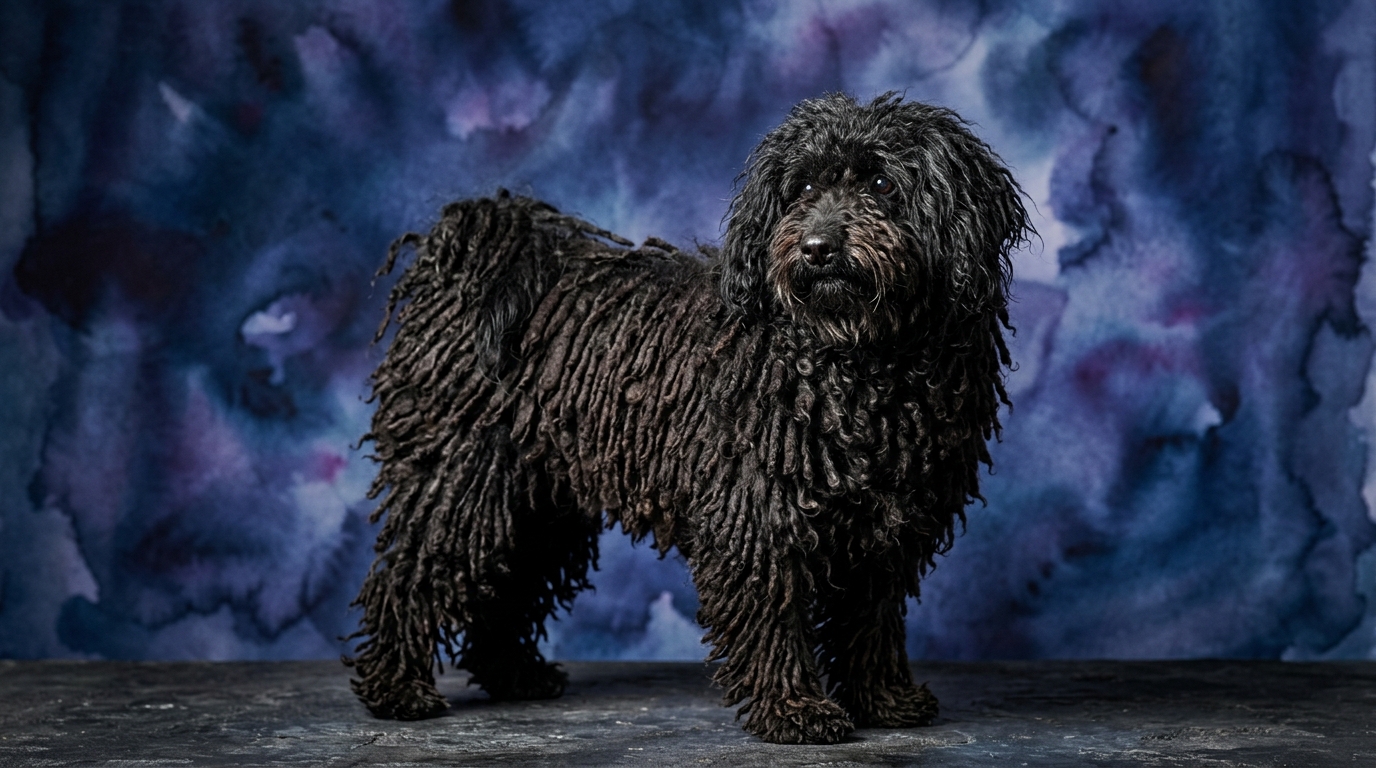
For the Puli (Herding, Coren rank #25): Problem Solving (4/5) reflects a strong capacity for independent thought and adapting to complex, dynamic situations, essential for effective herding. Training Speed (4/5) indicates a quick grasp of new commands and routines, showing rapid learning and strong association formation. Social Intelligence (3/5) denotes a moderate understanding of human cues and social dynamics, forming bonds but often with independence. Instinctive Drive (3/5) is a moderate, focused herding instinct, channeling energy into purposeful tasks. Memory (4/5) signifies excellent recall for learned behaviors, intricate patterns, and past experiences, crucial for consistent performance.
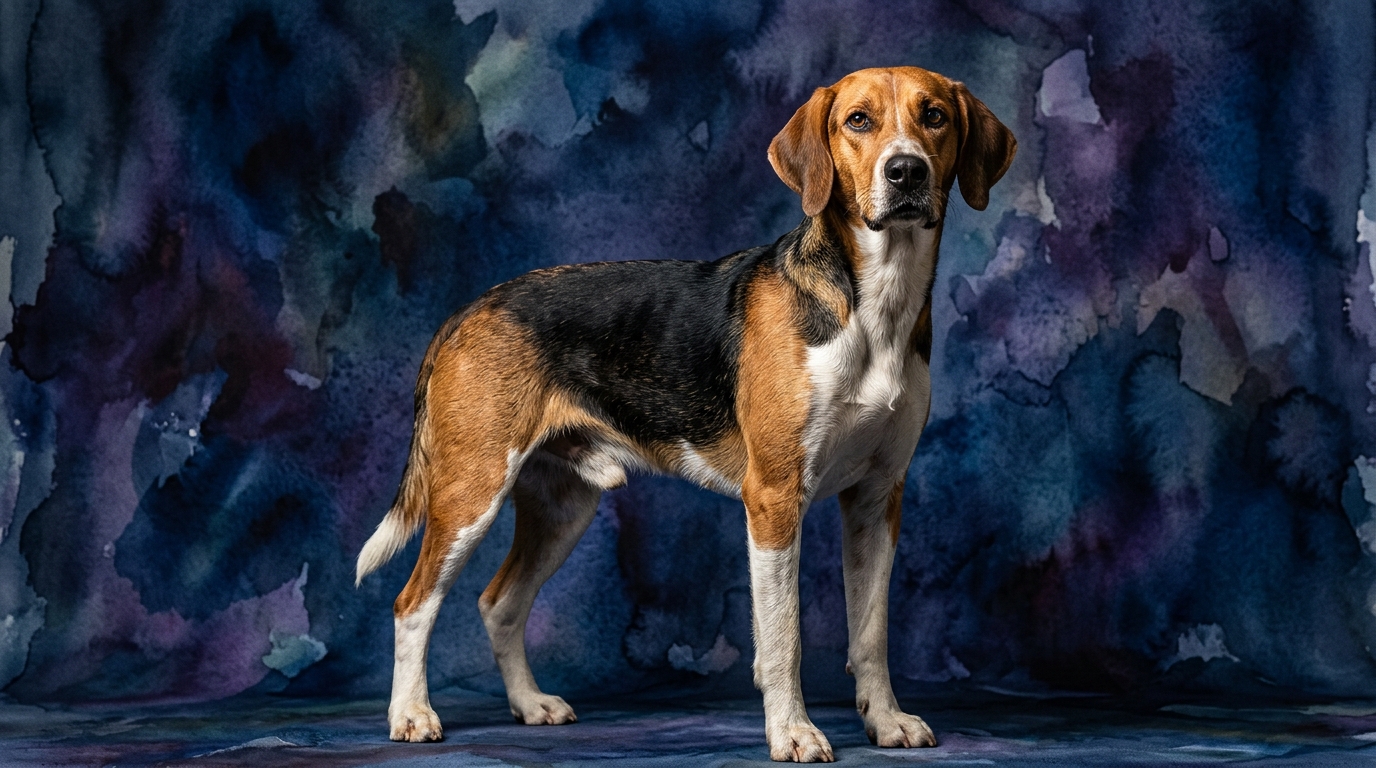
For the English Foxhound (Hound, Not Coren-ranked): Problem Solving (3/5) displays functional problem-solving, primarily focused on tasks related to their primary drive, such as tracking a scent trail. Training Speed (3/5) means they learn at a steady pace, requiring consistent repetition and clear motivation, often driven by olfactory rewards. Social Intelligence (3/5) suggests a moderate ability to interpret social signals, generally amiable within a pack, but often more focused on sensory input. Instinctive Drive (3/5) is a strong, singular drive for scent tracking and pursuit, a determination overriding other stimuli. Memory (3/5) indicates reliable memory for scent patterns and established hunting routes, less inclined to recall abstract commands without consistent reinforcement.
Where the Puli Exhibits Cognitive Strengths
The Puli's cognitive profile showcases distinct advantages in areas requiring adaptive thought and rapid assimilation of information. Their problem-solving score of 4/5 indicates a breed that doesn't just follow orders but can analyze situations and devise solutions, critical for managing a flock independently. This is exemplified when a Puli needs to redirect a stray sheep without direct human command, relying on its own assessment. Furthermore, their training speed, also rated 4/5, suggests a remarkable aptitude for learning new commands with fewer repetitions. This quick uptake is often coupled with their strong memory (4/5), allowing them to retain complex sequences and intricate patterns. For an owner seeking a canine partner capable of mastering advanced obedience, agility, or trick training, the Puli's capacity for rapid learning and retention is a clear asset. Their memory also contributes to reliability in performing learned tasks consistently.
Where the English Foxhound's Cognition Shines
While the English Foxhound's scores might appear numerically lower in some general cognitive dimensions, their architecture is exquisitely refined for their ancient purpose: scent-driven pursuit. Their instinctive drive, rated 3/5, manifests as an almost unparalleled dedication to tracking, demonstrating a focused determination that is an intellectual strength in its specialized context. This involves relentlessly processing olfactory information, making intricate decisions based on subtle scent changes, and maintaining focus over vast distances. Their problem-solving (3/5) and memory (3/5) are intimately tied to this drive; they 'solve' the problem of locating quarry by following the most promising scent line and 'remember' track nuances. The English Foxhound's social intelligence (3/5) thrives within a pack dynamic, where cooperative hunting requires specific communication. Their cognitive strength lies in unwavering commitment to a singular, deeply ingrained task, making them masters of their specialized domain.
Training Ease and Behavioral Differences
The Puli’s superior training speed (4/5) and problem-solving abilities (4/5) generally make them easier to train for various tasks. A Puli often grasps new commands quickly and generalizes learned behaviors, reflecting their capacity for independent thought and rapid association. Teaching them multi-step retrieves or agility might involve fewer repetitions and more spontaneous understanding. Their strong memory (4/5) further ensures learned behaviors are not easily forgotten. Pulis are often intrinsically motivated by the challenge of learning itself.
In contrast, the English Foxhound, with a training speed of 3/5, typically requires more consistent, patient, and reward-based reinforcement. Their primary drive is scent, a powerful distraction; even a well-trained Foxhound might 'tune out' human commands if a compelling scent trail arises. This isn't a lack of capacity, but a difference in motivational hierarchy; their instinctive drive (3/5) for scent work often takes precedence. Training a Foxhound usually involves leveraging this innate drive through scent games or highly desirable food rewards.
Suited for Active vs. Relaxed Owners
Considering their cognitive profiles and historical roles, these breeds cater to different owner lifestyles. The Puli, with its herding background and scores in problem-solving and training speed, thrives with active owners providing consistent mental engagement and physical exercise. They seek purpose and thrive on learning new things, participating in dog sports, or even herding work. An owner who enjoys teaching complex commands or engaging in agility will find the Puli a rewarding partner. Their moderate instinctive drive means energy can be channeled productively.
Conversely, the English Foxhound, while incredibly athletic and requiring extensive physical activity, suits a specific type of active owner. Their pronounced instinctive drive for scent work demands opportunities to indulge this natural inclination, through long, leashed walks or secure off-leash areas for tracking. A relaxed owner might struggle with the Foxhound's need for endurance exercise and independent pursuit of scent. While social, their independence on a trail means they are focused on their nose, not constant human interaction. Active owners prepared to manage a powerful scent hound's instincts will find the English Foxhound a devoted companion.
The Verdict
Opt for the Puli if you seek a highly trainable, intelligent partner eager to learn complex tasks and participate in dog sports, thriving on mental stimulation and a clear sense of purpose.
Choose the English Foxhound if you are an active individual who appreciates an independent, scent-driven companion, willing to accommodate their powerful tracking instincts with ample exercise and specialized activities.
🧠 Find Your Pet's IQ Score
Our Pet IQ Lab assessment covers 25+ tests across 5 cognitive dimensions — personalized to your breed.
Take the Full IQ Test →Frequently Asked Questions
Are Pulis prone to herding children or other pets?
Pulis possess a moderate herding drive (3/5), which can manifest as nipping at heels or circling family members. Consistent training and redirection to appropriate outlets like herding balls can help manage this instinct effectively.
How much exercise does an English Foxhound truly need?
English Foxhounds are built for endurance and require substantial daily exercise, typically several hours of vigorous activity. This is crucial to satisfy their powerful instinctive drive (3/5) and maintain their physical and mental well-being.
Can an English Foxhound be a good family pet despite its hunting background?
Yes, with proper socialization and sufficient exercise, English Foxhounds can be amiable family pets, displaying moderate social intelligence (3/5). However, their strong prey drive and need for space mean they thrive in homes prepared for their unique needs.