Side-by-Side Cognitive Profiles
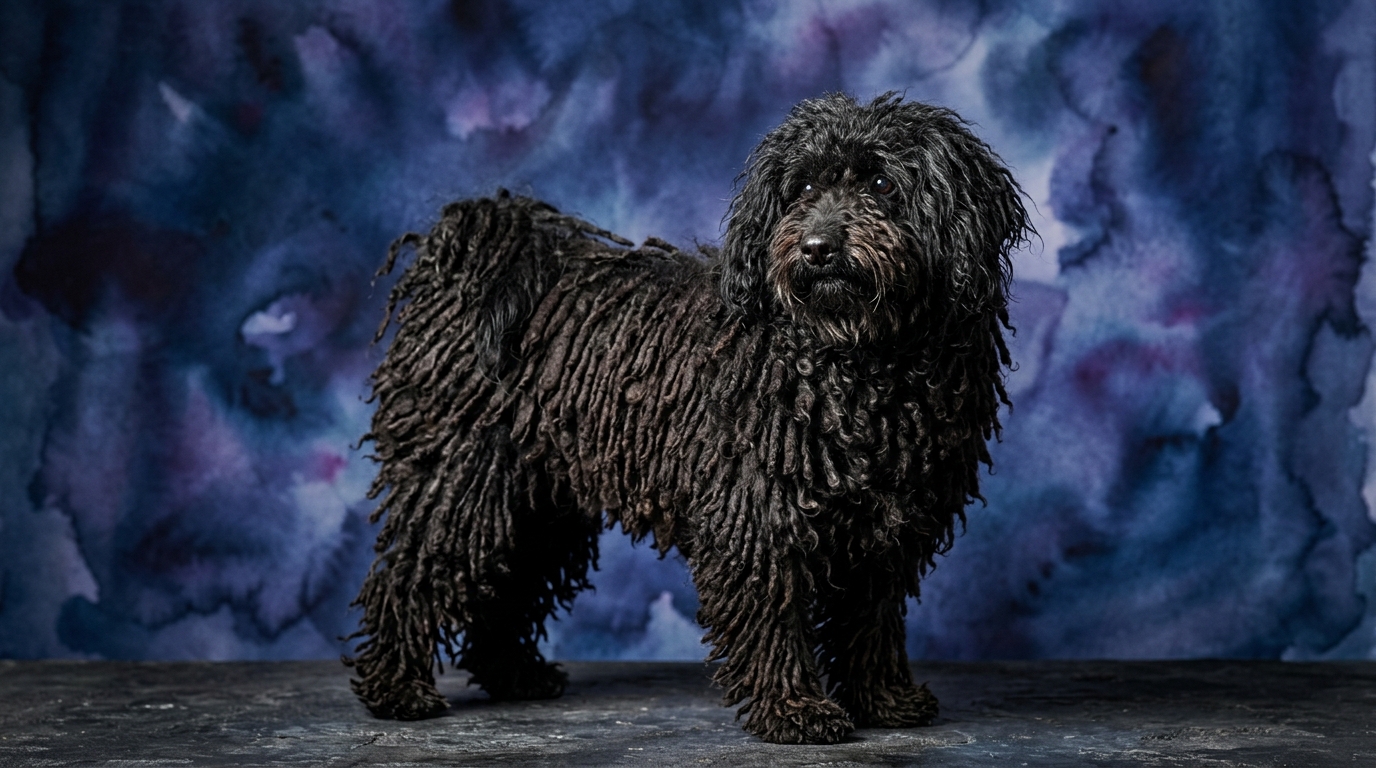
The Puli, a distinguished herding breed, demonstrates a robust cognitive profile tailored for its historical work. Its Problem Solving ability is rated at a commendable 4 out of 5, indicating a capacity for independent thought and navigating complex situations, such as managing livestock by anticipating movements. Training Speed also scores 4 out of 5, suggesting a quick grasp of new commands and routines, a valuable trait for a working dog needing to respond promptly to handler cues and adapt to changing conditions. Social Intelligence stands at 3 out of 5, reflecting an adequate understanding of pack dynamics and human communication, sufficient for cooperative work without being overly dependent or distractible. Instinctive Drive, at 3 out of 5, points to a moderate but focused drive, primarily centered on its herding instincts and protecting its flock rather than an overwhelming prey pursuit. Finally, its Memory rating of 4 out of 5 highlights an excellent capacity to retain learned behaviors and spatial information, crucial for remembering patterns in flocks or complex routes within a territory.
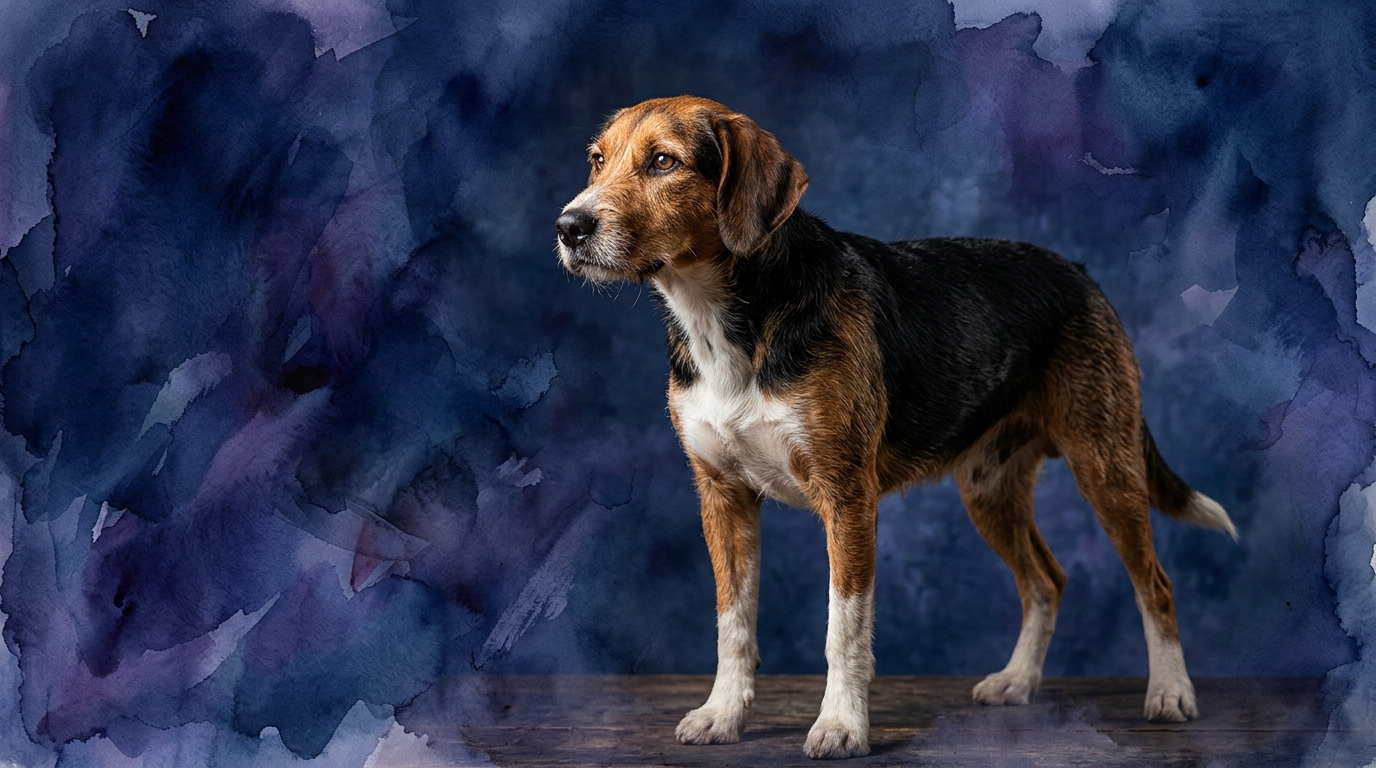
In contrast, the Harrier, a classic scent hound, presents a cognitive makeup finely tuned for endurance and olfactory pursuit. Its Problem Solving ability is rated 3 out of 5, indicating a practical, task-oriented approach to challenges, often relying on instinct and perseverance rather than abstract reasoning in novel situations. Training Speed also registers 3 out of 5, suggesting a steady learning pace that requires consistency and patience, typical for breeds driven by strong sensory inputs that can sometimes override immediate obedience. Social Intelligence, matching the Puli at 3 out of 5, reflects a cooperative nature within a pack structure and responsiveness to human handlers, vital for coordinated hunts and maintaining group cohesion. The Harrier's Instinctive Drive is also 3 out of 5, but this score predominantly signifies an intense, unwavering focus on scent trails, a primary driver of its behavior that can be difficult to redirect. Its Memory, rated 3 out of 5, is sufficient for remembering routes and learned associations, though perhaps not as sharp for complex, multi-step sequences as a herding breed that needs to recall intricate patterns.
Where the Puli Excels Cognitively
The Puli's cognitive strengths are particularly evident in its capacity for complex problem-solving and rapid learning. With a 4/5 in Problem Solving, a Puli is adept at figuring out solutions to novel challenges, whether it's navigating an obstacle course or devising a strategy to move a stubborn sheep. This ability translates into a dog that can think independently and adapt to changing circumstances rather than simply following rote commands. Its 4/5 Training Speed means it picks up new skills quickly, often requiring fewer repetitions than many other breeds to master a task. This quick uptake is coupled with an impressive 4/5 Memory, allowing it to retain a vast repertoire of commands and learned behaviors over long periods, making advanced obedience or dog sports particularly rewarding. A Puli thrives on mental engagement, demonstrating its cognitive agility through its enthusiastic participation in activities that challenge its intellect.
Where the Harrier Shines Cognitively
While the Puli might demonstrate broader cognitive agility in certain areas, the Harrier excels within its specialized domain, particularly in tasks tied to its hound heritage. Its 3/5 Instinctive Drive, though numerically similar to the Puli's, represents an unparalleled focus and tenacity when locked onto a scent trail. This isn't just a drive; it's a cognitive strength that allows Harriers to filter out distractions and pursue a trail relentlessly, a complex task involving sustained attention and acute sensory discrimination over long distances and varied terrain. Furthermore, its Social Intelligence, also 3/5, combined with this drive, makes it a superb team player in a pack, where coordinated effort, communication, and mutual reliance are paramount for successful tracking. The Harrier's problem-solving, while rated 3/5, is a practical, persistent form of intelligence, focused on overcoming physical obstacles to reach a scent source, a different kind of cognitive challenge than a Puli's herding strategies. Their memory, also 3/5, is efficient for recalling scent patterns and geographical markers relevant to their pursuit.
Training Dynamics: Puli vs. Harrier
When it comes to trainability, the Puli generally presents a more straightforward learning curve for standard obedience and complex commands. Its 4/5 Training Speed and 4/5 Problem Solving mean it processes information quickly and understands tasks with fewer repetitions. A Puli is often eager to please and capable of intricate sequential commands, making it a rewarding partner for advanced training or competitive events. The challenge with a Puli often lies in channeling its independent problem-solving into desired behaviors rather than allowing it to outsmart its handler.
The Harrier, with 3/5 in both Training Speed and Problem Solving, requires a more patient and consistent approach. Its strong 3/5 Instinctive Drive, particularly for scent, means it can be easily distracted by compelling odors in the environment, making off-leash reliability a significant training hurdle. Its cognitive focus is primarily on its nose, and redirecting that focus to human commands demands persistent reinforcement and creative training methods. While capable of learning, a Harrier's training requires understanding and working with its inherent drive, rather than against it, to achieve reliable results. This often means incorporating scent work into its training regimen to satisfy its natural aptitudes.
Lifestyle Suitability: Active vs. Relaxed Owners
For active owners seeking a mentally engaging companion, the Puli is often an excellent fit. Its herding background means it thrives on physical activity coupled with mental stimulation, such as agility, herding trials, or advanced obedience. Owners who enjoy teaching new tricks, participating in dog sports, or providing complex puzzle toys will find the Puli's cognitive capabilities align well with their lifestyle. A Puli can adapt to a more relaxed home provided its needs for mental and physical exertion are met through regular, structured activities; otherwise, its problem-solving might be applied to less desirable 'projects' around the house.
The Harrier, with its enduring stamina and profound scent drive, is best suited for owners who are equally active and willing to embrace its hound nature. These dogs require significant daily exercise, ideally in environments where they can safely explore scents, such as long hikes, scent work games, or participation in tracking sports. While they possess a cooperative social intelligence, their persistent tracking instinct means they are not typically suited for a relaxed, sedentary lifestyle. Owners who appreciate a dog with boundless energy and a focused drive for exploration will find a Harrier a rewarding companion, understanding that its 'relaxed' state often follows vigorous activity.
The Verdict
Choose a Puli if you seek a cognitively agile companion eager for mental challenges and quick to learn, suitable for an owner committed to engaging its sharp intellect and providing structured activities.
Opt for a Harrier if you are an active owner who cherishes a dog with immense stamina and a profound scenting ability, prepared to facilitate its natural drives through extensive outdoor activities and consistent, patient training.
🧠 Find Your Pet's IQ Score
Our Pet IQ Lab assessment covers 25+ tests across 5 cognitive dimensions — personalized to your breed.
Take the Full IQ Test →Frequently Asked Questions
Which breed is better for first-time dog owners?
The Puli, with its higher training speed and problem-solving aptitude, might be marginally easier for a first-time owner to train in basic obedience. However, both breeds require dedicated socialization and consistent guidance; the Harrier's strong scent drive can be a particular challenge for novices.
Do Pulis and Harriers get along with other pets?
The Puli's 3/5 social intelligence typically allows it to coexist well with other pets, especially if socialized from a young age, though its herding instinct might lead to 'herding' other animals. Harriers, being pack animals with 3/5 social intelligence, generally enjoy the company of other dogs, but their prey drive, while focused on scent, might pose a challenge with smaller non-canine pets without careful introduction and supervision.
How much exercise do these breeds need to stay cognitively stimulated?
Pulis require daily vigorous exercise, including mental engagement through training or puzzle toys, for at least 60-90 minutes to prevent boredom. Harriers, built for endurance, need even more, often 90-120 minutes of strenuous activity, preferably involving off-leash running or scent work, to satisfy their physical and innate tracking needs.