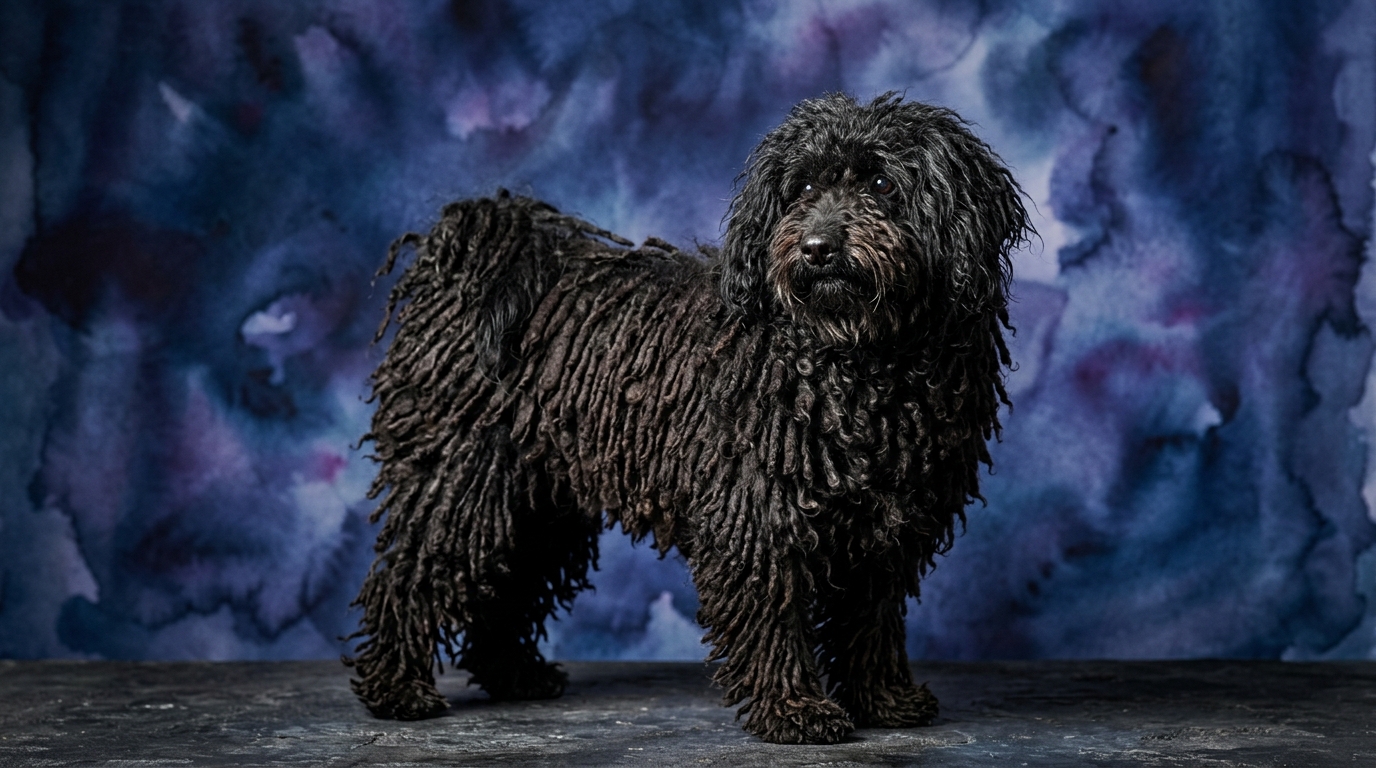
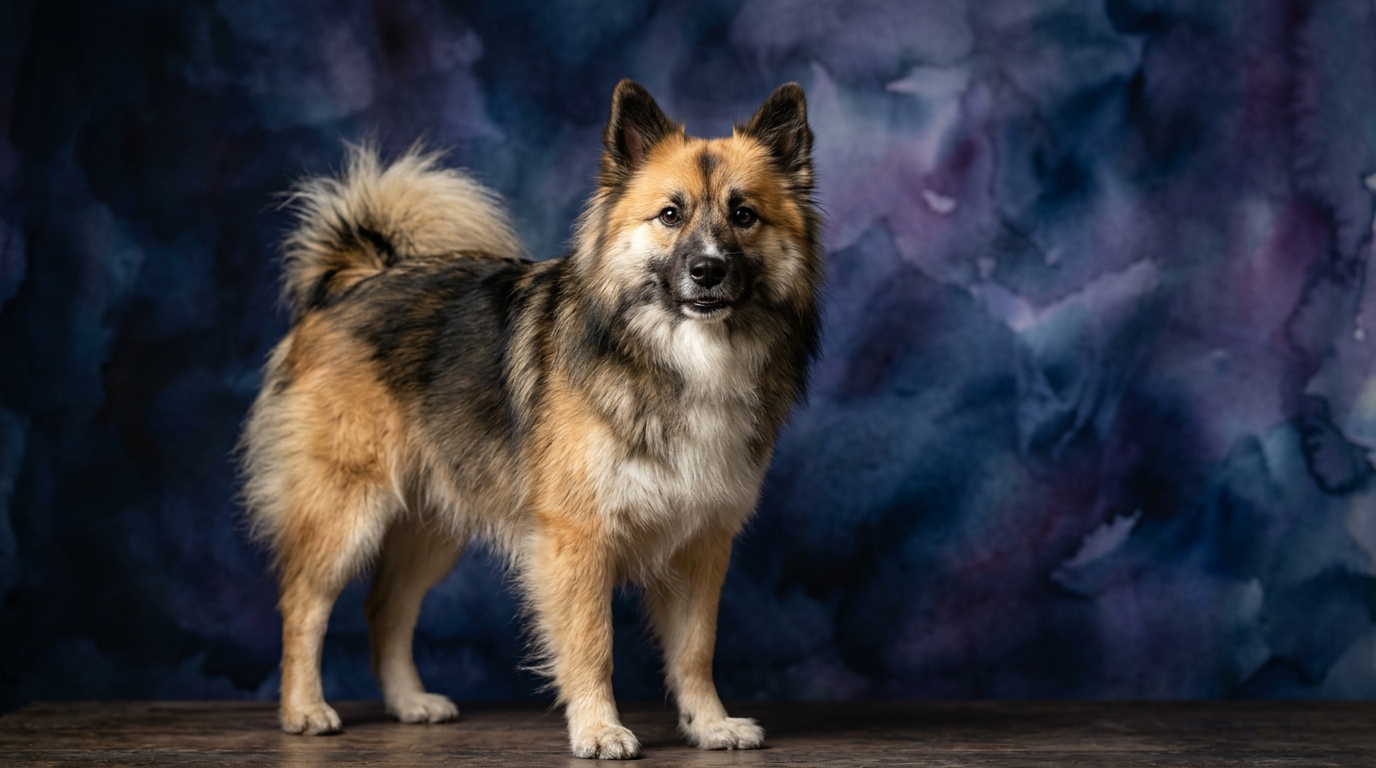
Side-by-Side Cognitive Profile
The Puli, a Hungarian herding dog, stands out with a Coren ranking of #25, indicating a strong capacity for understanding new commands. Our Pet IQ Lab assessment reveals this breed's cognitive strengths with a 4/5 in Problem Solving, a 4/5 in Training Speed, and a 4/5 in Memory. Their Social Intelligence and Instinctive Drive are rated at a competent 3/5, suggesting a balanced but driven nature capable of complex tasks and quick decision-making in the field.
In contrast, the Icelandic Sheepdog, a breed not currently listed in Coren's rankings, presents a consistent cognitive profile across the board. This breed scores a 3/5 in Problem Solving, Training Speed, Social Intelligence, Instinctive Drive, and Memory. This uniform scoring points to a steady, reliable, and consistent cognitive approach rather than extreme peaks in specific areas, reflecting a dog built for consistent effort and independent thought in its native rugged environment.
Where the Puli Excels Cognitively
The Puli's superior problem-solving ability, rated 4/5 compared to the Icelandic Sheepdog's 3/5, indicates a quicker grasp of novel situations and a greater aptitude for devising creative solutions. This cognitive edge allows Pulis to excel in environments requiring independent thought and rapid adaptation, such as complex agility courses or intricate puzzle toys where they can quickly decipher the mechanics.
Furthermore, the Puli's training speed (4/5) means it acquires new commands and routines with impressive alacrity, often needing fewer repetitions to achieve mastery. Coupled with its robust memory (4/5), this breed retains learned behaviors effectively over time, making it particularly well-suited for advanced obedience, specialized tasks, or competitive dog sports that demand a high degree of precision and recall.
Where the Icelandic Sheepdog's Cognitive Profile Shines
While the Icelandic Sheepdog doesn't numerically surpass the Puli in any specific IQ dimension, its consistent 3/5 across all categories offers a distinct advantage for owners prioritizing predictability and a balanced cognitive temperament. This breed's steady approach to learning and problem-solving means it's less prone to the rapid shifts in focus or intense cognitive demands that can accompany breeds with higher scores in specific areas. It provides a reliable, even-keeled mental companion.
Moreover, its 3/5 in instinctive drive, while equal to the Puli, combined with a slightly lower problem-solving capability, suggests a herding dog whose natural instincts might be expressed in a less intense or complex manner within a pet environment. This can make them easier to integrate into a non-working home, as they may be less inclined to invent elaborate 'herding' games involving family members or household items, offering a more manageable cognitive presence.
Ease of Training: Puli vs. Icelandic Sheepdog
The Puli, with its 4/5 training speed, demonstrates a remarkable capacity for quick learning, making it a highly responsive student. This breed's ability to swiftly connect actions with consequences means they often pick up new cues and behaviors in just a few sessions. Owners will find the Puli's enthusiasm for learning, combined with its strong memory, makes it an ideal candidate for advanced training and intricate command sequences, rewarding consistent positive reinforcement with rapid progress.
The Icelandic Sheepdog, rated at 3/5 for training speed, requires a more patient and consistent training approach. While perfectly capable of learning, they may need more repetitions and a calmer, more deliberate teaching style to fully grasp and reliably execute commands. Owners should prioritize clear, positive reinforcement and consistent daily practice, understanding that while the learning curve might be steadier, the resulting behaviors are often deeply ingrained and reliable.
Matching Cognitive Needs to Owner Lifestyles
For active owners who thrive on continuous mental engagement and seek a canine partner for demanding activities, the Puli is an exceptional choice. Its 4/5 ratings in problem-solving and training speed indicate a dog that not only enjoys but genuinely requires regular, challenging cognitive tasks, such as agility, advanced obedience, or competitive herding. A Puli without sufficient mental stimulation can quickly become bored, potentially channeling its sharp intellect into less desirable behaviors around the home.
Owners who prefer a more relaxed but still engaged lifestyle will find the Icelandic Sheepdog a suitable companion. While still a herding breed with physical activity requirements, its consistent 3/5 across cognitive dimensions suggests a dog content with regular, but not necessarily intense, mental enrichment. They benefit from consistent routines, moderate training, and opportunities for exploration, making them well-suited for owners who enjoy daily walks and basic obedience without the pressure of constant advanced cognitive work.
The Verdict
Choose the Puli if you desire a quick-thinking, rapidly trainable companion for complex activities and advanced obedience, thriving on constant mental challenge.
Opt for the Icelandic Sheepdog if you prefer a steady, predictable learner with a balanced cognitive profile, offering a reliable and less intensely demanding mental presence.
🧠 Find Your Pet's IQ Score
Our Pet IQ Lab assessment covers 25+ tests across 5 cognitive dimensions — personalized to your breed.
Take the Full IQ Test →Frequently Asked Questions
Which breed is better for first-time dog owners?
For first-time owners, the Icelandic Sheepdog's more consistent and less demanding cognitive profile might be slightly more manageable. Its steady learning pace and predictable nature can be less overwhelming than the Puli's rapid learning and potential for boredom if not adequately challenged.
Do Pulis require more exercise than Icelandic Sheepdogs?
Both are herding breeds and require regular physical activity, but Pulis tend to need more intense mental stimulation due to their higher problem-solving and training speeds. While both need walks and play, a Puli will likely demand more structured cognitive work to prevent boredom.
How do their herding instincts manifest differently in a pet home?
The Puli's faster problem-solving and training speed might lead it to more quickly invent its own 'herding' games with family members or other pets if not given appropriate outlets. The Icelandic Sheepdog's consistent 3/5 in instinctive drive, combined with its steady cognitive pace, means its herding behaviors might be less intense or complex, often easier to redirect with consistent training.