Side-by-Side Cognitive Profiles
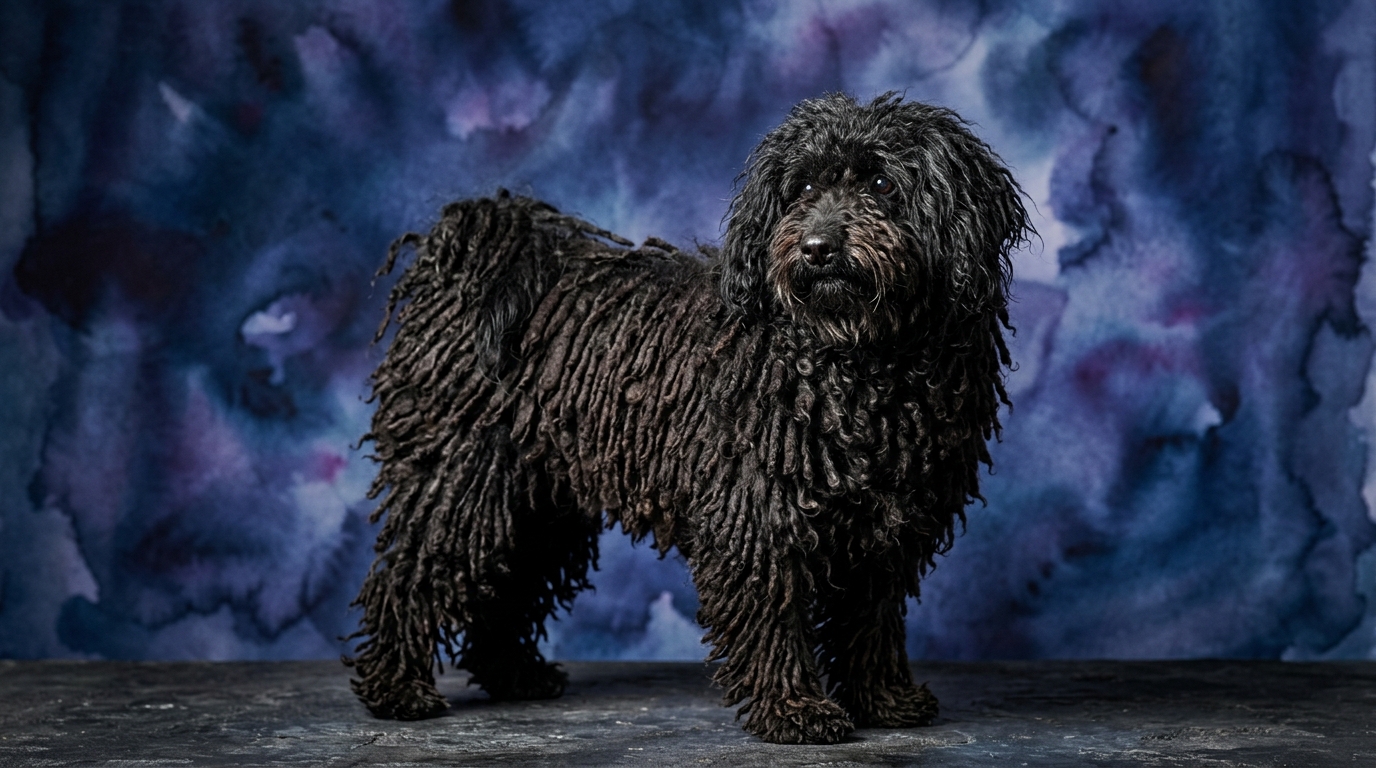
The Puli’s cognitive profile, as assessed by The Cosmic Pet Pet IQ Lab, paints a picture of a perceptive and capable herding dog, with specific strengths reflecting its historical role. Its strong 4/5 in Problem Solving reflects a breed accustomed to independent decision-making in complex herding scenarios, capable of strategizing to manage livestock with minimal direct human intervention. A Training Speed of 4/5 indicates a quick grasp of new commands and routines, eager to collaborate and absorb instruction. Memory, also at 4/5, underpins its ability to recall intricate patterns and learned behaviors over time, crucial for intricate tasks like flock management or multi-step obedience. Social Intelligence at 3/5 suggests competence in understanding human cues and interacting appropriately, though perhaps with a characteristic reserve towards strangers. Instinctive Drive, rated 3/5, points to a moderate but focused drive, primarily channeled towards its herding purpose rather than a broad range of primal instincts. This profile positions the Puli as a thinking dog, highly trainable for specific, complex tasks and a partner in sophisticated endeavors.
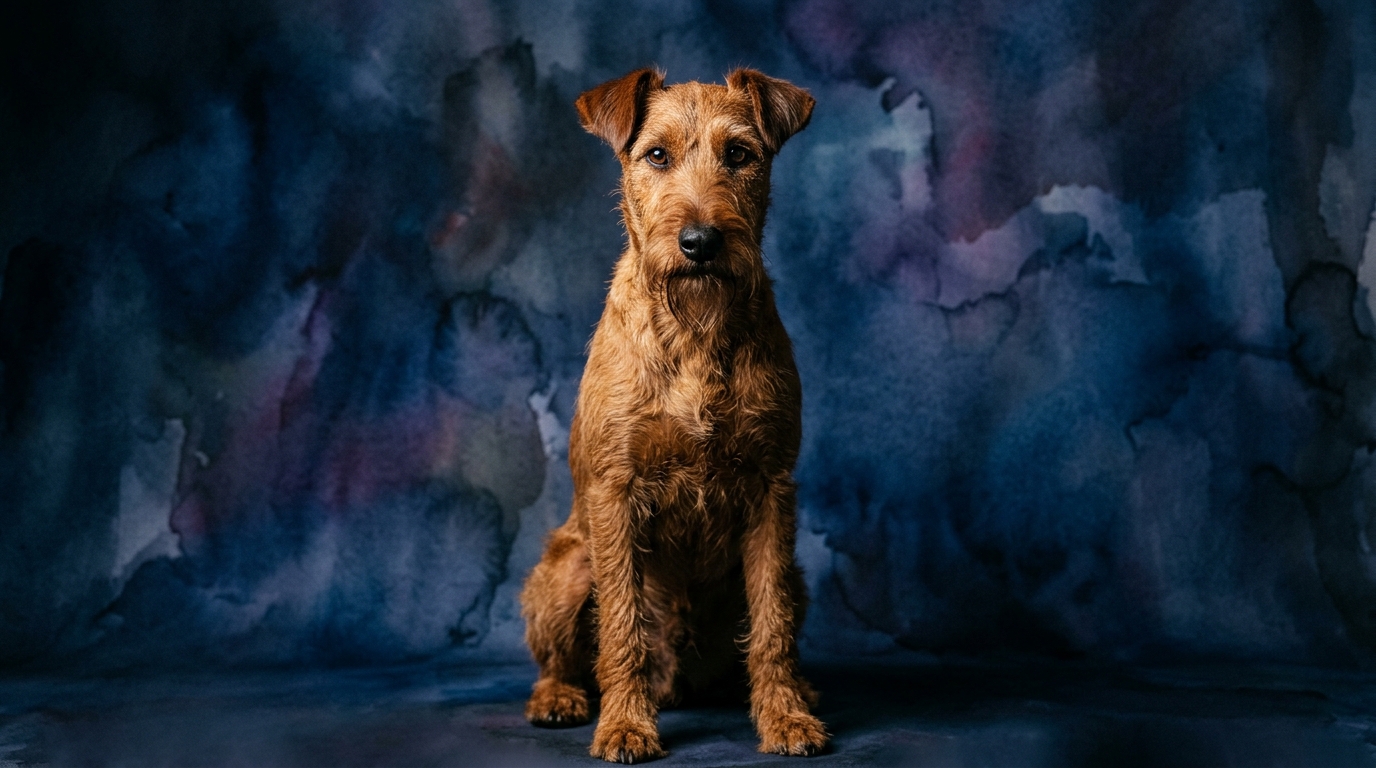
In contrast, the Irish Terrier presents a consistently balanced, practical cognitive profile, with a 3/5 across all five dimensions—Problem Solving, Training Speed, Social Intelligence, Instinctive Drive, and Memory. Its Problem Solving at 3/5 indicates a capacity for practical, immediate solutions, often driven by its innate terrier tenacity rather than complex strategic planning. Training Speed at 3/5 means it learns effectively, though perhaps requiring more consistency and varied approaches to maintain focus and engagement than a faster-learning breed. Social Intelligence at 3/5 denotes an adequate understanding of social cues, often expressed with a confident, sometimes assertive, demeanor. Instinctive Drive at 3/5 is pronounced in its typical terrier pursuits—chasing, digging, and independent action—reflecting its history as a determined hunter of vermin. Memory at 3/5 suggests it retains learned information sufficiently for daily life and basic training, but might not recall complex sequences with the Puli's precision or long-term recall. This breed embodies a robust, adaptable, and self-reliant intellect, well-suited to its original purpose of independent work and tenacious pursuit.
Where the Puli Demonstrates Cognitive Strengths
The Puli demonstrates clear cognitive advantages in areas demanding strategic thought, rapid learning, and robust recall, directly stemming from its herding heritage. Its 4/5 rating in Problem Solving signifies a breed that doesn't just react but actively processes situations, devising solutions to novel challenges. For instance, a Puli might more readily figure out how to open a complex latch, or navigate an intricate agility course by applying learned principles to new contexts, showcasing an ability to plan and adapt. This is a direct inheritance from its herding work, where it often had to outmaneuver livestock and adjust tactics on the fly, sometimes without direct instruction. This ability to think several steps ahead and adapt its strategy is a significant cognitive asset.
Furthermore, the Puli’s 4/5 in Training Speed means it absorbs new commands and routines with impressive alacrity, often requiring fewer repetitions to achieve proficiency and generalize a behavior across different environments. This rapid acquisition of skills makes it a favored candidate for advanced obedience, canine sports, and specialized task training, where quick learning is paramount. Coupled with its 4/5 Memory, the Puli retains these intricate lessons for extended periods, allowing it to perform complex sequences reliably and recall specific cues even after long breaks. This cognitive strength makes the Puli particularly adept at mastering multi-step commands and maintaining a vast repertoire of behaviors, making it a highly responsive and versatile partner for those seeking a dog capable of sophisticated learning and application.
Where the Irish Terrier Exhibits Unique Cognitive Merits
While the Irish Terrier's individual cognitive scores are consistently 3/5, its unique strength lies in the cohesive application of these balanced attributes, particularly its tenacious practicality and independent spirit. Its 3/5 in Problem Solving, combined with its strong Instinctive Drive, translates into a resilient, hands-on approach to challenges. Unlike the Puli's strategic planning, the Irish Terrier excels at immediate, persistent problem-solving, often relying on grit and determination rather than intricate forethought. For example, if faced with a barrier, an Irish Terrier might tirelessly explore every physical angle, digging or pushing until a solution is found, driven by its inherent terrier persistence. This isn't about intellectual elegance but about effective, unwavering action that gets the job done.
Its balanced Social Intelligence at 3/5, paired with its confident nature, means it navigates human and canine interactions with self-assurance, less prone to complex emotional nuances but clear in its intentions and boundaries. This straightforward approach can be a cognitive advantage in environments where directness is valued over subtle interpretation. The Irish Terrier’s consistent 3/5 across the board also indicates a highly adaptable and robust cognitive baseline, making it less prone to overthinking or being overwhelmed by novelty. It processes information sufficiently and acts decisively, which is a significant advantage in unpredictable environments where immediate, practical responses are paramount. This breed's unique merit is in its steadfast, resourceful application of its faculties, making it a formidable and self-reliant companion capable of independent thought and action.
Training Dynamics: Puli vs. Irish Terrier
Based on the Cosmic Pet Pet IQ Lab data, the Puli is demonstrably easier to train than the Irish Terrier, primarily due to its superior Training Speed (4/5 vs. 3/5) and Memory (4/5 vs. 3/5). The Puli's herding heritage has instilled a strong desire to collaborate with a handler and an innate understanding of complex directives, making it highly receptive to instruction. Its rapid learning curve means it picks up new commands quickly, often requiring fewer repetitions to generalize a behavior across different contexts. This keenness to learn and remember translates into a more fluid and less frustrating training experience for owners. For instance, teaching a Puli a multi-step agility sequence or a complex trick often progresses smoothly, as it readily connects actions with cues and consequences, and retains these connections reliably over time. Their higher Problem Solving also means they can often anticipate what is expected and adjust their actions accordingly.
In contrast, the Irish Terrier, while certainly trainable, presents a different dynamic. Its 3/5 Training Speed suggests it learns at a steady pace but may require more patience, consistency, and varied training methods to maintain engagement. Terriers, by nature, possess a degree of independent thought and a strong instinctive drive (3/5), which can sometimes manifest as selective hearing or a preference for pursuing their own interests over handler directives, especially if a more engaging scent or sight captures their attention. This isn't a lack of capability, but rather a different motivational structure where intrinsic drive for pursuit can sometimes override a desire to please. While an Irish Terrier will learn "sit" or "stay," mastering advanced obedience or intricate tasks might demand more creative reinforcement strategies and a more persistent, engaging approach from the trainer to overcome its innate self-reliance and potential for distraction. Its 3/5 Memory also means that while it retains information, refreshing commands and practicing regularly is more critical than with the Puli to ensure consistent and reliable performance.
Matching Breeds to Owner Lifestyles
Both the Puli and the Irish Terrier are breeds that thrive with active engagement, but their ideal owner profiles diverge based on the *type* of activity and mental stimulation they require. The Puli, with its high Problem Solving (4/5) and Training Speed (4/5), is best suited for active owners who relish providing consistent mental challenges and opportunities for complex learning. This breed flourishes when given a 'job' that taxes its intellect, whether it's advanced obedience, agility, herding trials, or even intricate puzzle toys that require strategic thinking. Owners who enjoy structured training sessions, problem-solving games, and regular, vigorous exercise will find the Puli to be an eager and fulfilling partner. A relaxed owner who cannot commit to consistent mental stimulation might struggle to meet the Puli's cognitive needs, potentially leading to boredom-induced behaviors or a lack of fulfillment for the dog.
The Irish Terrier, while equally needing activity, aligns well with active owners who appreciate a dog with a robust, energetic, and sometimes independent spirit. Its consistent 3/5 across cognitive dimensions, particularly its Instinctive Drive (3/5), means it benefits immensely from activities that allow it to express its natural terrier behaviors – chasing, exploring, and vigorous play. Long walks, hikes, secure off-leash play areas, and earthdog trials are excellent outlets that cater to its physical prowess and inherent drives. While it can engage in training, its problem-solving might lean more towards practical, physical challenges rather than abstract cognitive ones, seeking direct engagement with its environment. A relaxed owner might find the Irish Terrier's boundless energy and tenacious pursuits overwhelming, especially if not channeled appropriately through consistent activity and clear boundaries. However, an active owner who enjoys outdoor adventures and can provide consistent engagement and leadership will find the Irish Terrier a spirited, loyal, and endlessly entertaining companion, albeit one that requires a firm and fair hand.
The Verdict
Choose the Puli if you are an owner who thrives on intricate training, enjoys complex problem-solving activities, and desires a highly responsive partner capable of mastering sophisticated tasks.
Opt for the Irish Terrier if you appreciate a resilient, spirited companion with a balanced cognitive profile, who excels in practical, energetic pursuits and benefits from consistent, active engagement.
🧠 Find Your Pet's IQ Score
Our Pet IQ Lab assessment covers 25+ tests across 5 cognitive dimensions — personalized to your breed.
Take the Full IQ Test →Frequently Asked Questions
Do Pulis require a lot of grooming due to their unique coat?
Yes, the Puli's corded coat requires specific grooming attention, including regular separation of cords and occasional bathing, to prevent matting and maintain skin health. This is a significant commitment for potential owners, though some prefer to keep them in a brushed or clipped coat which simplifies maintenance.
Are Irish Terriers good with children and other pets?
Irish Terriers can be good with children, especially if raised with them and properly socialized, but their spirited nature requires supervision, particularly with very young children. They may exhibit typical terrier instincts toward smaller pets, so careful introductions and management are essential to ensure harmonious coexistence.
How much exercise do Pulis and Irish Terriers need daily?
Both breeds require substantial daily exercise, typically 60-90 minutes of vigorous activity. Pulis benefit from mental challenges alongside physical exertion, thriving on activities like agility or herding. Irish Terriers thrive on robust outdoor play, long walks, and opportunities to explore and satisfy their natural prey drive.