Side-by-Side Cognitive Profiles at The Cosmic Pet Lab
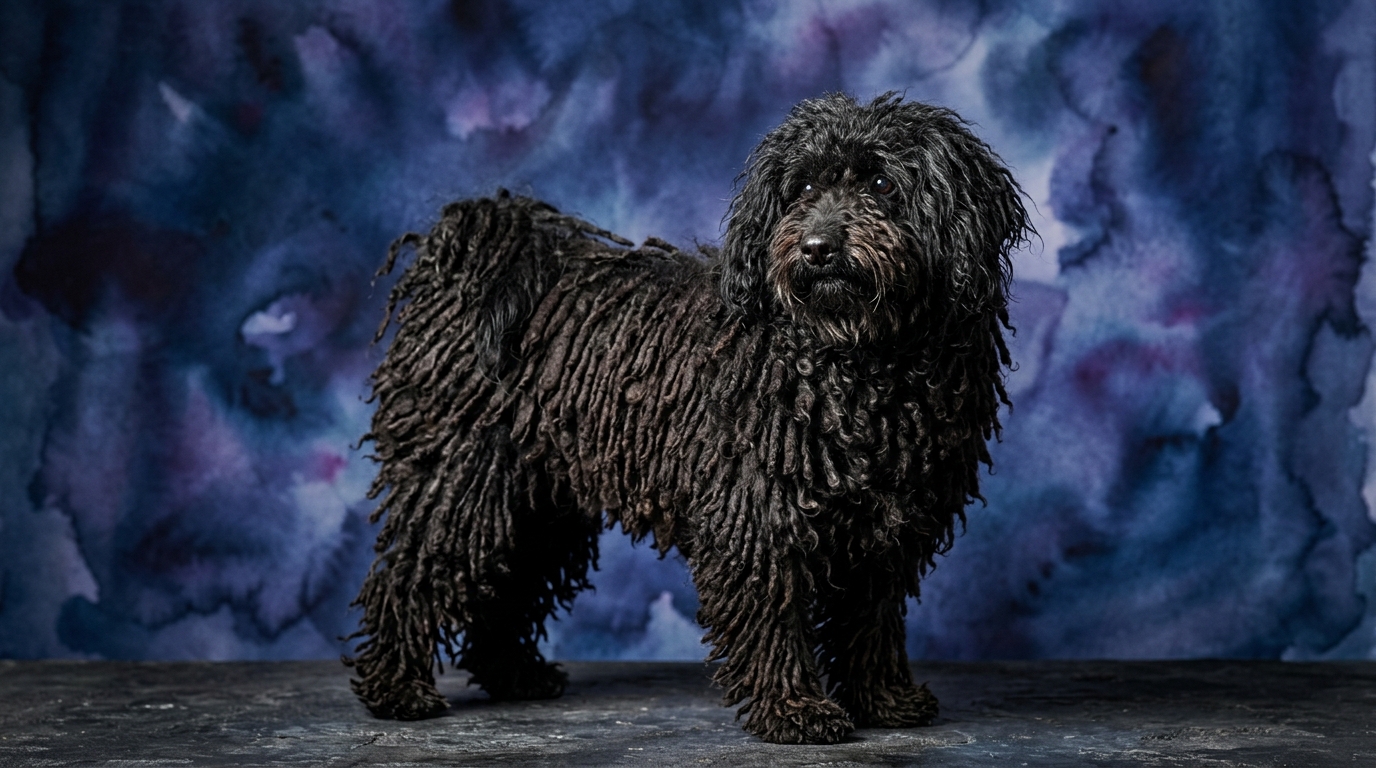
Our Cosmic Pet IQ Lab assessments reveal the Puli as cognitively agile, scoring 4/5 in Problem Solving and Training Speed. This indicates a dog comprehending new concepts rapidly and demonstrating natural aptitude for navigating complex situations. Their Memory score, also 4/5, suggests excellent retention of learned behaviors. In social interaction and innate predispositions, the Puli registers 3/5 for both Social Intelligence and Instinctive Drive, pointing to a balanced understanding of human cues and moderate expression of their working heritage.
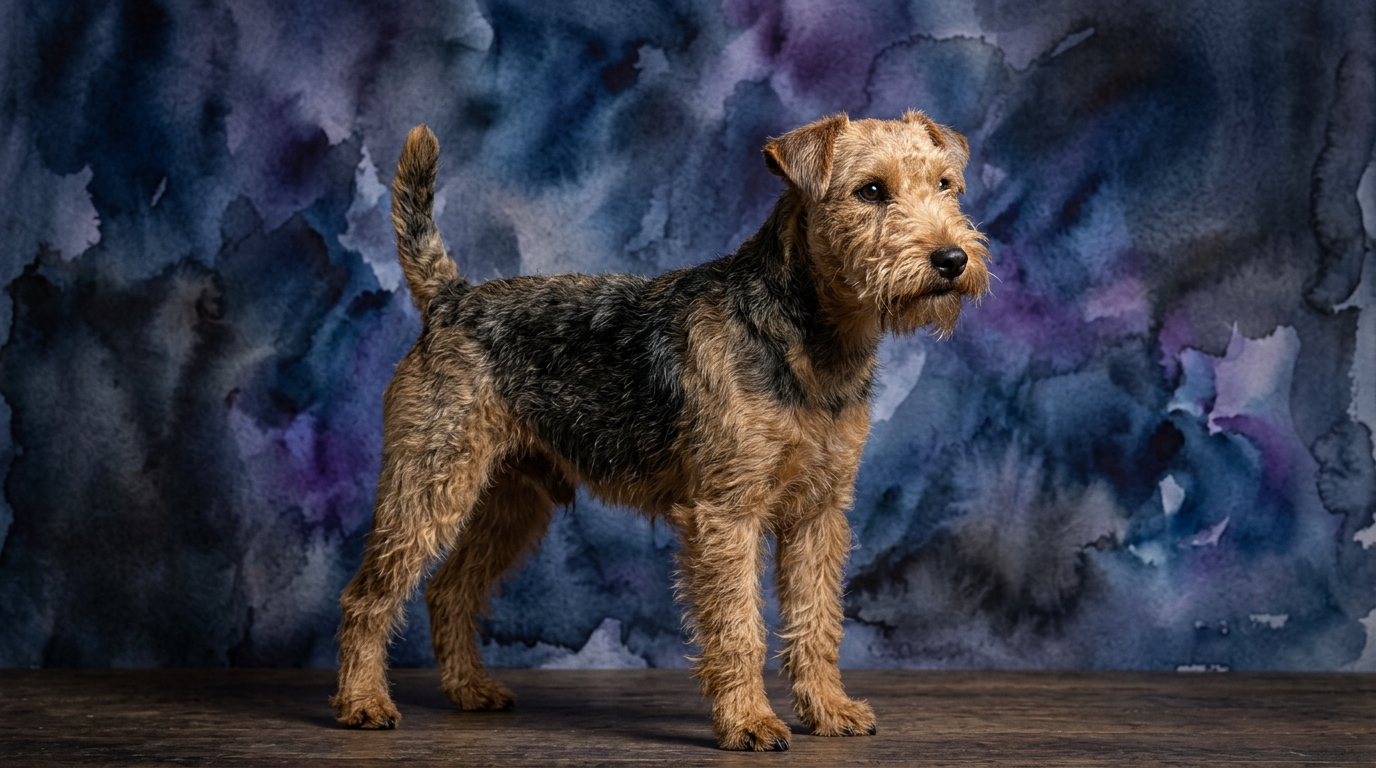
In contrast, the Lakeland Terrier presents a uniformly moderate cognitive profile, consistently scoring 3/5 across Problem Solving, Training Speed, Social Intelligence, Instinctive Drive, and Memory. While not reaching the Puli's peak scores, this consistent performance signifies a capable and predictable learner. A Lakeland can solve problems, learn commands, understand social cues, and retain information effectively, though at a pace requiring more patience. Their instinctive drive at 3/5 reflects typical terrier tenacity, focused on vermin control.
Where the Puli Demonstrates Cognitive Edge
The Puli distinctly outpaces the Lakeland Terrier in Problem Solving, Training Speed, and Memory, each rated 4/5 versus the Lakeland’s 3/5. This means a Puli is generally quicker to grasp multi-step commands and intricate tasks, often showing innate ability to 'figure things out' independently. Their superior training speed translates into fewer repetitions, making them exceptionally responsive to structured learning. Furthermore, the Puli’s robust memory ensures lessons are deeply ingrained, leading to reliable performance. Their inclusion in Stanley Coren's list at rank #25 further underscores their aptitude for obedience and working intelligence.
Understanding the Lakeland Terrier's Cognitive Strengths
While the Lakeland Terrier’s individual IQ scores don't reach the Puli’s peaks, their consistent 3/5 across all five dimensions highlights a balanced and robust cognitive framework. This uniformity suggests a reliably capable dog without pronounced weaknesses. Their moderate problem-solving abilities, coupled with a steady training speed, mean they approach new challenges with directness and persistence characteristic of their terrier heritage, rather than the Puli's analytical approach. This tenacity, a valuable cognitive trait, allows them to stick with a task, often compensating for a slightly slower learning curve with sheer determination. Their moderate social intelligence fosters straightforward companionship.
Trainability: Puli's Efficiency vs. Lakeland's Persistence
When it comes to trainability, the Puli offers a more efficient experience. Their 4/5 scores in Training Speed, Problem Solving, and Memory mean they are eager to learn and quick to connect actions with consequences. This breed's herding background cultivates a strong desire to work cooperatively, paying close attention to cues and readily accepting guidance. They thrive on mental engagement, becoming bored if not adequately challenged, which further motivates learning. In contrast, the Lakeland Terrier, with its 3/5 scores, requires a more patient and consistent approach. Terriers are renowned for their independent spirit, sometimes perceived as stubbornness. While capable, a Lakeland might require more engaging, positive reinforcement, and greater repetitions, often testing boundaries with their self-reliance before fully committing to behaviors.
Matching Breeds to Owner Lifestyles
The Puli's robust cognitive profile makes it ideal for active owners prepared for significant mental and physical stimulation. Their high problem-solving and training speed mean they excel in dog sports like agility, obedience, and herding trials, thriving on complex challenges. An owner enjoying teaching new tricks, advanced training, or competitive events will find a Puli a highly rewarding partner. This breed requires consistent engagement to prevent boredom and channel considerable mental energy constructively.
For owners seeking a companion with a spirited disposition but slightly less intense demand for structured mental "work," the Lakeland Terrier is an excellent choice. While still active and enjoying outdoor adventures, their consistent 3/5 scores suggest they might be content with varied routines of exploration, vigorous play, and regular walks, rather than constant, intricate cognitive challenges. A Lakeland thrives with owners appreciating their independent nature and providing consistent, clear guidance without requiring the dog to be constantly "on duty" for complex tasks. They suit active families enjoying outdoor pursuits and a dog with a robust, no-nonsense approach to life.
The Verdict
You are an active owner eager to engage in advanced training, dog sports, or intricate mental challenges, seeking a highly responsive and quick-learning canine partner.
You appreciate a spirited, independent companion for outdoor adventures and consistent, straightforward training, valuing their balanced cognitive ability and tenacious character.
🧠 Find Your Pet's IQ Score
Our Pet IQ Lab assessment covers 25+ tests across 5 cognitive dimensions — personalized to your breed.
Take the Full IQ Test →Frequently Asked Questions
Is the Puli truly smarter than the Lakeland Terrier?
Based on Cosmic Pet IQ Lab scores, the Puli demonstrates higher capabilities in problem-solving, training speed, and memory (all 4/5) compared to the Lakeland Terrier's consistent 3/5 across these dimensions, indicating a quicker and more efficient learner overall.
Do Lakeland Terriers struggle with training due to their independence?
While Lakeland Terriers possess a strong independent streak, scoring 3/5 in training speed, they are perfectly trainable. They may require more patience, consistency, and positive reinforcement than a Puli, but they are capable of learning a wide range of commands and behaviors.
How much mental stimulation does each breed need daily?
The Puli, with its higher problem-solving and memory scores, typically requires more intense and varied mental stimulation daily, such as puzzle toys, complex training sessions, or dog sports, to prevent boredom. The Lakeland Terrier also benefits from mental engagement but might be satisfied with consistent training, interactive play, and opportunities for exploration rather than constant complex challenges.