Side-by-Side Cognitive Profiles of the Puli and Pumi
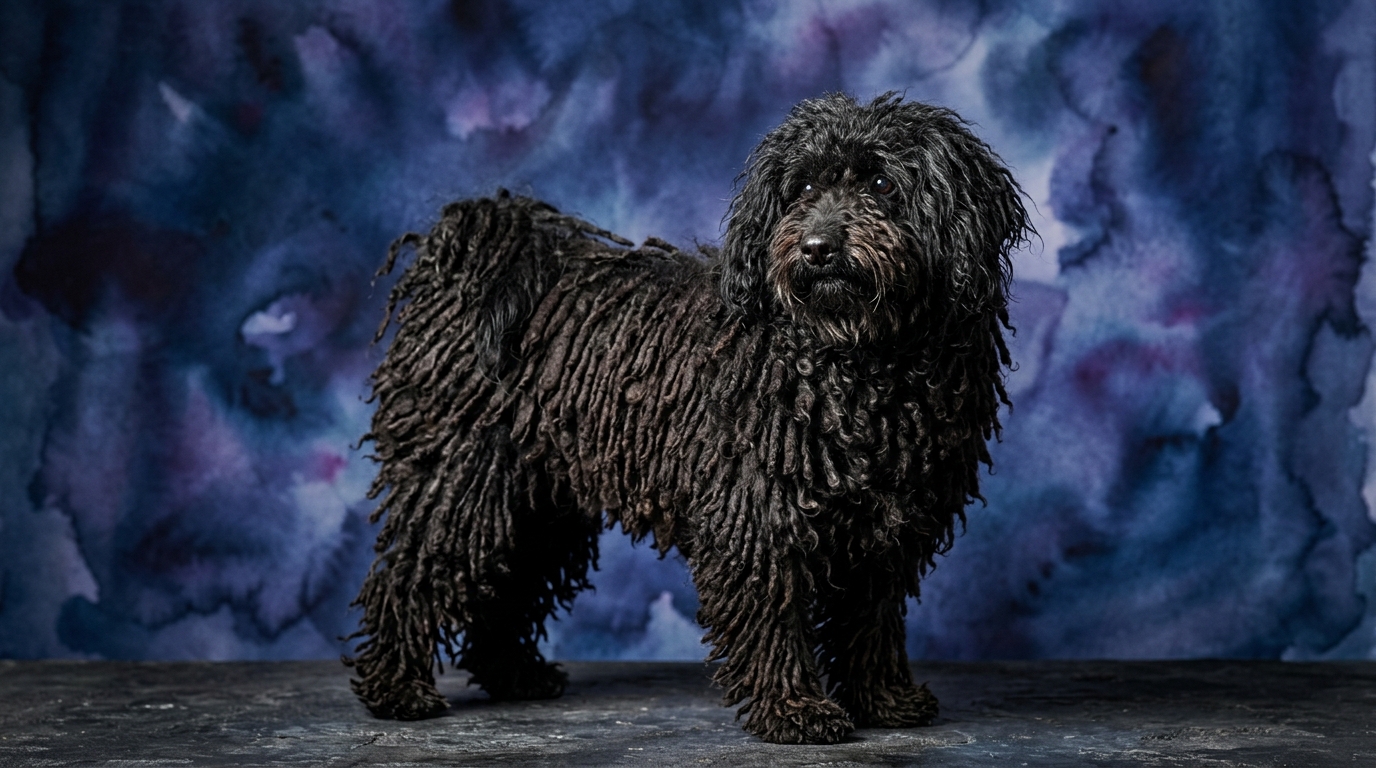
The Puli, recognized by its distinctive corded coat and Coren-ranked at #25, exhibits a robust cognitive profile. Its problem-solving ability scores a strong 4 out of 5, indicating a capacity for innovative thought and adapting quickly to novel situations. Training speed is also rated 4/5, suggesting a rapid grasp of new commands and concepts, requiring fewer repetitions. Social intelligence stands at a moderate 3/5, meaning they are generally attuned to human cues but might not always prioritize complex social negotiations. Instinctive drive, specifically for herding, is a balanced 3/5, present but typically manageable within a domestic context. Finally, the Puli’s memory is impressive at 4/5, allowing for long-term retention of learned behaviors and environmental specifics.
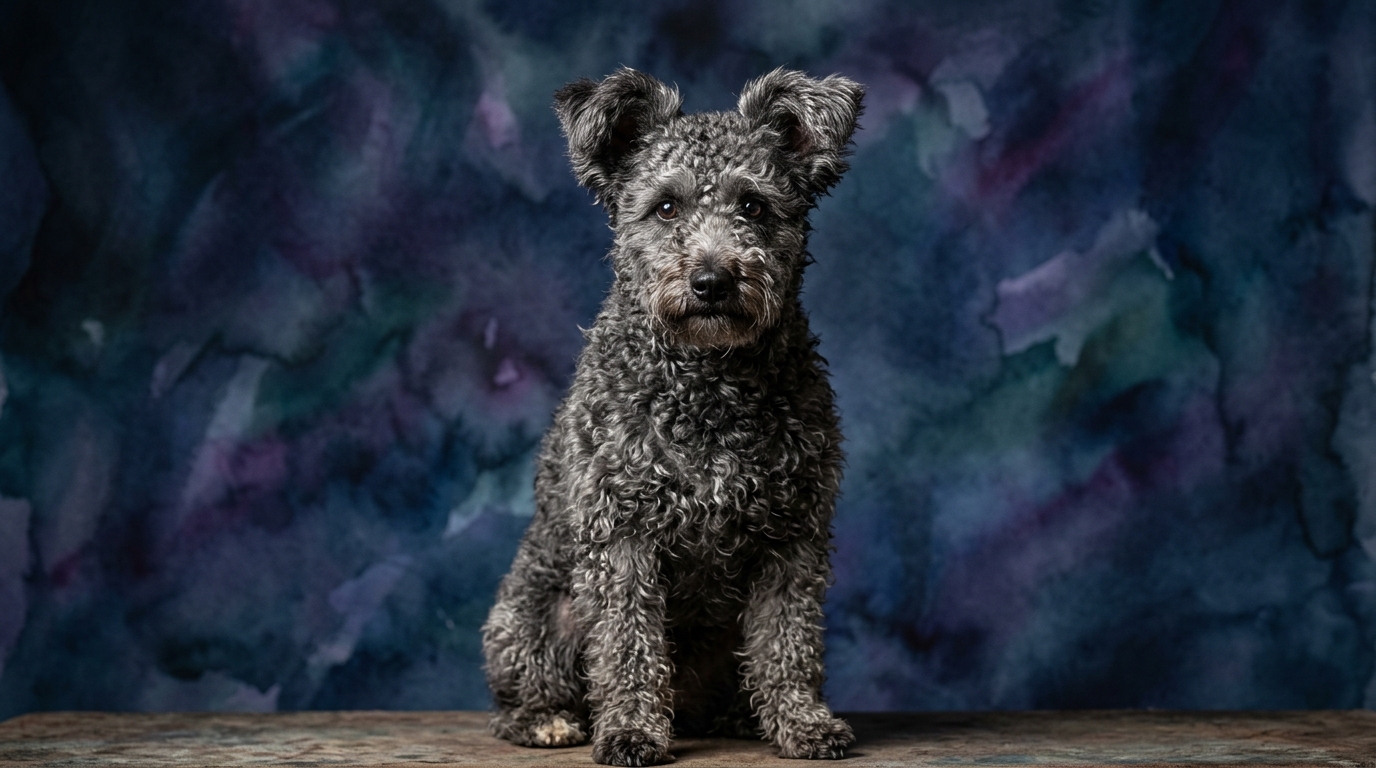
The Pumi, a spirited Hungarian herder not yet evaluated in Coren's standardized rankings, presents a consistently balanced cognitive landscape. Across all five dimensions—problem-solving, training speed, social intelligence, instinctive drive, and memory—the Pumi registers a solid 3 out of 5. This indicates a dog that is capable of learning and adapting, albeit perhaps at a slightly more deliberate pace than the Puli. Their problem-solving at 3/5 suggests they will find solutions, often through tried-and-true methods rather than highly inventive ones. A training speed of 3/5 means they are receptive to instruction but benefit from consistent, patient teaching. Social intelligence and instinctive drive at 3/5 point to a dog that integrates well into family life with a moderate, predictable herding instinct. Their memory, also 3/5, ensures they retain learned information, though perhaps not with the same intricate detail as a Puli.
Where the Puli Exhibits Cognitive Advantages
The Puli's cognitive strengths become apparent when examining its higher scores in problem-solving, training speed, and memory. With a 4/5 in problem-solving, a Puli often demonstrates a more inventive and autonomous approach to overcoming obstacles. For instance, if a Puli wants a toy out of reach, it might experiment with various tools or strategies to retrieve it, while a Pumi (3/5) might rely more on direct, learned methods or seek human assistance sooner. This higher problem-solving capacity translates into a dog that can navigate complex environments and adapt to new challenges with greater ingenuity.
The Puli's 4/5 training speed means it typically requires fewer repetitions to master a new command or trick compared to the Pumi's 3/5. This breed can pick up on subtle cues quickly and generalize concepts more readily, making advanced obedience or dog sports a potentially smoother progression. This rapid assimilation of information is further supported by its 4/5 memory score; a Puli is likely to retain complex sequences of commands or intricate routes for extended periods, making it less prone to "forgetting" previously learned behaviors even after a hiatus. This combination allows for a more fluid and less repetitive training experience, provided the mental stimulation matches their quick wit.
Nuances Where the Pumi's Profile Shines
While the Pumi doesn't outscore the Puli in any specific cognitive dimension, its consistent 3/5 across the board presents a unique set of advantages, particularly for certain owner profiles. A Pumi's 3/5 in problem-solving suggests a more straightforward and less overly analytical approach to challenges. This can translate into a dog that is less likely to "overthink" situations or develop overly complex, perhaps unwanted, strategies. Instead, a Pumi might be more inclined to follow established routines or look to its human for guidance, fostering a more collaborative problem-solving dynamic than an independently inventive Puli.
The Pumi's balanced 3/5 in social intelligence and instinctive drive contributes to a generally adaptable temperament. This consistent score implies a dog that is neither excessively independent nor overly reliant, offering a predictable level of engagement with its human family and a manageable herding impulse. For owners seeking a companion with a steady, reliable cognitive disposition, less prone to the potential intensity of a higher-scoring counterpart, the Pumi's balanced profile can be a genuine asset. It suggests a dog that is receptive and present, without necessarily demanding constant, high-level mental gymnastics.
Trainability: Puli's Rapid Grasp vs. Pumi's Steady Learning
When it comes to trainability, the Puli generally presents a quicker learning curve due to its 4/5 training speed and superior memory. A Puli often grasps new commands with remarkable alacrity, sometimes after just a few repetitions, and retains them efficiently over time. This makes them excellent candidates for advanced obedience, agility, or other dog sports where precision and rapid comprehension are valued. However, this quick wit means training sessions must be engaging and varied to prevent boredom; a Puli might become disengaged or even invent its own "games" if the mental stimulation isn't sufficient. Their higher problem-solving also means they might test boundaries or try to outsmart a trainer if given the opportunity.
The Pumi, with its 3/5 training speed and memory, requires a more patient and consistent approach. While perfectly capable of learning a wide array of commands, they will typically need more repetitions and a clearer, more structured teaching method. Their learning style is steady and reliable rather than lightning-fast. Owners will find success with positive reinforcement, short, frequent training sessions, and clear expectations. The Pumi's slightly lower problem-solving score means they are less likely to overthink or try to find loopholes in commands, often making them more straightforward and less challenging to manage in a training context, provided the trainer is consistent and clear.
Matching Cognitive Profiles to Owner Lifestyles
Both Puli and Pumi are herding breeds, inherently active and mentally engaged, so neither is suited for a truly "relaxed" owner in the sense of minimal interaction. However, their cognitive differences subtly differentiate the type of active engagement they thrive on. The Puli, with its 4/5 problem-solving, training speed, and memory, flourishes with owners who enjoy complex training, puzzle toys, and varied activities. These dogs relish learning new tricks, participating in dog sports like agility or herding trials, and solving environmental challenges. They need consistent mental stimulation to prevent boredom and channel their sharp intellect constructively, making them ideal for owners who are equally keen on mental gymnastics.
The Pumi, while also active, might be a better fit for owners who prefer consistent, structured activities over highly complex, constantly varied mental challenges. Its balanced 3/5 scores across the board suggest a dog that thrives on routine, enjoys predictable walks, and appreciates structured play and training sessions. They still require ample physical exercise and mental engagement, but perhaps less of the intense "out-of-the-box" problem-solving demanded by a Puli. Active owners who enjoy hiking, jogging, or consistent, rewarding obedience work will find the Pumi a delightful and steadfast companion, without the potential for a Puli's occasional intellectual "overdrive."
The Verdict
Choose the Puli if you are an experienced owner eager to engage a dog with a sharp, inventive mind, quick learning ability, and a penchant for complex mental challenges.
Opt for the Pumi if you appreciate a dog with a balanced, steady cognitive profile that thrives on consistent training and structured activity, offering a reliable and adaptable companionship.
🧠 Find Your Pet's IQ Score
Our Pet IQ Lab assessment covers 25+ tests across 5 cognitive dimensions — personalized to your breed.
Take the Full IQ Test →Frequently Asked Questions
Do both Puli and Pumi make good family pets, considering their intelligence?
Both breeds can be excellent family pets, but their social intelligence (3/5 for both) means early socialization is crucial. They are loyal to their families but might be reserved with strangers, requiring consistent positive introductions to new people and environments.
How do the Puli's higher problem-solving and memory scores impact its daily behavior compared to the Pumi?
A Puli's superior problem-solving and memory mean it might be more independent in finding solutions to environmental challenges, potentially requiring more secure boundaries or creative enrichment. The Pumi, with consistent 3/5 scores, might be more inclined to follow established routines and rely on human direction, potentially leading to less "self-employment" in problem-solving.
What kind of mental stimulation is most effective for each breed given their different IQ profiles?
For the Puli, complex puzzle toys, advanced trick training, scent work, and agility are highly effective due to its higher problem-solving and training speed. The Pumi benefits from consistent obedience practice, structured fetch games, and moderate puzzle toys, all delivered with patience and positive reinforcement, aligning with its steady learning style.