Side-by-Side Cognitive Profiles: The Puli and Sealyham Terrier
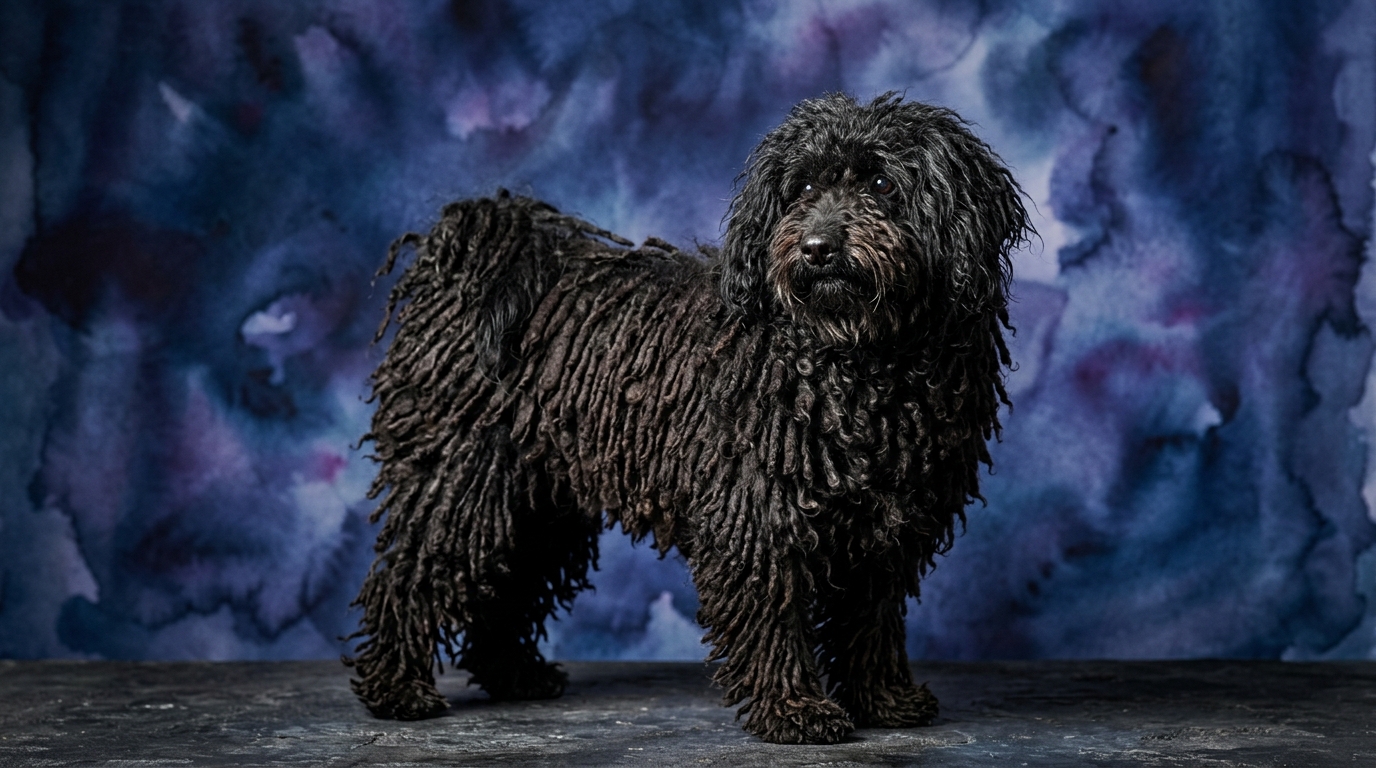
The Puli, a Hungarian herding dog, is recognized for its keen mind and functional adaptability, reflected in its Coren rank of #25. Its cognitive profile shows a Problem Solving score of 4/5, indicating a strong capacity for independent thought and strategic action, essential for managing livestock. Training Speed is also 4/5, highlighting their quick grasp of new commands and routines, making them highly receptive partners. Their Social Intelligence stands at 3/5, suggesting a focus on cooperative function rather than overt emotional mirroring, while their Instinctive Drive of 3/5 is primarily channeled into complex herding behaviors. Finally, a Memory score of 4/5 ensures they retain intricate sequences and past experiences, crucial for consistent performance in demanding roles.
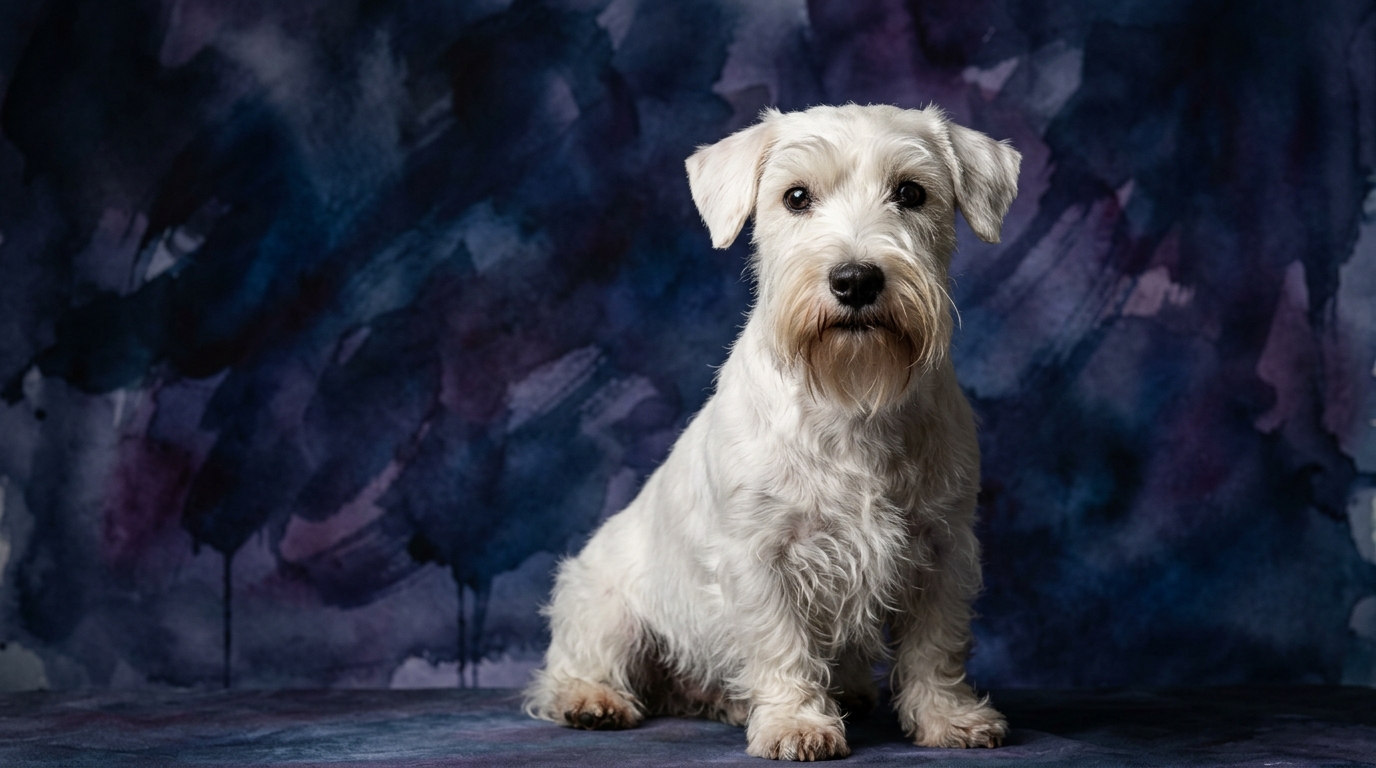
The Sealyham Terrier, a British terrier breed, presents a different set of cognitive strengths, though not Coren-ranked. Their Problem Solving is rated 3/5, reflecting a practical, determined approach often characterized by persistence in tasks like navigating tight spaces or pursuing scent trails. Training Speed is 3/5, meaning they learn at a moderate pace, requiring consistency and patience due to their independent nature. Social Intelligence is 3/5, fostering strong, loyal attachments and an understanding of family dynamics, even if less overtly expressive. Their Instinctive Drive, also 3/5, is rooted in their terrier heritage of hunting vermin, manifesting as a strong desire to dig and explore. A Memory score of 3/5 means they capably recall daily routines and learned commands, functioning well in a home environment.
Where the Puli Exhibits Cognitive Strengths
The Puli's cognitive architecture shines brightly in areas demanding sophisticated planning and rapid assimilation of information. With a 4/5 in Problem Solving, they are adept at evaluating situations and devising solutions, a trait honed by centuries of managing livestock where quick, independent decisions are paramount. Unlike a breed that might wait for instructions, a Puli can assess a straying sheep and maneuver it back to the flock with minimal human input, demonstrating proactive cognitive engagement. Their Training Speed, also a 4/5, indicates a keen eagerness and capacity to absorb new commands efficiently, making them highly receptive to advanced obedience or complex skill-based training. Furthermore, their 4/5 Memory ensures that these learned behaviors and solutions are retained over time, building a robust repertoire of knowledge. This robust memory and quick learning are central to their placement as a top-tier working dog, allowing them to perform intricate tasks reliably and consistently.
Unpacking the Sealyham Terrier's Unique Cognitive Wins
While the Sealyham Terrier's individual scores might not reach the Puli's peaks, their cognitive strengths lie in a different, equally valuable domain: tenacious persistence and focused determination. Their 3/5 in Problem Solving reflects a practical, hands-on approach, often characterized by unwavering effort until a goal is achieved. For a Sealyham, solving a 'problem' might involve relentlessly digging to unearth a perceived burrow or navigating a dense thicket to follow a scent, rather than strategizing a complex herding pattern. This persistence, driven by a 3/5 Instinctive Drive for hunting, means they are not easily deterred once they set their mind to something. Their 3/5 Social Intelligence, while not overtly expressive, fosters a deep, loyal bond with their family, allowing them to read and respond to familiar cues effectively within their social unit. These traits combine to create a resilient, self-assured companion, whose cognitive strengths are geared towards independence and a robust, no-nonsense approach to their world, making them excellent at tasks requiring singular focus and grit.
Ease of Training: A Tale of Two Temperaments
When it comes to ease of training, the Puli generally presents a more straightforward path. Their 4/5 Training Speed score is a clear indicator of their readiness and ability to absorb new information quickly. This means fewer repetitions are often needed, and they tend to generalize learned behaviors more readily across different environments. Their herding background instills a natural inclination to work cooperatively with a handler, responding well to direction and seeking to understand expectations. In contrast, the Sealyham Terrier, with a 3/5 Training Speed, requires a more patient and consistent approach. Their terrier independence means they may question commands or prioritize their own interests, particularly if a compelling scent or digging opportunity arises. Training a Sealyham often involves harnessing their innate drive and channeling it positively, rather than expecting immediate, compliant responses. While both breeds are capable of learning, the Puli's inherent cooperativeness and faster processing make the training journey generally smoother and less demanding for the average owner.
Matching Breeds to Lifestyles: Active Engagement vs. Relaxed Companionship
The Puli, with its heritage as a herding dog and its strong cognitive scores, typically thrives with active owners who can provide consistent mental and physical engagement. Their 3/5 Instinctive Drive, though channeled, still manifests as a need for purpose and activity. Owners who enjoy dog sports like agility, obedience, or even urban herding activities will find the Puli a willing and capable partner. Their 4/5 Problem Solving and Memory mean they require intellectual stimulation to prevent boredom and potential behavioral issues. They are not content to be mere couch potatoes; their minds need challenges.
The Sealyham Terrier, while certainly not sedentary, might appeal to owners seeking a different kind of “active” or a more relaxed daily rhythm after their needs are met. Their 3/5 Instinctive Drive for hunting means they need outlets for digging and exploration, but these can often be satisfied in a securely fenced yard or with dedicated walks where they can sniff and investigate. They are tenacious and enjoy focused play, but their overall cognitive demands might be less about complex problem-solving and more about consistent routine and opportunities for independent exploration. While they enjoy human company, a Sealyham can be content with a good chew toy or a nap after a satisfying walk, making them potentially suitable for owners who appreciate a dog with independent spirit but don't necessarily seek a constant training partner for advanced tasks.
The Verdict
Choose a Puli if you are an owner seeking a highly engaged cognitive partner for advanced training, dog sports, or a working role, appreciating their quick learning and problem-solving prowess.
Opt for a Sealyham Terrier if you value a persistent, independent companion with a loyal heart, willing to engage in focused activities and capable of a more relaxed home life after their core needs are met.
🧠 Find Your Pet's IQ Score
Our Pet IQ Lab assessment covers 25+ tests across 5 cognitive dimensions — personalized to your breed.
Take the Full IQ Test →Frequently Asked Questions
Are Pulis difficult to groom due to their corded coats?
Puli coats do require specific care, often involving cord maintenance to prevent matting, which can be time-consuming. However, many owners choose to keep their Pulis in a brushed, non-corded coat, or a shorter trim, simplifying grooming considerably.
Do Sealyham Terriers bark a lot?
Sealyham Terriers, like many terriers, can be prone to barking, especially when alerting to strangers or perceived threats, or when bored. Consistent training from a young age is crucial to manage and reduce excessive barking behavior.
Which breed is better with children?
Both breeds can be good with children when properly socialized and raised in a respectful environment. Pulis are generally patient and protective, while Sealyhams are sturdy and playful. Supervision is always recommended, and children should be taught how to interact gently with any dog.