Side-by-Side IQ Profile: Puli vs. Sussex Spaniel
The Cosmic Pet Pet IQ Lab offers a detailed breakdown of canine cognitive dimensions, providing a granular view of each breed's mental aptitudes. Here's how the Puli and Sussex Spaniel compare across five key areas:
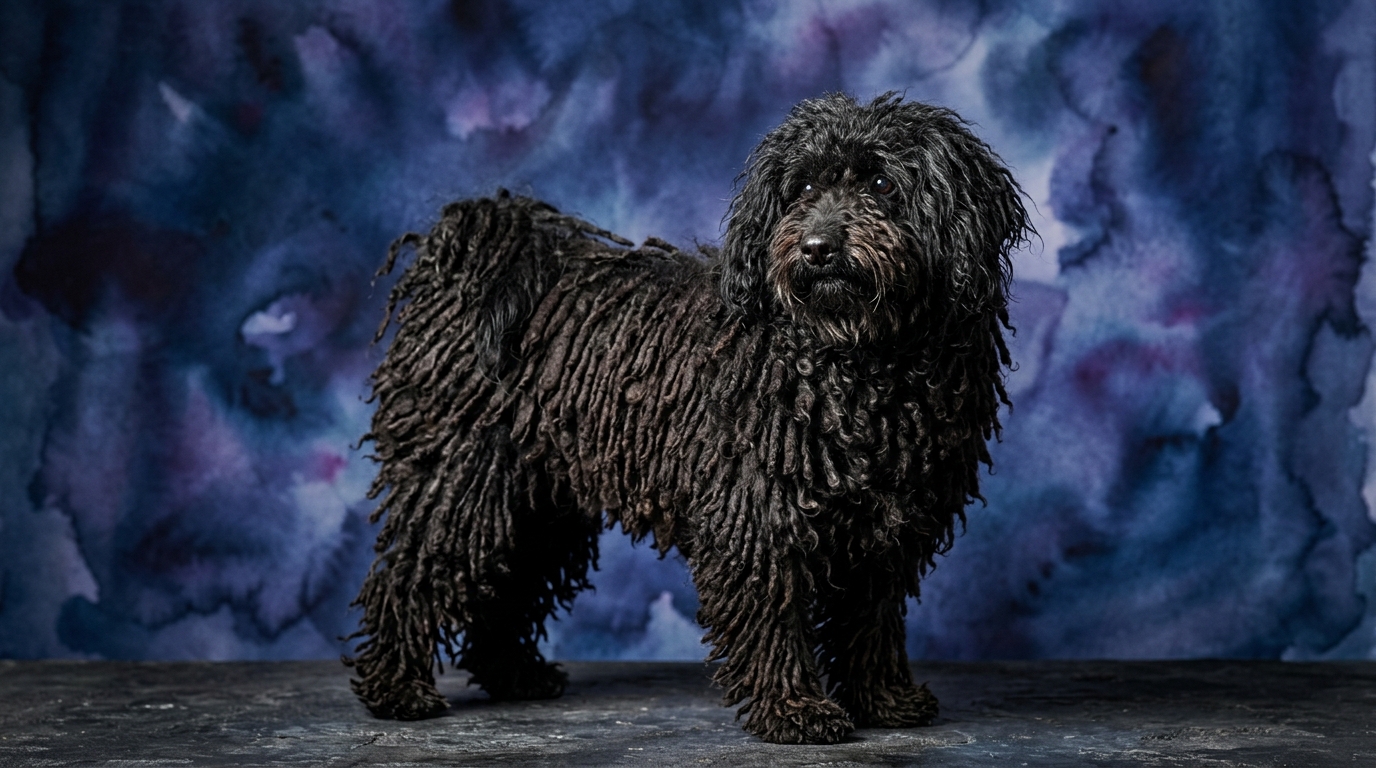
**Puli (Herding, Coren rank #25):** This breed’s profile reflects its historical role as a self-sufficient livestock guardian and herder. Its Problem Solving is rated 4/5, indicating a strong capacity for independent thought and strategic action, essential for managing flocks without constant human direction. Training Speed is also 4/5, suggesting a quick grasp of new commands and routines, often requiring fewer repetitions. Social Intelligence sits at 3/5; Pulis form deep bonds with their families but can be discerning with strangers, prioritizing their core group. Their Instinctive Drive, rated 3/5, manifests as a focused inclination to gather and control, a channeling of their herding heritage. Lastly, Memory is 4/5, signifying a robust ability to retain learned behaviors and experiences over extended periods.
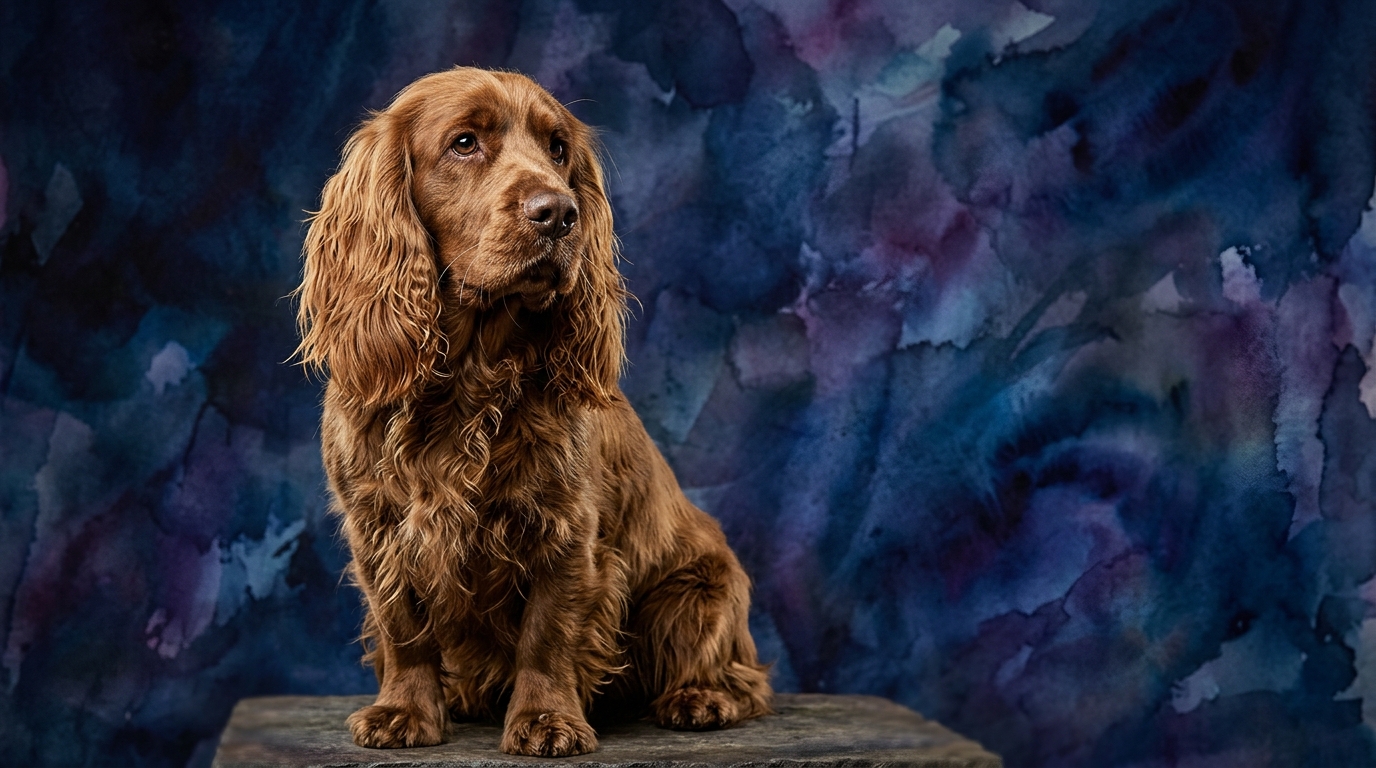
**Sussex Spaniel (Sporting, Coren rank #62):** The Sussex Spaniel’s profile highlights its purpose as a cooperative hunting companion. Its Problem Solving is 3/5, suggesting a more methodical, sometimes contemplative approach to challenges, preferring clear guidance or a steady path. Training Speed is 3/5, indicating a steady learning pace that benefits from consistent, patient instruction and positive reinforcement. Social Intelligence is 3/5, reflecting an amiable and even-tempered nature, forming strong connections with family and generally being friendly, though perhaps less acutely perceptive of subtle human cues than some breeds. Instinctive Drive is 3/5, channeled into working collaboratively with a human partner, focusing on scent and flushing game with a deliberate energy. Memory is also 3/5, providing a functional capacity for retaining training and routines with consistent reinforcement.
Where the Puli Wins Cognitively
The Puli’s cognitive profile demonstrates clear advantages in areas demanding rapid, independent thought and enduring retention. Their superior Problem Solving (4/5) means they are adept at assessing novel situations and devising solutions without direct human intervention, a trait honed by their historical role in managing flocks across varied and often unpredictable terrain. This translates into a dog that can quickly figure out how to open a gate, retrieve a dropped item, or navigate complex environmental puzzles with less prompting. Furthermore, their Training Speed (4/5) and Memory (4/5) work in tandem, allowing them to absorb complex sequences of commands and retain them over extended periods. This makes them efficient learners for advanced obedience, canine sports like agility, or intricate trick training, suggesting a mind built for operational efficiency and adaptability in dynamic environments.
Where the Sussex Spaniel Wins Cognitively
While the Puli excels in independent problem-solving, the Sussex Spaniel’s cognitive strengths shine in areas that prioritize steady, cooperative engagement and sensory focus. Their Instinctive Drive (3/5), though rated similarly to the Puli, is channeled distinctly into working in tandem with a human partner, focusing on scent work and flushing game rather than autonomous herd management. This translates to a dog that derives satisfaction from collaborative tasks and fulfilling a shared objective, making them excellent partners for activities like tracking or field work. Their Social Intelligence (3/5) supports their cooperative and agreeable nature, fostering harmonious relationships within their family unit. While their Problem Solving (3/5) might be more deliberate, it is often applied to tasks requiring persistence and thoroughness rather than rapid, independent innovation, such as meticulously following a scent trail to its conclusion.
Training Dynamics: Puli vs. Sussex Spaniel
Based on The Cosmic Pet Pet IQ Lab data, the Puli generally presents as the breed that learns more quickly, primarily due to its higher scores in Training Speed (4/5) and Memory (4/5). Pulis typically grasp new commands and concepts with efficiency, often requiring fewer repetitions to achieve proficiency. Their attentiveness and inherent drive to engage with tasks mean they are frequently eager to learn, translating into faster progress in obedience and skill acquisition. However, their Problem Solving (4/5) and independent nature mean that while they learn fast, they also require consistent, engaging, and varied training to prevent boredom or a tendency to apply their cognitive abilities to unintended "mischief." In contrast, the Sussex Spaniel, with scores of 3/5 in both Training Speed and Memory, requires a more patient and consistently positive approach. They will learn, but at a steadier pace, needing more reinforcement and encouragement to solidify new behaviors. Their training benefits from a calm, encouraging environment, focusing on building a strong, trusting partnership rather than expecting rapid mastery. Their agreeable nature means they are often willing participants, given the right motivation and clear instruction.
Lifestyle Match: Active vs. Relaxed Owners
For active owners seeking a canine partner for demanding activities, the Puli is often the more suitable choice. Their high Problem Solving (4/5) and Training Speed (4/5) mean they thrive on mental stimulation and physical challenges, excelling in dog sports like agility, herding trials, or advanced obedience. They require regular, structured engagement to channel their considerable cognitive energy and prevent boredom, making them ideal for individuals who enjoy intricate training sessions, long hikes, or complex puzzle toys. Conversely, the Sussex Spaniel is better suited for more relaxed owners who appreciate a steady, amiable companion. While they benefit from regular walks and engaging play, their cognitive profile, with its more moderate Problem Solving (3/5) and Instinctive Drive (3/5), suggests they are content with a less frenetic pace. They enjoy being part of family activities but do not typically demand the same intensity of mental and physical exertion as the Puli, making them excellent companions for a quieter household that still values daily interaction and gentle outdoor exploration.
The Verdict
Select a Puli if you are an active owner seeking an independent, quick-thinking companion eager for mental challenges and capable of rapid learning in various dog sports or complex tasks.
Opt for a Sussex Spaniel if you desire a patient, agreeable companion who thrives on consistent, positive training and enjoys a more relaxed pace of life with their devoted family.
🧠 Find Your Pet's IQ Score
Our Pet IQ Lab assessment covers 25+ tests across 5 cognitive dimensions — personalized to your breed.
Take the Full IQ Test →Frequently Asked Questions
Do Pulis require a lot of grooming due to their coat?
Yes, Pulis have a unique corded coat that requires significant maintenance to prevent matting and ensure cleanliness. This specialized grooming is a distinctive aspect of owning a Puli and is essential for their health and comfort.
Are Sussex Spaniels good with children?
Sussex Spaniels are generally known for their patient and amiable temperament, making them suitable companions for families with children. Proper socialization from a young age is always beneficial to ensure harmonious and respectful interactions within the household.
Can a Puli live in an apartment?
While Pulis are adaptable, their energetic nature and need for significant mental and physical stimulation mean they thrive with ample space and regular outdoor activity. An apartment lifestyle is possible but requires a dedicated owner committed to providing substantial daily exercise, training, and enrichment.