Side-by-Side Cognitive Profiles: The Identical Scores, Different Contexts
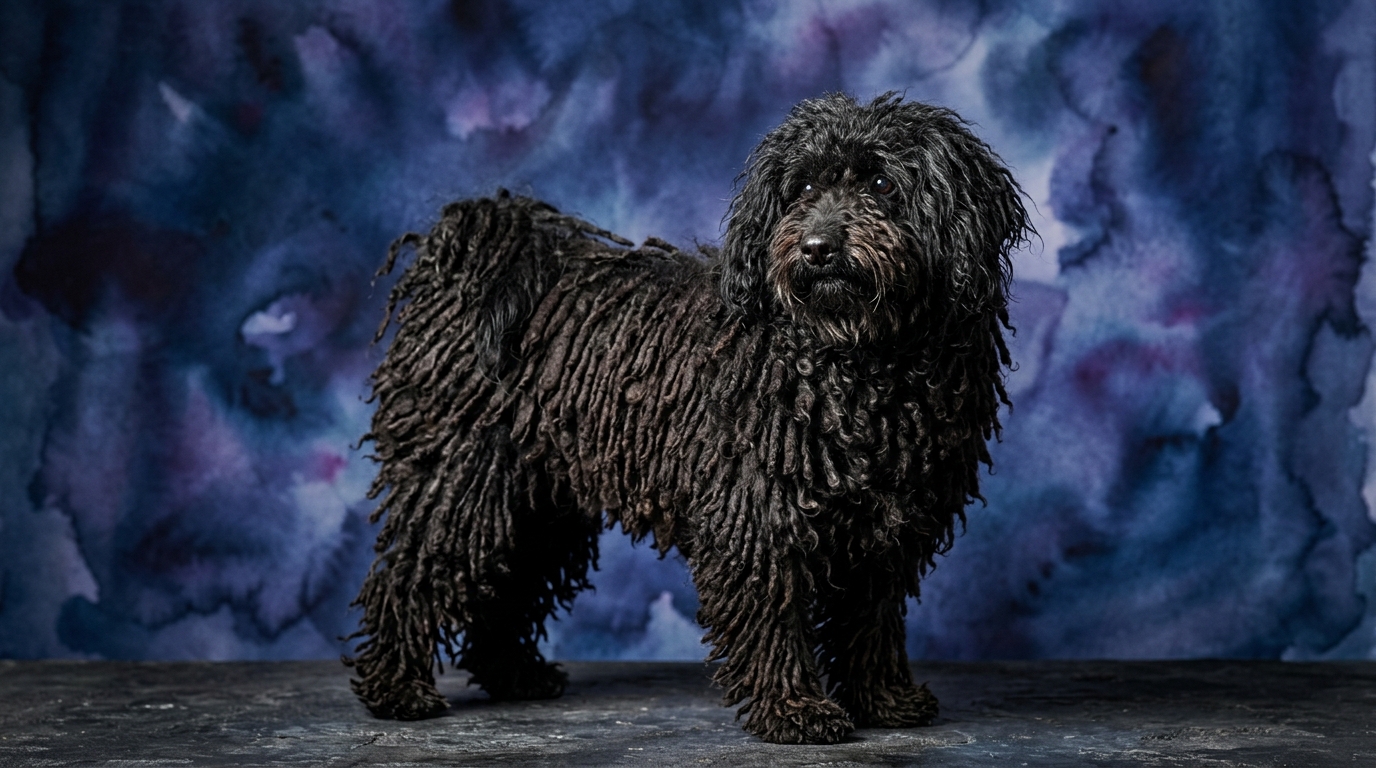
The Puli, with its distinctive corded coat, hails from the Herding group, historically tasked with managing livestock on vast plains. Our IQ Lab data assigns the Puli a robust 4/5 in Problem Solving, reflecting its capacity for independent decision-making and navigating complex, dynamic environments like a flock of sheep. Its Training Speed also stands at 4/5, indicating a quick grasp of commands and sequences, crucial for effective herding communication. Memory is likewise strong at 4/5, allowing them to recall routines, boundaries, and individual animal behaviors. Social Intelligence registers at 3/5, suggesting they can form strong bonds and understand human cues, but perhaps prioritize task execution over constant human interaction. Finally, their Instinctive Drive is 3/5, channeling a moderate, focused drive towards their herding duties, rather than an overwhelming, unfocused energy. This cognitive makeup, supported by a Coren rank of #25, positions the Puli as a thinking partner in its work, capable of initiative.
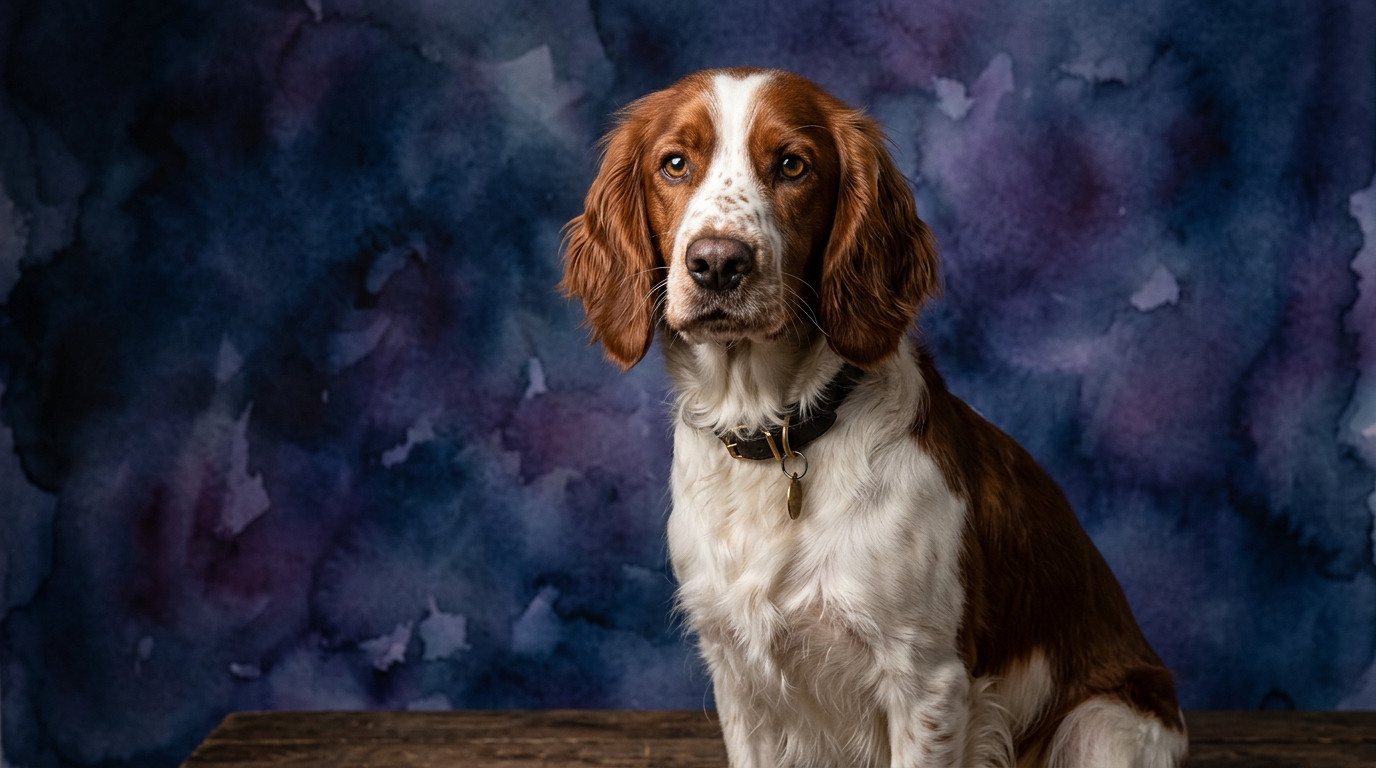
The Welsh Springer Spaniel, a vibrant member of the Sporting group, was developed for flushing and retrieving game birds in diverse terrains. Intriguingly, its IQ Lab profile mirrors the Puli's exactly: 4/5 in Problem Solving, 4/5 in Training Speed, and 4/5 in Memory. For the Welsh Springer, this Problem Solving might manifest in navigating dense cover to locate game or figuring out how to retrieve a fallen bird from challenging spots. Their Training Speed of 4/5 highlights their readiness to learn complex commands and hand signals from a hunter. A strong 4/5 Memory supports their ability to mark falls and remember scent trails. Social Intelligence is 3/5, reflecting their cooperative nature with a handler in the field, attentive to commands yet not overly dependent. Their Instinctive Drive, also 3/5, is geared towards scenting, flushing, and retrieving, a focused energy for their specific hunting tasks. This profile, with a Coren rank of #31, describes a keen, capable partner in the field, eager to collaborate.
Where the Puli Excels Cognitively
Despite identical raw IQ scores, the Puli's higher Coren rank of #25 compared to the Welsh Springer's #31 hints at a subtle advantage in "working intelligence" or obedience in a more general sense. The Puli's 4/5 Problem Solving, when viewed through its herding lens, often means a more proactive and independent approach to tasks. A Puli might assess a situation with a flock and make decisions on its own initiative, demonstrating a capacity for strategic thinking that extends beyond direct command. While both breeds show 4/5 in training speed, the Puli’s historical role demanded that it not just follow orders, but also adapt and improvise without constant human intervention. Their memory of 4/5 is particularly applied to remembering complex patterns of movement and the disposition of individual livestock, allowing them to anticipate and manage, rather than simply react. This independence and self-directed problem-solving, even if scored identically, often translates into a dog that can master intricate sequences and adapt to changing conditions with a strong sense of purpose.
Where the Welsh Springer Spaniel Excels Cognitively
The Welsh Springer Spaniel, while sharing the same IQ scores, excels in a different cognitive domain, particularly in its collaborative application of these abilities. Its 4/5 Problem Solving shines in tasks requiring persistent, focused effort in close partnership with a human, such as meticulously tracking a scent through varied terrain or navigating obstacles to retrieve game. Their 3/5 Social Intelligence, while not the highest, is perfectly calibrated for the nuanced communication required between a hunter and their dog, translating into an eagerness to understand and fulfill a handler's wishes. This breed's 4/5 Training Speed is often driven by a strong desire to please and work alongside their human, making them highly receptive to cooperative training. The Welsh Springer's 3/5 Instinctive Drive is precisely tuned for scent work and retrieving, allowing them to maintain intense focus on a task, like following a trail or finding a hidden object, for extended periods. This combination of focused drive and cooperative social intelligence makes them exceptionally adept at tasks requiring sustained, collaborative effort and keen sensory application.
Training Dynamics: Independence vs. Cooperation
Both the Puli and the Welsh Springer Spaniel boast a 4/5 Training Speed, suggesting a similar capacity to absorb new commands quickly. However, the *ease* of training can differ significantly based on their inherent behavioral tendencies stemming from their breed purposes. The Puli, a herding dog, possesses a strong independent streak. While quick to learn, their 4/5 Problem Solving often means they might question commands or try to find a more "efficient" way if they perceive it. This independence requires a trainer who is patient, consistent, and can channel their cognitive drive into productive outlets, like advanced obedience or agility, rather than trying to suppress their natural inclination to make decisions. Their 3/5 Instinctive Drive for herding can translate into a tendency to "manage" family members or other pets, requiring early socialization and clear boundaries.
In contrast, the Welsh Springer Spaniel, a sporting dog, typically exhibits a stronger desire to work *with* their handler. Their 3/5 Social Intelligence, combined with their training aptitude, often makes them more overtly biddable and eager to please. They thrive on positive reinforcement and collaborative activities. While their 3/5 Instinctive Drive for scenting and retrieving means they can be easily distracted by interesting smells or the opportunity to chase, they are generally keen to return to their handler for direction. For an average owner, the Welsh Springer Spaniel might feel "easier" to train due to this cooperative nature and strong desire for partnership, provided their exercise needs are met to manage their exuberance. The Puli's independence, while a cognitive strength, can present a greater challenge for those seeking a purely compliant companion.
Lifestyle Match: Active Engagement is Key for Both
Neither the Puli nor the Welsh Springer Spaniel are suited for truly relaxed owners, as both possess a significant need for mental stimulation and physical activity, albeit with different focuses. The Puli, with its heritage of managing flocks, requires a "job" to feel fulfilled. Its 4/5 Problem Solving and 3/5 Instinctive Drive mean they need consistent engagement in activities that challenge their mind, such as herding trials, advanced obedience, agility, or complex puzzle toys. Without adequate mental and physical outlets, a Puli can become bored and channel its intelligence into less desirable behaviors, like excessive barking or "herding" children. Owners who appreciate a dog that thinks for itself and enjoys structured, challenging activities will find a Puli a rewarding companion.
The Welsh Springer Spaniel, a sporting breed, is a bundle of energy requiring substantial physical exercise. Their 3/5 Instinctive Drive for scenting and retrieving means they thrive on long walks, runs, hikes, and games of fetch. They are enthusiastic partners for outdoor adventures and field activities. While their 4/5 Training Speed makes them good candidates for dog sports like agility or flyball, their primary need is for vigorous physical activity and opportunities to use their nose. A relaxed owner who cannot provide daily, robust exercise would likely find a Welsh Springer Spaniel overwhelming. Both breeds demand active engagement, but the Puli leans towards mental strategy and structured work, while the Welsh Springer thrives on physical exertion and collaborative outdoor pursuits.
The Verdict
Choose the Puli if you appreciate a dog with an independent, strategic mind, capable of making its own decisions and excelling in complex, structured tasks like herding or advanced obedience, and you are prepared to channel its cognitive drive.
Choose the Welsh Springer Spaniel if you desire an enthusiastic, cooperative partner for active outdoor adventures, field work, and scent-based activities, and you can provide ample physical exercise and collaborative engagement.
🧠 Find Your Pet's IQ Score
Our Pet IQ Lab assessment covers 25+ tests across 5 cognitive dimensions — personalized to your breed.
Take the Full IQ Test →Frequently Asked Questions
Do Puli and Welsh Springer Spaniels bark a lot?
Pulis are known to be vocal, using their bark to alert or manage their flock, which can translate to home life. Welsh Springer Spaniels can also be vocal, particularly when excited or alerting to new sounds, but are generally less prone to incessant barking than some other sporting breeds if well-exercised.
Are Puli or Welsh Springer Spaniels good with children?
Both breeds can be good with children, especially if raised with them and properly socialized. Pulis might try to "herd" children due to their instincts, requiring supervision and training. Welsh Springer Spaniels are generally playful and affectionate, but their exuberance might be too much for very young children.
Which breed is more prone to separation anxiety?
While individual temperament varies, both breeds thrive on companionship and can develop separation anxiety if left alone for extended periods without adequate mental and physical stimulation. The Welsh Springer's strong desire for companionship might make them slightly more prone, but a Puli's need for a "job" also means boredom can lead to destructive behaviors when alone.