Side-by-Side Cognitive Profiles: Puli vs. Westie
To truly understand the mental landscape of these two distinct breeds, The Cosmic Pet Pet IQ Lab delves into five key dimensions of canine intelligence, providing a detailed breakdown for both the Puli and the West Highland White Terrier.
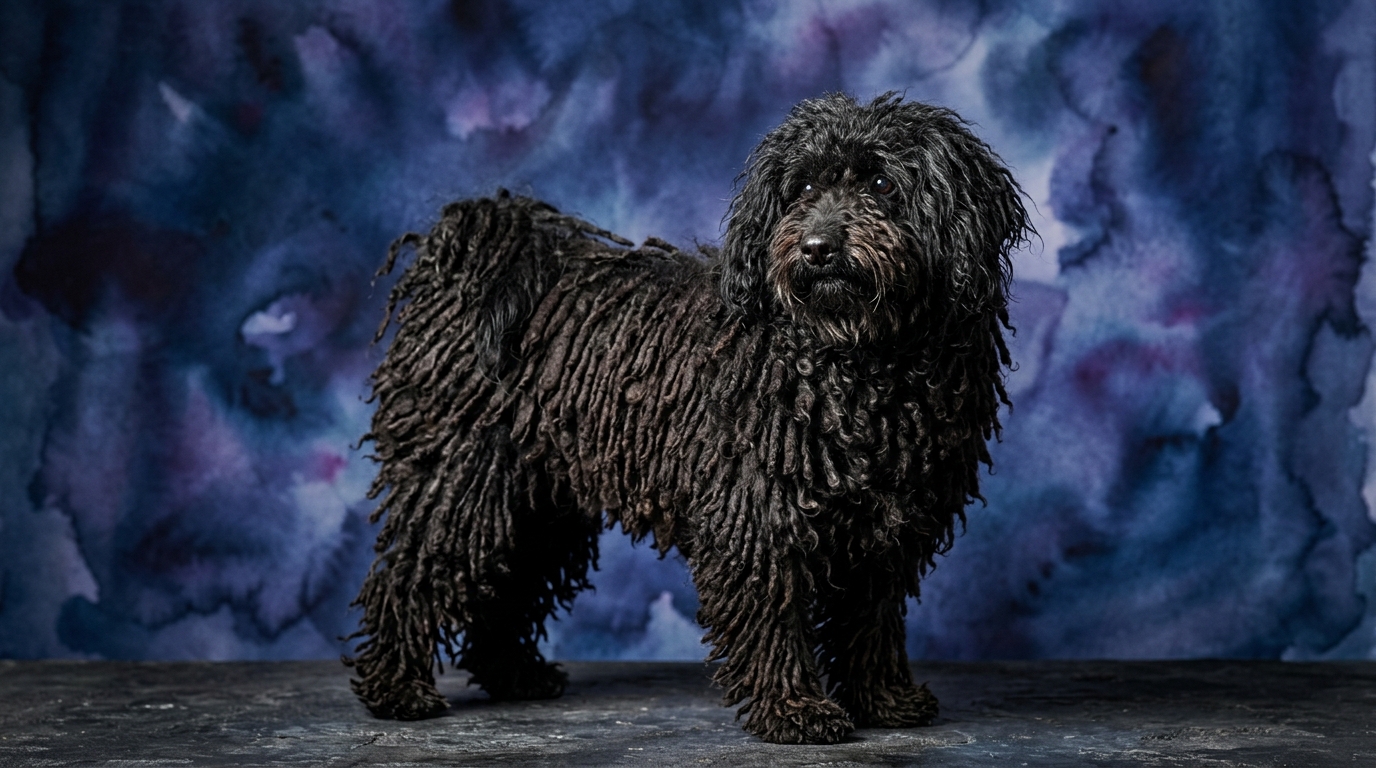
**Puli (Herding Group, Coren Rank #25)**: This Hungarian herding dog showcases a robust cognitive makeup. Its **Problem Solving (4/5)** ability is marked by independent thought and creative solutions, a trait honed by centuries of managing livestock without constant human direction. Pulis demonstrate cognitive flexibility, adapting swiftly to novel situations and devising strategies to achieve objectives. Their **Training Speed (4/5)** is impressive; they grasp new commands and routines with relatively few repetitions, reflecting a strong work ethic and an ability to form quick associations between actions and outcomes. In terms of **Social Intelligence (3/5)**, Pulis possess a moderate level of perceptiveness, understanding human cues and intentions, though their primary focus is often on their core family unit. Their independent nature means they might not always prioritize intricate social navigation. The Puli's **Instinctive Drive (3/5)** is rooted in herding, manifesting as a desire to gather and control, but it is generally manageable in a domestic setting with appropriate outlets. Finally, their **Memory (4/5)** is strong, allowing them to retain learned behaviors, commands, and past experiences over extended periods, contributing significantly to their training retention and navigation of familiar environments.
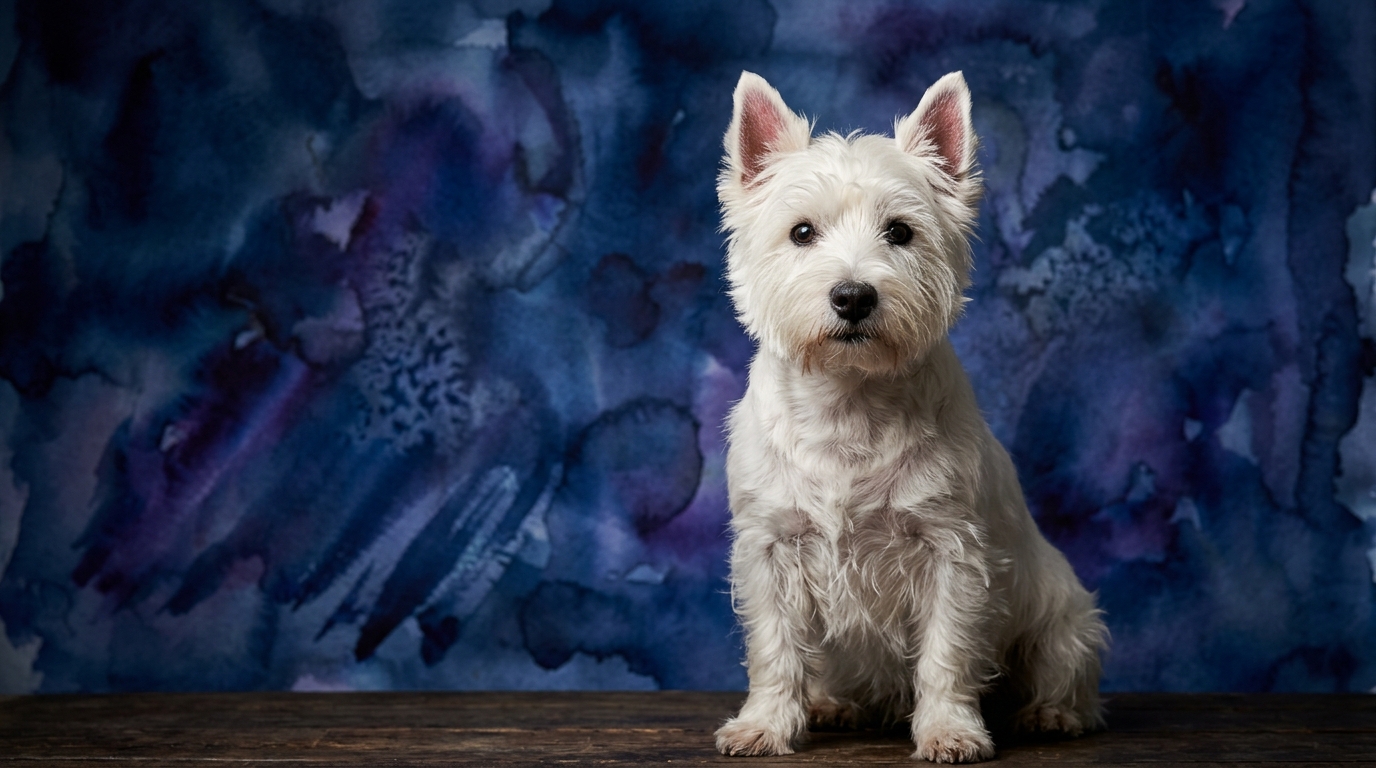
**West Highland White Terrier (Terrier Group, Coren Rank #47)**: The Westie, a Scottish earthdog, approaches cognition with a different set of strengths. Its **Problem Solving (3/5)** is characterized by determination and a trial-and-error approach, often relying on innate tenacity rather than complex strategic planning. Their solutions are typically direct and persistent, reflecting their heritage of independently tackling quarry. Regarding **Training Speed (3/5)**, Westies are capable learners but can sometimes require a moderate number of repetitions to solidify new commands, influenced by their independent streak and occasional strong-willed nature. Consistency and positive reinforcement are paramount. Their **Social Intelligence (3/5)** is moderate; they interact well with their immediate family and recognize various human emotional states, often displaying confident assertiveness that occasionally tests boundaries. The Westie's **Instinctive Drive (3/5)** is pronounced, encompassing digging, chasing small prey, and asserting themselves, which requires careful management and redirection in a home environment. This drive is powerful and deeply ingrained. Their **Memory (4/5)** is good, allowing them to remember commands, routines, and experiences effectively, aiding in their overall trainability and adaptation to household rules.
Where the Puli Exhibits Cognitive Advantages
The Puli’s cognitive strengths become particularly evident in areas requiring abstract reasoning and strategic planning. With a problem-solving score of 4/5, Pulis often demonstrate a superior capacity to assess situations, predict potential outcomes, and adjust their actions more readily than the Westie, whose problem-solving is often more direct. This manifests in tasks requiring multi-step solutions or nuanced decision-making, where the Puli might devise a more efficient, less brute-force path. Their quicker acquisition of new commands and routines, reflected in a training speed of 4/5, suggests a greater cognitive efficiency in forming associations and understanding human intent within a structured learning environment. A Puli might generalize a learned behavior to a new context faster or pick up a complex sequence of actions with fewer repetitions, indicating a more readily engaged and flexible learning aptitude.
Where the West Highland White Terrier's Cognition Shines
While the Puli excels in strategic thought, the West Highland White Terrier demonstrates a different, equally valuable kind of cognitive application: relentless focus and determination in the face of a singular goal. Although their problem-solving is rated 3/5, this doesn't diminish their effectiveness; rather, it highlights a cognitive style built on unyielding persistence, particularly when pursuing a perceived 'prey' or overcoming a physical barrier. This tenacity, a cornerstone of their terrier heritage, allows them to achieve objectives through sheer will where other breeds might give up. Their instinctive drive, while rated similarly to the Puli's, is channeled into a laser-like focus on specific tasks like digging or hunting, requiring a specialized cognitive processing that overrides distractions and maintains intense concentration on a target. This specialized cognitive application makes them exceptionally effective in their traditional roles, showcasing a mental fortitude uniquely suited to their purpose.
Training Dynamics: Puli vs. Westie
When it comes to training, the Puli generally presents an easier experience due to its higher scores in both problem-solving and training speed. Their herding background instilled a desire to cooperate and respond to direction, making them more inclined to follow human cues. Real behavioral differences include a Puli's tendency to observe and learn from its handler, often anticipating commands, and its readiness to engage in repetitive drills without significant resistance. They typically find satisfaction in performing tasks correctly and are eager to engage in the collaborative process of learning, streamlining the training journey.
In contrast, the West Highland White Terrier, while capable and possessing a good memory, can be more challenging to train. Their terrier independence means they often prioritize their own agenda, which might include investigating an interesting scent or digging, over immediate compliance. Training a Westie often requires more patience, creativity, and finding ways to make learning intrinsically rewarding for them, rather than relying solely on their desire to please. Their strong instinctive drive for chasing and digging can easily override commands if not managed with consistent, engaging training methods, demanding a trainer who can make learning a compelling game.
Matching Breeds to Lifestyles: Active vs. Relaxed Owners
For **active owners** seeking a deeply engaged canine partner, both breeds offer unique rewards. The Puli thrives with owners who relish a highly intellectually stimulating relationship, enjoy advanced training, and can provide consistent mental and physical challenges to satisfy a keen, strategic mind. They excel in activities like agility, obedience, and interactive games that tap into their problem-solving abilities. The Westie, for active owners, needs consistent exercise to manage their energetic nature and strong drives. They enjoy vigorous walks, playtime, and opportunities for 'hunting' games, and their tenacity can be channeled into sports like earthdog trials or long hikes, providing the specific mental and physical stimulation they crave.
For **relaxed owners**, the suitability differs. The Puli is generally not ideal for truly relaxed owners, as their significant cognitive and physical needs can lead to destructive behaviors if unmet. A relaxed owner might find their intelligence and energy overwhelming without dedicated engagement. The Westie can adapt to a slightly less intense activity schedule than a Puli, provided their needs for mental engagement and some physical exercise are consistently met. They are generally content with regular walks and indoor play. A relaxed owner who enjoys consistent, moderate activity and can provide structured mental challenges (puzzle toys, short training sessions) might find a good match, though they must be prepared for their independent streak and occasional assertiveness.
The Verdict
Choose the Puli for owners who relish a highly engaged, intellectually stimulating canine partnership, enjoy advanced training, and can provide consistent mental and physical challenges to satisfy a keen, strategic mind.
Choose the West Highland White Terrier for individuals who appreciate an independent, spirited companion with tenacious determination, are prepared for consistent, patient training, and enjoy a confident dog that thrives on moderate activity and engaging play.
🧠 Find Your Pet's IQ Score
Our Pet IQ Lab assessment covers 25+ tests across 5 cognitive dimensions — personalized to your breed.
Take the Full IQ Test →Frequently Asked Questions
Do Pulis or Westies bark more?
Pulis, in their role as herders, often use barking to manage flocks and alert their owners, making them prone to being vocal. Westies also have a tendency to bark, particularly at perceived intruders or small animals, reflecting their alert terrier nature. Both breeds require consistent training to manage barking habits.
Are Pulis or Westies better with children?
Pulis can be excellent with older, respectful children, often exhibiting a protective but gentle nature once they consider them part of their flock. Westies, with their spirited and confident personalities, can also do well with children, especially those who understand how to interact appropriately with a tenacious terrier. Supervision is always essential with any dog and child.
Which breed sheds less, Puli or Westie?
The Puli's corded coat, while requiring unique grooming, sheds minimally once cords are fully formed. The West Highland White Terrier, with its double coat, sheds moderately, though regular brushing can help manage loose hair. Neither breed is entirely non-shedding, but the Puli's shedding is less noticeable.