Side-by-Side IQ Profile: Puli vs. Xoloitzcuintli
The Cosmic Pet Pet IQ Lab utilizes five key dimensions to assess the cognitive strengths of our canine companions. These metrics provide a nuanced understanding beyond simple obedience, reflecting how a breed perceives, processes, and interacts with its world.
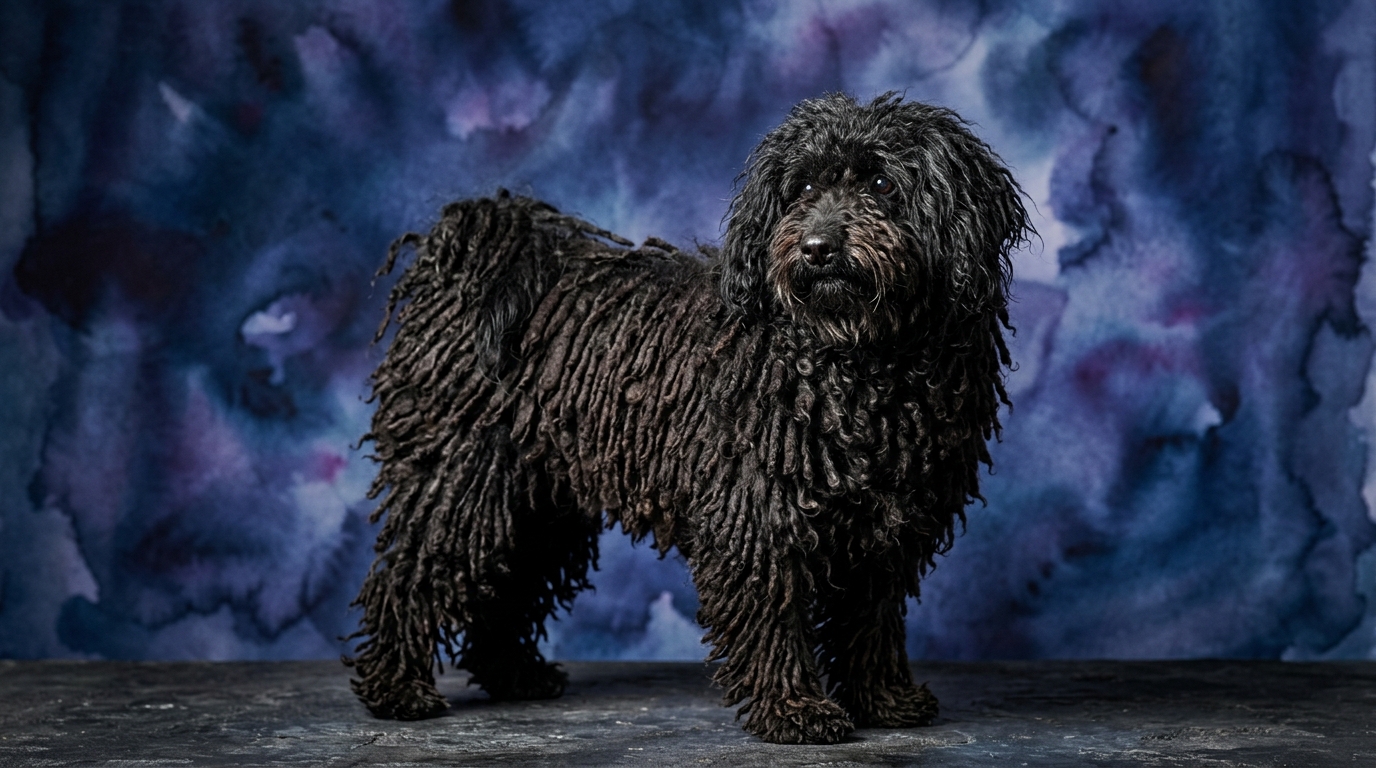
The Puli, a Hungarian herding dog, registers a Coren rank of #25, placing it among breeds recognized for their working and obedience capabilities. Its cognitive breakdown includes:
Problem Solving (4/5): The Puli demonstrates a robust capacity for navigating complex situations and devising solutions. This score reflects their innate ability to assess environmental challenges, learn from experience, and apply creative thought to overcome obstacles, a trait honed by centuries of herding work requiring independent decision-making.
Training Speed (4/5): Their quick uptake of new commands and routines indicates a strong aptitude for learning efficiency. Pulis typically grasp concepts swiftly, processing instructions and associating actions with desired outcomes with relatively few repetitions, making them responsive students in structured training environments.
Social Intelligence (3/5): This breed exhibits a discerning approach to social interactions, capable of reading cues but often preferring a close circle of familiar individuals. While they connect deeply with their primary caregivers, their social awareness outside this bond can be more reserved, reflecting a cautious disposition rather than a lack of understanding.
Instinctive Drive (3/5): Pulis possess a moderate yet persistent drive rooted in their herding heritage. This manifests as a natural inclination to gather, organize, and control, which, while not as intense as some high-drive working breeds, still requires outlets for channeling this inherent behavioral pattern.
Memory (4/5): Their capacity for recall is substantial, allowing them to retain learned behaviors, recognize individuals, and remember past experiences over considerable periods. This strong memory contributes significantly to their training retention and ability to navigate familiar environments with confidence.
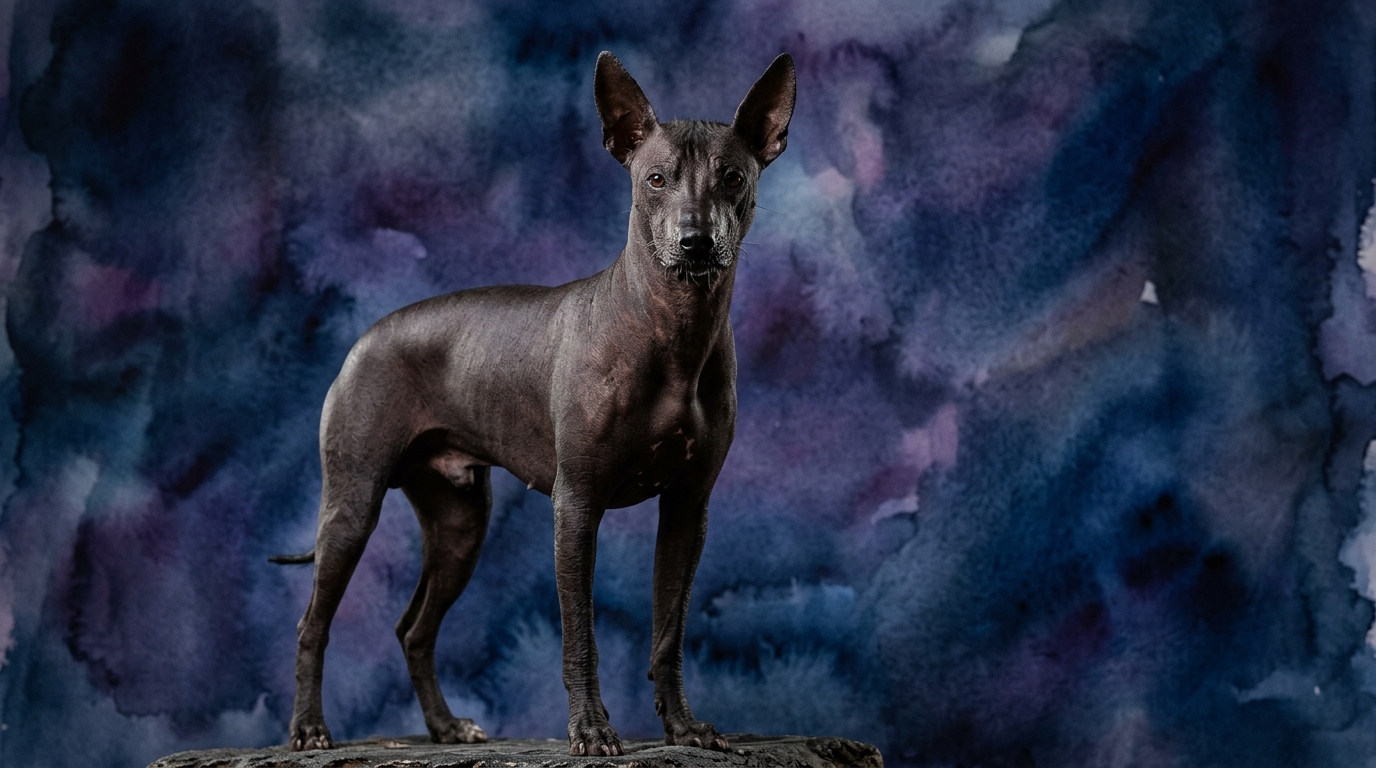
The Xoloitzcuintli, an ancient Mexican breed from the Non-Sporting group, is not Coren-ranked, suggesting a different cognitive emphasis rather than a deficiency. Its profile reveals a consistent and balanced set of traits:
Problem Solving (3/5): The Xoloitzcuintli approaches novel challenges with a practical, albeit less inventive, mindset. Their problem-solving typically relies on learned strategies and direct application rather than extensive spontaneous innovation, indicating a steady but not exceptionally exploratory cognitive style.
Training Speed (3/5): Xolos absorb new information at a moderate pace, requiring consistent and patient instruction to solidify commands and routines. While capable of learning, they may not exhibit the rapid comprehension seen in breeds specifically developed for intricate obedience tasks, preferring a more measured learning curve.
Social Intelligence (3/5): Similar to the Puli, Xolos display a selective social nature, forming profound bonds with their inner circle and observing strangers with a composed detachment. Their social intelligence is characterized by loyalty and a quiet understanding within their chosen family, often expressing wariness towards the unfamiliar.
Instinctive Drive (3/5): This breed carries a moderate instinctive drive, often manifesting as a protective instinct towards their family and territory rather than a strong urge for specific tasks like herding or hunting. Their drive is generally manageable, translating into a desire for companionship and security.
Memory (3/5): Xoloitzcuintli possess a functional memory that supports their daily routines and recognition of people and places. While they retain information effectively for practical purposes, their recall may not reach the same depth or detail as breeds with a higher score, requiring occasional refreshers for less frequently practiced skills.
Where Puli Wins Cognitively
The Puli’s cognitive profile clearly demonstrates an edge in several key areas. Their superior Problem Solving score of 4/5, compared to the Xolo’s 3/5, means a Puli is more adept at independently figuring out complex situations, whether it's navigating a novel obstacle course or devising a way to access a desired object. This cognitive flexibility allows them to adapt strategies and learn from trial and error with greater efficiency, a hallmark of their herding heritage where quick, on-the-spot decisions were paramount.
Furthermore, the Puli’s Training Speed, also at 4/5 versus the Xolo’s 3/5, signifies a quicker uptake of new commands and routines. They process information and form associations between cues and actions more rapidly, making them highly responsive students. This translates into fewer repetitions needed to solidify a behavior, allowing for faster progression in obedience, agility, or other dog sports. Their higher Memory score (4/5 versus 3/5) complements this, ensuring that learned behaviors and environmental knowledge are retained more robustly over time, reducing the need for frequent refreshers and building a more comprehensive mental map of their world. This combination of faster learning and stronger retention makes the Puli a cognitively eager participant in various activities.
Where Xoloitzcuintli Wins Cognitively
While the Puli exhibits higher scores in several specific cognitive dimensions, the Xoloitzcuintli’s strengths lie in a balanced and self-contained cognitive profile that offers distinct advantages for certain lifestyles. Their consistent 3/5 across problem-solving, training speed, and memory suggests a cognitive makeup that is functional and adaptable without being overtly demanding or prone to overstimulation. This balance can be a significant 'win' for owners seeking a companion whose intellect is present and reliable, yet not constantly seeking intense engagement.
The Xolo's moderate instinctive drive (3/5) means they are less likely to exhibit overwhelming urges for specific tasks like intense herding or hunting, which can be a cognitive benefit for urban or less active households. This translates into a companion that, while protective and alert, is generally content with companionship and does not require constant redirection of powerful innate drives. Furthermore, their social intelligence (3/5) often manifests as a discerning loyalty, making them selective in their affections and less prone to indiscriminate friendliness. This cognitive trait means they form deep, meaningful bonds with their chosen family, acting as thoughtful observers and guardians rather than overly eager socialites, which can be a preferred trait for those valuing a more independent and selective companion.
Which is Easier to Train and Why
Based on their respective IQ profiles, the Puli generally presents as the easier breed to train. Their 4/5 score in Training Speed directly indicates a faster grasp of new commands and a greater eagerness to engage in structured learning. Pulis, with their background in herding, developed a capacity for working collaboratively with a handler, often anticipating cues and demonstrating a strong desire to perform tasks. Their superior problem-solving skills also mean they can more readily generalize learned behaviors to new contexts and adapt to variations in training scenarios.
The Xoloitzcuintli, scoring 3/5 in Training Speed, requires a more patient and consistent approach. While certainly trainable, their inherent independence means they might not always perceive the immediate 'point' of a command if it doesn't align with their intrinsic motivations. Training a Xolo benefits greatly from positive reinforcement, short sessions, and making the learning process engaging and rewarding. They learn steadily, but perhaps not with the same enthusiastic pace or innate desire to please that often characterizes a Puli’s learning style, requiring the owner to be a more creative and persistent motivator.
Suitability for Active vs. Relaxed Owners
The cognitive profiles of these two breeds offer clear guidance for owners with differing lifestyle preferences. For active owners who thrive on engagement and mental stimulation, the Puli is an ideal match. Their higher problem-solving aptitude (4/5) and training speed (4/5), coupled with a moderate but present instinctive drive (3/5), mean they flourish when given tasks that challenge their intellect and allow them to utilize their natural abilities. Activities like advanced obedience, agility, herding games, or even complex puzzle toys are not just beneficial but often necessary to keep a Puli mentally satisfied. An under-stimulated Puli might channel its robust cognitive energy into less desirable behaviors, such as creatively finding ways to entertain itself.
Conversely, the Xoloitzcuintli, with its consistent 3/5 across all cognitive dimensions, is better suited for more relaxed owners who appreciate a self-contained and discerning companion. While Xolos enjoy regular exercise and companionship, their instinctive drive is less intense, and their problem-solving tends to be more practical and less persistently exploratory. They are content with regular walks, quality time with their family, and a more predictable routine, without the constant need for novel mental challenges. Their discerning social intelligence also means they are not perpetually seeking external validation or interaction, making them a comfortable presence for owners who prefer a calmer, less demanding canine dynamic.
The Verdict: When to Choose Each Breed
The Verdict
Opt for a Puli if you seek a highly engaged companion eager to tackle mental challenges, excels in rapid learning, and thrives on consistent, stimulating interaction and tasks that tap into their robust problem-solving skills.
Select a Xoloitzcuintli if you prefer a self-possessed, discerning companion whose moderate cognitive demands align with a relaxed lifestyle, valuing deep, selective bonds and a steady, predictable learning pace over intense, continuous mental work.
🧠 Find Your Pet's IQ Score
Our Pet IQ Lab assessment covers 25+ tests across 5 cognitive dimensions — personalized to your breed.
Take the Full IQ Test →Frequently Asked Questions
Do Pulis require more mental stimulation than Xoloitzcuintli?
Yes, Pulis generally require more consistent mental engagement due to their higher problem-solving and training speed scores. Their herding background means they thrive on tasks that challenge their intellect and provide a sense of purpose, whereas Xolos are often content with moderate mental activity.
How does the Xolo's social intelligence compare to the Puli's?
Both breeds score 3/5 in social intelligence, indicating a discerning nature. Xolos tend to be reserved with strangers and deeply loyal to their family, while Pulis can also be cautious but often express their social awareness through more active observation of their environment and people.
Is the Xolo's lack of a Coren rank significant for its intelligence?
Not necessarily. The Coren ranking primarily assesses working intelligence, which often aligns with breeds developed for specific tasks. The Xolo's cognitive profile, while not emphasizing rapid obedience, highlights a balanced and adaptable intelligence that serves its role as a companion and guardian effectively.