A Side-by-Side Cognitive Profile
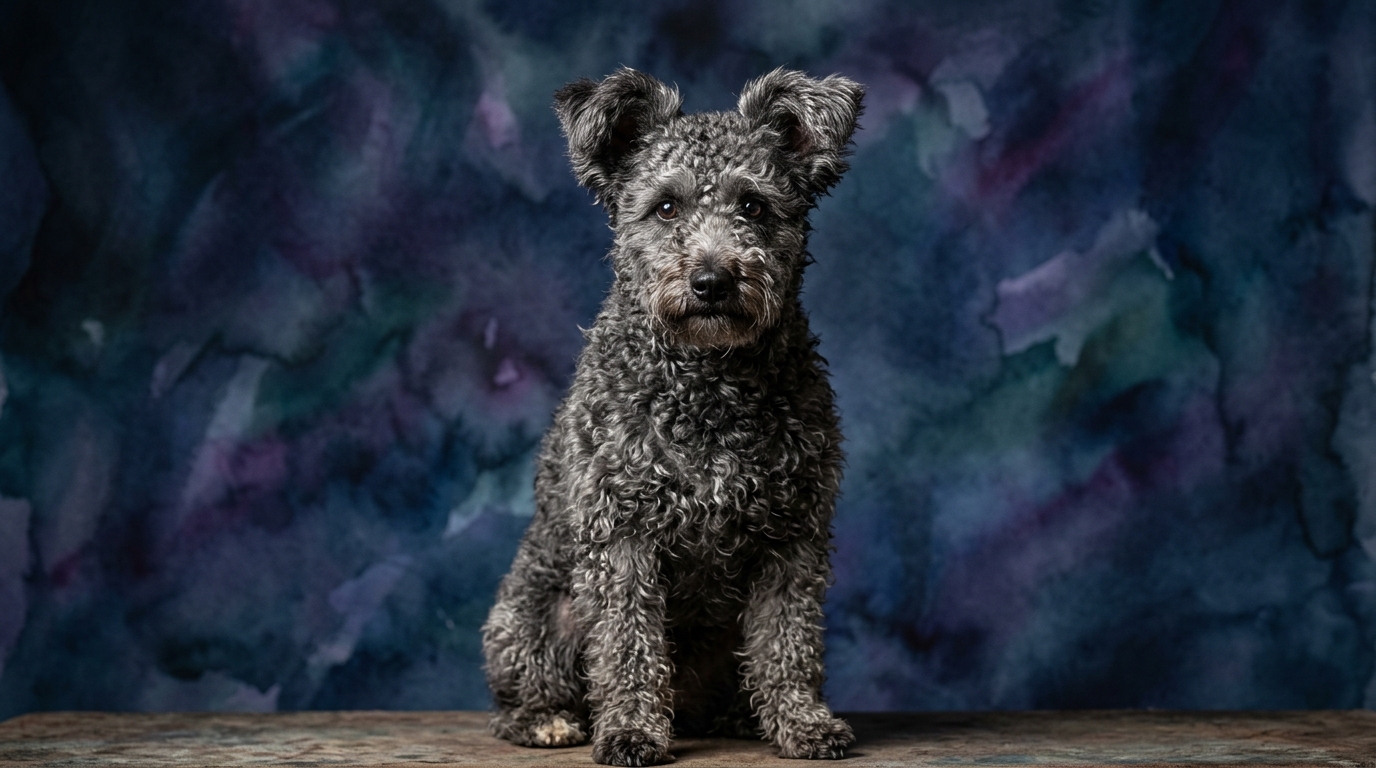
The Cosmic Pet Pet IQ Lab provides a unique lens through which to examine the distinct cognitive strengths of these two breeds. The Pumi, a lively Hungarian herding dog, registers a balanced profile across the board: problem Solving 3/5, training Speed 3/5, social Intelligence 3/5, instinctive Drive 3/5, and memory 3/5. This consistent scoring suggests a well-rounded and adaptable mind, particularly suited to dynamic, real-time decision-making inherent in herding tasks. Its moderate scores indicate a dog that is neither overwhelmingly specialized nor lacking in any core cognitive area, providing a versatile companion.
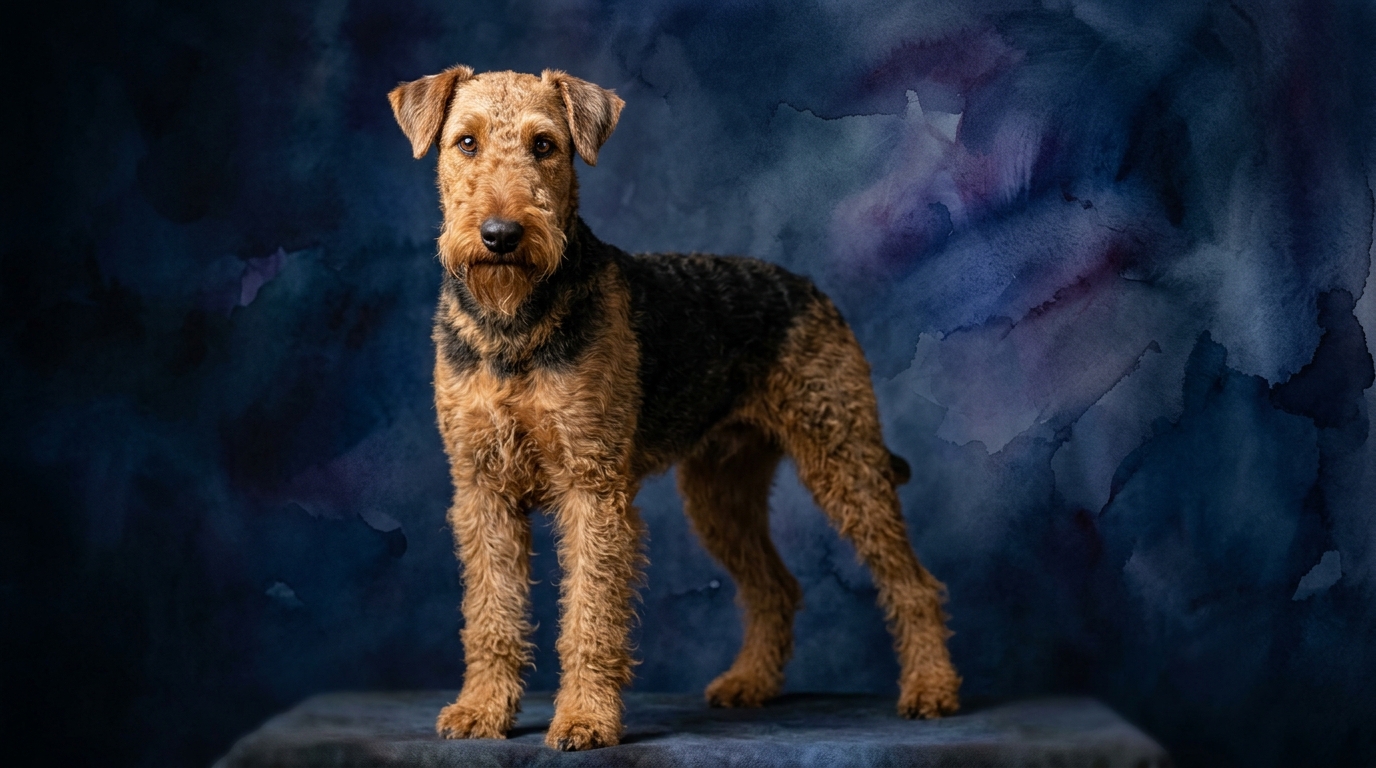
In contrast, the Airedale Terrier, often called the 'King of Terriers' and ranked #29 by Coren, presents a profile with more pronounced peaks. It scores problem Solving 4/5, training Speed 4/5, social Intelligence 3/5, instinctive Drive 3/5, and memory 4/5. The Airedale's higher marks in problem-solving, training speed, and memory point to a dog capable of complex learning, strategic thinking, and strong retention of information. While its social intelligence and instinctive drive match the Pumi's at 3/5, its sharper cognitive tools in other areas reflect its history as an independent hunter and versatile working dog.
Where the Pumi Excels Cognitively
While the Airedale Terrier generally scores higher in raw cognitive metrics, the Pumi's strengths lie in the *application* and *balance* of its abilities, particularly in dynamic, fluid environments. A Pumi's 3/5 in problem-solving, training speed, and memory, when viewed through its herding heritage, implies a mind that prioritizes quick, intuitive responses over deep, deliberate strategizing. This breed excels at reading situations on the fly, making instantaneous adjustments, and responding with agility—a critical skill when managing livestock that requires constant, nuanced interaction.
Its consistent 3/5 across all five dimensions suggests a highly adaptable and integrated cognitive system. The Pumi isn't prone to overthinking or getting stuck on a single approach; instead, it offers a flexible intellect that can pivot rapidly, learning new situations and applying past experiences efficiently. This makes the Pumi a superb partner for tasks requiring constant communication and immediate feedback, where a dog that is 'too smart' in one area might become single-minded. Its balanced instinctive drive further supports its ability to engage with tasks without becoming overly fixated, allowing for a responsive partnership.
Where the Airedale Terrier Excels Cognitively
The Airedale Terrier's cognitive profile showcases clear advantages in areas demanding sustained mental effort and strong recall. Its 4/5 in problem-solving indicates a dog that approaches challenges with tenacity and a capacity for devising solutions, often through trial and error or by remembering past successes. This trait is a hallmark of its terrier lineage, where independent hunting required dogs to figure things out on their own, often without direct human guidance. They are not easily deterred by obstacles and will methodically work through puzzles.
Furthermore, the Airedale's 4/5 in training speed and memory means it can grasp new commands and complex sequences with notable rapidity and retain them over long periods. This makes them excellent candidates for advanced obedience, agility, or scent work where a large repertoire of learned behaviors and the ability to recall them precisely are paramount. Their strong memory also aids in pattern recognition and understanding routines, allowing them to anticipate events and learn from past experiences more effectively than many breeds. This combination of persistence and recall makes them formidable learners when properly motivated and engaged.
Which Is Easier to Train and Why
When considering ease of training, the Airedale Terrier generally holds an edge due to its higher scores in training speed (4/5) and memory (4/5). These metrics suggest that an Airedale will typically pick up new commands and behaviors faster and retain them more reliably than a Pumi (3/5 in both categories). An Airedale's capacity for complex learning means it can progress quickly through advanced training curricula, mastering intricate sequences and a broad vocabulary of cues. Their strong problem-solving can also translate into a desire to 'figure out' what you want, aiding in the learning process.
However, 'easier' is a nuanced term, as the Airedale's independent terrier spirit and high problem-solving (4/5) can sometimes manifest as stubbornness or a propensity to find creative, sometimes undesirable, solutions if training isn't consistently engaging and rewarding. The Pumi, with its 3/5 training speed, might take a little longer to initially grasp concepts, but its inherent desire to work cooperatively with its handler, stemming from its herding background, can make it highly biddable once a bond is established. While the Pumi may not learn at the Airedale's pace, its balanced instinctive drive and social intelligence can make it a more consistently eager and less independently-minded trainee, provided it receives adequate mental and physical stimulation to prevent boredom.
Which Suits Active Owners vs. Relaxed Owners
Neither the Pumi nor the Airedale Terrier are suitable companions for truly 'relaxed' or sedentary owners; both breeds demand significant mental and physical engagement. For owners seeking a partner in high-energy, dynamic activities, the Pumi offers a unique blend of agility and responsiveness. Its balanced cognitive profile, particularly its quick-thinking problem-solving (3/5) and adaptable training speed (3/5), makes it an excellent fit for dog sports like agility, flyball, and competitive obedience, where rapid changes and immediate responses are key. Pumi owners should be prepared to offer consistent mental challenges and outlets for their breed's natural herding instincts, which thrive on structured work and a sense of purpose.
The Airedale Terrier, with its higher problem-solving (4/5) and memory (4/5), thrives with owners who can provide vigorous exercise combined with complex mental stimulation. These dogs excel in activities requiring persistence, strategic thinking, and strong recall, such as scent work, tracking, or advanced obedience. Owners must be ready to channel the Airedale's formidable intellect into constructive tasks, as boredom can lead to inventive, often destructive, self-entertainment. An Airedale requires an owner who appreciates and can manage a dog with a strong will and a deep capacity for independent thought, ensuring their cognitive prowess is directed positively rather than becoming a source of frustration.
The Verdict
Choose the Pumi if you seek a highly adaptable, agile, and responsive partner for dynamic dog sports or a versatile family companion who thrives on consistent, interactive engagement and quick decision-making.
Opt for the Airedale Terrier if you are prepared for a tenacious, intelligent companion capable of complex learning and strategic thinking, excelling in tasks requiring strong memory and persistent problem-solving.
🧠 Find Your Pet's IQ Score
Our Pet IQ Lab assessment covers 25+ tests across 5 cognitive dimensions — personalized to your breed.
Take the Full IQ Test →Frequently Asked Questions
Are Pumis good for first-time dog owners?
Pumis can be suitable for first-time owners who are committed to providing consistent training, ample mental stimulation, and plenty of exercise. Their balanced intelligence and desire to work can make them rewarding, but their herding instincts require guidance.
Do Airedale Terriers bark a lot?
Airedale Terriers can be vocal, using their barks to alert, express excitement, or communicate. Their problem-solving intelligence might lead them to 'figure out' that barking gets attention, so consistent training is essential to manage this behavior effectively.
Which breed is better with children, Pumi or Airedale Terrier?
Both breeds can be good with children when properly socialized and trained from a young age. Pumis might have a tendency to 'herd' children, which requires gentle redirection, while Airedales, with their robust nature, need supervision to ensure interactions are respectful from both sides.