A Side-by-Side Look at Cognitive Profiles
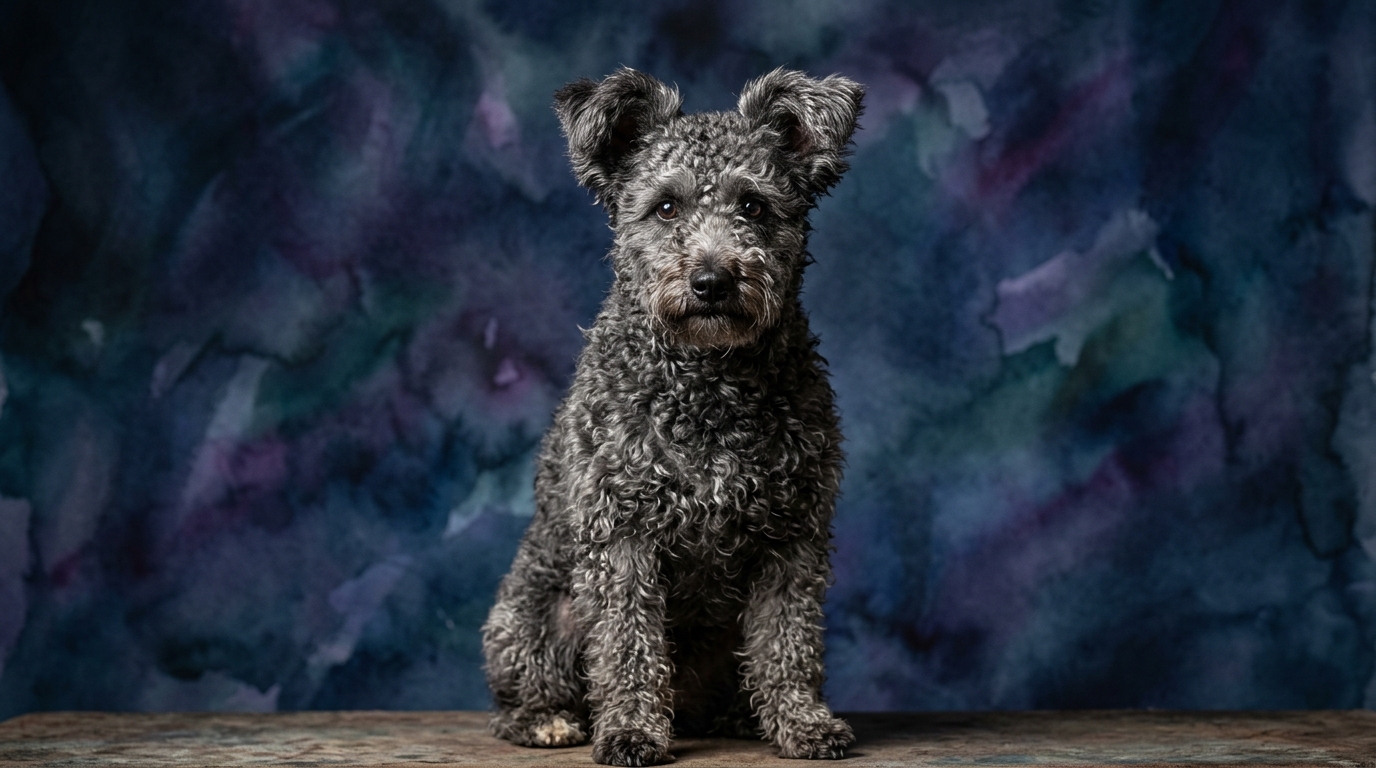
The Pumi's cognitive profile, with a consistent 3/5 across all five dimensions, reflects a balanced and adaptable mind, characteristic of its herding heritage. Their problem-solving (3/5) often manifests as practical ingenuity in managing livestock, demonstrating an ability to assess dynamic situations and react effectively. Training speed (3/5) indicates they absorb new commands steadily, thriving on consistency and clear guidance, eager to engage. Social intelligence (3/5) for a Pumi means they are attuned to human cues within a working partnership, forming strong bonds. Their instinctive drive (3/5) is strongly rooted in herding, providing robust motivation for structured activities. Memory (3/5) allows them to retain complex sequences of commands and routines, essential for effective herding tasks over time.
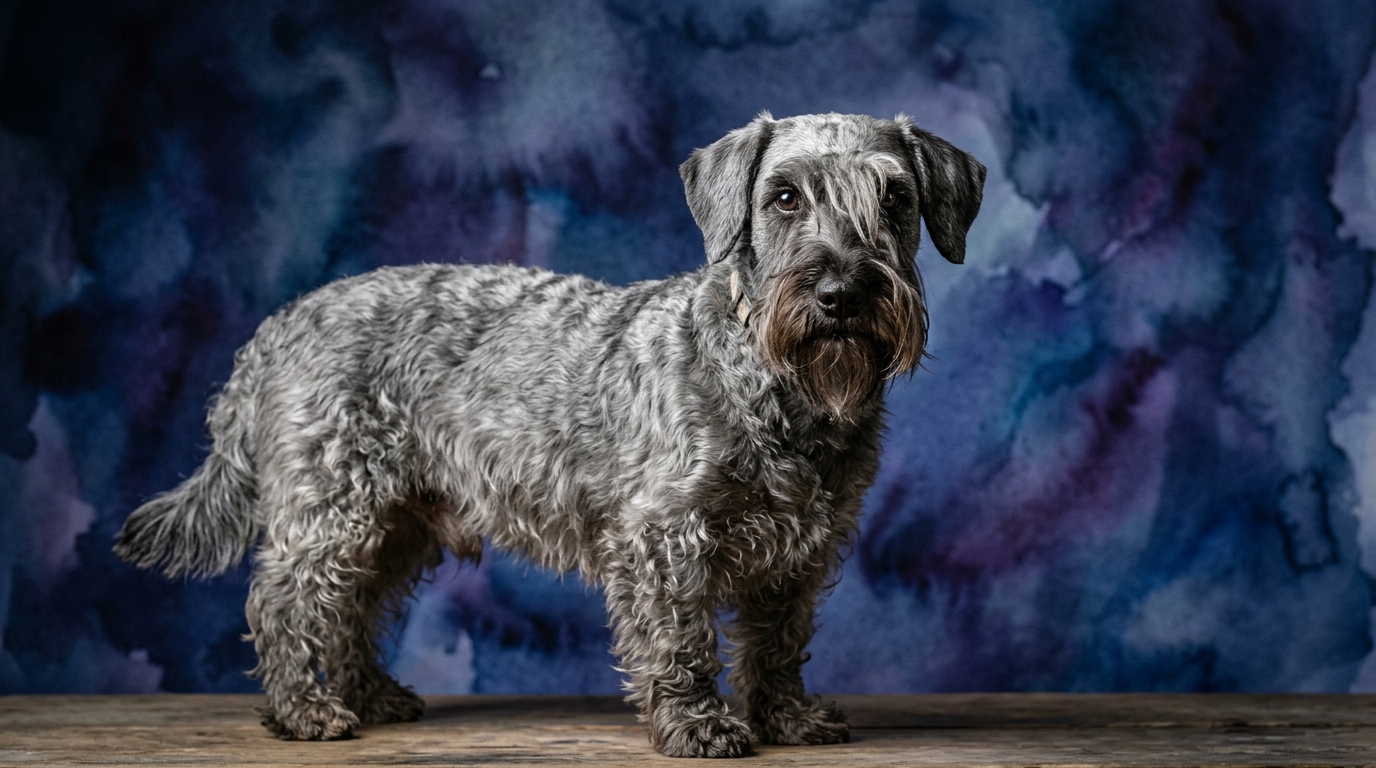
The Cesky Terrier also registers a solid 3/5 across all IQ dimensions, yet their cognitive expression is distinctly terrier. Their problem-solving (3/5) typically involves tenacious investigation and physical manipulation, such as figuring out how to access a scent or dig under an obstacle. Training speed (3/5) suggests they learn new tasks moderately, but their independent nature demands engagement and motivation. Social intelligence (3/5) for a Cesky often translates to loyalty within their family and a discerning approach to strangers. Their instinctive drive (3/5) is powerfully geared towards scent work, digging, and pursuing small prey, providing deep internal motivation for exploration. Memory (3/5) serves them well in recalling important scent trails or locations of perceived 'treasures'.
Where the Pumi Demonstrates Distinct Cognitive Strengths
While both breeds score identically, the Pumi’s cognitive framework is optimized for collaboration and dynamic responsiveness, traits inherent to their herding role. Their problem-solving (3/5) shines in scenarios requiring cooperation with a handler to achieve a common goal, like guiding livestock or navigating an agility course. This capacity for intricate communication and memory (3/5) for sequential tasks allow them to master multi-step commands reliably, a specific cognitive advantage for a dog expected to perform a "job" alongside a human. The Pumi's instinctive drive (3/5) is channeled into a desire for purpose and controlled activity, making them cognitively "tuned" for structured engagement.
Where the Cesky Terrier's Mind Excels
The Cesky Terrier's cognitive prowess, though also rated 3/5, lies in its independent problem-solving and self-motivated persistence, characteristic of a working terrier. Their problem-solving manifests as a determined, often physical, approach to overcoming obstacles, whether finding a way through a hedge or unearthing a hidden toy. This requires practical cognition focused on immediate environmental challenges, driven by their curiosity and strong instinctive drive (3/5) for scent and exploration. Their memory (3/5) excels at remembering locations of interest or scent trails, crucial for their historical role. This self-reliance is a cognitive strength for a dog bred to work alone, making independent decisions.
Training Dynamics: Pumi's Eagerness vs. Cesky's Independence
When considering trainability, the Pumi generally presents as more amenable to formal instruction due to its herding background. Their training speed (3/5) is supported by a natural eagerness to please and a cognitive predisposition for working in partnership. Pumis respond well to positive reinforcement and consistent methods, often finding joy in mastering new commands and engaging in structured activities like obedience or agility. The Cesky Terrier, conversely, requires a different training approach. While their training speed is also 3/5, their independent terrier spirit means they are less inherently driven to conform purely for human approval. Training a Cesky often involves making the process highly engaging and rewarding, appealing to their instinctive drives rather than solely relying on biddability. Real behavioral differences include the Pumi's tendency to respond to directional cues versus the Cesky's inclination to follow a scent or dig, requiring owners to harness these innate behaviors creatively.
Matching Cognitive Profiles to Owner Lifestyles
The Pumi's cognitive makeup makes them an excellent fit for active owners who relish a collaborative relationship. Their balanced IQ profile, particularly their problem-solving and memory applied in structured contexts, means they thrive when given a "job" or regular mental challenges. Owners who enjoy dog sports, advanced obedience, or daily training sessions will find the Pumi a willing and capable partner. They need consistent mental stimulation to prevent boredom. The Cesky Terrier, with its independent yet capable mind, suits owners who appreciate a dog with character and a strong sense of self. While not couch potatoes, their activity needs can be met with regular walks, scent work, and supervised exploration, rather than constant, high-intensity human-directed tasks. Owners who enjoy a dog that can entertain itself and isn't constantly seeking direction will appreciate the Cesky. They benefit from outlets for their instinctive drives (3/5).
The Verdict
Choose the Pumi if you seek a highly engaged, collaborative partner for dog sports, advanced training, or an active lifestyle where consistent mental stimulation and a clear "job" are provided.
Opt for the Cesky Terrier if you appreciate a dog with an independent spirit, a strong sense of self, and the tenacity to solve problems on their own terms, suitable for an owner who enjoys providing outlets for natural terrier drives without demanding constant partnership.
🧠 Find Your Pet's IQ Score
Our Pet IQ Lab assessment covers 25+ tests across 5 cognitive dimensions — personalized to your breed.
Take the Full IQ Test →Frequently Asked Questions
Are Pumi or Cesky Terriers better for first-time owners considering their cognitive traits?
The Pumi's biddability and eagerness to please often make it a slightly more straightforward choice for first-time owners willing to commit to consistent training. The Cesky Terrier's independent problem-solving and terrier drive might require more patience and creative handling from an owner experienced with strong-willed breeds.
Which breed adapts better to apartment living based on their cognitive needs?
Both breeds can adapt to apartment living if their cognitive and physical needs are met, but differently. The Pumi requires significant daily mental stimulation and structured activity, while the Cesky Terrier needs regular outdoor exploration and outlets for its instinctive digging and scenting drives.
Do Pumi or Cesky Terriers exhibit more separation-related behaviors due to their social intelligence?
The Pumi, with its strong desire for partnership, might be more prone to separation-related stress if left alone for extended periods without adequate mental engagement. The Cesky Terrier, being more independent, might tolerate solitude better, provided its needs for physical activity and environmental enrichment are met.