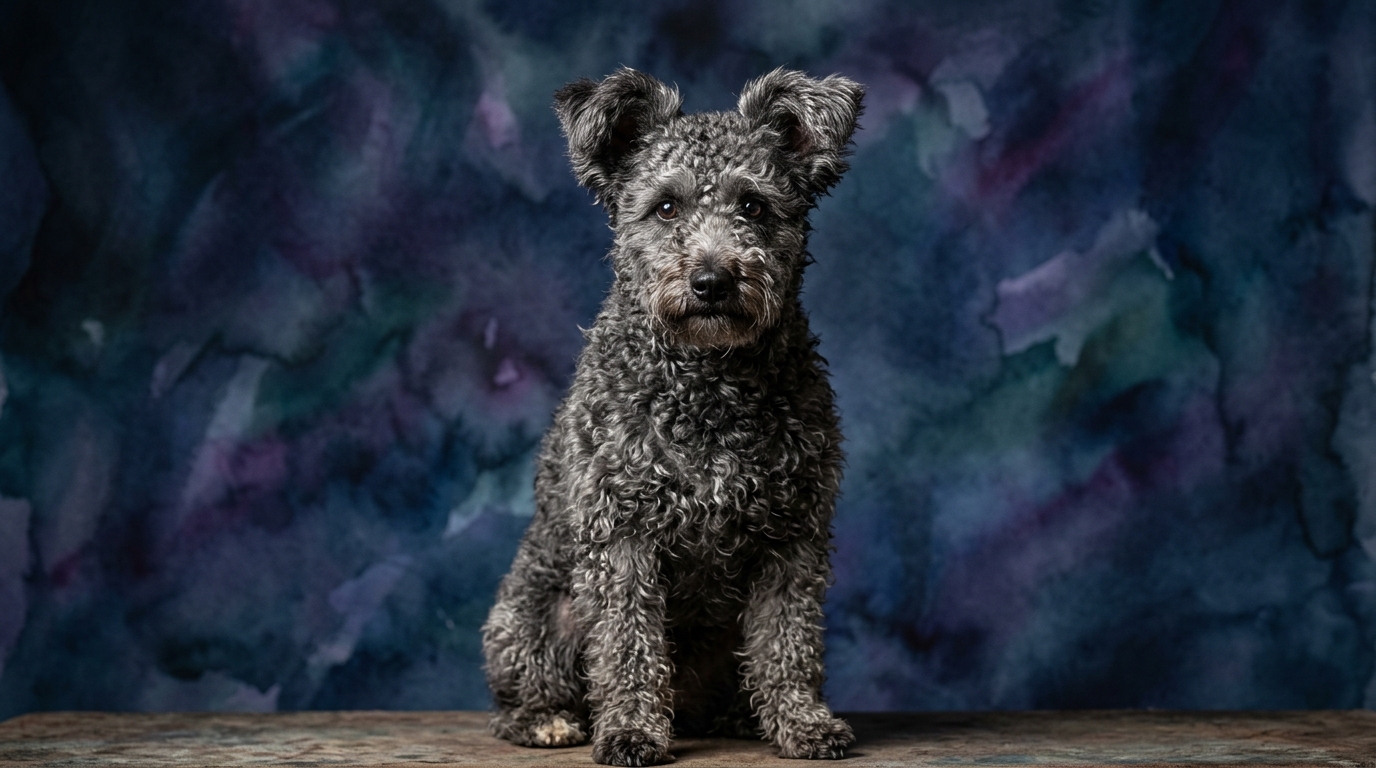
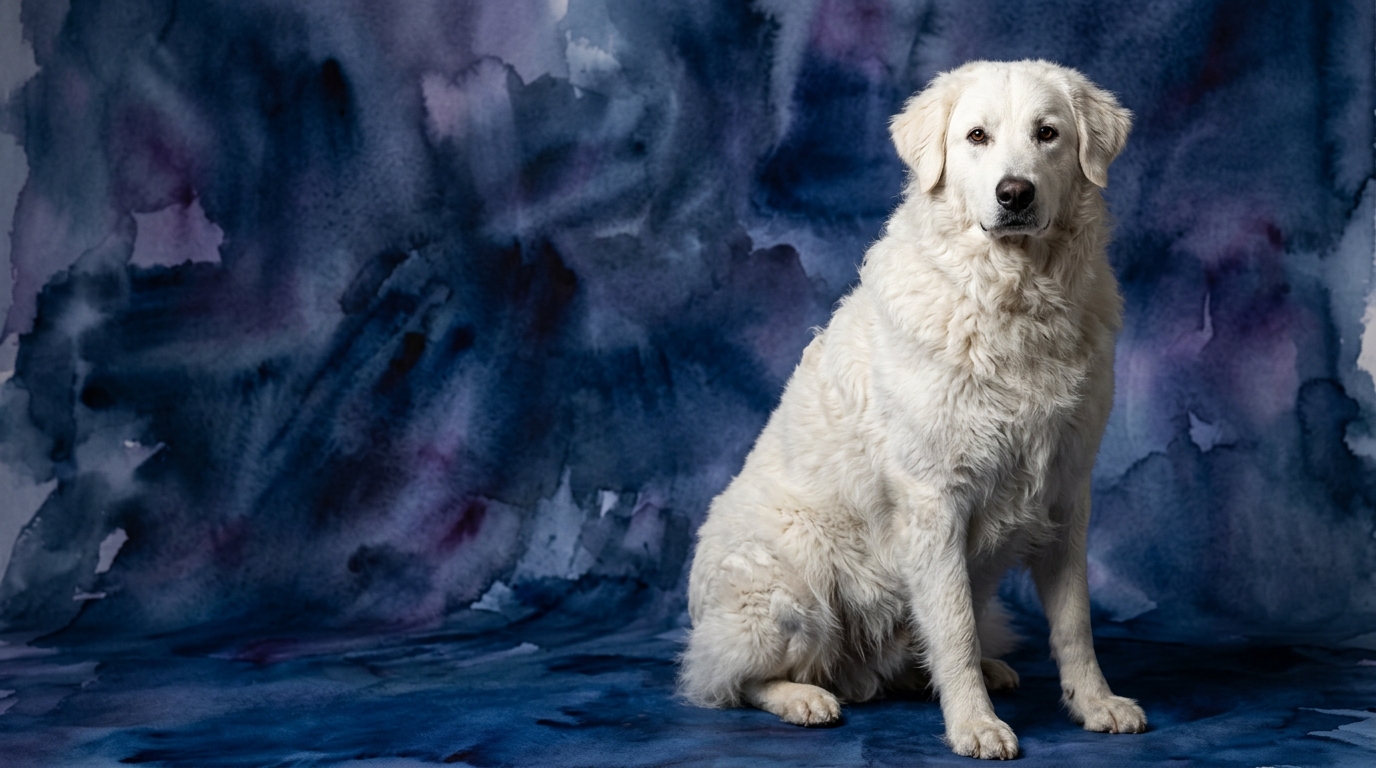
Side-by-Side IQ Profile: Pumi vs. Kuvasz
**The Pumi (Herding Dog, Not Coren-ranked)**
**Problem Solving (3/5):** The Pumi's problem-solving acumen is inherently tied to its herding heritage. They excel at dynamic, on-the-hoof decisions required to manage livestock, often anticipating flock movements and responding with agility and quick thinking. This translates into a dog that can quickly assess novel situations in a home environment, like figuring out how to retrieve a dropped toy from an awkward spot or navigating a complex obstacle course with minimal instruction. Their solutions tend to be energetic and practical, reflecting their need to control and direct.
**Training Speed (3/5):** Pumis generally learn new commands at a moderate pace, eager to engage with their handler and enjoy the mental stimulation of training. Their intelligence allows them to grasp concepts readily, but their independent, sometimes opinionated, herding nature means they aren't simply automatons. They might offer their own 'suggestions' or require clear, consistent motivation to fully commit to a learned behavior, especially if it feels less engaging than a self-directed task.
**Social Intelligence (3/5):** A Pumi's social intelligence is a blend of keen observation and selective engagement. They are highly attuned to their family members' moods and intentions, often forming strong, almost intuitive bonds. With strangers, however, they can be reserved or watchful, assessing the situation before deciding to interact. This isn't aloofness but rather a thoughtful evaluation, a carryover from their herding role where discerning friend from foe, or a calm sheep from a straying one, was paramount.
**Instinctive Drive (3/5):** The Pumi possesses a robust instinctive drive, dominated by its herding impulse. This manifests as a desire to gather, organize, and control, often directed towards family members, other pets, or even moving objects. This drive provides a strong motivational foundation for training and play but also requires appropriate outlets to prevent it from becoming misdirected or overwhelming in a domestic setting. Their natural vigilance and quick reactions stem from this deep-seated instinct.
**Memory (3/5):** Pumis demonstrate a solid capacity for memory, retaining learned commands, routines, and the locations of favored items or people with reliability. They remember past interactions, both positive and negative, and apply these lessons to future encounters. This memory serves their herding work well, allowing them to recall specific flock behaviors or boundary lines, and in a home, it supports consistent behavior and quick adaptation to established household rules.
**The Kuvasz (Working Dog, Coren rank #42)**
**Problem Solving (3/5):** The Kuvasz's problem-solving capabilities are shaped by centuries of independent livestock guarding. Their solutions are often deliberate and strategic, focused on protecting their territory and charges. They excel at assessing threats, determining appropriate responses without direct human command, and finding ways to circumvent obstacles to maintain their vigil. In a domestic context, this translates to a dog that can independently figure out how to access a secure area, or how to position themselves to best observe their surroundings, demonstrating a self-reliant intelligence focused on security.
**Training Speed (3/5):** Kuvasz dogs learn at a moderate pace, but their training requires a nuanced approach due to their inherent independence. Unlike breeds eager to please, a Kuvasz is more concerned with the perceived utility and logic of a command. They might understand a concept quickly but choose not to comply if it doesn't align with their protective instincts or if they deem it unnecessary. Consistency, patience, and mutual respect are vital for success, as they respond best to a leader they trust, not just obey.
**Social Intelligence (3/5):** The social intelligence of a Kuvasz is characterized by profound loyalty to their immediate family and a watchful wariness towards outsiders. They are acutely aware of their family's dynamics and can be deeply empathetic, but their primary social function is protection. This means they are constantly assessing new people and situations for potential threats, a trait that makes them formidable guardians but requires careful socialization from a young age to ensure appropriate responses in various social settings.
**Instinctive Drive (3/5):** The Kuvasz's instinctive drive is overwhelmingly protective and territorial. This manifests as an unwavering commitment to guarding their family and property, often with a powerful, imposing presence. They possess a natural inclination to patrol, observe, and deter perceived threats, exhibiting a low tolerance for intrusion. This drive is deeply ingrained and forms the core of their being, requiring owners to understand and manage it responsibly, providing clear boundaries and outlets.
**Memory (4/5):** This is where the Kuvasz truly stands out. Their memory is exceptional, allowing them to recall specific individuals, past threats, established routines, and territorial boundaries with remarkable accuracy and longevity. This superior memory is crucial for a guardian breed that must remember who belongs and who doesn't, where the dangers lie, and how past situations unfolded. In a home, this means they remember every visitor, every perceived slight, and every established rule, making them highly consistent in their protective duties.
Where the Pumi Wins Cognitively
While both breeds score 3/5 in Problem Solving, the Pumi's advantage lies in its dynamic, agile application of this skill, particularly in rapidly changing environments. Their herding background demands quick, instinctive adjustments to manage livestock, translating to a dog that can pivot mentally with remarkable speed. A Pumi might more readily adapt to a new game, deciphering rules on the fly, or quickly learn a complex agility course where sequential, fast-paced decision-making is key. Their solutions are often characterized by energetic improvisation and a willingness to try different approaches until success is achieved, reflecting their need to actively control and direct rather than passively observe.
Where the Kuvasz Wins Cognitively
The Kuvasz’s cognitive strength shines brightest in its superior Memory, rated 4/5 compared to the Pumi’s 3/5. This isn't just about remembering commands; it’s about an enduring, comprehensive recall of their environment, its inhabitants, and historical interactions. A Kuvasz will remember a stranger who visited months ago, or a boundary they were taught years prior, with startling clarity. This profound memory fuels their protective instincts, allowing them to build a detailed mental map of their territory and its security protocols. Their Problem Solving, also 3/5, is geared towards long-term vigilance and strategic defense, enabling them to independently assess and counter persistent threats, a cognitive process that values steadfastness and calculated responses over rapid, agile maneuvers.
Which is Easier to Train, and Why?
Determining which breed is 'easier' to train is nuanced, as both carry a 3/5 rating for Training Speed, yet their motivations differ significantly. The Pumi, with its herding drive and a generally higher eagerness to engage in cooperative tasks, often appears more responsive to positive reinforcement training methods, especially when the tasks involve movement, problem-solving, or a 'job' to do. They enjoy the mental stimulation and partnership, making initial command learning and trick training potentially smoother if the handler makes it engaging and rewarding. However, their independence means they can become bored or offer their own interpretations if not consistently challenged.
The Kuvasz, in contrast, presents a different training landscape. While they are certainly capable of learning, their training speed is tempered by their independent nature and deep-seated guardian instincts. A Kuvasz isn't driven by a strong desire to 'please' in the conventional sense; rather, they evaluate commands based on perceived utility and their own judgment. This means training requires immense patience, consistency, and a profound understanding of their protective mindset. They respond best to a relationship built on mutual respect and trust, rather than strict obedience. What might be perceived as stubbornness is often a Kuvasz's independent assessment of a situation. For owners, this means Pumis might feel 'easier' in early obedience due to their more outwardly cooperative nature, but both require dedicated, thoughtful training approaches tailored to their unique cognitive drivers.
Which Suits Active Owners vs. Relaxed Owners?
For the active owner seeking a canine partner for sports, adventures, or a constant companion in daily tasks, the Pumi often presents a more suitable match. Their vigorous energy levels, coupled with their herding-driven desire for mental and physical engagement, mean they thrive on structured activities like agility, herding trials, or long, stimulating hikes. They are dogs that need a job, and an active owner who can provide consistent outlets for their cognitive and physical energy will find a highly engaged and rewarding companion. Their social intelligence, while selective, allows them to integrate well into varied social settings once they’ve assessed them.
Conversely, the Kuvasz, while needing regular exercise, is better suited for owners who appreciate a more watchful, purposeful presence rather than a constantly 'on-the-go' companion. They are not necessarily 'relaxed' dogs, but their activity is often expressed through patrolling, observing, and maintaining vigilance over their territory. Owners who have space, understand the nuances of a guardian breed, and can provide a secure environment where the Kuvasz can fulfill its protective role will find a deeply loyal and steadfast companion. They are not typically suited for urban apartment living or owners seeking a dog for constant public outings, as their social intelligence and instinctive drive are geared towards guarding, requiring careful management in novel public situations.
The Verdict
Choose the Pumi if you seek an agile, energetic partner eager for dynamic mental challenges and cooperative activities, thriving on engagement and quick-witted problem-solving.
Opt for the Kuvasz if you desire a steadfast, deeply loyal guardian with an exceptional memory, valuing independent judgment and a protective presence over constant, high-energy interaction.
🧠 Find Your Pet's IQ Score
Our Pet IQ Lab assessment covers 25+ tests across 5 cognitive dimensions — personalized to your breed.
Take the Full IQ Test →Frequently Asked Questions
Do Pumis and Kuvasz get along with other pets?
Pumis, with their herding instinct, might try to 'manage' other pets, requiring careful supervision and training to ensure harmonious co-existence. Kuvasz can be tolerant of resident pets they consider part of their 'flock,' but their protective nature towards outsiders might lead to territorial issues with unfamiliar animals.
Are either of these breeds good for first-time dog owners?
Neither breed is typically recommended for first-time dog owners. Both the Pumi and Kuvasz possess strong, independent temperaments and distinct breed-specific drives that require experienced handling, consistent training, and a deep understanding of their cognitive and behavioral needs.
How do their problem-solving skills differ in a home environment?
A Pumi's problem-solving in a home might involve figuring out how to access a puzzle toy or navigate a complex game with zest and adaptability. A Kuvasz, while equally rated, applies its problem-solving more to assessing household security, identifying unusual sounds, or independently managing its territory and family's safety, often with a more deliberate, watchful approach.