Side-by-Side Cognitive Profile
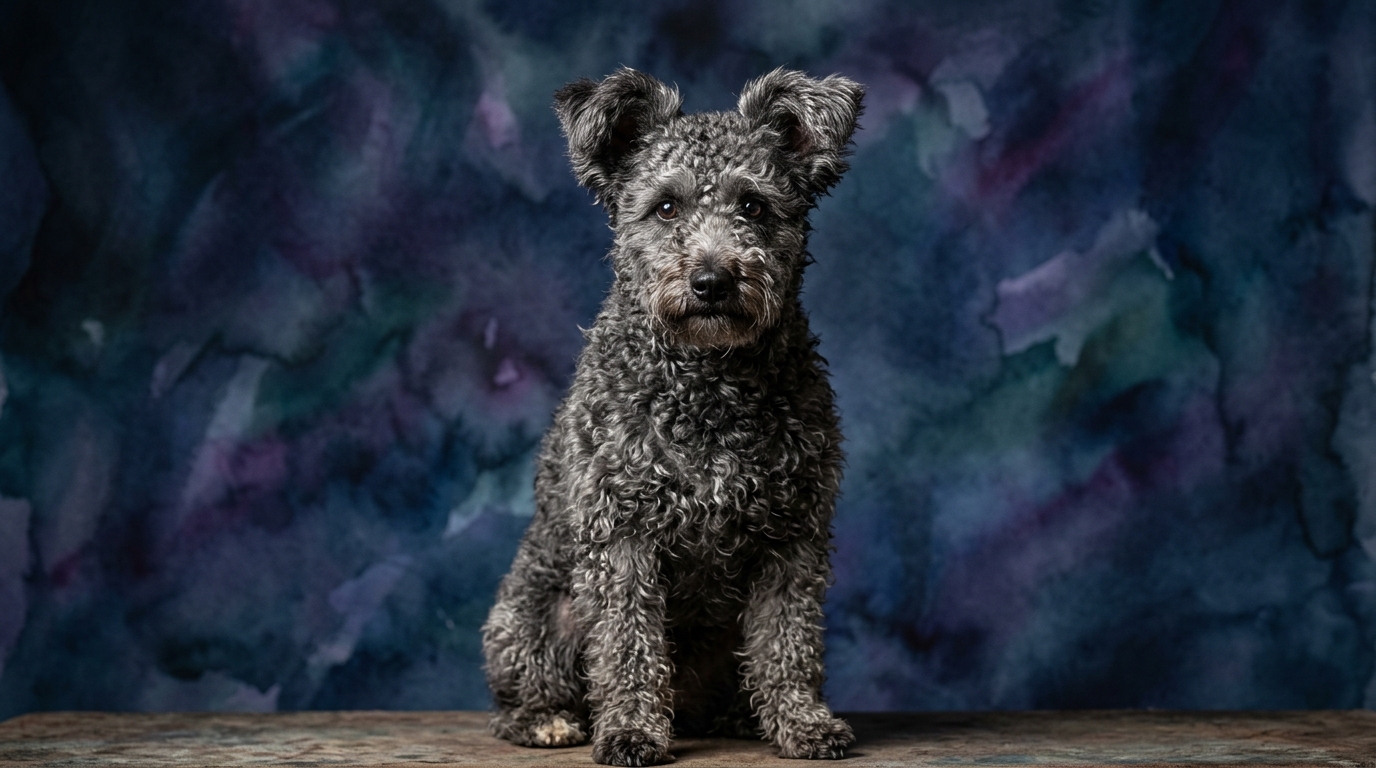
The Pumi, a Hungarian herding dog, displays a cognitive profile intrinsically linked to its historical role. Its Problem Solving (3/5) manifests in the ability to quickly assess and manage dynamic livestock situations, often requiring independent thought and rapid adjustments. Training Speed (3/5) indicates they grasp new commands at a moderate pace, particularly when tasks align with their inherent drive for activity and purpose. Social Intelligence (3/5) allows them to adeptly read subtle cues from their handlers and the animals they manage, fostering effective communication within a working partnership. Their Instinctive Drive (3/5) is powerfully geared towards herding, a deep-seated urge to gather and control. Memory (3/5) supports their capacity to recall complex sequences of commands and past experiences, essential for intricate and varied herding tasks.
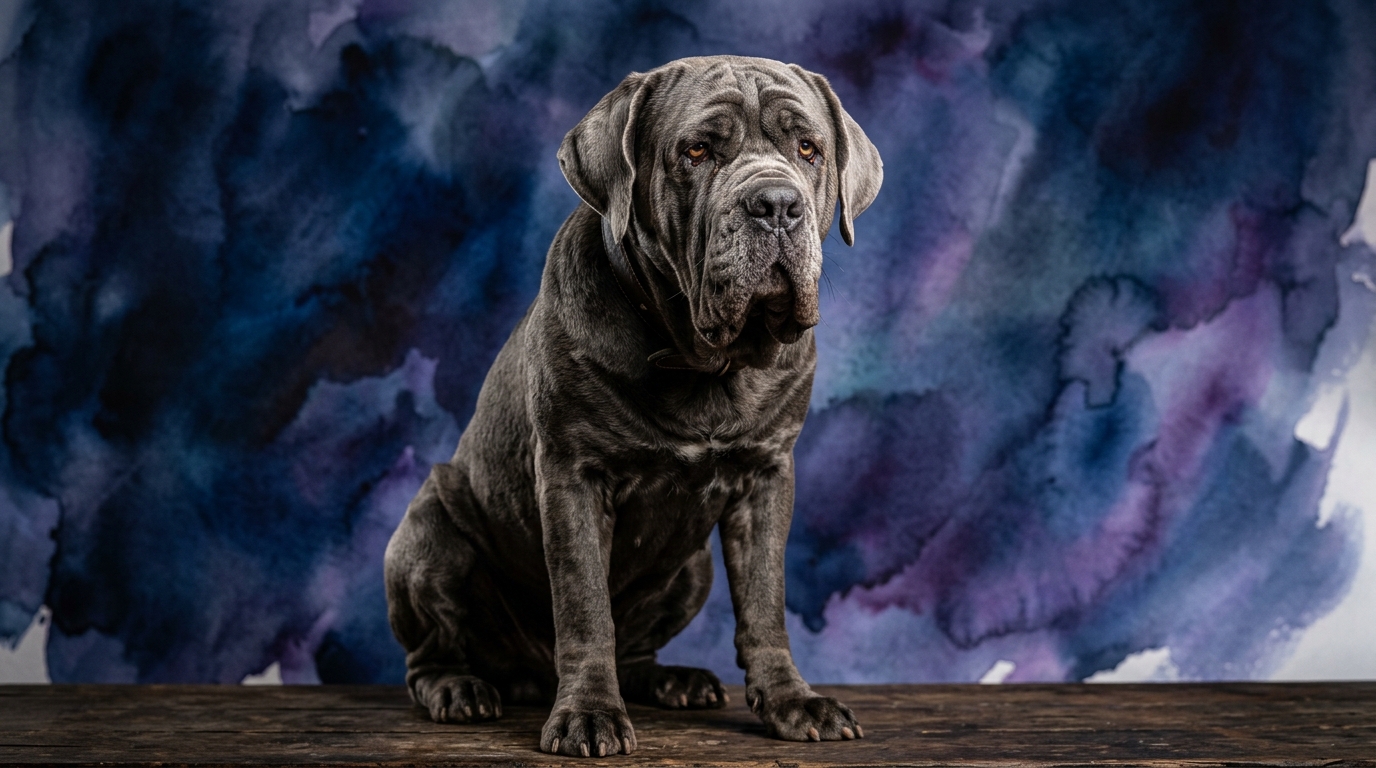
The Neapolitan Mastiff, a powerful working dog primarily known for its guardian capabilities, interprets its cognitive scores through a different lens. Its Problem Solving (3/5) involves a deliberate approach to assessing potential threats, understanding territorial boundaries, and making independent judgments on protection strategies. Training Speed (3/5) means they learn at a moderate pace, but often require strong motivation and a clear, perceived purpose, valuing consistency and patience over rapid-fire repetitions. Social Intelligence (3/5) is expressed in their discerning nature, accurately reading intentions of strangers and recognizing their family members, often exhibiting a calm, watchful demeanor rather than broad social engagement. Their Instinctive Drive (3/5) is rooted in profound protection and territoriality, a powerful impulse to defend their home and people. Memory (3/5) allows them to retain knowledge of their environment, people, and past experiences with fidelity, crucial for their effective long-term guardian role.
Where the Pumi Excels Cognitively
Despite identical numerical scores, the Pumi's cognitive strengths particularly shine in areas demanding swift, dynamic mental engagement. Their herding lineage primes them for rapid decision-making under pressure, allowing them to process changing environmental variables quickly and adjust their actions accordingly, a distinct advantage in fast-paced scenarios. This breed exhibits a particular cognitive agility, translating complex handler signals into immediate physical responses, and often demonstrating an intuitive grasp of spatial relationships necessary for maneuvering animals. The Pumi's problem-solving, while rated 3/5, is especially effective in adaptive, real-time situations where quick tactical adjustments are paramount, showcasing a mental nimbleness that serves its active working style.
Where the Neapolitan Mastiff Excels Cognitively
The Neapolitan Mastiff, conversely, demonstrates a unique cognitive prowess in areas requiring deliberate observation and unwavering judgment. Their 3/5 problem-solving manifests as a methodical, patient approach to evaluating situations, particularly those concerning security or perceived threats. This breed excels at patient assessment, taking in subtle cues over time to form a comprehensive understanding before acting. Their social intelligence, also rated 3/5, is particularly acute in discerning intentions, allowing them to distinguish between genuine visitors and potential intruders with a discerning eye and a profound sense of responsibility. The Neapolitan Mastiff’s cognitive strength lies in its steadfastness and deep territorial awareness, a thorough mental mapping of its environment and the individuals within it, prioritizing stability and security.
Training Dynamics: Pumi vs. Neapolitan Mastiff
Both breeds share a 3/5 rating for training speed, yet the *experience* of training them can differ significantly due to their distinct behavioral drivers. The Pumi, with its strong herding drive and inherent desire for a 'job,' often approaches training with an eager, energetic disposition. They tend to be highly responsive to positive reinforcement and thrive on engaging, varied tasks that challenge their quick minds, making them appear 'easier' for owners who provide consistent mental and physical stimulation. Their responsiveness, however, can also lead to independent thinking if not properly channeled, requiring owners to maintain clear leadership and engagement to prevent self-appointed 'herding' of family members or other pets.
The Neapolitan Mastiff, while capable of learning at a moderate pace, requires a different training approach. Their working dog heritage instills a sense of purpose, but they are not typically driven by an eagerness to please in the same way a herding breed might be. Training a Neapolitan Mastiff demands immense patience, consistency, and a deep understanding of their guardian instincts. They respond best to calm, firm guidance and tasks they perceive as valuable or relevant to their protective role. Owners might find them 'harder' to train if they expect rapid obedience or a high degree of enthusiasm for arbitrary commands; success comes from building trust and respect, leveraging their intrinsic motivation for security and belonging rather than constant activity or novelty. Their deliberate nature means they process commands thoroughly, often taking their time to comply rather than reacting instantaneously.
Lifestyle Match: Active vs. Relaxed Owners
The distinction between these two breeds becomes particularly clear when considering owner lifestyle. The Pumi is unequivocally suited for active owners who can meet its substantial demands for mental and physical engagement. Originating as a herding dog, the Pumi possesses an inherent drive for activity, requiring daily vigorous exercise, structured playtime, and consistent opportunities for problem-solving. Owners who enjoy dog sports like agility, obedience, or even urban herding will find a willing and enthusiastic partner in a Pumi, as their quick minds and bodies thrive on such challenges. A relaxed owner unable to provide this level of stimulation will likely encounter a bored, potentially destructive, or overly vocal companion, as their cognitive and physical energy needs are not met.
In contrast, the Neapolitan Mastiff is a better fit for more relaxed owners, though 'relaxed' should not be mistaken for 'sedentary.' While they are not high-energy dogs requiring constant running, they still need regular, structured walks to maintain physical health and mental well-being. Their exercise requirements are moderate, focusing more on steady, purposeful movement than intense bursts of speed. What they demand, however, is a calm but vigilant owner who understands their protective nature and can provide a secure, stable environment. Their 'work' is often mental—observing, assessing, and guarding—rather than purely physical exertion, making them suitable for owners who appreciate a steadfast, watchful presence over a constantly active one. They are content with a structured routine and a clear sense of their role within the family.
The Verdict
Opt for the Pumi if you are an active, experienced owner ready to channel a keen, quick mind into engaging activities and consistent training, thriving on a dog that requires mental agility and physical exertion.
Choose the Neapolitan Mastiff if you seek a calm, steadfast companion and guardian, possessing a deliberate intellect and requiring patient, consistent leadership in a secure, stable home environment.
🧠 Find Your Pet's IQ Score
Our Pet IQ Lab assessment covers 25+ tests across 5 cognitive dimensions — personalized to your breed.
Take the Full IQ Test →Frequently Asked Questions
Do identical IQ scores mean Pumis and Neapolitan Mastiffs behave identically?
No, identical IQ scores (3/5 across the board) indicate similar *levels* of cognitive ability but not identical *expressions*. Their breed origins—herding for the Pumi and guarding for the Neapolitan Mastiff—dictate vastly different applications of these cognitive traits in their daily behavior and problem-solving approaches, resulting in distinct temperaments and needs.
Can a Neapolitan Mastiff be as agile as a Pumi, given their similar problem-solving scores?
While both breeds score 3/5 in problem-solving, their physical builds and inherent drives lead to different forms of agility. The Pumi's lighter build and herding instincts make it physically agile and quick to react in dynamic situations, whereas the Neapolitan Mastiff's problem-solving is more about deliberate assessment and strategic judgment, not rapid physical movement or complex physical maneuvers.
What is the biggest difference in social intelligence between these two breeds, despite the same score?
Both score 3/5 in social intelligence, but the Pumi often uses it for intricate communication within a working team (handler, livestock), showing broad social engagement. The Neapolitan Mastiff's social intelligence is more focused on discerning intentions, particularly regarding strangers and perceived threats, exhibiting a more selective and watchful social demeanor primarily centered on its family and territory.