The Cosmic Pet Pet IQ Lab: Pumi vs. Norfolk Terrier Profile
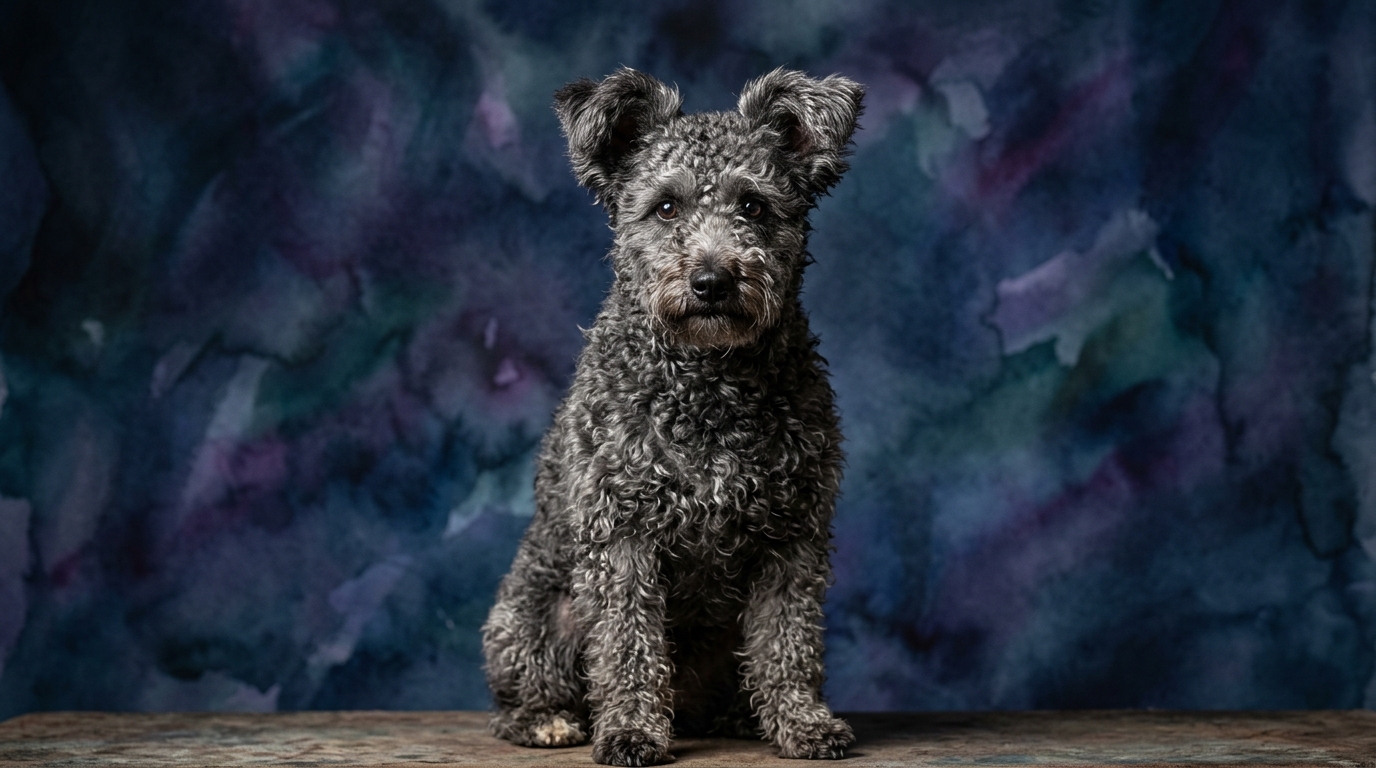
The Pumi, a vibrant herding dog from Hungary, exhibits a balanced cognitive profile across all five dimensions. Their Problem Solving (3/5) often manifests in dynamic situations, such as maneuvering livestock or quickly assessing and reacting to changing variables, a skill honed by their herding heritage. Training Speed (3/5) reflects an eagerness to learn combined with an independent streak, allowing them to grasp commands efficiently but requiring consistent motivation. A Pumi's Social Intelligence (3/5) is frequently directed towards their family unit and livestock, demonstrating an understanding of pack dynamics and subtle cues, forming strong bonds while often being reserved with strangers. Their Instinctive Drive (3/5) is predominantly channeled into herding behaviors—gathering, driving, and controlling—which translates into a powerful need for purposeful activity. Finally, their Memory (3/5) enables them to retain complex sequences of commands and recall past experiences, crucial for repetitive herding tasks or navigating familiar routes.
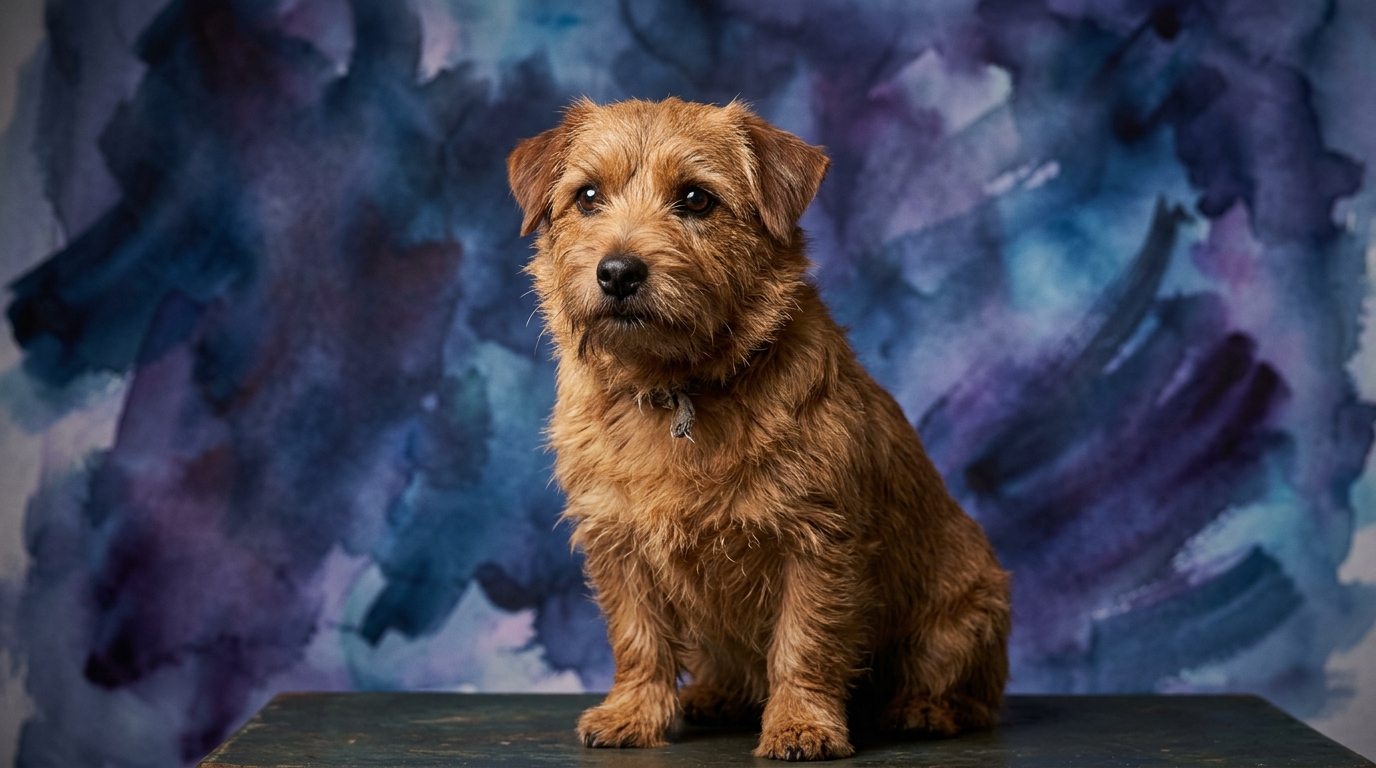
The Norfolk Terrier, a plucky earth dog from England, shares the same numerical cognitive scores but applies them through a distinctly different lens. Their Problem Solving (3/5) is often rooted in independent hunting instincts, finding creative ways to pursue small prey or circumvent obstacles with tenacity and cunning. Training Speed (3/5) is moderate, indicating a quick wit paired with typical terrier stubbornness, meaning they pick up concepts readily but require patience and understanding of their motivations. A Norfolk's Social Intelligence (3/5) is typically expressed within their immediate human family, showing an ability to read social cues and integrate into household dynamics with affection. Their Instinctive Drive (3/5) is fundamentally tied to their vermin-hunting origins, manifesting as a strong prey drive, a desire to dig, and an inherent curiosity to explore their environment. Their Memory (3/5) serves them well in recalling locations of interesting scents, past interactions, and established routines, allowing them to learn and adapt effectively.
Where the Pumi Demonstrates Distinct Cognitive Strengths
While both breeds score 3/5 in Problem Solving, the Pumi's cognitive strength particularly shines in its ability to manage dynamic, live situations. Unlike the Norfolk's individualistic problem-solving, a Pumi excels at anticipating the movements of a flock or herd, making split-second decisions to guide animals, and adapting strategies based on real-time feedback. This involves a complex interplay of spatial reasoning, prediction, and control, demonstrating a collaborative and highly adaptable form of intelligence.
Their 3/5 Social Intelligence, combined with their Instinctive Drive, uniquely positions the Pumi to work collaboratively with a handler, interpreting subtle body language and vocal cues to perform intricate tasks. Their Memory, also rated 3/5, is particularly adept at recalling sequences of commands and the specific temperaments of individual animals, enabling consistent and nuanced performance in a demanding working role where precision and responsiveness are paramount.
Where the Norfolk Terrier Exhibits Unique Cognitive Advantages
The Norfolk Terrier's 3/5 Problem Solving, though numerically similar, manifests as a tenacious, independent drive to overcome physical barriers or outsmart small prey. Their cognitive process involves persistent exploration and trial-and-error, demonstrating a remarkable ability to focus on a singular objective without constant external direction. This is a self-driven, often individualistic form of ingenuity, where a challenge is seen as an opportunity for persistent investigation.
Their 3/5 Social Intelligence is often geared towards navigating complex human household dynamics, understanding routines, and charming their way into desired outcomes, making them highly adept at domestic integration. Furthermore, their 3/5 Memory is excellent for recalling environmental details, such as where a squirrel was last seen or the location of a buried toy, making them highly effective at their original purpose of finding and dispatching vermin with focused recall.
Comparing Trainability: Pumi vs. Norfolk Terrier
The Pumi's 3/5 Training Speed, combined with their herding background, generally means they are eager to please and highly responsive to structured training, especially when it involves tasks or problem-solving. They are receptive to learning complex command sequences and thrive on having a 'job' or purpose, often showing a natural aptitude for agility or obedience. However, their innate herding drive can sometimes override obedience if not properly channeled, requiring a handler who understands how to leverage their instincts into constructive activities.
The Norfolk Terrier's matching 3/5 Training Speed presents a different set of challenges. While they are quick-witted, their terrier independence and strong prey drive can make them less inclined to follow commands if they perceive a more interesting alternative. Training a Norfolk requires immense consistency, short engaging sessions, and a deep understanding of positive reinforcement to maintain their focus against their instinctive urges. They learn quickly but often choose when and if to apply that knowledge, demanding a patient and creative trainer.
Behaviorally, a Pumi might be quicker to generalize a learned behavior to new situations if it aligns with their desire to control or organize, making them adaptable in varied environments. A Norfolk, conversely, might excel at learning specific tricks but then apply them selectively, often testing boundaries and requiring proof that following a command is more rewarding than pursuing their own agenda. The Pumi's social intelligence often makes them more attuned to a handler's desires for cooperation, while the Norfolk's social acumen might be cleverly used to manipulate situations to their own benefit, requiring a handler to be equally sharp.
Ideal Owners: Active Lifestyles vs. Relaxed Companionship
The Pumi, with its 3/5 Instinctive Drive and problem-solving aptitude, thrives with active owners who can provide consistent mental and physical stimulation. Their background as working herding dogs means they require substantial outlets for their energy and cognitive abilities, often needing a 'job' to feel fulfilled. Owners who enjoy dog sports like agility, herding trials, flyball, or even long, varied hikes will find a Pumi an incredibly fulfilling and engaged companion. They need purpose and engagement to prevent boredom and potential behavioral issues rooted in unchanneled energy.
The Norfolk Terrier, while energetic and possessing a 3/5 Instinctive Drive, can adapt better to a slightly more relaxed home environment, provided their need for daily walks and mental engagement is met. Their drive means they still need outlets for digging, chasing, and exploring, but these can often be satisfied in a secure yard or through interactive toys and shorter, focused activities. They are content with being close companions, often enjoying snuggles after a good play session, and do not typically demand the same intense, structured 'job' focus as a Pumi.
It's important to clarify that 'relaxed' for a Norfolk doesn't mean sedentary; they still require regular activity and mental stimulation. However, their activity can be more self-directed or less rigorously structured than a Pumi's. They enjoy investigating their immediate environment, making them suitable for owners who appreciate a lively, curious presence without the constant need for high-intensity collaborative work or extensive training regimens designed for working dogs. They are true companions that enjoy being involved in family life.
The Verdict
Choose a Pumi if you're an active owner seeking a highly engaged, collaborative canine partner eager for structured tasks and mental challenges, especially those involving problem-solving and managing dynamic situations. They thrive on having a 'job' and consistent interaction to channel their herding instincts effectively.
Opt for a Norfolk Terrier if you appreciate a spirited, independent companion with a tenacious problem-solving approach and a charming social intelligence that excels in a domestic setting. They are best suited for owners who can provide consistent, positive training and outlets for their natural terrier drives without requiring constant, intense collaborative work.
🧠 Find Your Pet's IQ Score
Our Pet IQ Lab assessment covers 25+ tests across 5 cognitive dimensions — personalized to your breed.
Take the Full IQ Test →Frequently Asked Questions
Do Pumi or Norfolk Terriers bark a lot?
Pumis can be quite vocal, using barks to communicate or herd, especially if under-stimulated or left alone for extended periods. Norfolk Terriers also have a tendency to bark, often alerting to perceived threats or expressing excitement, a common terrier trait that requires consistent training to manage.
Are Pumis good with children and other pets?
Pumis can be good with children, often exhibiting a protective but gentle nature, though their herding instincts might lead them to playfully 'herd' smaller children. With proper socialization from a young age, they can coexist with other pets, but their prey drive means introductions should always be managed carefully.
How much exercise does a Norfolk Terrier need daily?
A Norfolk Terrier requires at least 30-60 minutes of daily exercise, including brisk walks and engaging playtime, to satisfy their energetic nature and instinctive drives. Mental stimulation through training sessions, puzzle toys, and opportunities for safe exploration is equally important to keep them content and well-behaved.