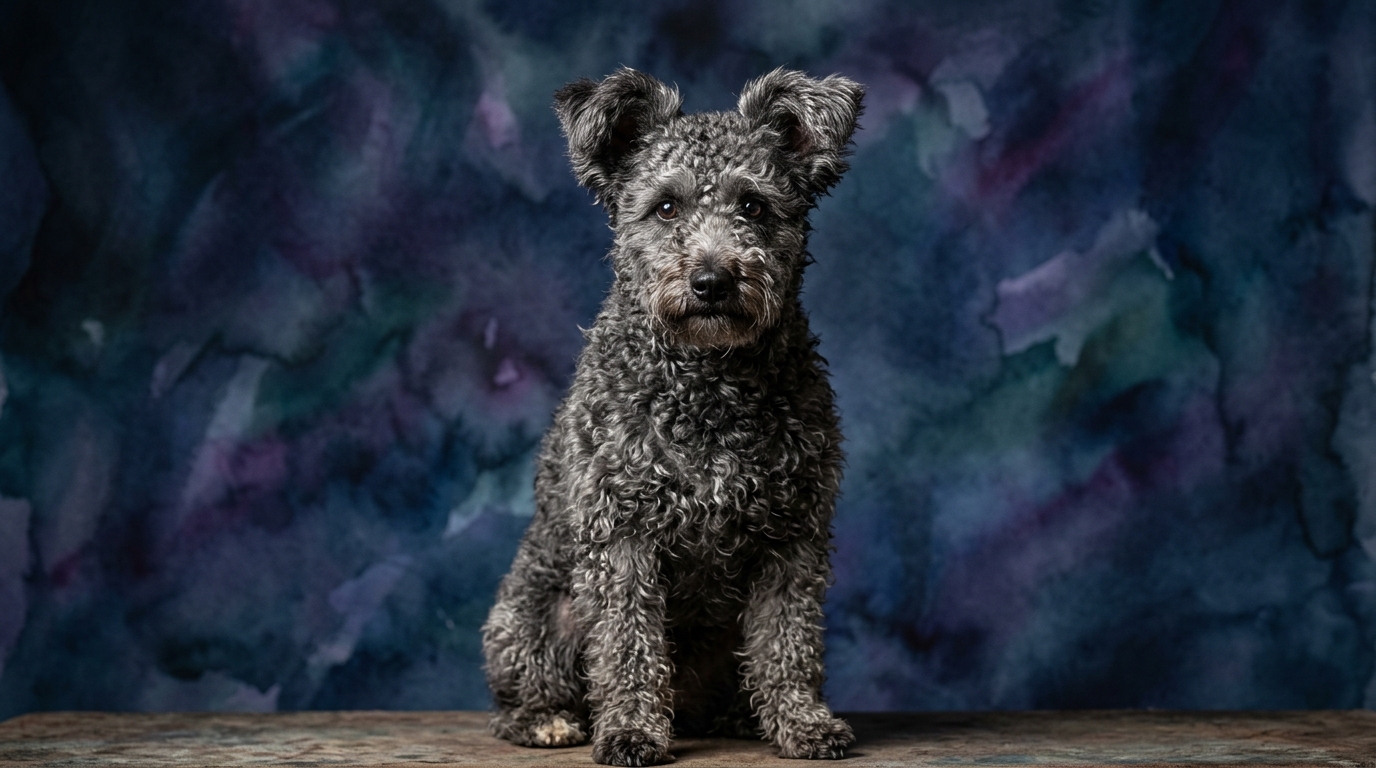
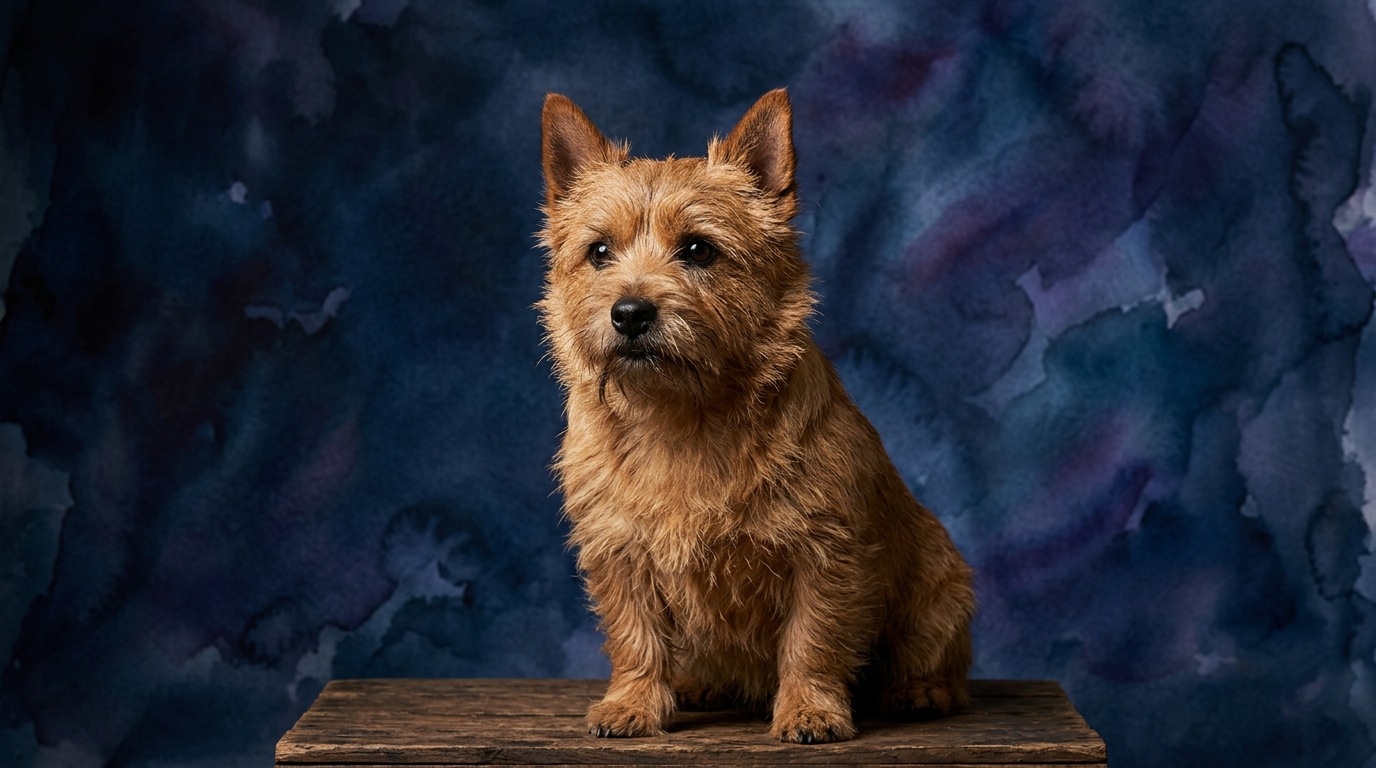
Side-by-Side IQ Profile: Pumi vs. Norwich Terrier
Delving into the specific cognitive dimensions for both the Pumi and the Norwich Terrier, it becomes evident that a shared numerical score of 3/5 can represent vastly different applications of intelligence, deeply rooted in their breed histories and purposes.
The Pumi, a Hungarian herding dog, showcases a Problem Solving score of 3/5 that is intrinsically tied to dynamic, real-time decision-making in a working environment. Their historical role demanded quick thinking to manage livestock, anticipating movements and adapting strategies on the fly. This translates into an ability to navigate complex sequences, excelling in activities like agility where multi-step problem-solving is crucial, often showing a resourceful approach to new challenges.
Their Training Speed, also at 3/5, reflects an eagerness to engage and learn, particularly when tasks are structured and purposeful. Pumis typically respond well to consistent positive reinforcement, internalizing commands at a steady pace due to their inherent desire to collaborate with a handler and fulfill a perceived 'job.' This makes them receptive students in various canine disciplines.
A Pumi's Social Intelligence (3/5) is often directed towards understanding the subtle cues of their handler and the group dynamics of their 'flock,' whether human or animal. They are attuned to emotional shifts and environmental changes, capable of forming strong, communicative bonds and responding appropriately to social feedback, making them highly perceptive companions within their family unit.
The Instinctive Drive of a Pumi, rated 3/5, is predominantly a herding instinct, manifesting as a strong urge to gather, control, and protect. While they possess a moderate prey drive, it is typically channeled through their herding behaviors, providing them with a focused purpose and a strong work ethic when given appropriate outlets. Their memory, at 3/5, reliably retains learned commands, routines, and boundaries, allowing them to build upon past experiences and adapt their behavior based on what they've encountered.
In contrast, the Norwich Terrier’s Problem Solving ability (3/5) is forged in the crucible of independent vermin hunting. Their ingenuity shines in overcoming physical obstacles, figuring out how to access tight spaces, or persistently working to retrieve a hidden target. This is a practical, determined form of problem-solving, often involving trial and error with an unwavering focus on their objective.
The Norwich Terrier's Training Speed, also 3/5, is characterized by a confident independence. They can grasp new concepts quickly, but their willingness to perform often hinges on whether the task aligns with their self-determined interests or provides immediate gratification. Training requires making activities feel like a rewarding game, appealing to their inherent curiosity and drive.
Their Social Intelligence (3/5) is robust and assertive, making them astute observers of human moods and family dynamics. Norwich Terriers thrive on companionship and are adept at communicating their needs and desires, often using their charm and lively personalities to integrate themselves fully into the household and assert their place within the social structure.
The Instinctive Drive of the Norwich Terrier, also 3/5, is profoundly shaped by its terrier lineage: a potent desire to hunt, dig, and chase small prey. This strong prey drive is a central part of their identity, influencing their play, their interactions with the environment, and their need for appropriate outlets for these deeply ingrained behaviors. Their memory, at 3/5, ensures they reliably recall experiences, routines, and specific people or places, contributing to their ability to learn from their environment and remember where interesting smells or buried treasures might be found.
Where the Pumi Wins Cognitively
Despite identical numerical scores, the Pumi often demonstrates a nuanced cognitive advantage in tasks requiring cooperative problem-solving and sustained focus within a structured, handler-directed environment. Their herding background cultivates an ability to anticipate and react to the movements of multiple entities simultaneously, translating into a heightened capacity for complex sequencing in obedience or agility. This breed's social intelligence often leans towards a more handler-centric understanding, allowing them to interpret subtle body language and vocal cues for collaborative work more readily than their terrier counterpart, making them particularly adept at intricate, multi-step commands and partnership-based activities.
Where the Norwich Terrier Wins Cognitively
Conversely, the Norwich Terrier exhibits a distinct cognitive strength in independent problem-solving and tenacious pursuit of a self-determined goal, often with remarkable persistence. Their terrier instincts foster a unique ingenuity for navigating tight spaces or overcoming physical barriers to reach a perceived reward, showcasing a single-minded focus that can be less common in herding breeds. Their instinctive drive, while rated identically, is channeled into an unwavering determination to investigate and 'solve' environmental puzzles, often involving scent work or retrieving, where their individual initiative and courage truly shine, making them exceptionally adept at tasks requiring independent thought and grit.
Which is Easier to Train and Why
When it comes to ease of training, the Pumi generally presents a more straightforward experience for the average owner, primarily due to their intrinsic desire to partner with a human. Their herding legacy means they are predisposed to paying close attention to their handler, finding satisfaction in clear directives and the completion of a shared task. They respond well to positive reinforcement methods, thriving on consistency and a sense of purpose, making them receptive to learning a wide range of commands and behaviors when properly motivated and engaged in structured activities.
The Norwich Terrier, while equally capable of learning, often requires a more creative and patient approach to training. Their 3/5 training speed is coupled with a powerful independent streak and a strong sense of self-preservation, characteristic of their terrier group. This means they are less inclined to follow commands simply because they are given, often weighing the perceived benefit against their own immediate desires. Owners must make training feel like a rewarding game, leveraging their prey drive and curiosity, as a Norwich Terrier is more likely to engage when the activity stimulates their innate instincts, making consistency and high-value rewards absolutely essential to overcome their natural tenacity and ensure cooperation.
Which Suits Active Owners vs. Relaxed Owners
The Pumi is undeniably better suited for active, engaged owners who can provide ample mental and physical stimulation. Their herding drive and boundless energy necessitate regular outlets such as long walks, vigorous play sessions, and participation in dog sports like agility, flyball, or herding trials. An owner who enjoys structured activities and can channel the Pumi's working intelligence into purposeful tasks will find this breed a delightful and responsive companion, thriving on a consistent routine and a 'job' to do that utilizes their quick mind and physical prowess.
The Norwich Terrier, while certainly an active and spirited dog, can be a better fit for moderately active owners who appreciate their independent yet affectionate nature. They enjoy daily walks and bursts of energetic play, but they are also typically content to relax indoors with their family after their exercise needs are met. Owners must be prepared to manage their strong digging and chasing instincts, providing appropriate outlets for these behaviors rather than trying to suppress them entirely, making them a good match for those who enjoy a lively companion but don't necessarily seek a full-time training partner for demanding dog sports.
The Verdict
Opt for a Pumi if you are an active, committed owner seeking a highly cooperative, intelligent partner for dog sports or complex training, valuing a strong working bond and consistent engagement.
Choose a Norwich Terrier if you appreciate a tenacious, spirited, and independently-minded companion who thrives on adventure but also enjoys cozy home life, provided you can manage their strong terrier instincts with patience and creativity.
🧠 Find Your Pet's IQ Score
Our Pet IQ Lab assessment covers 25+ tests across 5 cognitive dimensions — personalized to your breed.
Take the Full IQ Test →Frequently Asked Questions
Do Pumis and Norwich Terriers have similar energy levels?
While both are active, a Pumi generally requires more sustained, structured physical and mental exertion due to its herding background, thriving on consistent activity. Norwich Terriers have bursts of energy and enjoy activity, but are often content with moderate exercise and indoor relaxation, provided their instinctive needs for exploration and play are met.
Which breed is better for first-time dog owners?
Neither breed is typically recommended for entirely novice owners, as both require specific understanding of their breed traits and consistent training. However, a Pumi might be slightly more forgiving for a first-timer willing to commit to extensive training and activity, while a Norwich Terrier's independence can be challenging without prior experience with assertive breeds.
How do their social intelligence ratings of 3/5 manifest differently in a family setting?
A Pumi's social intelligence often translates to being highly attuned to family dynamics and eager to participate in group activities, often seeking guidance from a primary handler and thriving on cooperative interaction. A Norwich Terrier's 3/5 social intelligence means they are charming and observant, adept at understanding human emotions and often using their assertive personalities to integrate themselves fully into the family, sometimes with a strong opinion and a desire for central attention.