Side-by-Side IQ Profile: Unpacking Identical Scores
At first glance, the Pumi and Saluki appear to be cognitive twins, both scoring 3/5 in Problem Solving, Training Speed, Social Intelligence, Instinctive Drive, and Memory. However, these identical scores don't imply identical minds; rather, they reflect an 'average' capability that manifests through the lens of each breed's historical purpose and inherent nature. Understanding these nuances requires looking at how these abilities are applied in their respective worlds.
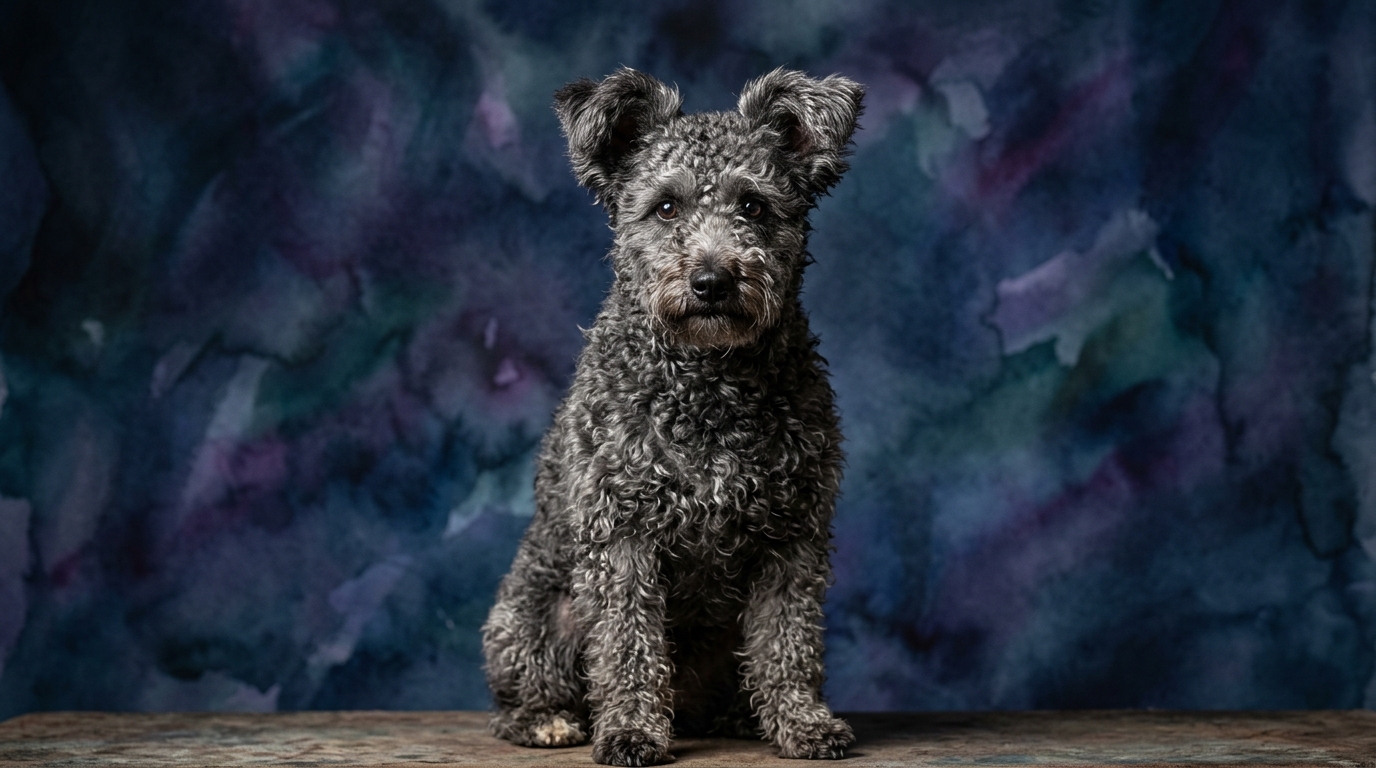
For the Pumi, a Hungarian herding dog, a 3/5 in Problem Solving often translates to strategic thinking within a structured environment. They might excel at figuring out how to move livestock efficiently, navigating complex agility courses, or solving puzzle toys that require a sequence of actions. Their problem-solving is typically geared towards a goal set by their human handler. Their Training Speed of 3/5 suggests they learn new commands and tasks at a moderate pace, especially when the training is consistent and engaging, often thriving on positive reinforcement that taps into their desire to work alongside their person.
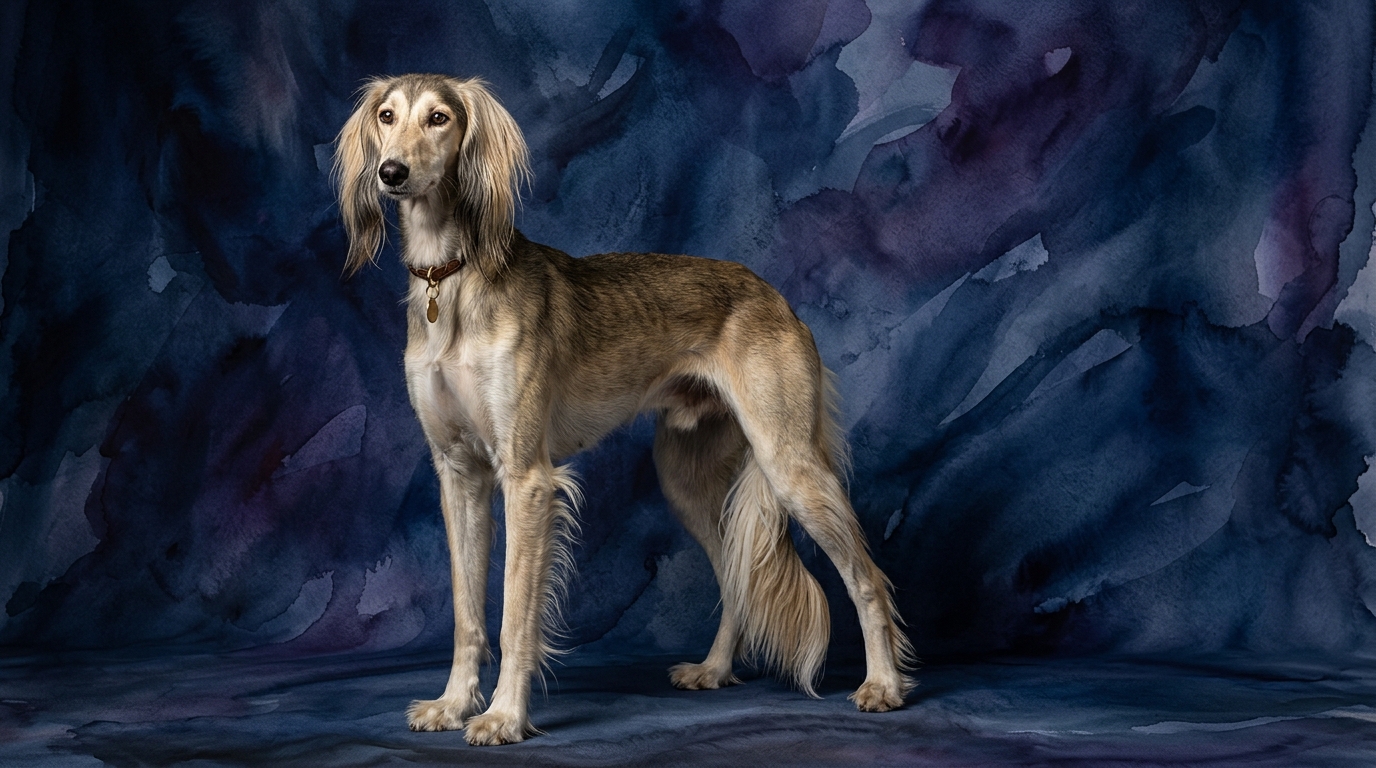
Conversely, the Saluki, an ancient sighthound, applies its 3/5 Problem Solving in a vastly different context. Their intelligence shines in independent decision-making, such as calculating the optimal path to pursue a rapidly moving object across varying terrain, or finding the quickest route through an open field. This problem-solving is often self-directed, driven by instinct rather than handler instruction. Their Training Speed of 3/5 means they are capable of learning, but their independent spirit often dictates *when* they choose to demonstrate that learning. Consistency is crucial, but so is understanding their deep-seated motivation, which may not always align with immediate handler commands.
Social Intelligence at 3/5 for the Pumi means they are generally adept at reading human cues, understanding household dynamics, and forming strong bonds with their primary family. They can be reserved with strangers but are typically observant of social interactions. For the Saluki, their 3/5 Social Intelligence manifests as a dignified, often reserved demeanor. They form profound, quiet bonds with their chosen family members, demonstrating subtle communication and an intuitive understanding of their inner circle's moods, though they are often aloof with outsiders. Their social interactions are typically less boisterous and more nuanced.
Instinctive Drive for both breeds sits at 3/5, yet its expression is fundamentally different. The Pumi's drive is rooted in herding; they may exhibit tendencies to 'round up' family members, nip at heels, or tirelessly patrol their territory. This drive needs appropriate outlets to prevent misdirection. The Saluki's instinctive drive is primarily for pursuit; their sighthound nature means they possess a moderate, but powerful, urge to chase anything that moves quickly. This drive is not necessarily aggressive but is a deep-seated behavioral pattern critical to their historical role as hunters. Finally, Memory at 3/5 for the Pumi typically involves recalling complex command sequences, daily routines, and the precise execution of learned tasks. For the Saluki, this score often reflects their ability to remember vast landscapes, optimal running paths, specific scents, and the faces of individuals they trust, rather than an extensive repertoire of formal commands.
Where the Pumi Wins Cognitively
The Pumi's cognitive strengths truly shine in scenarios demanding cooperative engagement and structured learning. Their heritage as a herding dog means they possess an innate desire to work alongside a human partner, making them particularly adept at tasks requiring intricate communication and responsiveness. A Pumi might demonstrate superior cognitive flexibility in adapting to new rules within a training game or quickly understanding a multi-step command sequence in agility, where precise execution and quick adjustments are paramount. Their problem-solving, while rated 3/5, is often more focused on achieving a shared goal, making them excel in environments where their intelligence is guided and channeled towards a specific, handler-directed outcome. This makes them particularly strong in dog sports that require precision and teamwork.
Where the Saluki Wins Cognitively
The Saluki, with its sighthound lineage, exhibits cognitive prowess in areas demanding independent decision-making, swift reaction times, and acute environmental awareness. Their 3/5 Problem Solving score is often applied to real-time, dynamic situations without direct human intervention, such as expertly navigating uneven terrain during a high-speed chase or quickly assessing the movement patterns of a distant object. Their memory excels in spatial recall, remembering the safest and fastest routes across large outdoor areas, or the locations of intriguing visual stimuli. While less inclined towards formal obedience, their social intelligence allows them to form incredibly deep, intuitive bonds with their family, often reading subtle emotional cues with remarkable accuracy. This independence and observational skill give them an edge in self-directed exploration and rapid environmental assessment.
Which Is Easier to Train and Why
Despite both breeds scoring 3/5 in Training Speed, their inherent temperaments dictate different training approaches and perceived ease. The Pumi, with its herding background, generally possesses a higher degree of biddability and a strong desire to please its handler. This means they are often more eager to engage in training sessions, respond readily to cues, and find satisfaction in accomplishing tasks for their human. While they still require consistency and positive reinforcement, their natural inclination to cooperate can make the initial stages of obedience training feel more fluid and rewarding for the owner. They thrive on having a 'job' and can become frustrated if their mental and physical energy isn't channeled productively through training.
The Saluki, on the other hand, while capable of learning, often approaches training with a more independent and discerning mindset. Their sighthound nature means they were bred to think for themselves during the hunt, making them less inherently inclined to blindly follow commands. While they learn commands at a moderate pace, their execution can be conditional, often weighing whether the command aligns with their current interest or motivation. Training a Saluki requires immense patience, understanding of their independent spirit, and finding high-value motivators that appeal to their specific drives, such as chase games or opportunities for free running. They respond best to positive reinforcement and gentle, consistent methods, but an owner must be prepared for moments where the Saluki's own agenda takes precedence over a requested command. It's not a lack of understanding, but often a choice.
Which Suits Active Owners vs. Relaxed Owners
The Pumi is an ideal companion for active owners who are prepared to provide consistent mental and physical stimulation. Their herding drive and energetic nature mean they thrive on structured activities like agility, obedience, herding trials, or even simply long, varied walks with opportunities for scent work and problem-solving. An owner who enjoys teaching tricks, engaging in dog sports, or providing a 'job' for their dog will find the Pumi a highly rewarding and enthusiastic partner. They are not content to be couch potatoes and can become restless or destructive if their considerable cognitive and physical needs are not met.
The Saluki, while possessing incredible bursts of speed and requiring regular opportunities to run freely in a secure area, can often be surprisingly relaxed indoors. They are well-suited for owners who appreciate a graceful, quiet companion that enjoys lounging after their exercise needs are met. While they need regular, intense bursts of physical activity to satisfy their sighthound instincts, they are not typically 'busy' dogs within the home. They are best for owners who can provide a safe, large, fenced space for running, or who are committed to regular trips to secure dog parks. Their independent nature also means they might be a better fit for owners who don't require constant interaction or a dog that is always 'on duty,' preferring a more dignified and self-possessed companion.
The Verdict
Choose the Pumi if you're an active owner seeking a highly engaged, cooperative partner for dog sports, intricate training, and daily mental challenges, appreciating their zest for structured work.
Opt for the Saluki if you admire independent thought, graceful athleticism, and a dignified companion who enjoys intense bursts of exercise followed by quiet relaxation, understanding their reserved loyalty.
🧠 Find Your Pet's IQ Score
Our Pet IQ Lab assessment covers 25+ tests across 5 cognitive dimensions — personalized to your breed.
Take the Full IQ Test →Frequently Asked Questions
Are Pumis good for first-time dog owners?
Pumis can be suitable for first-time owners who are committed to consistent training, socialization, and providing ample mental and physical exercise. Their high energy and intelligence require dedication, but their biddable nature makes them responsive to guidance.
Do Salukis need a lot of exercise?
Salukis require regular, intense bursts of exercise, primarily through free running in a safe, securely fenced area, to satisfy their sighthound instincts. While they are not constantly active, these high-speed sessions are crucial for their well-being.
How do their social needs compare?
Pumis are generally more outwardly social and people-oriented, thriving on interaction with their family and often reserved but observant with strangers. Salukis are typically more reserved and independent, forming deep, quiet bonds with their immediate family but often aloof or dignified with unfamiliar people.